AI Traffic Cameras in Athens Issue First Automated Fines

Thumbnail Image

The information displayed in the AIM should not be reported as representing the official views of the OECD or of its member countries.

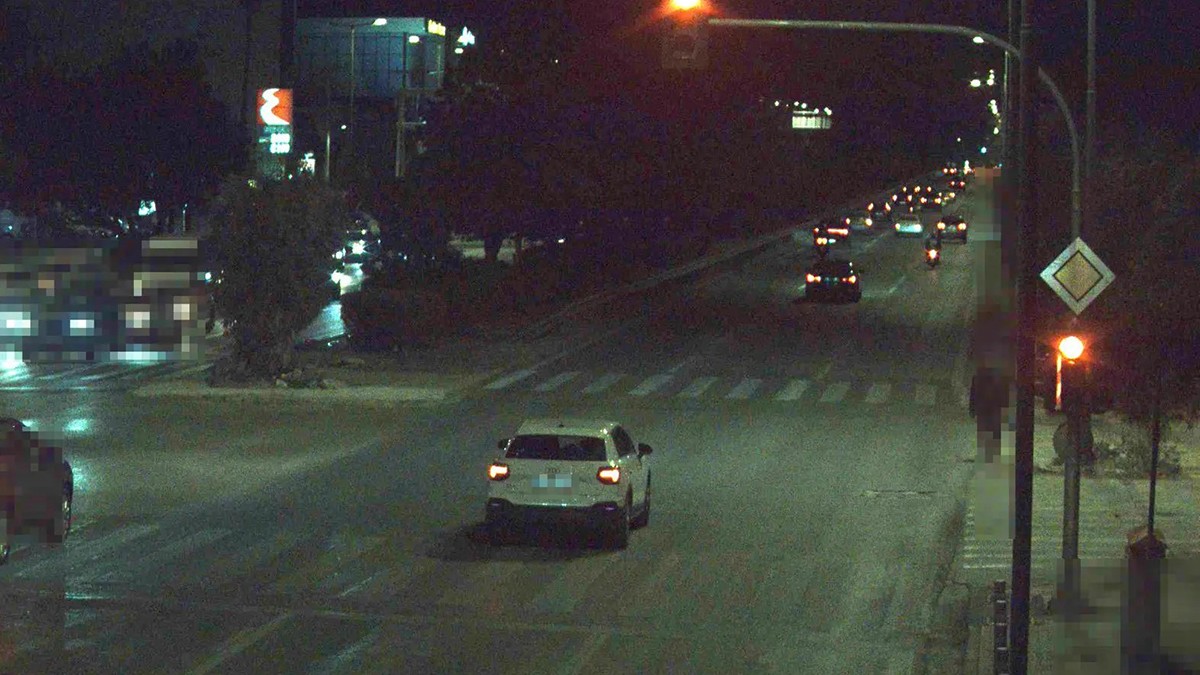
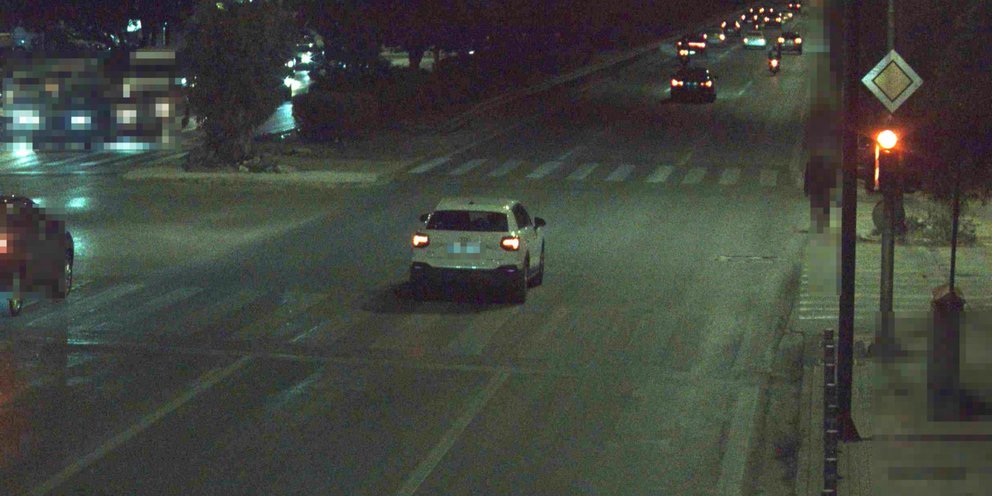
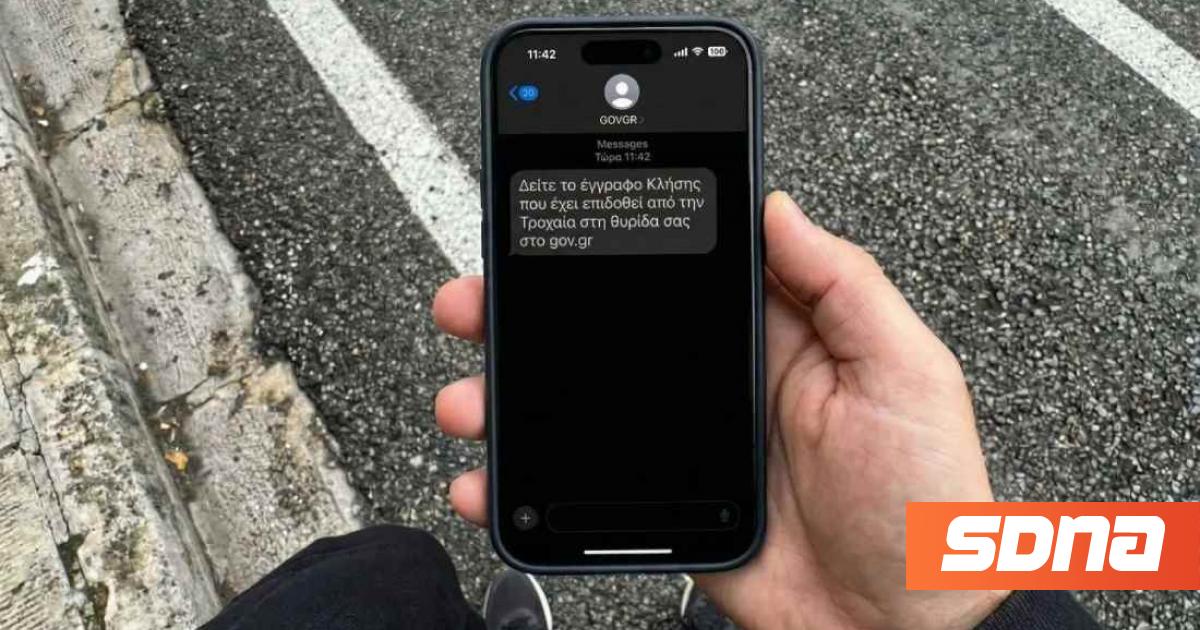
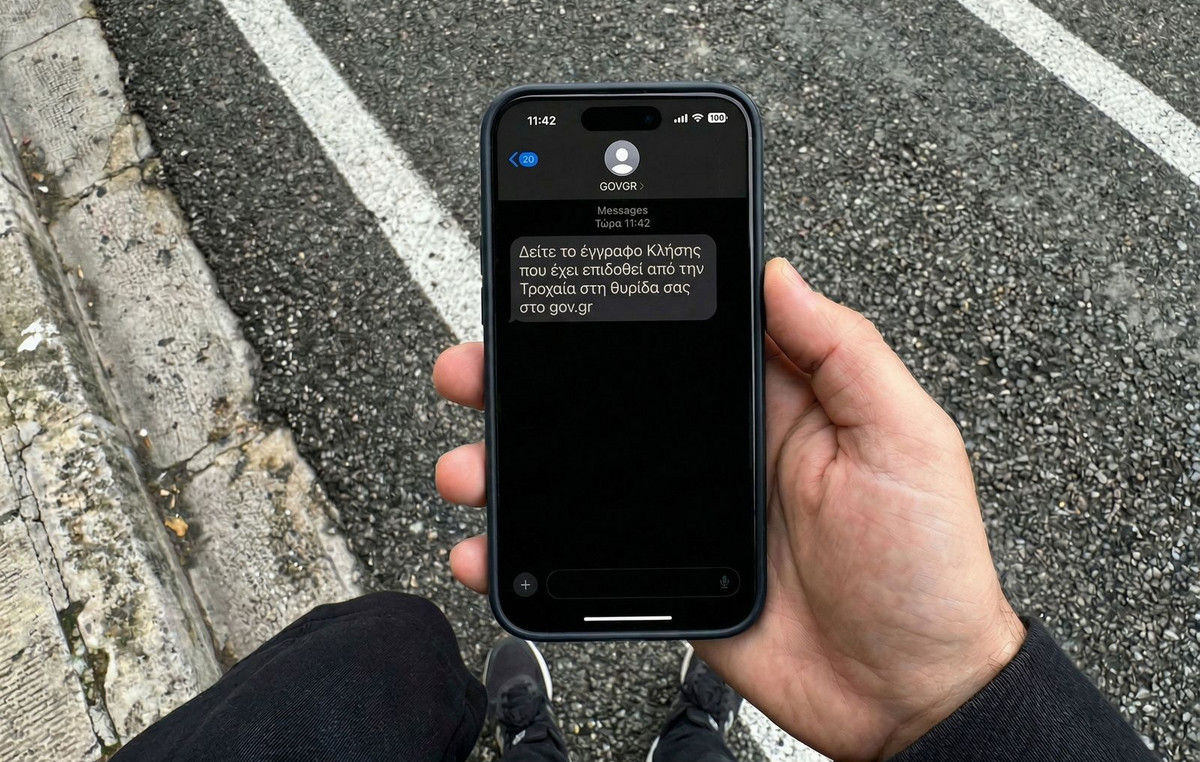
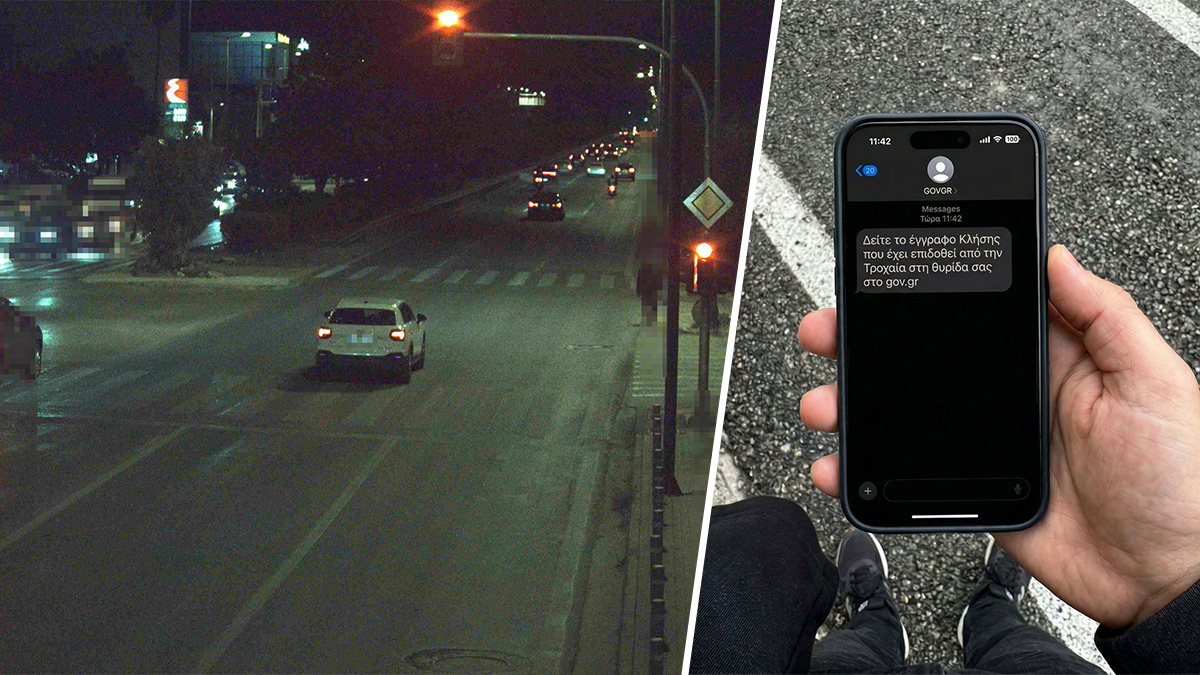
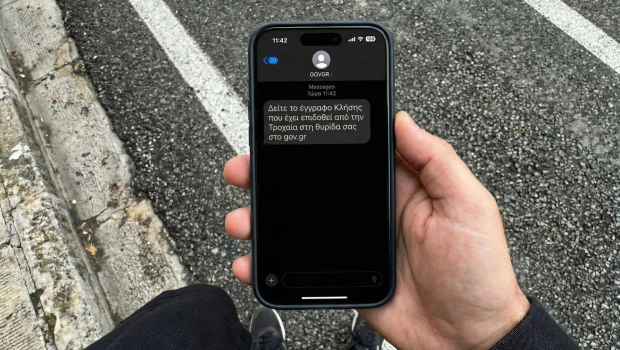
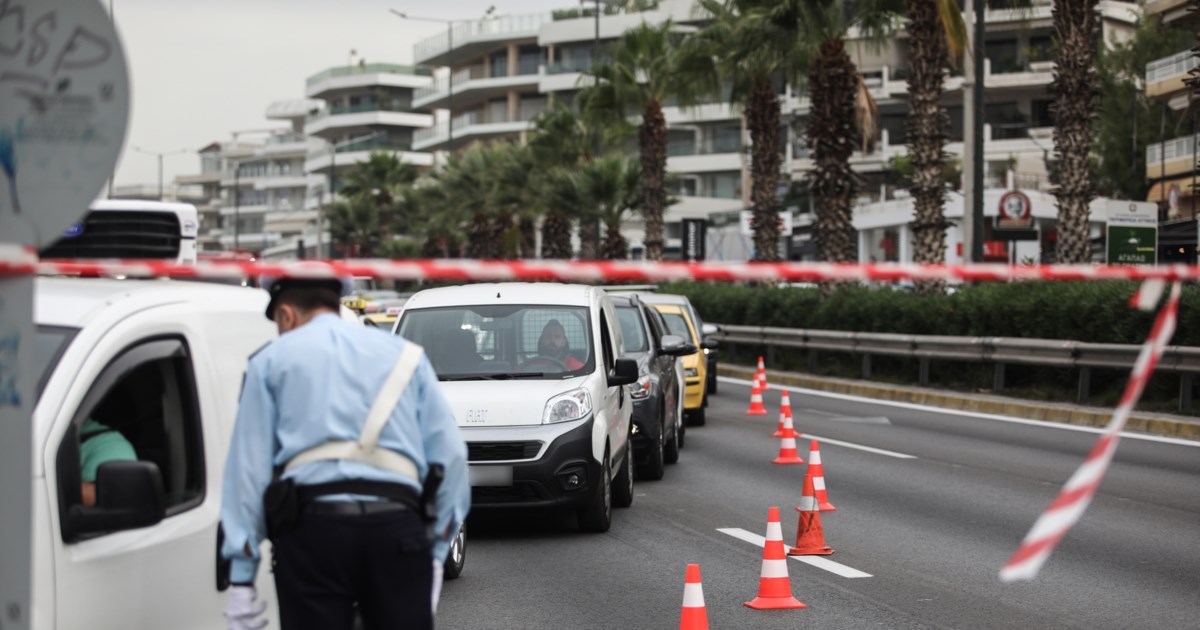
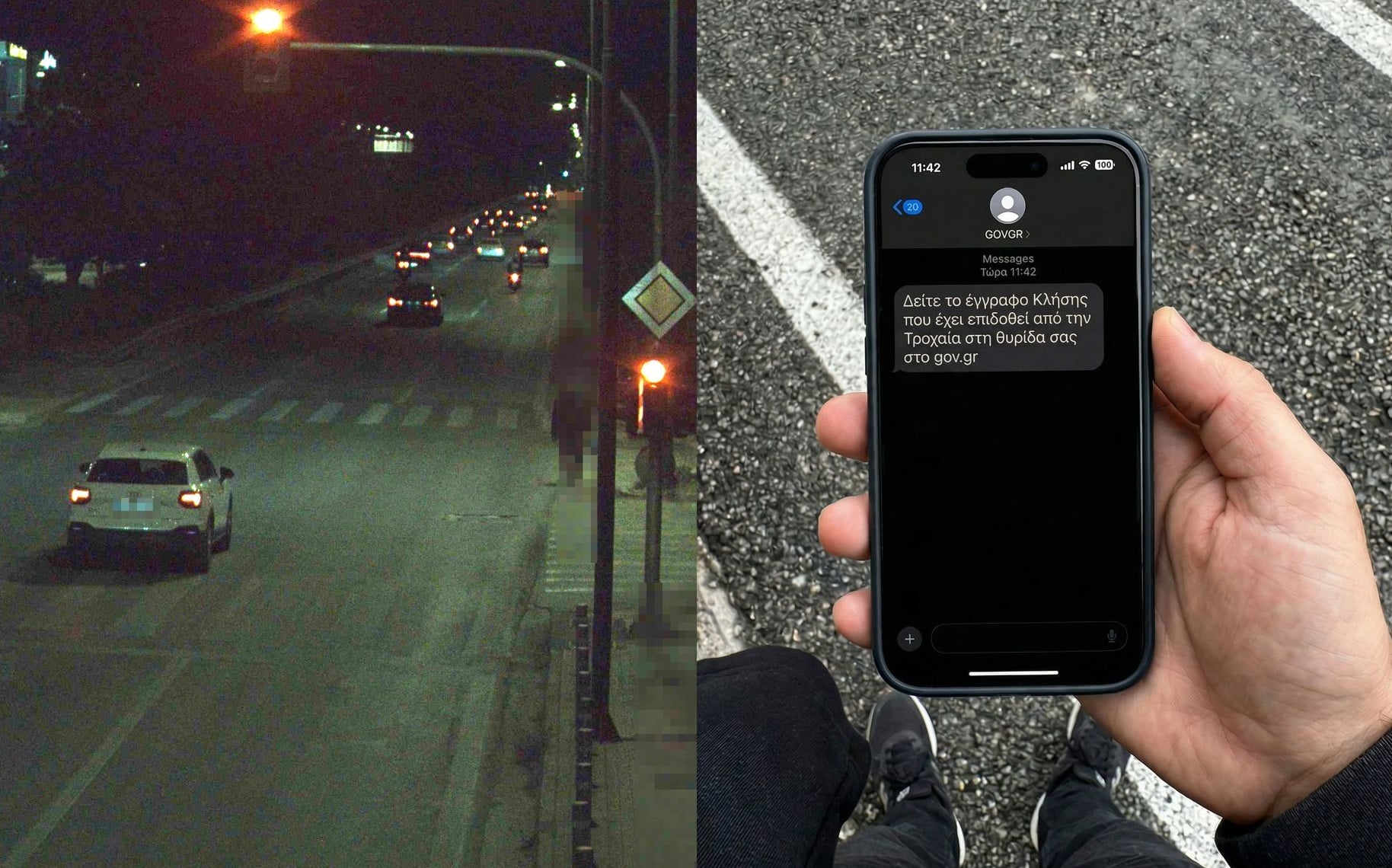
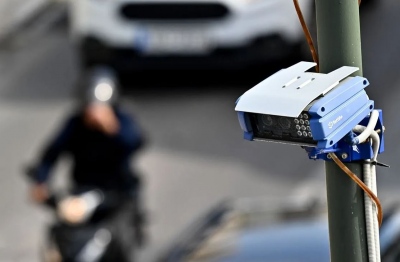
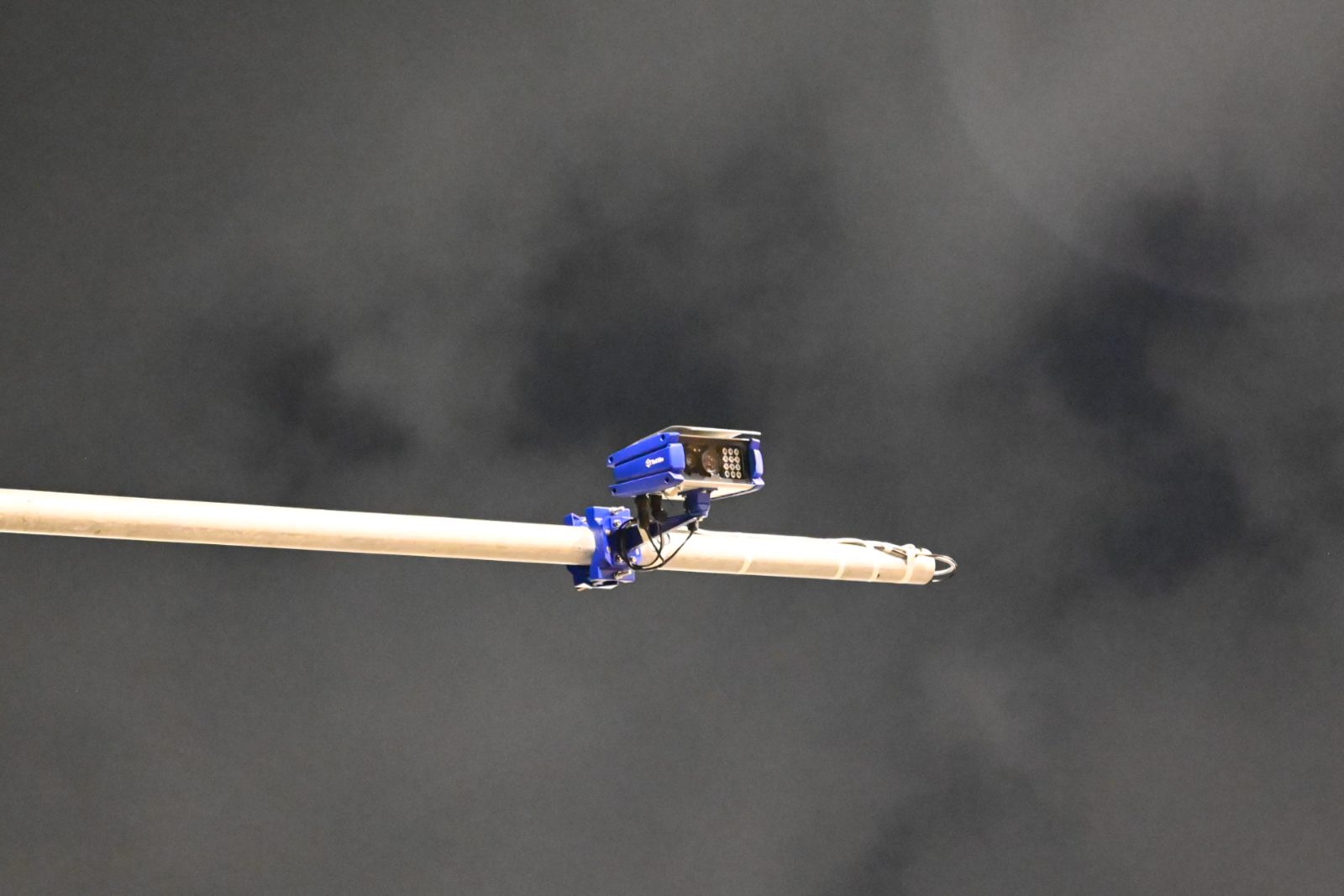
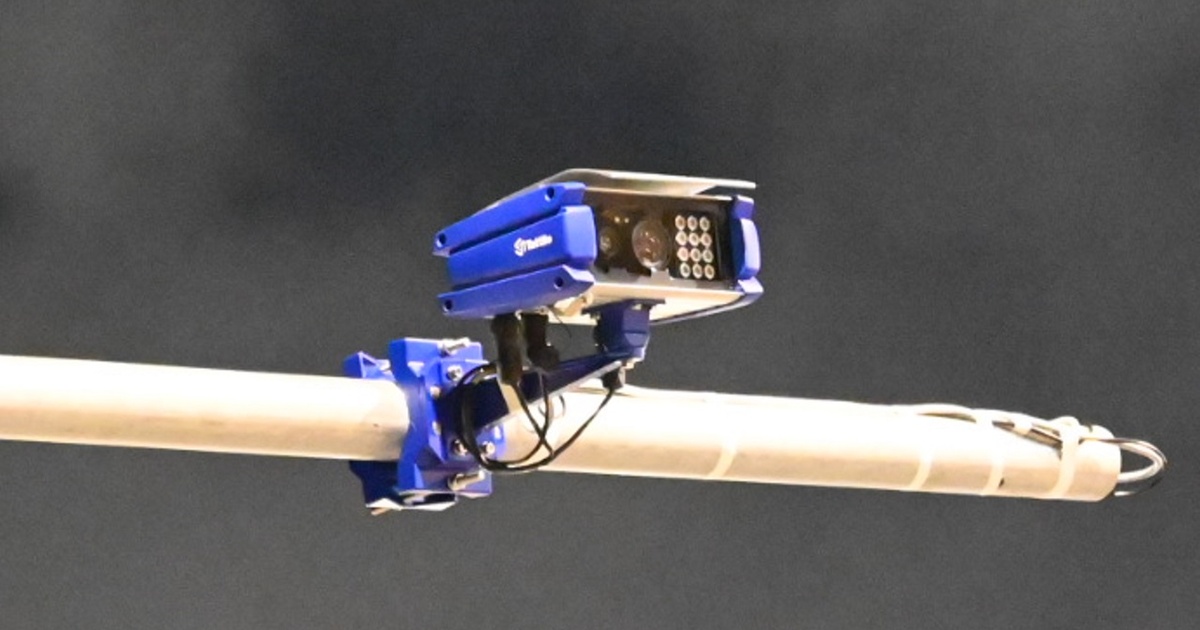
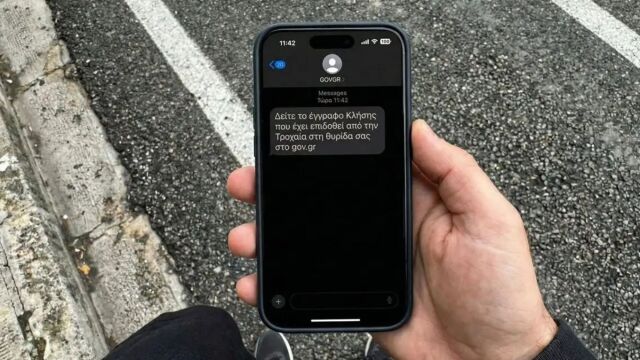
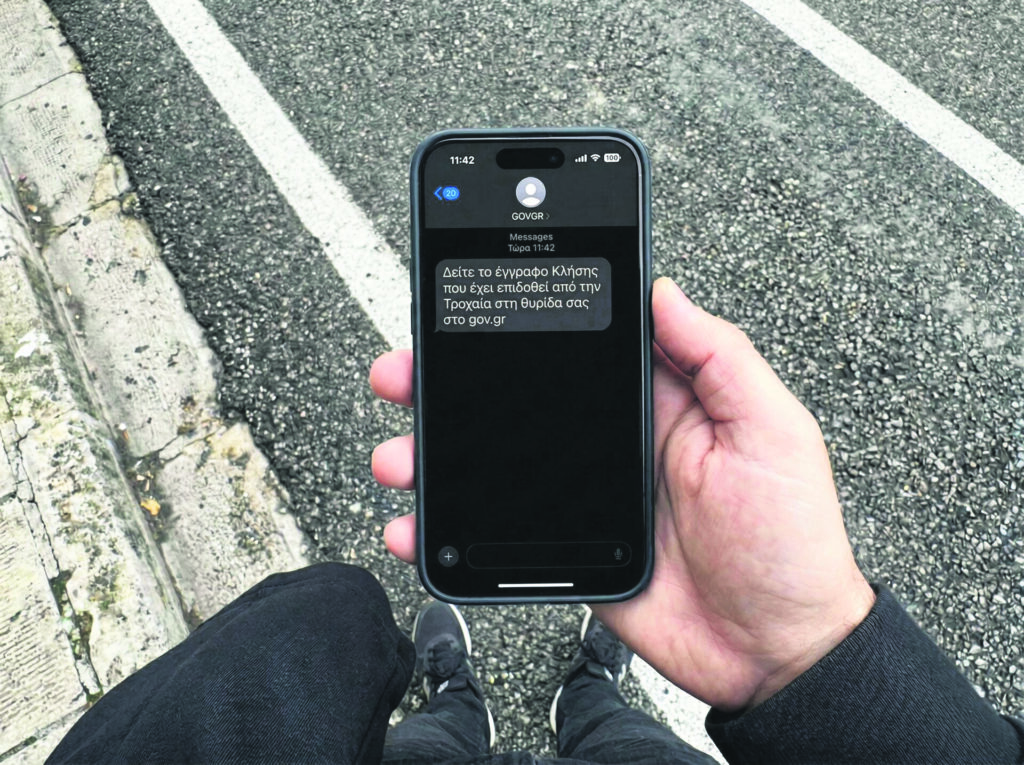
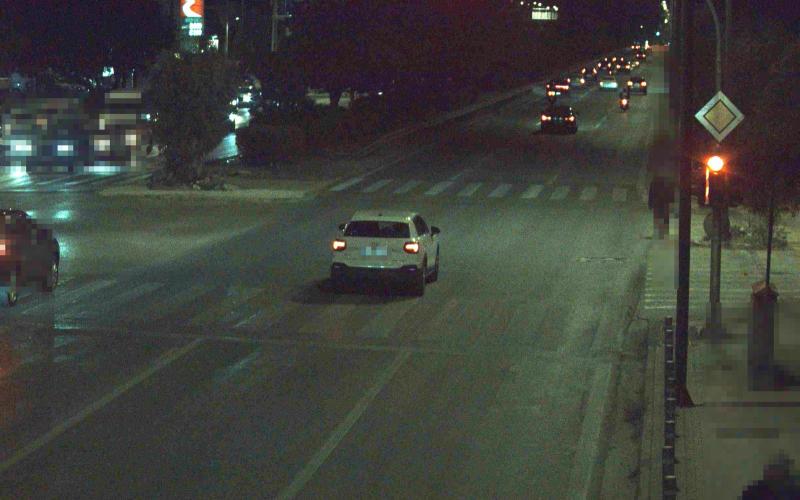
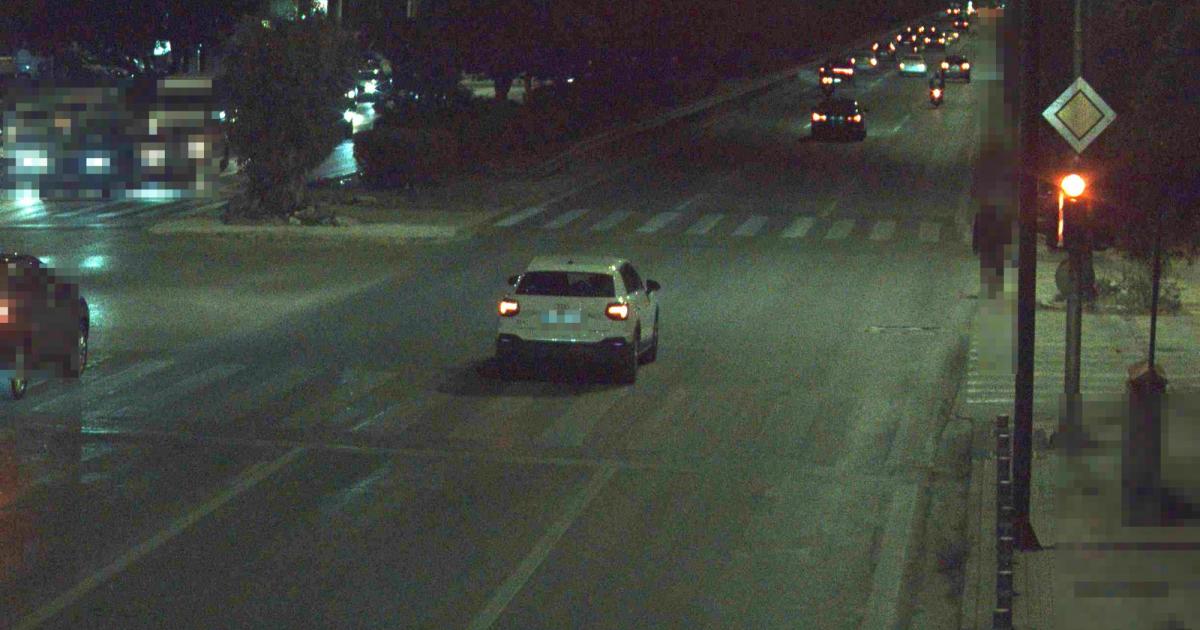
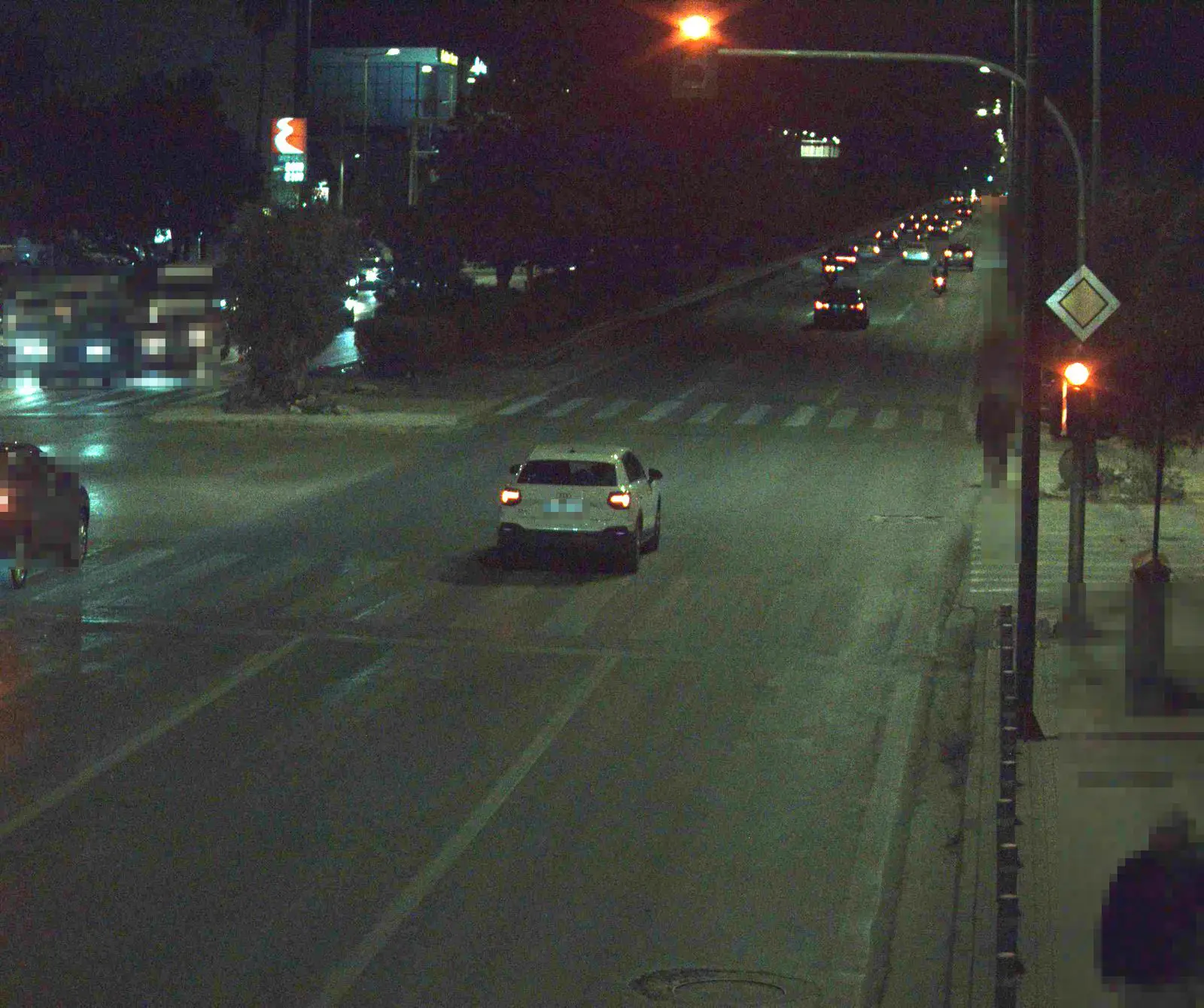
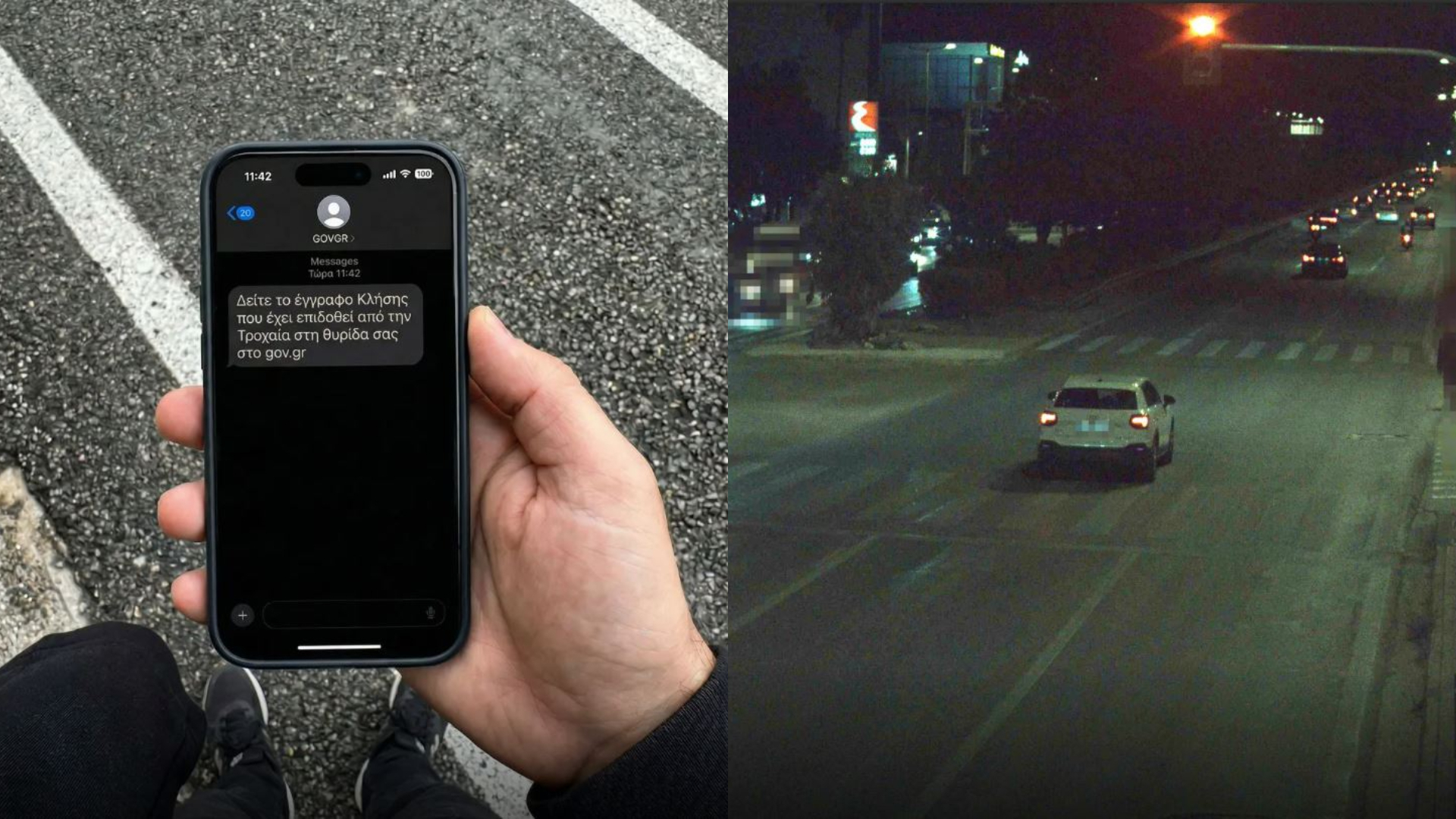
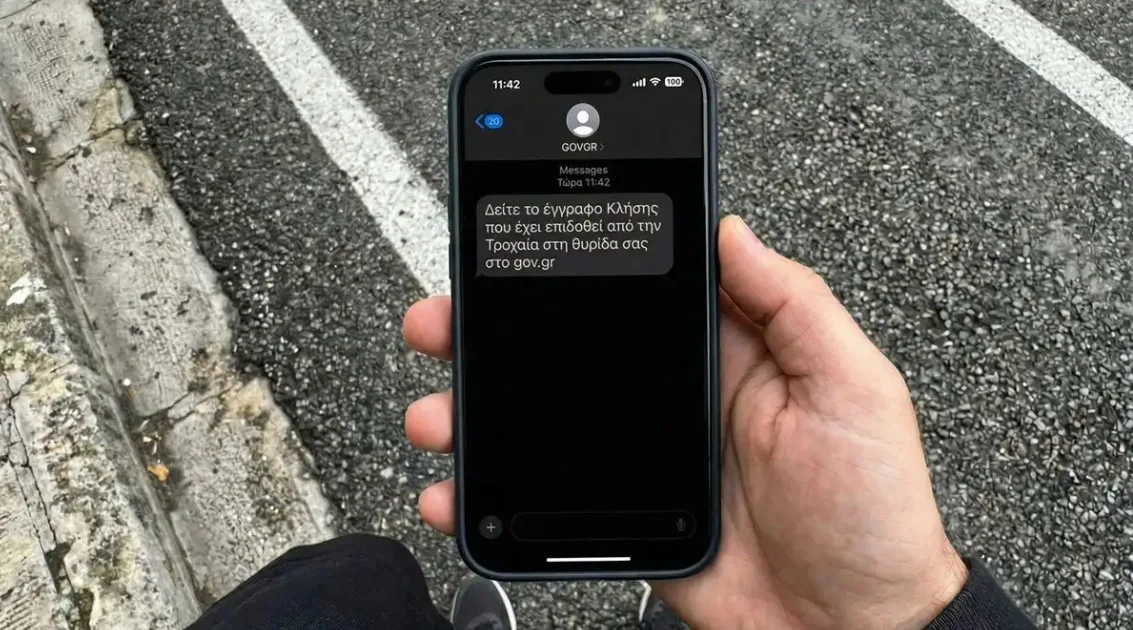
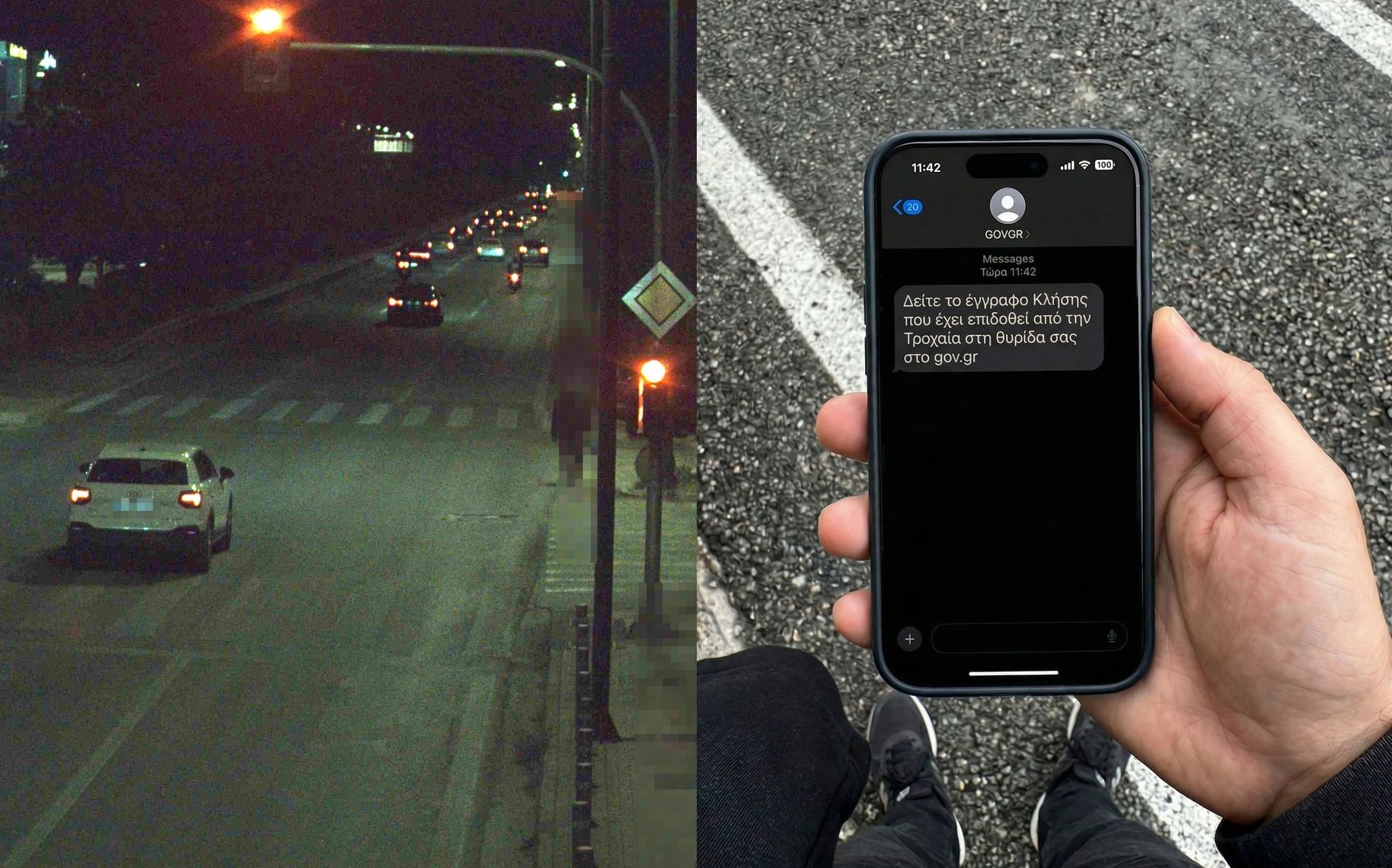
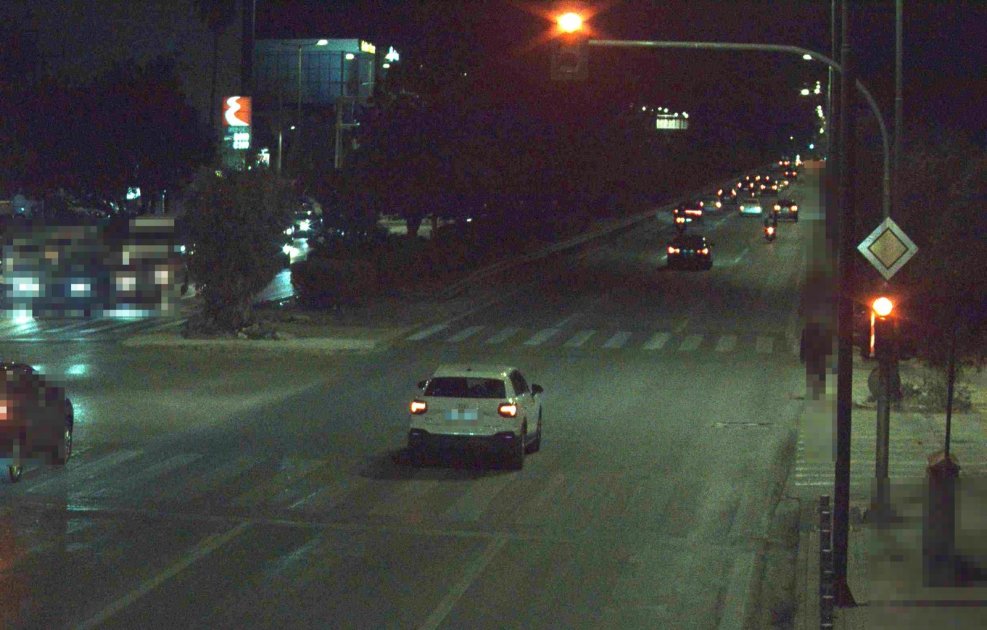
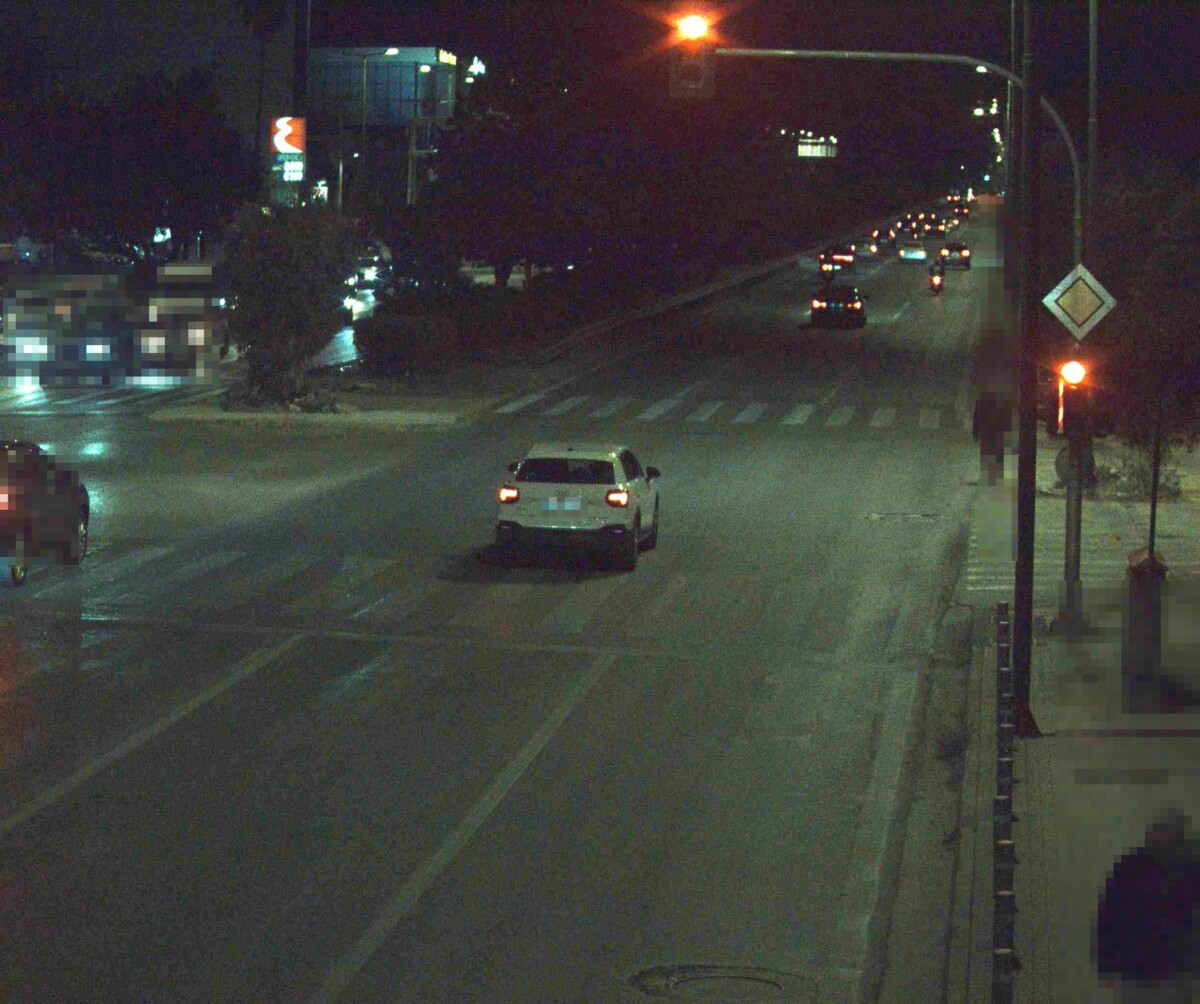
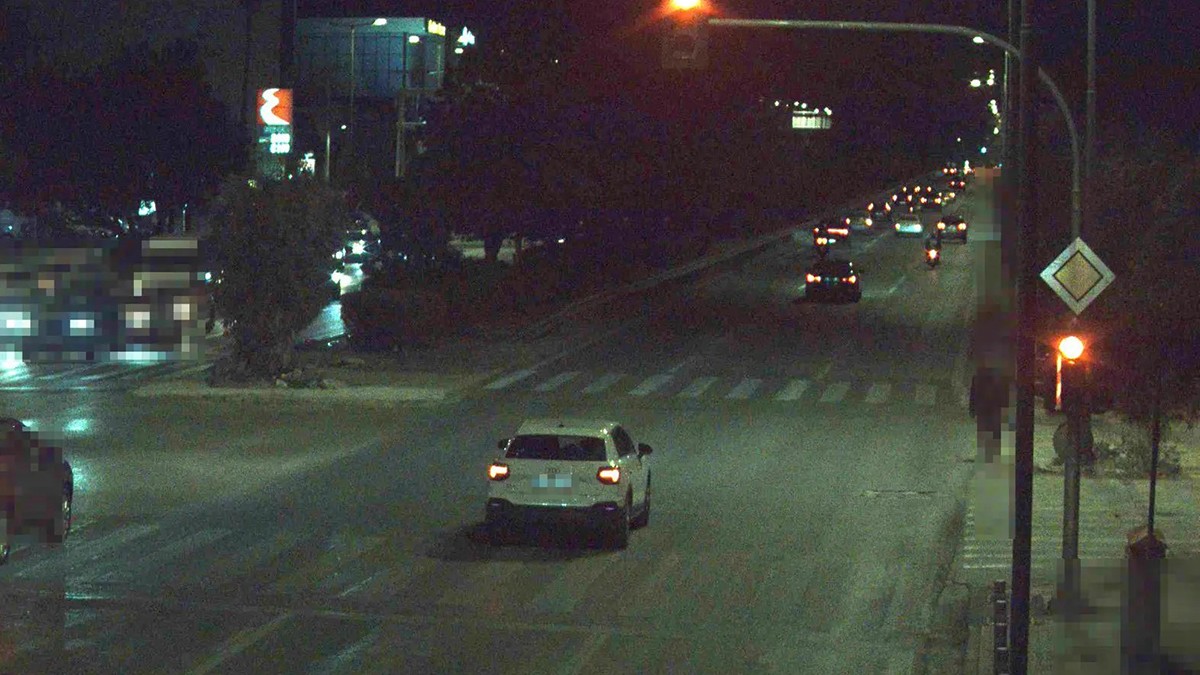
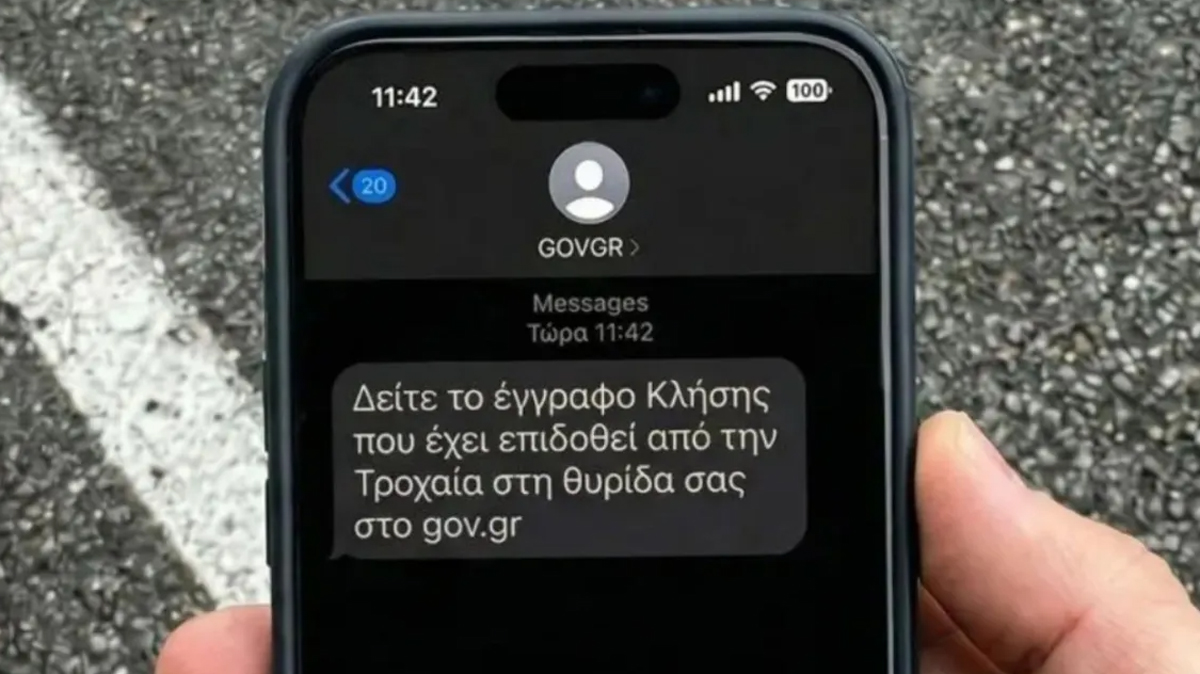
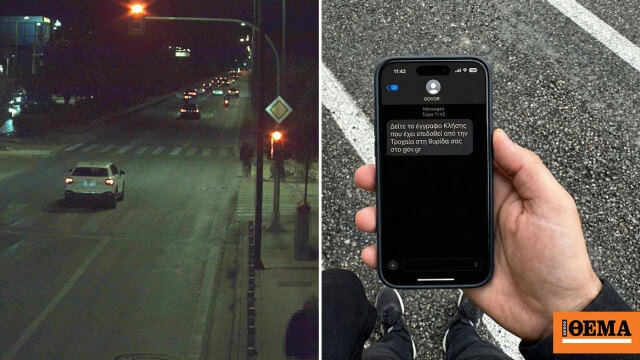
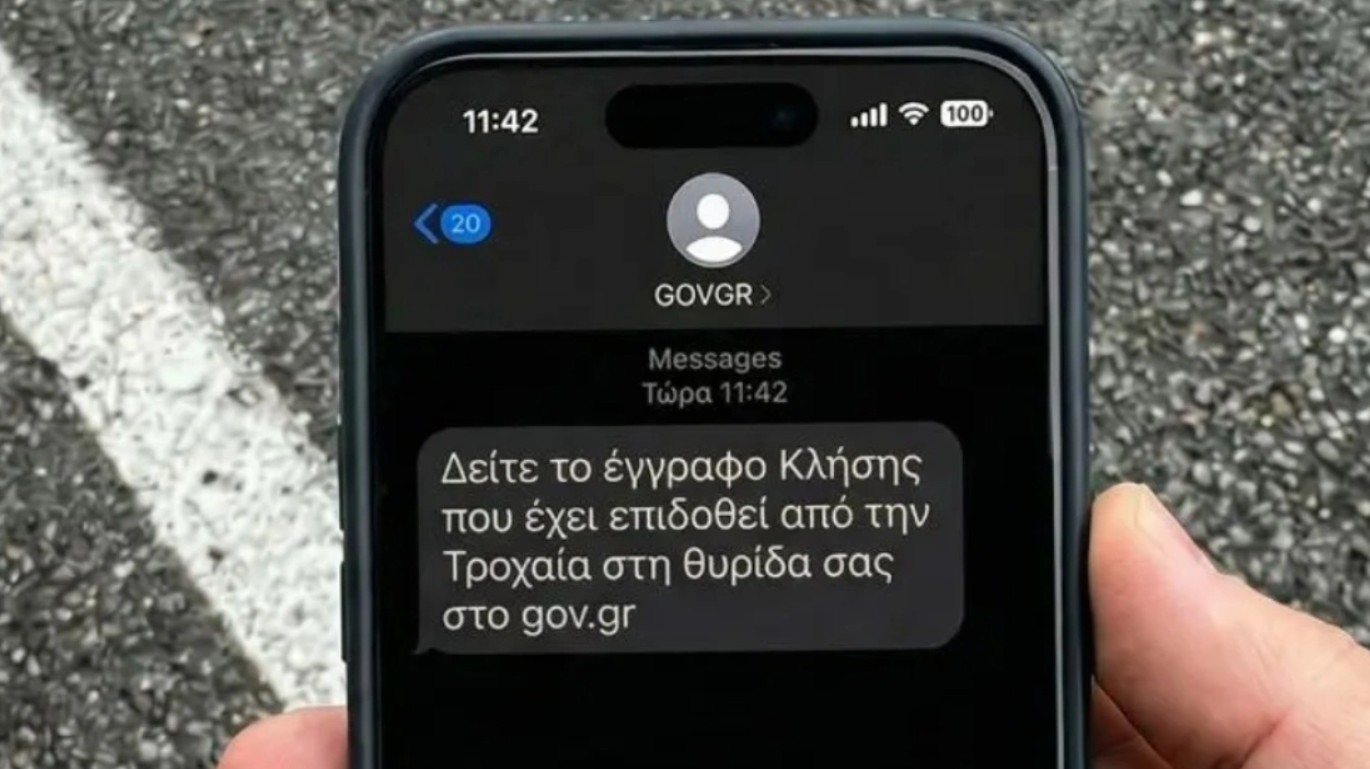
AI-powered traffic cameras in Athens, Greece, have begun automatically detecting violations such as running red lights and not wearing helmets, issuing digital fines directly to drivers. Around 130 fines have already been sent since late March, marking the operational launch of this AI enforcement system.[AI generated]

Why's our monitor labelling this an incident or hazard?

The cameras use AI to detect traffic violations and automatically issue fines, which directly affects individuals by imposing penalties. The AI system's outputs have led to concrete administrative actions (fines) and thus have caused realized harm. The event involves the use of an AI system, and the harm is direct and materialized, fulfilling the criteria for an AI Incident. The description does not merely discuss potential or future risks but actual enforcement actions taken based on AI detection, which excludes classification as a hazard or complementary information.[AI generated]
AI principles
Transparency & explainabilityAccountability

Industries
Government, security, and defence

Affected stakeholders
General public

Harm types
Economic/Property

Severity
AI incident

Business function:
Compliance and justice

AI system task:
Recognition/object detection


Articles about this incident or hazard

Thumbnail Image

Камерите со вештачка интелигенција во Атина започнаа да регистрираат и да испраќаат казни за сообраќајни прекршоци - biznisvesti.mk

2026-03-31
biznisvesti.mk
Why's our monitor labelling this an incident or hazard?
The cameras use AI to detect traffic violations and automatically issue fines, which directly affects individuals by imposing penalties. The AI system's outputs have led to concrete administrative actions (fines) and thus have caused realized harm. The event involves the use of an AI system, and the harm is direct and materialized, fulfilling the criteria for an AI Incident. The description does not merely discuss potential or future risks but actual enforcement actions taken based on AI detection, which excludes classification as a hazard or complementary information.
Thumbnail Image

"Безбеден град" и во Атина - Слободен печат

2026-03-31
Слободен печат
Why's our monitor labelling this an incident or hazard?
The event involves AI systems explicitly mentioned as being used for automated traffic enforcement. The AI systems' use has directly led to the issuance of fines to drivers who violated traffic rules, which is a form of legal enforcement and deterrence aimed at reducing dangerous driving and improving public safety. While the article does not report any injury or accident caused by the AI systems, the AI's role in detecting violations and issuing penalties is clear and ongoing. This constitutes an AI Incident because the AI system's use has directly led to a significant societal impact—enforcement actions that affect individuals' rights and legal standing, and contribute to public safety (harm reduction).
Thumbnail Image

"Безбеден град" и во Атина: 130 казни за два дена - Trn.mk

2026-03-31
Trn.mk
Why's our monitor labelling this an incident or hazard?
The article explicitly mentions the use of AI systems (smart cameras with AI algorithms) for automatic traffic violation detection and digital fine issuance. The system is in active use and has already issued fines, which is a direct consequence of AI use. However, the fines are lawful administrative penalties aimed at improving road safety, not harms or violations of rights. There is no report of malfunction, misuse, or harm beyond intended enforcement. The event is an update on the deployment and operational status of an AI system with societal implications but does not describe an AI Incident or AI Hazard. Hence, it fits the definition of Complementary Information, providing supporting data and context about AI use in traffic management.
Thumbnail Image

АТИНА ВОВЕДУВА "БЕЗБЕДЕН ГРАД": Поставени камери - првите два дена изречени 130 казни

2026-03-31
Радио Лидер
Why's our monitor labelling this an incident or hazard?
The system explicitly uses AI for automatic detection and analysis of traffic violations, which directly results in administrative fines being issued to individuals. This is a clear case where the AI system's use has directly led to harm (legal penalties) to persons, fulfilling the criteria for an AI Incident. The event is not merely a product launch or general news; it reports on actual enforcement and penalties already applied. Hence, it is not Complementary Information or an AI Hazard. The harm is realized and ongoing, so the classification is AI Incident.
Thumbnail Image

Нов систем за сообраќај со "паметни" камери во Атина: 130 казни во првите два дена

2026-03-31
utro.mk
Why's our monitor labelling this an incident or hazard?
The AI system is explicitly mentioned as being used to detect traffic violations and automatically issue fines, which directly affects individuals by enforcing legal penalties. This constitutes the use of an AI system leading to realized harm in the form of administrative sanctions (a form of legal or regulatory harm). Although the harm is administrative and not physical injury, it is a direct consequence of the AI system's operation. Therefore, this qualifies as an AI Incident under the framework, as the AI system's use has directly led to harm (administrative penalties) to persons.
Thumbnail Image

"Безбеден град" и во Атина, паднаа и првите казни - 24info.mk

2026-03-31
24info.mk
Why's our monitor labelling this an incident or hazard?
The event involves an AI system explicitly described as using artificial intelligence for automatic recognition and analysis of traffic violations. The system's use has directly resulted in administrative fines being issued to drivers, which is a form of harm related to legal rights and obligations (a breach of applicable law). Therefore, this qualifies as an AI Incident because the AI system's use has directly led to realized harm (administrative penalties).
Thumbnail Image

И Атина воведе Безбеден град, само 130 казни за еден ден

2026-03-31
Рацин.мк
Why's our monitor labelling this an incident or hazard?
The event involves the use of an AI system (automatic license plate recognition and algorithmic violation detection) in active use, which has directly led to administrative penalties for traffic violations. However, the article does not report any harm such as injury, disruption, or rights violations caused by the AI system itself; rather, it describes the system's operational deployment and its effectiveness in issuing fines. There is no indication of malfunction or misuse causing harm, nor is there a plausible future harm beyond the intended enforcement. Therefore, this event is best classified as Complementary Information, as it provides context and update on AI deployment in traffic enforcement without reporting an AI Incident or AI Hazard.
Thumbnail Image

КАМЕРИ СО ВЕШТАЧКА ИНТЕЛИГЕНЦИЈА ЛОВАТ НЕСОВЕСНИ ВОЗАЧИ ВО ГРЦИЈА, веќе паѓаат казни, властите најавуваат проширување на системот - Pari.com.mk

2026-04-01
Pari.com.mk
Why's our monitor labelling this an incident or hazard?
The AI system is explicitly described as being used to detect traffic violations and automatically issue fines, which directly impacts drivers by imposing penalties. This is a clear case where the AI system's use has led to realized harm (legal penalties) and enforcement actions, fulfilling the criteria for an AI Incident. The harm is related to violations of legal rights and obligations, as the system enforces traffic laws. The event does not merely describe potential or future harm but actual fines already issued, so it is not an AI Hazard. It is not Complementary Information because the main focus is on the active use and consequences of the AI system, not on responses or updates to a prior incident. Therefore, the correct classification is AI Incident.
Thumbnail Image

Άρχισαν να φτάνουν τα πρώτα "ραβασάκια" από τις έξυπνες κάμερες (+video)

2026-03-31
news.makedonias.gr
Why's our monitor labelling this an incident or hazard?
The AI system (smart cameras with AI) is explicitly mentioned as being in use for automatic detection and recording of traffic violations. The system's outputs (digital fines) have directly led to harm in the form of legal penalties and financial costs to drivers, which qualifies as harm to individuals. Therefore, this event constitutes an AI Incident because the AI system's use has directly led to realized harm (legal and financial penalties) to people.
Thumbnail Image

Ξεκίνησε η βεβαίωση κλήσεων από τις κάμερες Τεχνητής Νοημοσύνης και τις κάμερες των λεωφορείων - Ψηφιακά οι ειδοποιήσεις στη Θυρίδα Πολίτη στο Gov.gr Wallet

2026-03-30
NewsIT
Why's our monitor labelling this an incident or hazard?
The article explicitly mentions AI systems embedded in cameras that analyze traffic violations and automatically issue fines, which is a direct use of AI leading to administrative enforcement actions. This fits the definition of an AI Incident because the AI system's use has directly led to a significant, clearly articulated harm—namely, the imposition of fines and legal consequences on individuals. Although the harm is administrative and regulatory rather than physical injury, it is a direct consequence of AI system use. Therefore, the event qualifies as an AI Incident rather than a hazard or complementary information.
Thumbnail Image

Προσοχή! Άρχισαν να έρχονται οι ψηφιακές κλήσεις από τις κάμερες ΤΝ - Πού βρίσκονται

2026-03-31
Gazzetta.gr - Sports News Portal
Why's our monitor labelling this an incident or hazard?
The article explicitly mentions AI systems (cameras with AI capabilities) that automatically detect traffic violations and issue digital fines. The AI system's use has directly led to harm in the form of administrative penalties to drivers for traffic infractions, which qualifies as harm to persons under the framework. Hence, this is an AI Incident due to the realized harm caused by the AI system's operation in law enforcement.
Thumbnail Image

Ξεκίνησαν τα πρόστιμα από τις νέες AI κάμερες- Αυτό είναι το SMS που έρχεται στον παραβάτη

2026-03-31
www.Sport24.gr
Why's our monitor labelling this an incident or hazard?
The article explicitly mentions AI systems integrated into traffic cameras that analyze violations and automatically issue fines. The AI system's use is clear and central. However, there is no indication of harm occurring or plausible harm that could arise from the AI system's use. The event is about the start of enforcement and the administrative process, which is a governance and operational update. Hence, it is Complementary Information rather than an Incident or Hazard.
Thumbnail Image

Ξεκίνησαν οι ψηφιακές κλήσεις από κάμερες AI: Αυτό είναι το μήνυμα που λαμβάνουν οι παραβάτες - iefimerida.gr

2026-03-30
iefimerida.gr
Why's our monitor labelling this an incident or hazard?
The cameras use AI algorithms to automatically detect traffic violations and issue fines digitally, which directly affects drivers by enforcing traffic laws and potentially improving road safety. This is a clear case where the AI system's use leads to direct legal and social consequences (harm to individuals through penalties and improved safety outcomes). Therefore, it meets the criteria for an AI Incident as the AI system's use has directly led to realized harm (legal penalties and enforcement of road safety).
Thumbnail Image

Σε αυτά τα σημεία της Αθήνας λειτουργούν οι κάμερες με AI τεχνολογία -Ποιες παραβάσεις καταγράφουν - iefimerida.gr

2026-03-31
iefimerida.gr
Why's our monitor labelling this an incident or hazard?
The AI cameras are explicitly mentioned as being used to monitor traffic and detect violations, which leads to the issuance of fines to individuals who have committed traffic offenses. This use of AI directly affects individuals by enforcing traffic laws and potentially impacting their rights and obligations. However, the article does not describe any harm or violation of rights beyond lawful enforcement, nor does it indicate any malfunction or misuse causing harm. Therefore, this is not an AI Incident or AI Hazard. Instead, it is a description of the deployment and operational use of AI systems in public administration and law enforcement, providing contextual information about AI applications and their societal impact. This fits the definition of Complementary Information, as it enhances understanding of AI use in governance and public safety without reporting harm or plausible harm.
Thumbnail Image

Στα κινητά τα πρώτα πρόστιμα κλήσεων της Τροχαίας για παραβάσεις που "είδαν" οι κάμερες

2026-03-30
SDNA
Why's our monitor labelling this an incident or hazard?
The event explicitly involves AI systems (AI-powered cameras with algorithms analyzing traffic violations) whose use has directly led to the issuance of fines to drivers for traffic offenses. This constitutes a direct impact on individuals (harm through legal penalties and enforcement). Therefore, it meets the criteria for an AI Incident because the AI system's use has directly led to a harm (legal penalties for traffic violations). The event is not merely a potential risk or a complementary update but a realized impact involving AI systems.
Thumbnail Image

ΕΛ.ΑΣ.: Προσοχή στις απάτες - Το μήνυμα για τις κλήσεις από τις ΑΙ κάμερες δεν έχει σύνδεσμο

2026-03-31
ΣΚΑΪ
Why's our monitor labelling this an incident or hazard?
The article explicitly mentions AI systems integrated into traffic cameras that automatically detect violations and issue fines, confirming AI system involvement. The use of the AI system has led to administrative actions (fines) which are a form of legal enforcement but not described as causing unlawful harm or rights violations. There is no indication of malfunction, misuse, or harm beyond the intended legal enforcement. The warning about scams is a caution to the public and does not constitute an AI Incident or Hazard itself. The main focus is on informing and updating the public about the AI system's deployment and operation, fitting the definition of Complementary Information.
Thumbnail Image

Ξεκίνησε η βεβαίωση κλήσεων από κάμερες Τεχνητής Νοημοσύνης

2026-03-30
ΣΚΑΪ
Why's our monitor labelling this an incident or hazard?
An AI system is explicitly involved, as the cameras use AI algorithms to detect and classify traffic violations automatically. The system's use has already led to the issuance of 130 fines, indicating realized harm in the form of legal penalties for traffic violations. While the primary goal is to improve road safety and reduce accidents, the event involves the use of AI in a way that directly affects individuals through enforcement actions. This fits the definition of an AI Incident because the AI system's use has directly led to legal and regulatory consequences for people, which is a form of harm under violations of applicable law and potentially impacts individuals' rights and obligations.
Thumbnail Image

Πώς θα δείτε εάν οι κάμερες τεχνητής νοημοσύνης σας έχουν κόψει κλήση

2026-03-30
Newsbeast.gr
Why's our monitor labelling this an incident or hazard?
The article explicitly mentions AI systems used for automatic detection and processing of traffic violations, confirming AI system involvement. The AI system is used (not malfunctioning) to enforce traffic laws by issuing fines, which is a lawful application aimed at reducing accidents and improving safety. There is no indication of harm, rights violations, or malfunction leading to harm. The article focuses on the rollout, capabilities, and expansion plans of the AI system, as well as data protection measures and administrative processes. This fits the definition of Complementary Information, providing supporting context and updates on AI deployment without reporting an incident or hazard.
Thumbnail Image

Ξεκίνησε η βεβαίωση κλήσεων από τις κάμερες Τεχνητής Νοημοσύνης

2026-03-30
NEWS 24/7
Why's our monitor labelling this an incident or hazard?
The cameras incorporate AI-based algorithmic analysis to detect and classify traffic violations, and their outputs have already led to the issuance of administrative fines to citizens. This constitutes direct use of AI systems leading to enforcement actions that impact individuals. The event involves realized harm prevention and law enforcement rather than harm itself, but since the AI system's outputs are used to impose penalties and regulate behavior, it is an AI Incident under the framework because it directly affects individuals' rights and legal obligations through AI-driven decisions. The event does not merely describe potential future harm or general AI news, but the actual operational use of AI systems causing direct legal consequences.
Thumbnail Image

Ψηφιακά "έρχονται" τα πρόστιμα από τις κάμερες Τεχνητής Νοημοσύνης

2026-03-30
zougla.gr
Why's our monitor labelling this an incident or hazard?
The cameras incorporate AI systems for automated detection and classification of traffic violations, which directly leads to the issuance of fines to drivers. This constitutes a direct use of AI systems causing realized harm (financial penalties) to individuals. Therefore, this qualifies as an AI Incident under the framework, as the AI system's use has directly led to harm (administrative penalties).
Thumbnail Image

Ξεκίνησε η βεβαίωση κλήσεων από τις κάμερες Τεχνητής Νοημοσύνης και τις κάμερες των λεωφορείων | in.gr

2026-03-30
in.gr
Why's our monitor labelling this an incident or hazard?
The article explicitly mentions AI systems integrated into traffic cameras that detect violations and automatically issue fines. However, the event does not report any harm caused by these AI systems, such as injury, rights violations, or property damage. Instead, it describes the start of enforcement and electronic fine issuance, which is a lawful administrative process. The AI system's role is operational and supportive of law enforcement, with no indication of malfunction or misuse leading to harm. The article also discusses future expansion plans and system integration, which are governance and operational updates. Hence, the event fits the definition of Complementary Information rather than an Incident or Hazard.
Thumbnail Image

"Έξυπνες" κάμερες στην Αττική: Πάνω από 130 πρόστιμα - Στα κινητά τα πρώτα "ραβασάκια", τι να προσέχουν οι οδηγοί

2026-04-01
The TOC
Why's our monitor labelling this an incident or hazard?
The event involves AI systems (AI-powered cameras with automatic license plate recognition and violation detection algorithms) actively used to enforce traffic laws by issuing fines. The AI system's use directly leads to administrative penalties (harm to individuals in the form of legal/financial consequences). This fits the definition of an AI Incident because the AI system's use has directly led to harm (administrative penalties). The article does not describe a malfunction or misuse causing physical injury or rights violations, but the administrative penalties are a clear harm. The warnings about scams are precautionary and do not constitute a new incident. Therefore, the classification is AI Incident.
Thumbnail Image

Η ΕΛ.ΑΣ. προειδοποιεί για απάτες: Το μήνυμα για κλήσεις από κάμερες AI δεν περιέχει σύνδεσμο

2026-03-31
The TOC
Why's our monitor labelling this an incident or hazard?
The event involves the use of AI systems (AI-enabled cameras with algorithmic analysis) in real-world law enforcement applications. While the system's use could raise concerns about privacy or rights, the article does not describe any realized harm, violation, or malfunction. It mainly informs the public about the system's operation, the nature of messages sent, and the ongoing expansion plans. Therefore, it does not qualify as an AI Incident or AI Hazard. Instead, it provides complementary information about AI deployment and governance in public safety.
Thumbnail Image

Στα κινητά τα πρώτα "ραβασάκια" από τις "έξυπνες κάμερες" της Τροχαίας - Έχουν σταλεί 130 κλήσεις μέσα σε λίγες ημέρες

2026-03-30
enikos.gr
Why's our monitor labelling this an incident or hazard?
The article explicitly mentions AI systems analyzing traffic violations and automatically issuing fines, which is a direct use of AI leading to legal and social consequences for individuals. The AI system's outputs (fines) have already been sent to offenders, indicating realized harm in terms of legal penalties and enforcement actions. The system's role is pivotal in detecting violations and managing enforcement, thus meeting the criteria for an AI Incident. There is no indication that the event is merely a future risk or a complementary update; it is an active deployment causing direct effects on people and public safety.
Thumbnail Image

Ξεκίνησαν οι πρώτες κλήσεις από κάμερες Τεχνητής Νοημοσύνης

2026-03-30
newsbreak
Why's our monitor labelling this an incident or hazard?
The article explicitly mentions AI systems integrated into traffic cameras that detect violations and automatically issue fines. While the AI system's use leads to administrative penalties, these are lawful enforcement actions rather than harms such as injury, rights violations, or property damage. The event does not describe any malfunction, misuse, or harm caused by the AI system. Instead, it reports on the operational rollout and expansion plans of the AI system, which is informative about AI governance and societal impact. Hence, it fits the definition of Complementary Information rather than an AI Incident or AI Hazard.
Thumbnail Image

ΑΙ κάμερες: Τι ισχύει για τα SMS και τις μηχανές στα φανάρια | Η ΚΑΘΗΜΕΡΙΝΗ

2026-03-31
H Kαθημερινή
Why's our monitor labelling this an incident or hazard?
The article explicitly mentions AI systems integrated into traffic cameras that detect and categorize traffic violations, which qualifies as AI system involvement. However, there is no indication that these AI systems have caused any injury, rights violations, or other harms, nor is there mention of any malfunction or misuse leading to harm. The article focuses on explaining how the system works and the notification process, which is informative and supportive in nature. Therefore, this is Complementary Information that enhances understanding of an AI system's deployment and its societal context without reporting a new incident or hazard.
Thumbnail Image

Κάμερες ΑΙ: Στάλθηκαν τα πρώτα 130 "ραβασάκια" για παραβάσεις | Η ΚΑΘΗΜΕΡΙΝΗ

2026-03-30
H Kαθημερινή
Why's our monitor labelling this an incident or hazard?
The article explicitly mentions AI systems integrated into traffic cameras that detect violations and automatically issue fines, indicating AI system involvement in the use phase. The fines represent a direct consequence of AI system outputs, which is a form of administrative enforcement rather than physical or health harm. There is no indication of malfunction, misuse, or harm beyond the lawful enforcement of traffic rules. The event does not describe any injury, rights violation, or disruption beyond normal legal processes. It also does not describe a plausible future harm or risk beyond the intended use. Thus, it does not meet the criteria for AI Incident or AI Hazard. Instead, it provides complementary information about the deployment and operational status of AI systems in traffic law enforcement, making it Complementary Information.
Thumbnail Image

Κάμερες ΑΙ: Στάλθηκαν τα πρώτα 130 "ραβασάκια" για παραβάσεις του ΚΟΚ

2026-03-30
bankingnews.gr
Why's our monitor labelling this an incident or hazard?
The cameras use AI for algorithmic analysis to detect and classify traffic violations, which directly leads to administrative fines being issued to offenders. This is a clear use of AI systems in law enforcement with direct consequences for individuals. While this involves harm in the form of penalties, it is a lawful and intended use of AI for public safety and traffic regulation. There is no indication of malfunction, error, or rights violations beyond the normal enforcement process. Therefore, this event does not describe an AI Incident or AI Hazard but rather a deployment and operational update of an AI system with societal implications. This fits best as Complementary Information, providing context and updates on AI system use and governance in traffic law enforcement.
Thumbnail Image

Ξεκίνησε η αποστολή κλήσεων από 8 κάμερες ΑΙ και 10 κάμερες λεωφορείων! #StarGrNews

2026-03-30
star.gr
Why's our monitor labelling this an incident or hazard?
The article explicitly mentions AI systems integrated into cameras that detect traffic violations and automatically issue fines to offenders. The AI's role is pivotal in identifying violations such as running red lights, speeding, and not wearing helmets, and in processing and sending fines electronically. This directly affects individuals through legal and financial consequences, which is a form of harm under the framework (violation enforcement impacting rights and property). Hence, the event meets the criteria for an AI Incident rather than a hazard or complementary information.
Thumbnail Image

Ξεκίνησε η βεβαίωση κλήσεων από τις κάμερες Τεχνητής Νοημοσύνης και τις κάμερες των λεωφορείων | ΤΟ ΒΗΜΑ

2026-03-30
Ειδήσεις - νέα - Το Βήμα Online
Why's our monitor labelling this an incident or hazard?
The article explicitly mentions AI systems analyzing traffic violations and automatically issuing fines, which have already been sent to offenders. This constitutes the use of AI leading directly to legal enforcement actions, which are harms under the framework's category of violations of applicable law. The system's deployment and operation have caused realized harm (fines issued), not just potential harm. Therefore, this event qualifies as an AI Incident.
Thumbnail Image

Ξεκίνησαν τα πρόστιμα από τις έξυπνες κάμερες της Τροχαίας: Πώς θα βεβαιώνονται μέσω gov.gr

2026-03-30
reader.gr
Why's our monitor labelling this an incident or hazard?
The event involves an AI system (smart cameras with AI algorithms for violation detection) used in traffic law enforcement. However, the article does not report any harm or incident caused by the AI system, nor does it suggest plausible future harm from its use. Instead, it describes the system's operation and its role in improving road safety and administrative efficiency. Therefore, this is complementary information about AI deployment and governance rather than an AI Incident or Hazard.
Thumbnail Image

Τα πρώτα "ραβασάκια" από τις κάμερες ΑΙ

2026-03-31
Aftodioikisi.gr
Why's our monitor labelling this an incident or hazard?
The cameras incorporate AI-based algorithmic analysis to detect traffic violations and automatically issue fines, which directly affects drivers and riders by imposing penalties. The AI system's outputs have led to actual enforcement actions (sending fines), which is a direct consequence of the AI system's use. This fits the definition of an AI Incident because the AI system's use has directly led to harm (legal penalties) to individuals. Although the harm is regulatory and legal rather than physical injury, it is a clear and significant impact on individuals' rights and obligations under the law.
Thumbnail Image

Υπ.Μεταφορών: Στο gov τα πρώτα ραβασάκια - Τι ελέγχουν οι κάμερες

2026-03-30
Aftodioikisi.gr
Why's our monitor labelling this an incident or hazard?
The article explicitly mentions the use of AI systems (AI-powered cameras with algorithmic analysis) for traffic violation detection and enforcement. The AI system is in active use, and its outputs (violation detections) lead to administrative actions (fines). However, there is no indication of harm or legal rights violations, nor any malfunction or misuse causing injury, disruption, or rights breaches. The event is an update on the deployment and operational status of an AI system with potential societal impact but without reported harm or plausible imminent harm. Thus, it fits the definition of Complementary Information rather than an Incident or Hazard.
Thumbnail Image

Ψηφιακές κλήσεις με AI: Ξεκίνησε η αποστολή προστίμων μέσω Gov.gr Wallet από τις νέες κάμερες - Το μήνυμα στους παραβάτες

2026-03-30
parapolitika.gr
Why's our monitor labelling this an incident or hazard?
The event involves AI systems explicitly (AI-enabled smart cameras with algorithmic analysis) used for traffic law enforcement. The AI system's use leads to the issuance of fines, which is a legal and regulatory action but not a harm or violation of rights or safety caused by AI malfunction or misuse. There is no report of injury, rights violation, or other harm caused by the AI system. The article focuses on the deployment and operational use of the AI system and the government's plan to improve road safety, which is a governance and societal response involving AI. Hence, it is best classified as Complementary Information rather than an Incident or Hazard.
Thumbnail Image

Τροχαία: Ποιες παραβάσεις καταγράφει η κάθε κάμερα ΑΙ [αναλυτικός χάρτης]

2026-04-01
ΕΛΕΥΘΕΡΟΣ ΤΥΠΟΣ
Why's our monitor labelling this an incident or hazard?
The event involves AI systems (traffic cameras with AI capabilities like ANPR and violation detection algorithms) actively used to detect and record traffic violations, which directly leads to administrative penalties (fines) for individuals. This is a direct consequence of AI system use causing harm in the form of legal/administrative sanctions. Hence, it qualifies as an AI Incident because the AI system's use has directly led to harm (administrative/legal harm to individuals).
Thumbnail Image

Εστάλησαν τα πρώτα "ραβασάκια" από τις al κάμερες: Πώς λειτουργούν

2026-03-30
www.topontiki.gr
Why's our monitor labelling this an incident or hazard?
The event involves AI systems explicitly described as analyzing traffic violations and automatically issuing fines, which directly affects individuals by imposing penalties. The AI system's use has already resulted in harm (legal/administrative penalties) to people who violated traffic laws. The system's role is central and direct in causing this harm. Although the harm is regulatory rather than physical injury, it falls under harm to persons or groups through legal enforcement. Hence, this is an AI Incident rather than a hazard or complementary information.
Thumbnail Image

ΕΛΑΣ: "Προσοχή στις απάτες με τις ειδοποιήσεις κλήσεων από τις AI κάμερες - Το μήνυμα ΔΕΝ περιέχει καποιον σύνδεσμο" (photos/video)

2026-03-31
www.topontiki.gr
Why's our monitor labelling this an incident or hazard?
The article explicitly describes AI systems (cameras with AI algorithmic analysis) being used to detect traffic violations and issue fines electronically. The AI system's outputs have directly led to administrative penalties for individuals, which is a form of harm (legal and financial consequences). The presence and use of AI systems are clear and central to the event. The warnings about scams are secondary and do not negate the fact that the AI system's use has caused direct harm. Hence, this is an AI Incident as the AI system's use has directly led to harm (administrative penalties) to people.
Thumbnail Image

Αυτές είναι οι ηλεκτρονικές κλήσεις από τις κάμερες Τεχνητής Νοημοσύνης και τις κάμερες των λεωφορείων - to10.gr

2026-03-30
to10.gr
Why's our monitor labelling this an incident or hazard?
The article explicitly mentions AI systems integrated into traffic cameras that detect and classify violations, leading to administrative fines. While this involves AI use and results in legal penalties (a form of harm), the enforcement of traffic laws through AI is a lawful and intended use, not a harmful incident or hazard. There is no indication of malfunction, misuse, or rights violations causing harm. The event updates on the deployment and operational progress of AI systems and their administrative impact, fitting the definition of Complementary Information rather than an Incident or Hazard.
Thumbnail Image

Στα κινητά τα πρώτα "ραβασάκια" από τις "έξυπνες κάμερες" της Τροχαίας - Έχουν σταλεί 130 κλήσεις μέσα σε λίγες ημέρες

2026-03-31
LarisaNew
Why's our monitor labelling this an incident or hazard?
The article explicitly mentions AI systems (cameras using AI algorithms) that automatically detect and classify traffic violations and send fines electronically. The AI system's use has directly led to the issuance of fines to individuals, which is a form of harm (legal penalties and enforcement actions). Therefore, this event meets the criteria for an AI Incident as the AI system's use has directly led to harm (legal consequences) to persons. It is not merely a potential risk or complementary information, but an active deployment causing direct effects.
Thumbnail Image

Ξεκίνησε η βεβαίωση κλήσεων και προστίμων από τις κάμερες Τεχνητής Νοημοσύνης και τις κάμερες των λεωφορείων

2026-03-30
Cretalive
Why's our monitor labelling this an incident or hazard?
The article explicitly mentions AI systems (cameras with AI-based algorithmic analysis) used for traffic law enforcement, which is a direct use of AI. The event involves the use of AI systems to detect violations and issue fines, which is a form of administrative enforcement. While this involves harm in the sense of penalties imposed, these are lawful and intended outcomes, not harms or violations as defined by the framework. There is no indication of malfunction, misuse, or rights violations beyond legal enforcement. The article focuses on the rollout and operational details of the AI system and its integration into government digital infrastructure, which aligns with Complementary Information about AI deployment and governance rather than an Incident or Hazard. There is no plausible future harm described beyond the intended lawful use. Therefore, the classification is Complementary Information.
Thumbnail Image

Ξεκίνησε ηλεκτρονικά η αποστολή προστίμων από κάμερες Τεχνητής Νοημοσύνης στην Αττική

2026-03-30
Insomnia.gr
Why's our monitor labelling this an incident or hazard?
The AI system is explicitly described as analyzing traffic violations and automatically issuing fines, which directly affects individuals by imposing penalties. This is a clear case where the AI system's use has led to realized harm in the form of legal and administrative consequences for citizens. The system's role is pivotal in detecting violations and enforcing penalties without human intervention, meeting the criteria for an AI Incident under violations of rights and significant harm to individuals through automated enforcement. Therefore, the event is classified as an AI Incident.
Thumbnail Image

Σε λειτουργία οι κάμερες ΤΝ - Αρχισε η ψηφιακή αποστολή προστίμων, μέσω Gov.gr | Protagon.gr

2026-03-30
Protagon.gr
Why's our monitor labelling this an incident or hazard?
The event involves the use of AI systems (AI-powered cameras with algorithmic analysis) in real-world operation to detect traffic violations and automatically issue fines. This use of AI directly impacts public safety by aiming to reduce traffic accidents and improve driver behavior, which relates to harm to health and safety of people (harm category a). Since the AI system's use is actively causing enforcement actions that affect individuals and public safety, this qualifies as an AI Incident. There is no indication that the system malfunctioned or caused harm unintentionally, but the deployment and use of AI in this context with direct effects on health and safety fits the definition of an AI Incident rather than a hazard or complementary information.
Thumbnail Image

Ξεκίνησε η βεβαίωση κλήσεων από τις κάμερες Τεχνητής Νοημοσύνης και των λεωφορείων | Parallaxi Magazine

2026-03-31
Parallaxi Magazine
Why's our monitor labelling this an incident or hazard?
The article explicitly mentions AI systems (AI-powered cameras with algorithms for violation detection) being used to automatically identify traffic violations and issue fines. The AI system is in active use and has led to the issuance of 130 fines so far. However, there is no indication of harm caused by the AI system, such as wrongful penalties, privacy breaches, or accidents caused by AI malfunction. The system is described as a tool to improve road safety and driver behavior, with data protection measures in place. The event is an update on the deployment and operational status of an AI system, which fits the definition of Complementary Information rather than an Incident or Hazard. There is no mention or implication of plausible future harm beyond the intended use. Therefore, the classification is Complimentary Info.
Thumbnail Image

Πώς να διαπιστώσετε εάν οι κάμερες τεχνητής νοημοσύνης σας έχουν κόψει κλήση (VIDEO)

2026-03-30
Madata.GR
Why's our monitor labelling this an incident or hazard?
The AI system is explicitly mentioned as being used for automatic detection and processing of traffic violations, which has directly led to the issuance of fines to individuals. This constitutes a direct use of AI leading to legal and privacy-related harms (violation of rights). Therefore, this qualifies as an AI Incident. Although the system aims to improve road safety, the realized issuance of fines and the associated privacy concerns meet the criteria for harm under the framework.
Thumbnail Image

ΕΠΙΣΗΜΟ: Οδηγοί ΙΧ λαμβάνουν τις πρώτες κλήσεις σε SMS από κάμερες AI και λεωφορείων (ΦΩΤΟ)

2026-03-30
Typosthes
Why's our monitor labelling this an incident or hazard?
The article explicitly mentions AI systems integrated into traffic cameras that detect violations and automatically issue fines. However, the AI's role is in enforcement and monitoring, not causing harm. The fines are administrative and lawful consequences of detected violations, not harms caused by AI malfunction or misuse. There is no report of injury, rights violations, or other harms resulting from the AI system's operation. The article focuses on the implementation and expansion of this AI system as part of a government initiative to enhance road safety, which is a societal/governance response. Therefore, the event is best classified as Complementary Information rather than an Incident or Hazard.
Thumbnail Image

Ξεκίνησε η βεβαίωση κλήσεων από τις AI κάμερες και τις κάμερες των λεωφορείων

2026-03-30
insider.gr
Why's our monitor labelling this an incident or hazard?
The article explicitly mentions AI cameras with algorithmic analysis capabilities deployed to detect traffic violations and automatically issue fines. The AI system's outputs have directly led to administrative penalties being sent to citizens, which constitutes a realized harm under the framework (legal/administrative harm and potential rights implications). The AI system is central to the event, and the harm is actual and ongoing, not merely potential. Hence, this is an AI Incident rather than a hazard or complementary information.
Thumbnail Image

Έφτασαν τα πρώτα "ραβασάκια" από τις κάμερες AI - Η Τροχαία προειδοποιεί για απάτες

2026-03-31
Newpost.gr
Why's our monitor labelling this an incident or hazard?
The article details the operational use of AI systems for traffic law enforcement, which is a clear AI system involvement. However, it does not describe any incident where the AI system caused harm or legal violations. The warnings about scams are related to human criminal activity exploiting the system's outputs, not harm caused by the AI system itself. Therefore, this is not an AI Incident or AI Hazard but rather complementary information about the deployment and societal context of AI systems in traffic enforcement.
Thumbnail Image

Κάμερες Τεχνητής Νοημοσύνης: Τα πρώτα πρόστιμα στους δρόμους της Αττικής

2026-03-31
Newpost.gr
Why's our monitor labelling this an incident or hazard?
The event involves AI systems (AI-powered cameras with algorithms recognizing traffic violations and vehicle details) actively used in law enforcement, leading to the issuance of fines to drivers. This is a direct use of AI systems affecting individuals' legal rights and obligations, which falls under violations of applicable law and regulatory enforcement. The AI system's outputs have directly led to real-world consequences (fines), which is a form of harm or impact. Hence, it meets the criteria for an AI Incident. The article does not describe potential or future harm but actual operational use and consequences, so it is not an AI Hazard or Complementary Information. It is not unrelated as AI systems are central to the event.
Thumbnail Image

Βεβαίωση κλήσεων από κάμερες Τεχνητής Νοημοσύνης - Ειδοποιήσεις μέσω Gov.gr Wallet

2026-03-30
Newpost.gr
Why's our monitor labelling this an incident or hazard?
The cameras incorporate AI for algorithmic analysis of traffic violations and automatic fine issuance, which directly affects citizens by imposing penalties. This is a clear case of AI system use leading to harm (administrative/legal consequences) to people. The event involves the use of AI systems in a real operational context with direct consequences for individuals, meeting the criteria for an AI Incident. It is not merely a potential risk or complementary information, but an active deployment causing realized harm through enforcement.
Thumbnail Image

Εφτασαν τα πρώτα πρόστιμα στους οδηγούς από τις κάμερες ΑΙ - 130 κλήσεις για κόκκινο σηματοδότη και κράνος - HuffPost - Ειδήσεις και Απόψεις από την Ελλάδα και τον Κόσμο

2026-03-31
HuffPost Greece
Why's our monitor labelling this an incident or hazard?
The article explicitly mentions AI systems embedded in cameras that automatically detect traffic violations and issue fines, which directly influence driver behavior and road safety. The AI system's involvement in identifying violations and enabling enforcement has already resulted in concrete actions (fines issued), which relate to harm prevention in public health and safety. This fits the definition of an AI Incident, as the AI system's use has directly led to harm mitigation and enforcement of laws protecting people. The event is not merely a potential risk or a complementary update but a realized impact of AI use in public safety enforcement.
Thumbnail Image

Ξεκίνησαν οι "ψηφιακές κλήσεις" στο Gov.gr - Προσοχή στις απάτες (εικόνες-βίντεο)

2026-03-31
HuffPost Greece
Why's our monitor labelling this an incident or hazard?
The article explicitly mentions the use of AI systems integrated into camera networks for automatic detection and classification of traffic violations, which are then used to issue fines electronically to citizens. The AI system's outputs have directly led to administrative penalties, which are a form of harm under the framework (violation of legal rights and obligations). The system is in active use and has already caused these effects, so it is not a potential hazard or merely complementary information. Hence, the event is classified as an AI Incident.
Thumbnail Image

"Έξυπνες" κάμερες στην Αττική: Στα κινητά τα πρώτα "ραβασάκια", τι να προσέχουν οι οδηγοί

2026-04-01
PoliceNET of Greece
Why's our monitor labelling this an incident or hazard?
The event involves AI systems explicitly mentioned as 'AI cameras' with automatic number plate recognition and violation classification algorithms. These systems are used operationally to detect traffic violations and issue fines electronically, which directly affects individuals through administrative penalties. This fits the definition of an AI Incident because the AI system's use has directly led to harm (administrative penalties and enforcement actions) to persons (drivers). The article does not describe potential or future harm but actual realized harm through enforcement, so it is not a hazard or complementary information. Therefore, the classification is AI Incident.
Thumbnail Image

Ξεκίνησε η βεβαίωση κλήσεων και προστίμων από τις κάμερες Τεχνητής Νοημοσύνης και τις κάμερες των λεωφορείων | ΕΙΔΗΣΕΙΣ

2026-03-30
Pelop.gr
Why's our monitor labelling this an incident or hazard?
The article explicitly mentions AI systems integrated into cameras that perform algorithmic analysis to detect traffic violations and automatically issue fines. The AI system's use directly leads to administrative sanctions against individuals, which is a realized harm stemming from AI use. Therefore, this qualifies as an AI Incident because the AI system's use has directly led to harm (administrative penalties) to persons. The event is not merely a potential risk or a complementary update but an active enforcement operation using AI.
Thumbnail Image

Ξεκίνησε η βεβαίωση κλήσεων και προστίμων από τις κάμερες Τεχνητής Νοημοσύνης και τις κάμερες των λεωφορείων

2026-03-31
Lawspot
Why's our monitor labelling this an incident or hazard?
The cameras incorporate AI algorithms for automatic recognition and classification of traffic violations, which directly leads to administrative penalties for individuals. This constitutes the use of an AI system that has directly led to a form of harm—legal and financial penalties imposed on people based on AI analysis. Although the harm is regulatory and administrative rather than physical injury, it is a clear consequence of AI system use affecting individuals' rights and obligations. Therefore, this event qualifies as an AI Incident due to the direct role of AI in enforcement and the resulting administrative sanctions.
Thumbnail Image

Στα κινητά τα πρώτα "ραβασάκια" από τις "έξυπνες κάμερες" της Τροχαίας - Έχουν σταλεί 130 κλήσεις μέσα σε λίγες ημέρες

2026-03-30
news.makedonias.gr
Why's our monitor labelling this an incident or hazard?
The AI system (smart cameras with AI capabilities) is actively used to identify traffic violations and issue fines, which directly impacts individuals by imposing penalties. However, the article does not report any harm or negative incident resulting from this use, such as errors causing wrongful fines or privacy violations. Instead, it reports the initiation of the system's operation and the sending of fines as intended by law. Therefore, this is not an AI Incident or AI Hazard but rather a Complementary Information event describing the implementation and operational status of an AI system in public administration.
Thumbnail Image

Κάμερες Τεχνητής Νοημοσύνης για πρόστιμα: Πώς λειτουργούν, τι παραβάσεις καταγράφουν και πού επεκτείνονται

2026-03-31
Arcadia Portal
Why's our monitor labelling this an incident or hazard?
The event involves AI systems explicitly described as performing algorithmic analysis to detect traffic violations and automatically issue fines. The AI system's outputs directly lead to administrative penalties for individuals, which is a form of harm (legal and financial consequences) and indirectly aims to reduce physical harm by improving road safety. The system is operational and has already issued fines, indicating realized impact rather than just potential. Hence, it meets the criteria for an AI Incident due to the direct use of AI in enforcement actions causing realized administrative harm and aiming to reduce physical harm.
Thumbnail Image

Ξεκίνησε η βεβαίωση κλήσεων από τις κάμερες ΤΝ και τις κάμερες των λεωφορείων

2026-03-30
SofokleousIn.GR
Why's our monitor labelling this an incident or hazard?
The article explicitly mentions AI systems analyzing traffic violations and automatically issuing fines, which have already been sent to offenders. This constitutes realized harm through legal enforcement and potential rights impact. The AI system's development and use directly lead to this harm. Hence, it meets the criteria for an AI Incident rather than a hazard or complementary information.
Thumbnail Image

Ξεκίνησε η βεβαίωση κλήσεων από τις κάμερες Τεχνητής Νοημοσύνης

2026-03-31
SofokleousIn.GR
Why's our monitor labelling this an incident or hazard?
The cameras use AI to detect traffic violations and automatically issue fines, which involves the use of an AI system in a real-world enforcement context. While the article does not report any harm caused by the AI system, the system's deployment is intended to reduce harm (traffic accidents) and improve safety. There is no indication of malfunction or misuse causing harm, nor is there a plausible risk of harm described. Therefore, this event is best classified as Complementary Information, as it provides an update on the use of AI systems in public safety enforcement and digital governance, without reporting an incident or hazard.
Thumbnail Image

Βεβαιώνονται ήδη κλήσεις από κάμερες ΑΙ και λεωφορείων -- ειδοποιήσεις ψηφιακά

2026-03-30
Business Daily
Why's our monitor labelling this an incident or hazard?
The AI system is explicitly mentioned as being used for automatic detection and classification of traffic violations, leading to electronic fines. The system's deployment and operation have already resulted in the issuance of 130 fines, indicating realized harm prevention and enforcement impact. The harm addressed is injury or harm to health by aiming to reduce traffic accidents and improve driver behavior. Therefore, this is an AI Incident as the AI system's use directly leads to harm mitigation and enforcement actions affecting individuals.
Thumbnail Image

Ψηφιακό "μάτι" στους δρόμους: 130 πρόστιμα σε λίγες ημέρες από κάμερες ΑΙ

2026-03-30
Reporter.gr
Why's our monitor labelling this an incident or hazard?
The AI system is explicitly involved as it uses algorithmic analysis to detect traffic violations and issue fines. The system's use has directly led to enforcement actions (fines) for serious traffic violations that are linked to injury or harm prevention on roads. Although no harm caused by the AI system itself is reported, the AI system's role is pivotal in managing road safety and addressing behaviors that cause harm. This fits the definition of an AI Incident because the AI system's use has directly led to actions addressing harm to persons. The event is not a hazard since harm is not plausible from the AI system's use; it is functioning as intended to improve safety. It is not complementary information or unrelated because it reports concrete enforcement outcomes from AI use, not just general AI news or updates.
Thumbnail Image

Ψηφιακές κλήσεις: Ξεκίνησε η αποστολή προστίμων μέσω Gov.gr Wallet από τις νέες κάμερες | Pagenews.gr

2026-03-30
Pagenews.gr
Why's our monitor labelling this an incident or hazard?
The event involves AI systems explicitly described as smart cameras with AI-based algorithmic analysis for traffic violation detection and automatic fine issuance. The AI system's use has directly led to the issuance of 130 fines for traffic violations, which is a form of harm (legal and administrative penalties) to individuals. The system's deployment and operation are ongoing, with plans for expansion, but the current issuance of fines confirms realized harm. Hence, this is an AI Incident rather than a hazard or complementary information.
Thumbnail Image

Ξεκίνησε η βεβαίωση κλήσεων από τις κάμερες TN και των λεωφορείων - Ψηφιακά οι ειδοποιήσεις Gov.gr Wallet - BusinessNews.gr

2026-03-30
businessnews.gr
Why's our monitor labelling this an incident or hazard?
The article explicitly states that AI-powered cameras with algorithmic analysis are used to detect traffic violations and automatically issue fines to citizens. This is a clear use of AI systems in law enforcement. The issuance of fines and legal notifications is a direct consequence of the AI system's outputs, which affects individuals' legal rights and obligations. This fits the definition of an AI Incident because the AI system's use has directly led to a legal enforcement action, which is a form of harm or impact under the framework (violation or enforcement of legal obligations). Although no physical harm is reported, the administrative penalties and surveillance impact individuals' rights and legal standing, qualifying as harm under category (c) violations of rights or legal obligations. Hence, the event is classified as an AI Incident.
Thumbnail Image

AI κάμερες: Ξεκίνησε η βεβαίωση κλήσεων - Ψηφιακά οι ειδοποιήσεις για τα πρόστιμα

2026-03-30
ΑΘΗΝΑ 9,84
Why's our monitor labelling this an incident or hazard?
The article explicitly mentions AI systems integrated into traffic cameras that analyze violations and issue fines digitally. The AI system is in active use, contributing to law enforcement and public safety, which is a positive societal application. There is no indication of harm, malfunction, or rights violations caused by the AI system. The event describes the start of enforcement and digital fine notifications, which is an update on AI deployment and governance in traffic safety. This fits the definition of Complementary Information, as it enhances understanding of AI use and its societal impact without reporting an incident or hazard involving harm or plausible harm.
Thumbnail Image

Ξεκίνησε η βεβαίωση κλήσεων και προστίμων από τις AI κάμερες και τις κάμερες των λεωφορείων - Ψηφιακά οι ειδοποιήσεις στη Θυρίδα Πολίτη στο Gov.gr Wallet - trikalaenimerosi.gr

2026-03-31
trikalaenimerosi.gr
Why's our monitor labelling this an incident or hazard?
The article explicitly mentions AI systems (AI cameras with algorithmic analysis) used for traffic violation detection and automatic fine issuance. The AI system's use directly leads to administrative penalties (fines) for individuals, which constitutes a realized harm under the framework as a violation of legal rights or obligations (administrative enforcement). Although no physical injury or accident is reported, the AI system's role in enforcement and surveillance with direct consequences on citizens qualifies this as an AI Incident. The event is not merely a future risk or a complementary update but a current operational system causing direct effects on people through legal penalties.
Thumbnail Image

Πάτρα: Θέµα χρόνου το νέο σύστηµα που αφορά στη βεβαίωση κλήσεων από την Τροχαία

2026-04-02
Skai Patras | Eιδήσεις | Πάτρα | Δυτική Ελλάδα
Why's our monitor labelling this an incident or hazard?
The event involves the use of AI systems (AI-powered cameras with software to detect traffic violations) in active use for law enforcement. However, the article does not report any harm or incident caused by these AI systems. Instead, it describes the implementation and expansion of the system as a measure to improve road safety. There is no indication of malfunction, misuse, or harm resulting from the AI system's deployment. Therefore, this is not an AI Incident or AI Hazard. It is a Complementary Information event because it provides contextual information about the deployment and governance of AI systems in traffic law enforcement, which is relevant to understanding the broader AI ecosystem and societal responses.
Thumbnail Image

Αυτό είναι το μήνυμα της αστυνομίας για κλήσεις από κάμερες AI-προσοχή στις απάτες

2026-04-02
topgeargreece.gr
Why's our monitor labelling this an incident or hazard?
The article explicitly mentions AI systems integrated into traffic cameras that automatically detect violations and issue fines, confirming AI system involvement. The AI system's use leads to administrative enforcement actions, which can be considered a form of legal rights impact, but since the article does not report any harm, malfunction, or misuse resulting from the AI system, it does not meet the threshold for an AI Incident. There is also no indication of plausible future harm beyond normal operation, so it is not an AI Hazard. The main focus is on public information and warnings about scams related to these AI-generated fines, which fits the definition of Complementary Information.
Thumbnail Image

Κάμερες Τεχνητής Νοημοσύνης: Ξεκίνησαν τα πρώτα πρόστιμα στους οδηγούς

2026-04-01
sportime.gr
Why's our monitor labelling this an incident or hazard?
The article explicitly mentions an AI system (AI cameras with image analysis and license plate recognition) actively used to detect traffic violations and issue fines automatically. The system's use leads to direct legal consequences for drivers, which is a form of harm (enforcement of laws and penalties). However, this harm is the intended and lawful outcome of the system's operation, not an unintended or wrongful harm caused by malfunction or misuse. There is no indication of errors, wrongful fines, or violations of rights beyond lawful enforcement. The article focuses on the system's deployment, current operation, and future expansion, which aligns with providing complementary information about AI's role in public governance and law enforcement. Hence, it does not meet the criteria for an AI Incident or AI Hazard but fits the definition of Complementary Information.
Thumbnail Image

Κάμερες ΑΙ στην Αττική: Έφυγαν τα πρώτα "ραβασάκια" | Alphafreepress.gr

2026-03-30
Alphafreepress.gr
Why's our monitor labelling this an incident or hazard?
The article explicitly mentions AI systems embedded in cameras that detect traffic violations and automatically issue fines. The AI system's outputs directly lead to legal enforcement actions (fines) affecting individuals, which is a form of harm under the framework (legal enforcement and potential rights impact). The event is not merely a product launch or general news but describes the actual use and impact of AI systems in operation, with real consequences for people. Therefore, it qualifies as an AI Incident rather than a hazard or complementary information.
Thumbnail Image

Έφυγαν τα πρώτα "ραβασάκια" από τις κάμερες ΑΙ: 130 κλήσεις για κόκκινο και κράνος από το Σάββατο μέχρι σήμερα, 40.000 σοβαρές παραβάσεις σε ένα μήνα

2026-03-30
Lamia Report
Why's our monitor labelling this an incident or hazard?
The event involves AI systems explicitly described as cameras with AI-based algorithmic analysis detecting traffic violations and automatically issuing fines. The AI system's use has directly led to administrative penalties for individuals, which constitutes harm under the framework as violations of legal rights and administrative enforcement. The article details the operational deployment, the number of fines issued, and the impact on drivers, confirming realized harm rather than potential harm. Hence, this is an AI Incident rather than a hazard or complementary information. The event is not unrelated because AI systems are central to the described enforcement and harm.
Thumbnail Image

Έφυγαν τα πρώτα "ραβασάκια" από τις κάμερες ΑΙ: 130 κλήσεις για κόκκινο και κράνος από το Σάββατο μέχρι σήμερα, 40.000 σοβαρές παραβάσεις σε ένα μήνα

2026-03-30
Skai Patras | Eιδήσεις | Πάτρα | Δυτική Ελλάδα
Why's our monitor labelling this an incident or hazard?
The event involves AI systems explicitly described as AI-powered cameras with software capable of recognizing traffic violations and automatically issuing fines. The use of these AI systems has directly led to the identification and sanctioning of tens of thousands of traffic violations, which relates to harm prevention in road safety (harm to persons and communities). The article does not report any malfunction or failure causing harm, but the AI systems are actively used in enforcement, thus their use has directly led to legal and social consequences. Therefore, this qualifies as an AI Incident due to the direct involvement of AI systems in managing and influencing public safety and legal enforcement, which impacts human rights and community safety.
Thumbnail Image

Πρεμιέρα για τα ψηφιακά πρόστιμα: Ξεκίνησε η αποστολή κλήσεων από τις κάμερες Τεχνητής Νοημοσύνης

2026-03-30
emakedonia.gr
Why's our monitor labelling this an incident or hazard?
An AI system is explicitly involved, as the cameras use AI algorithms to detect and classify traffic violations automatically. The system's use has directly led to the issuance of fines to drivers who committed violations, which is a form of regulatory enforcement rather than harm. There is no indication of injury, rights violations, or other harms caused by the AI system; rather, it is used to improve safety and compliance. Therefore, this event does not describe an AI Incident or AI Hazard. It is a significant development in AI application and governance related to public safety and digital enforcement, providing complementary information about AI deployment and its societal impact.
Thumbnail Image

Αυτές είναι οι ηλεκτρονικές κλήσεις από τις κάμερες Τεχνητής Νοημοσύνης και τις κάμερες των λεωφορείων - Ηλεία Ενημέρωση

2026-03-30
Ηλεία Ενημέρωση
Why's our monitor labelling this an incident or hazard?
The article explicitly mentions AI systems integrated into cameras that perform algorithmic analysis to detect traffic violations and automatically issue fines. The AI system's outputs have directly led to administrative penalties for individuals, which is a realized harm under the framework (violation enforcement impacting rights and legal obligations). The event involves the use of AI systems, their outputs directly causing legal consequences, and thus meets the criteria for an AI Incident rather than a hazard or complementary information.
Thumbnail Image

Έφυγαν τα πρώτα "ραβασάκια" από τις κάμερες ΑΙ: 130 κλήσεις για κόκκινο και κράνος από το Σάββατο μέχρι σήμερα, 40.000 σοβαρές παραβάσεις σε ένα μήνα

2026-03-31
15minutes
Why's our monitor labelling this an incident or hazard?
The event involves AI systems explicitly described as recognizing traffic violations and automatically issuing fines, which directly leads to legal penalties for individuals. This meets the definition of an AI Incident because the AI system's use has directly led to harm in the form of legal consequences and enforcement actions, which can be considered a violation of rights or significant harm to individuals. The article also discusses the operational challenges and deployment scale, but the core event is the realized enforcement of traffic laws through AI, not just potential or future harm. Hence, it is classified as an AI Incident.
Thumbnail Image

Στάλθηκαν τα πρώτα SMS για κλήσεις από κάμερες AI - Πώς βλέπεις στο gov.gr αν σου έχει έρθει;

2026-03-31
autotypos.gr by Quattroruote
Why's our monitor labelling this an incident or hazard?
The event involves an AI system explicitly described as using algorithmic analysis to detect traffic violations and automatically issue fines. The system is operational and has already sent out 130 digital fines, meaning harm (administrative penalties) has materialized. The AI system's use directly leads to these harms, fulfilling the criteria for an AI Incident. The article does not merely discuss potential or future risks but reports actual deployment and realized consequences for citizens.
Thumbnail Image

Έφτασαν οι πρώτες 130 κλήσεις από τις κάμερες ΑΙ

2026-03-31
nextdeal.gr
Why's our monitor labelling this an incident or hazard?
The AI system (cameras with AI-based algorithmic analysis) is explicitly mentioned as being used to detect traffic violations and automatically issue fines. This use of AI directly leads to administrative penalties for individuals, which constitutes a form of harm (legal and financial consequences) resulting from the AI system's outputs. Since the AI system's use has directly led to realized harm (fines and enforcement actions), this qualifies as an AI Incident under the framework. The event is not merely a potential risk or a complementary update but a concrete case of AI system use causing direct consequences to people.
Thumbnail Image

30-03-2026: Ξεκίνησε η βεβαίωση κλήσεων από τις κάμερες Τεχνητής Νοημοσύνης και τις κάμερες των λεωφορείων - Ψηφιακά οι ειδοποιήσεις στη Θυρίδα Πολίτη στο Gov.gr Wallet

2026-03-30
minocp.gov.gr
Why's our monitor labelling this an incident or hazard?
The article explicitly mentions AI systems integrated into traffic cameras that analyze violations and automatically issue fines, indicating AI system involvement and use. However, it does not report any malfunction, misuse, or harm resulting from the AI system's operation. The fines are being issued as intended by the system, and no complaints or incidents of harm are described. The event is an official announcement of the system's operational start and its integration with digital government services, which fits the definition of Complementary Information as it updates on AI deployment and governance without describing an AI Incident or Hazard.
Thumbnail Image

Ψυχρολουσία για 130 οδηγούς στην Αττική: Ήρθαν τα πρώτα πρόστιμα στο κινητό - Η λίστα με τις 8 "έξυπνες" κάμερες

2026-03-31
thriassio.gr
Why's our monitor labelling this an incident or hazard?
The event involves AI systems explicitly described as monitoring traffic violations and automatically issuing fines, which have already been sent to drivers. The AI system's use has directly caused harm (legal penalties) to individuals, fulfilling the criteria for an AI Incident. The article does not merely discuss potential risks or future hazards but reports realized consequences of AI system use. Therefore, this is an AI Incident rather than a hazard or complementary information.
Thumbnail Image

Γεγονός τα πρώτα ραβασάκια από τις κάμερες Τεχνητής Νοημοσύνης και τις κάμερες των λεωφορείων - Ecozen

2026-03-31
Ecozen
Why's our monitor labelling this an incident or hazard?
The article explicitly mentions AI systems integrated into traffic cameras that analyze vehicle data and detect violations, leading to the issuance of fines to citizens. The AI system's use directly results in administrative penalties, which are a form of harm under the framework (violation of legal rights and imposition of penalties). Therefore, this event qualifies as an AI Incident due to the realized harm caused by the AI system's operation in law enforcement.
Thumbnail Image

Ξεκίνησε η βεβαίωση κλήσεων από τις Ai κάμερες στην Αττική-Πότε θα τοποθετηθούν στην Κρήτη - Newshub.gr

2026-03-31
newshub.gr
Why's our monitor labelling this an incident or hazard?
The article explicitly mentions AI cameras with algorithmic analysis capabilities used to detect traffic violations and automatically issue fines. The AI system's outputs have directly resulted in administrative sanctions (fines) to citizens, which is a realized harm under the framework (harm to persons through legal penalties). Therefore, this qualifies as an AI Incident due to the AI system's use leading directly to harm (administrative penalties).
Thumbnail Image

Άρχισαν να φτάνουν τα πρώτα "ραβασάκια" από τις έξυπνες κάμερες (+video)

2026-03-31
NewsAuto.gr
Why's our monitor labelling this an incident or hazard?
The event involves an AI system explicitly mentioned as 'cameras with Artificial Intelligence' used for automatic traffic violation detection and fine issuance. The system's use has directly led to harm in the form of legal penalties (fines) imposed on drivers, which is a form of realized harm under the framework (violation enforcement impacting individuals). Therefore, this qualifies as an AI Incident because the AI system's use has directly led to harm (legal and financial consequences) to persons. The article does not merely discuss potential or future harm, nor is it a general update without harm; it reports actual fines being issued based on AI detection.
Thumbnail Image

Κάμερες στους δρόμους: Ξεκίνησε η βεβαίωση κλήσεων και προστίμων - Στα κινητά τα πρώτα "ραβασάκια"

2026-03-31
iPaidia.gr
Why's our monitor labelling this an incident or hazard?
The event involves an AI system explicitly described as using AI algorithms to detect traffic violations and automatically issue fines. The system's use has already led to concrete outcomes—130 fines issued—constituting realized harm through legal penalties and enforcement actions. This meets the definition of an AI Incident, as the AI system's use has directly led to harm (legal and social consequences for drivers). The article does not merely discuss potential or future risks but reports actual enforcement and penalties, excluding classification as a hazard or complementary information.
Thumbnail Image

Τροχαία: Στα κινητά τα πρώτα πρόστιμα κλήσεων για παραβάσεις που "είδαν" οι κάμερες

2026-03-31
Proson
Why's our monitor labelling this an incident or hazard?
An AI system is explicitly involved as the cameras use AI algorithms to detect traffic violations automatically. The use of this AI system has directly led to the issuance of fines to drivers who committed traffic offenses, which constitutes a harm in the form of legal penalties and enforcement actions. Although this is a regulatory enforcement measure aimed at improving road safety, it involves direct use of AI to impose sanctions on individuals. Therefore, this qualifies as an AI Incident because the AI system's use has directly led to a harm (legal penalties) to persons (drivers).
Thumbnail Image

Ψηφιακές κλήσεις AI καμερών: Προσοχή στις απάτες

2026-03-31
zougla.gr
Why's our monitor labelling this an incident or hazard?
The AI system (AI cameras) is explicitly mentioned as being used to detect traffic violations and send calls. The article warns about scams exploiting these calls but does not report any actual harm caused by the AI system or its malfunction. The warning is a precautionary advisory to the public, which fits the definition of Complementary Information as it supports understanding of the AI system's deployment and societal response to related risks. There is no direct or indirect harm caused by the AI system reported, nor a plausible future harm from the AI system itself described in the article.
Thumbnail Image

Ψηφιακές κλήσεις με ΑΙ κάμερες: Προσοχή στις απάτες συνιστά η ΕΛΑΣ

2026-03-31
parapolitika.gr
Why's our monitor labelling this an incident or hazard?
An AI system (AI cameras) is explicitly involved in detecting traffic violations and issuing digital tickets. However, the article does not report any actual harm caused by the AI system's malfunction or misuse. The police warning about scams is a precautionary advisory to prevent fraud, not an incident caused by the AI system. Therefore, this event does not qualify as an AI Incident or AI Hazard but rather as Complementary Information providing context and guidance related to the AI system's deployment and societal response.
Thumbnail Image

Προσοχή ζητά η αστυνομία: Τι ισχύει με τα SMS που λαμβάνουν οδηγοί για κλήσεις

2026-04-01
Typosthes
Why's our monitor labelling this an incident or hazard?
The AI system (AI cameras) is explicitly mentioned as being used to detect traffic violations and send notifications. However, the article focuses on the police warning about scams and clarifies the legitimate process, which is a governance and societal response to the AI system's deployment. There is no indication of harm caused by the AI system itself, nor a plausible future harm directly from the AI system's malfunction or misuse. Therefore, this is Complementary Information providing context and public guidance related to an AI system in use.
Thumbnail Image

Έφυγαν τα πρώτα "ραβασάκια" από τις κάμερες ΑΙ: 130 κλήσεις για κόκκινο και κράνος από το Σάββατο μέχρι σήμερα, 40.000 σοβαρές παραβάσεις σε ένα μήνα

2026-03-30
news.makedonias.gr
Why's our monitor labelling this an incident or hazard?
The AI system (AI-powered cameras) is actively used to detect traffic violations and directly leads to the issuance of fines, which is a form of legal enforcement but does not constitute harm as defined by injury, rights violations, or property/community/environmental harm. The event reports the start of enforcement and the number of violations detected but does not describe any harm or plausible future harm caused by the AI system. Therefore, it is not an AI Incident or AI Hazard. It is a factual update on the use of AI systems in traffic law enforcement, providing complementary information about AI deployment and its operational status.
Thumbnail Image

Προσοχή στις απάτες μετά την αποστολή των πρώτων κλήσεων από τις ΑΙ κάμερες ζητά η ΕΛΑΣ: Το μήνυμα που στέλνεται δεν έχει κάποιο link - Mesogeios TV

2026-03-31
Mesogeios TV
Why's our monitor labelling this an incident or hazard?
The AI system (AI cameras) is explicitly mentioned as being used to detect traffic violations and issue fines, which have already been sent to offenders, constituting realized harm (enforcement of traffic laws). The police warning about scams is a response to this incident, aiming to prevent additional harm from fraudulent messages. Since the main focus is on the warning and clarifying the legitimate process, this is primarily Complementary Information related to an existing AI Incident (the use of AI cameras for traffic enforcement). The article does not report new harm caused by the AI system itself but provides important context and guidance following the AI Incident.
Thumbnail Image

SMS απάτη για "κλήσεις" από ΑΙ κάμερες: "Καμπανάκι" από την ΕΛΑΣ | Alphafreepress.gr

2026-03-31
Alphafreepress.gr
Why's our monitor labelling this an incident or hazard?
The AI system (AI cameras) is explicitly mentioned as being used to detect traffic violations and issue fines, indicating AI system involvement. There is no indication that the AI system caused harm or malfunctioned; the harm discussed is potential fraud by third parties misusing the system's outputs. The police warning is a governance and societal response to this risk, aiming to prevent harm. Hence, the event fits the definition of Complementary Information, as it updates on the AI system's use and associated risks without reporting realized or plausible harm from the AI system itself.