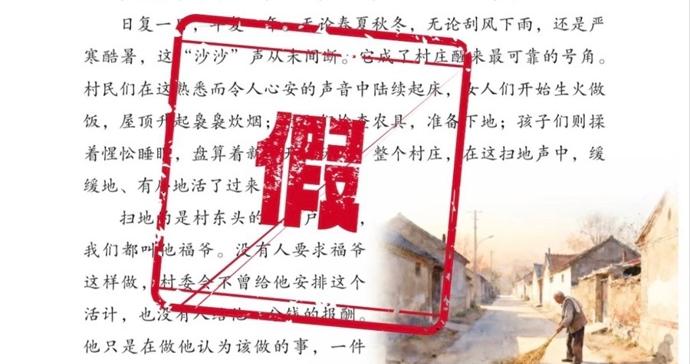
AI-Generated Text Falsely Attributed to Liu Liangcheng Nearly Published in Educational Materials

Thumbnail Image

The information displayed in the AIM should not be reported as representing the official views of the OECD or of its member countries.

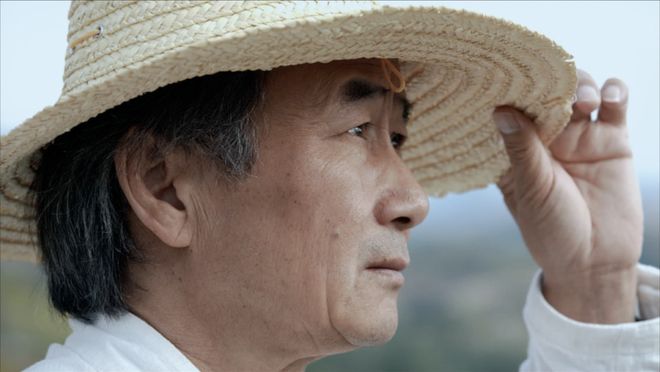
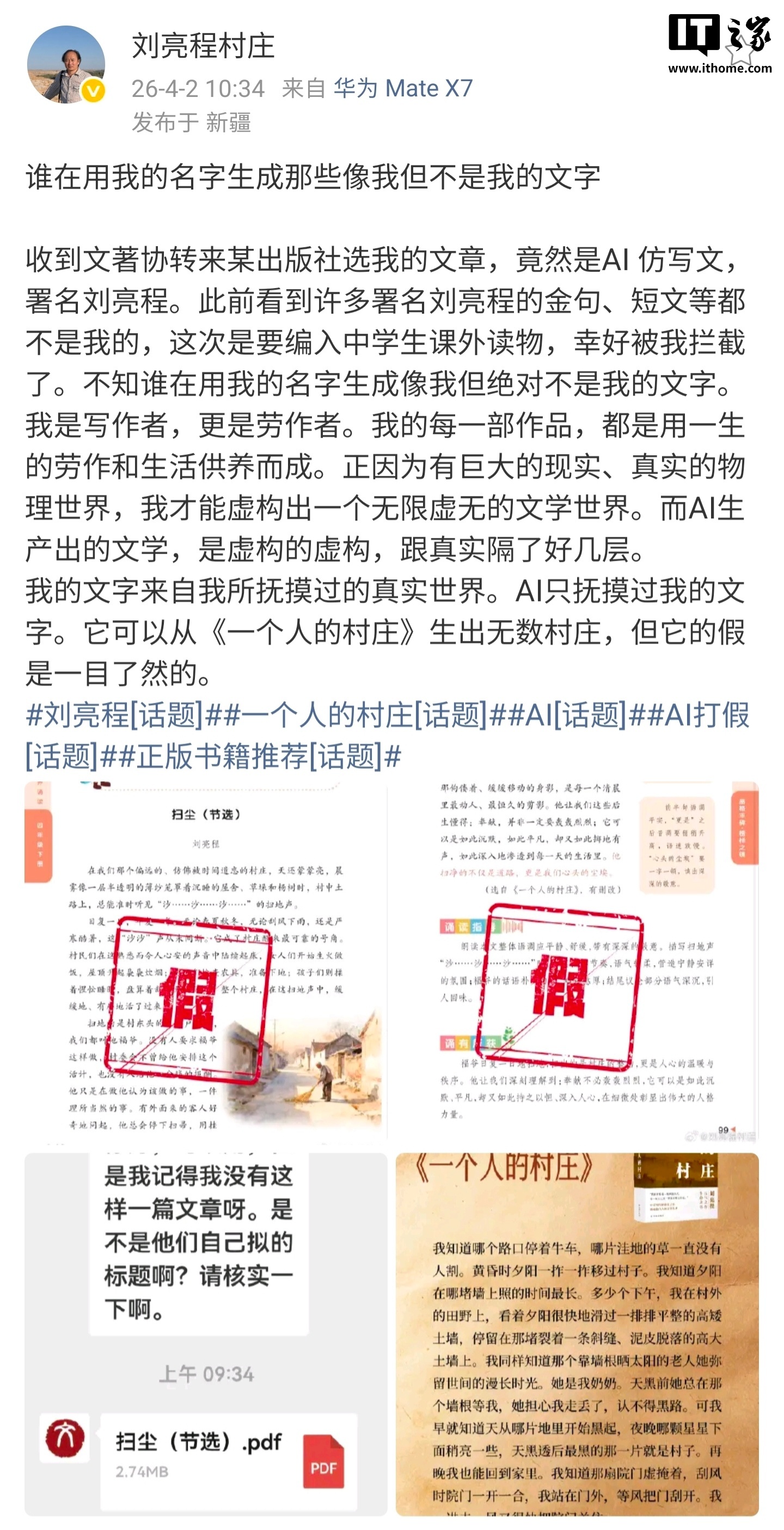
Chinese author Liu Liangcheng discovered an AI-generated article mimicking his style, falsely attributed to him, was nearly published in a student textbook. The incident highlights unauthorized use of AI to imitate copyrighted works, infringing on intellectual property and harming the author's reputation and labor. Liu called for legal protections.[AI generated]

Why's our monitor labelling this an incident or hazard?

An AI system was used to generate a text falsely attributed to a known author, which constitutes a violation of intellectual property rights and misrepresentation. This misuse of AI has directly led to harm by infringing on the author's rights and potentially misleading readers, fitting the definition of an AI Incident under violations of intellectual property rights. The event is not merely a potential risk but an actual occurrence of harm due to AI-generated content being passed off as genuine work and nearly published in educational materials.[AI generated]
AI principles
Privacy & data governanceTransparency & explainability

Industries
Education and training

Affected stakeholders
Workers

Harm types
ReputationalEconomic/Property

Severity
AI incident

AI system task:
Content generation


Articles about this incident or hazard

Thumbnail Image

AI仿写文"差点进了学生读物,作家刘亮程下场打假

2026-04-02
China News
Why's our monitor labelling this an incident or hazard?
An AI system was used to generate a text falsely attributed to a known author, which constitutes a violation of intellectual property rights and misrepresentation. This misuse of AI has directly led to harm by infringing on the author's rights and potentially misleading readers, fitting the definition of an AI Incident under violations of intellectual property rights. The event is not merely a potential risk but an actual occurrence of harm due to AI-generated content being passed off as genuine work and nearly published in educational materials.
Thumbnail Image

AI仿文险入教辅,专访茅盾文学奖得主刘亮程:我们用一生形成的风格,不该被技术这样漠视和伤害!

2026-04-04
每日经济新闻
Why's our monitor labelling this an incident or hazard?
The event involves the use of AI systems to generate imitative literary content based on the author's copyrighted works without authorization, which directly harms the author's intellectual property rights and labor. The AI-generated content's near inclusion in educational materials further amplifies the harm by potentially misleading readers and diluting the author's original work. The article explicitly discusses the unauthorized use of the author's works for AI training and the resulting proliferation of AI-generated imitations, fulfilling the criteria for an AI Incident under violations of intellectual property rights and harm to communities (readers and literary culture).
Thumbnail Image

AI仿写文,险些进入教辅!茅盾文学奖得主刘亮程紧急打假:越是知名作家,被AI仿写就越严重,从盗版书到AI,作家权益一直被侵害 2026-04-04 17:45

2026-04-04
每日经济新闻
Why's our monitor labelling this an incident or hazard?
The article explicitly mentions AI-generated imitative writing (AI仿写) that mimics the style of a well-known author without authorization, constituting a violation of intellectual property rights. This unauthorized AI use has directly harmed the author by flooding the market with fake content, infringing on copyright, and potentially misleading readers and publishers. The harm is realized, not just potential, as the AI-generated content was nearly included in official educational materials. Therefore, this qualifies as an AI Incident due to the direct link between AI misuse and violation of intellectual property rights (a form of harm under the framework).
Thumbnail Image

茅奖得主刘亮程在线打假,称自己被AI仿写的文章差点进了教辅

2026-04-02
app.myzaker.com
Why's our monitor labelling this an incident or hazard?
An AI system was used to generate text mimicking Liu Liangcheng's style without authorization, which was then nearly published under his name in educational materials. This misuse of AI directly leads to a violation of intellectual property rights and harms the author's reputation and labor. The event describes actual harm caused by AI-generated content, meeting the criteria for an AI Incident under violations of intellectual property rights and harm to communities through misinformation or misattribution.
Thumbnail Image

作家刘亮程下场打假"AI仿写文

2026-04-02
k.sina.com.cn
Why's our monitor labelling this an incident or hazard?
The event involves an AI system generating text falsely attributed to a real author, which constitutes a violation of intellectual property rights and harms the author's reputation and labor. The AI system's use in this way has directly or indirectly led to harm as defined by the framework. The article explicitly states the AI-generated text is not the author's work and that this misuse has caused harm. Hence, it meets the criteria for an AI Incident rather than a hazard or complementary information.
Thumbnail Image

茅奖得主刘亮程打假,从AI盗脸到AI伪文,伪文化工业当休!

2026-04-02
k.sina.com.cn
Why's our monitor labelling this an incident or hazard?
The event explicitly involves an AI system generating a fake article falsely attributed to Liu Liangcheng, which was almost published in student reading materials. This misuse of AI-generated content infringes on the author's intellectual property rights and misleads the public, particularly students, thus harming cultural and educational integrity. The harm is direct and realized, as the fake article was identified and prevented from publication, showing the AI's role in causing the incident. The event also highlights broader societal concerns about AI misuse in cultural production and calls for legal regulation, reinforcing the classification as an AI Incident.
Thumbnail Image

作家刘亮程打假了一篇AI仿写文,但下一篇呢?

2026-04-02
k.sina.com.cn
Why's our monitor labelling this an incident or hazard?
The article explicitly mentions AI-generated text imitating the author's style and being falsely attributed to him, which constitutes a misuse of AI in literary creation. This has directly led to harm in terms of intellectual property violation and potential harm to students' literary education by exposing them to inauthentic content. The AI system's involvement is clear and the harm is realized, meeting the criteria for an AI Incident under violations of intellectual property rights and harm to communities (students and readers).
Thumbnail Image

作家刘亮程亲自下场打假"AI刘亮程"

2026-04-02
新浪财经
Why's our monitor labelling this an incident or hazard?
The event involves the use of an AI system to generate a text falsely attributed to a living author, Liu Liangcheng, without his consent. This unauthorized AI-generated content infringes on the author's intellectual property rights and causes harm to his reputation and creative labor. The harm is realized, not just potential, as the AI-generated text is being used by a publisher as if it were the author's original work. Therefore, this qualifies as an AI Incident due to violation of intellectual property rights and harm to the author.
Thumbnail Image

AI仿文险入教辅,专访茅盾文学奖得主刘亮程:我们用一生形成的风格,不该被技术这样漠视和伤害!

2026-04-04
k.sina.com.cn
Why's our monitor labelling this an incident or hazard?
The event explicitly involves AI systems generating imitative literary content based on the author's protected works without authorization, which directly leads to harm in the form of copyright infringement and violation of intellectual property rights. The AI-generated content has been disseminated and even included in educational materials, causing real harm to the author and potentially to readers. The AI's role in creating unauthorized derivative works is pivotal to the harm described. Therefore, this qualifies as an AI Incident under the framework, specifically under violations of intellectual property rights.
Thumbnail Image

AI仿写文,险些进入教辅!茅盾文学奖得主刘亮程紧急打假:越是知名作家,被AI仿写就越严重,从盗版书到AI,作家权益一直被侵害

2026-04-04
新浪财经
Why's our monitor labelling this an incident or hazard?
The event involves the use of AI systems to generate imitative literary content based on the author's copyrighted works without authorization, which directly infringes on the author's intellectual property rights. The AI-generated content has been mistaken for the author's original work and nearly included in educational materials, demonstrating actual harm. The article explicitly discusses the unauthorized use of the author's works in AI training and the resulting proliferation of AI-generated imitations, which harms the author's rights and the integrity of literary content. This fits the definition of an AI Incident as it involves realized harm (violation of intellectual property rights) caused by the use of AI systems.
Thumbnail Image

AI 仿文险入中学生课外读物,茅盾文学奖得主刘亮程打假

2026-04-04
新浪财经
Why's our monitor labelling this an incident or hazard?
An AI system was used to generate literary content imitating the author Liu Liangcheng without his consent, and this content was about to be published as if authored by him. This directly implicates the AI system's use in violating intellectual property rights and misrepresenting authorship, causing harm to the author's rights and reputation. Therefore, this qualifies as an AI Incident due to the realized harm from unauthorized AI-generated content infringing on copyright and authorship rights.
Thumbnail Image

光明日报:AI仿作险进中学生课外读物,何尝不是一种倒逼?

2026-04-06
新浪财经
Why's our monitor labelling this an incident or hazard?
The event involves AI systems generating text and images that imitate human creators, leading to unauthorized use and potential intellectual property violations. While these issues represent a clear violation of rights and harm to creators, the article primarily focuses on raising awareness, discussing the challenges, and suggesting legal and societal responses rather than reporting a concrete incident of harm that has already occurred. Therefore, it fits best as Complementary Information, providing context and highlighting the need for protective measures against AI-related harms rather than documenting a specific AI Incident or AI Hazard.