AI-Powered Smart Glasses Enable Widespread Exam Cheating in China and Japan

Thumbnail Image

The information displayed in the AIM should not be reported as representing the official views of the OECD or of its member countries.

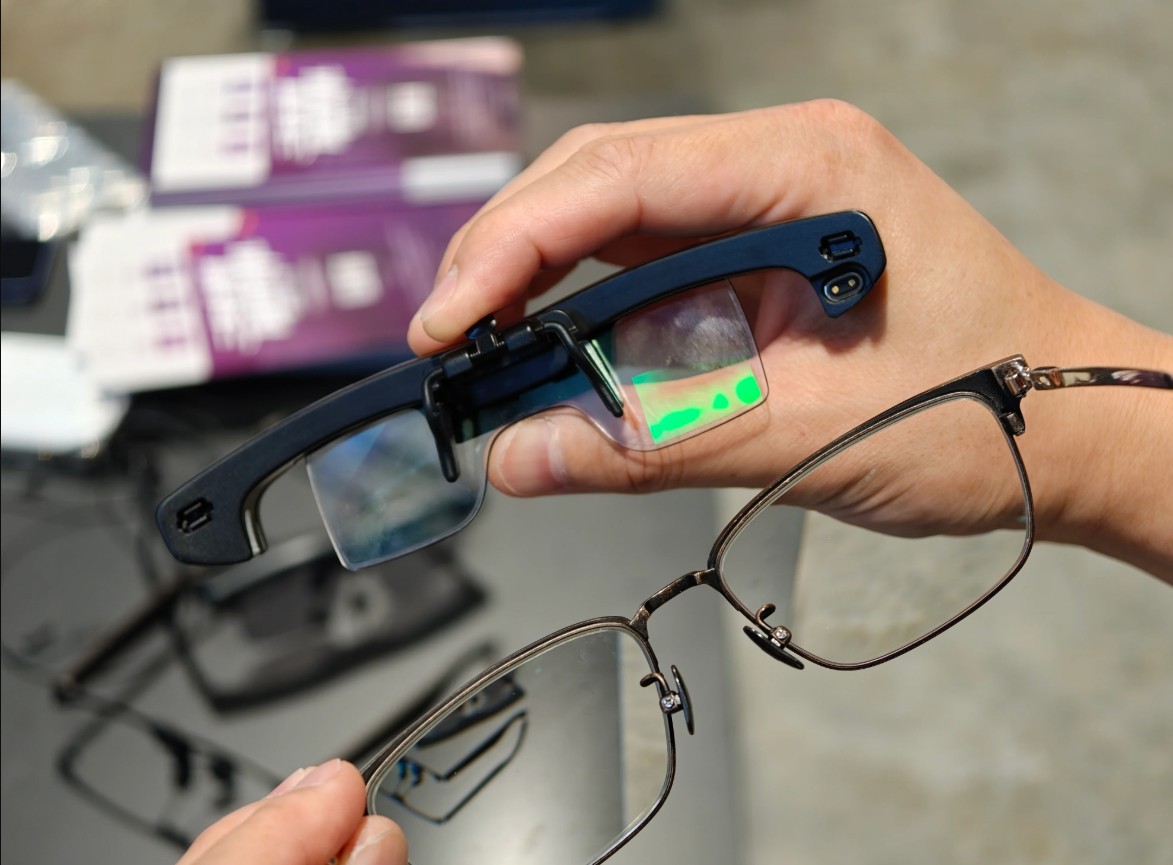
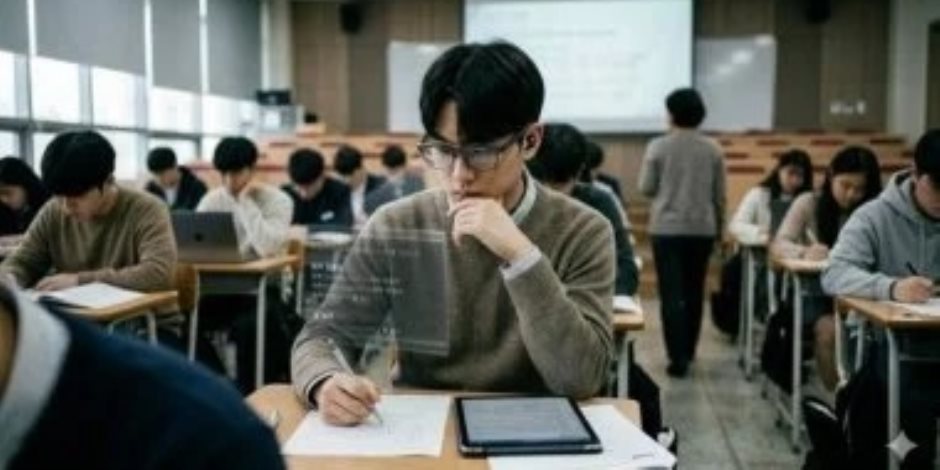
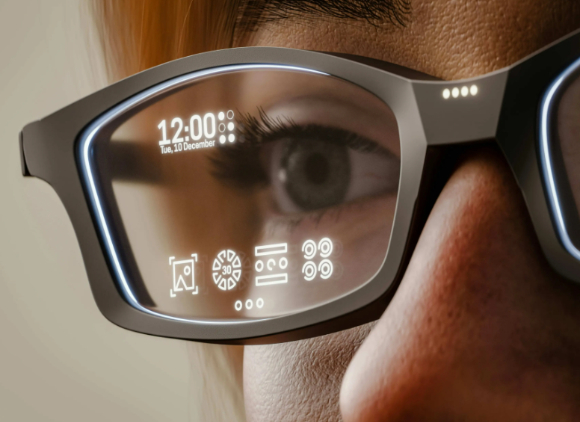
In China and Japan, students are using AI-integrated smart glasses to cheat during exams by scanning questions and receiving real-time answers. This misuse undermines academic integrity, with rental markets emerging and detection proving difficult due to the glasses' inconspicuous design. Authorities struggle to enforce bans and maintain fairness.[AI generated]

Why's our monitor labelling this an incident or hazard?

The event involves AI systems (AI smart glasses with real-time question analysis and answer display) being used to facilitate cheating during exams, which directly harms the fairness and integrity of educational assessments, a form of harm to communities and institutions. The misuse of AI in this way has already occurred and caused harm, meeting the criteria for an AI Incident rather than a hazard or complementary information.[AI generated]
AI principles
FairnessAccountability

Industries
Education and training

Affected stakeholders
General public

Harm types
ReputationalPublic interest

Severity
AI incident

AI system task:
Recognition/object detectionContent generation


Articles about this incident or hazard

Thumbnail Image

"시험지만 봐도 답이 줄줄"⋯'스마트 안경' 이용 실시간 부정행위 확산

2026-04-06
아이뉴스24
Why's our monitor labelling this an incident or hazard?
The event involves AI systems (AI smart glasses with real-time question analysis and answer display) being used to facilitate cheating during exams, which directly harms the fairness and integrity of educational assessments, a form of harm to communities and institutions. The misuse of AI in this way has already occurred and caused harm, meeting the criteria for an AI Incident rather than a hazard or complementary information.
Thumbnail Image

이 안경 썼더니 92.5점"...중국·일본 시험장 번진 AI 부정행위

2026-04-06
서울신문
Why's our monitor labelling this an incident or hazard?
The event involves AI systems embedded in smart glasses that analyze exam questions and provide answers in real-time, facilitating cheating. This is a direct use of AI leading to harm by undermining the fairness and integrity of educational assessments, which affects communities and institutions. The harm is realized, not just potential, as cheating incidents have been documented and scores improved significantly due to AI assistance. Hence, it meets the criteria for an AI Incident.
Thumbnail Image

"하루 만원"...빌려 쓰면 시험점수 '72점→92점', 안경 정체가 - 매일경제

2026-04-05
mk.co.kr
Why's our monitor labelling this an incident or hazard?
The event involves AI systems embedded in smart glasses that analyze exam questions and provide answers in real time, enabling cheating. This use of AI directly leads to harm by violating academic integrity and legal frameworks governing examinations. The harm is realized and ongoing, as evidenced by bans on such devices and reports of widespread use and rental markets. Hence, it meets the criteria for an AI Incident due to direct harm caused by AI system use.
Thumbnail Image

"정답 다 보인다" 中 대학가, AI 안경 이용한 부정행위 확산

2026-04-05
First-Class 경제신문 파이낸셜뉴스
Why's our monitor labelling this an incident or hazard?
The event involves the use of an AI system (smart glasses linked to AI for real-time problem solving) in a way that directly leads to harm—undermining exam fairness and academic integrity. The AI system's use in cheating is a clear violation of ethical norms and potentially legal frameworks protecting educational rights, thus constituting harm to communities and a breach of obligations. The article reports that this cheating is actively occurring and spreading, confirming realized harm rather than potential harm. Hence, it meets the criteria for an AI Incident.
Thumbnail Image

문제 보면 답 뜬다...中 대학가, 'AI 안경 커닝'에 몸살

2026-04-05
아시아경제
Why's our monitor labelling this an incident or hazard?
The event involves AI systems (smart glasses with AI models) used in a way that directly causes harm by enabling cheating in exams, which is a violation of institutional rules and harms the integrity of educational communities. The AI system's use in this context is a direct cause of the harm described. Therefore, this qualifies as an AI Incident under the framework, as it involves realized harm caused by the use of AI systems.
Thumbnail Image

"이거 써, 그럼 성적 팍 올라"... 中대학가 AI치팅 기승

2026-04-05
국민일보
Why's our monitor labelling this an incident or hazard?
The event involves the use of an AI system (smart glasses linked to AI for real-time question analysis and answer provision) in a way that directly causes harm by enabling cheating in exams. This undermines fairness and trust in educational institutions, which is a form of harm to communities and a violation of ethical and possibly legal standards. Therefore, this qualifies as an AI Incident because the AI system's use has directly led to harm.
Thumbnail Image

AI 연동한 안경 쓰고 시험을?...中 대학가 '비상'

2026-04-06
데일리안
Why's our monitor labelling this an incident or hazard?
The article explicitly mentions AI systems integrated into smart glasses used to interpret exam questions and provide answers during tests, which is a direct misuse of AI technology. This misuse leads to harm by undermining academic fairness and integrity, affecting other students and the educational environment. The harm is realized and ongoing, not merely potential. Hence, the event meets the criteria for an AI Incident due to the direct involvement of AI in causing harm through cheating and violation of rights within the academic community.