Chilean Legislative Proposal Sparks Copyright Concerns Over AI Data Use

Thumbnail Image

The information displayed in the AIM should not be reported as representing the official views of the OECD or of its member countries.

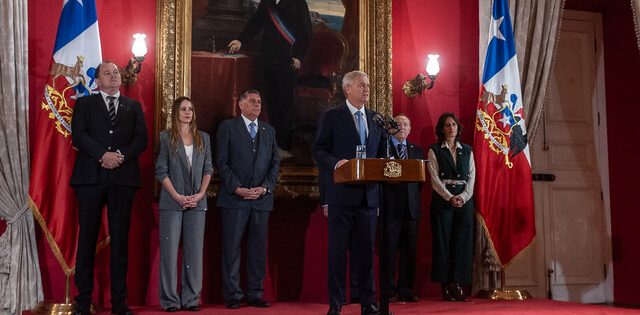
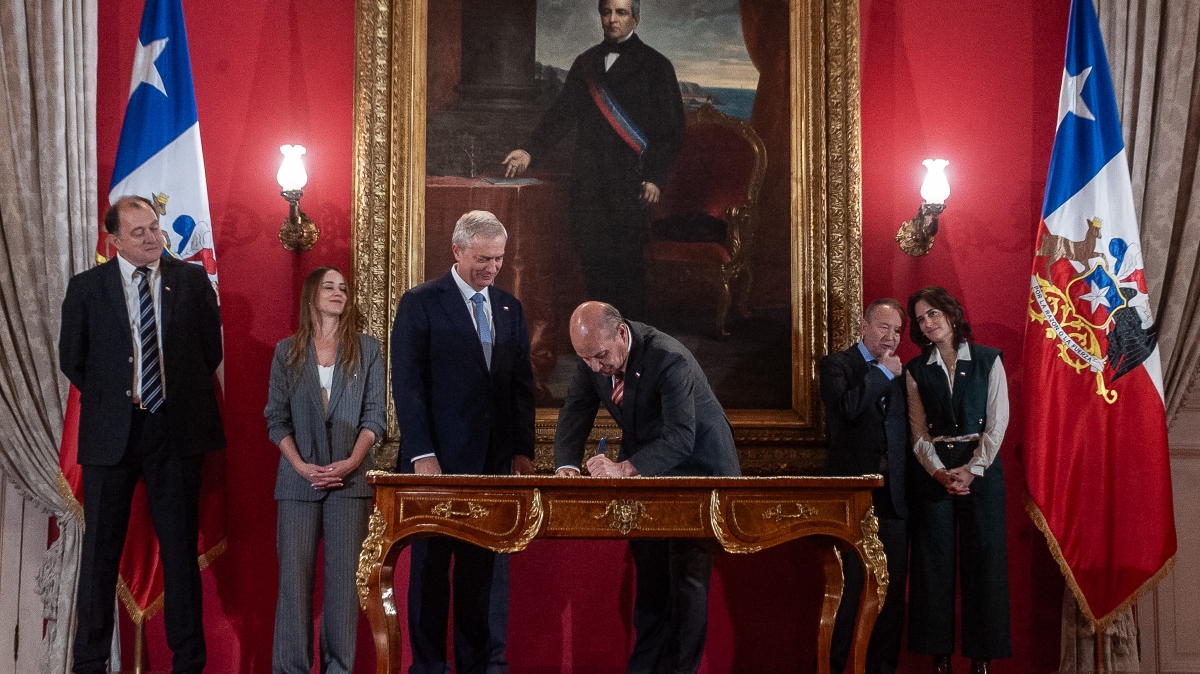
The Chilean government proposed a law allowing AI systems to use large volumes of copyrighted content without authorization or compensation for data mining and training. Media organizations and creators warn this could undermine intellectual property rights and threaten journalism’s economic base, urging the article’s withdrawal or revision.[AI generated]

Why's our monitor labelling this an incident or hazard?

The event involves the development and use of AI systems through data mining of copyrighted works without authorization, which is a direct factor in enabling AI functionality. However, the article focuses on the legal change and expert concerns about its broad and ambiguous scope, which could plausibly lead to violations of intellectual property rights in the future. There is no indication that harm has already occurred, only that the law could lead to such harm if not properly balanced. Therefore, this constitutes an AI Hazard rather than an AI Incident or Complementary Information.[AI generated]

AI principles
AccountabilityRespect of human rights

Industries
Media, social platforms, and marketing

Affected stakeholders
Business

Harm types
Economic/PropertyPublic interest

Severity
AI hazard


Articles about this incident or hazard

Thumbnail Image

"Amplia y ambigua": experto ante controversia por norma que debilita la propiedad intelectual

2026-04-23
BioBioChile
Why's our monitor labelling this an incident or hazard?
The event involves the development and use of AI systems through data mining of copyrighted works without authorization, which is a direct factor in enabling AI functionality. However, the article focuses on the legal change and expert concerns about its broad and ambiguous scope, which could plausibly lead to violations of intellectual property rights in the future. There is no indication that harm has already occurred, only that the law could lead to such harm if not properly balanced. Therefore, this constitutes an AI Hazard rather than an AI Incident or Complementary Information.
Thumbnail Image

El artículo sobre Inteligencia Artificial que propone el proyecto de Kast y que replica, sin cambios, propuesta de Boric - La Tercera

2026-04-22
LA TERCERA
Why's our monitor labelling this an incident or hazard?
The article centers on a legislative proposal that would permit AI systems to use copyrighted content without authorization, which could plausibly lead to violations of intellectual property rights and harm to content creators. However, the proposal is still under discussion and has not yet been enacted or resulted in any direct harm. Thus, the event fits the definition of an AI Hazard, as it describes a credible risk of future harm stemming from AI system use enabled by the proposed legal change, but no actual AI Incident has occurred yet.
Thumbnail Image

Ley Miscelánea: Asociación Nacional de Prensa alerta por impacto de norma sobre IA en el periodismo

2026-04-22
El Mostrador
Why's our monitor labelling this an incident or hazard?
The article explicitly involves AI systems in the context of data mining and copyright exceptions, which could plausibly lead to harm to intellectual property rights and economic harm to journalism. The harm is not yet realized but is a credible risk due to the legislative change allowing AI systems to use protected content without authorization or compensation. There is no report of actual harm or misuse yet, only warnings and requests for legislative changes. Thus, it fits the definition of an AI Hazard rather than an AI Incident or Complementary Information.
Thumbnail Image

Megarreforma de Kast replica textualmente una disposición de Boric sobre Inteligencia Artificial que fue rechazada en el Congreso

2026-04-23
The Clinic - Reportajes, noticias, podcast, videos y humor
Why's our monitor labelling this an incident or hazard?
The article discusses a legislative measure that would permit large-scale use of copyrighted works for AI training without authorization or compensation, which could plausibly lead to violations of intellectual property rights and economic harm to media organizations. However, no actual harm or incident has yet occurred, and the focus is on the potential consequences and policy debate. The AI system involvement is inferred from the mention of automated systems and AI generative models using the content. Since the harm is potential and not realized, this qualifies as an AI Hazard rather than an AI Incident. It is not Complementary Information because it is not an update or response to an existing incident, nor is it unrelated as it directly concerns AI and its legal framework.
Thumbnail Image

La Asociación Nacional de la Prensa pide al Ejecutivo retirar artículo que vulnera los derechos de autor | Diario Financiero

2026-04-22
Diario Financiero
Why's our monitor labelling this an incident or hazard?
The article discusses a legislative proposal that would allow AI systems to use copyrighted journalistic content without authorization or compensation, which could lead to violations of intellectual property rights and economic harm to the press. Although the AI system's involvement is clear (use of AI for text and data mining), the harm is potential and contingent on the law being enacted and applied. No actual harm or incident has yet occurred. Therefore, this is an AI Hazard because it plausibly could lead to an AI Incident involving copyright violations and harm to the journalism community. The article is not merely general AI news nor a response to a past incident, so it is not Complementary Information. It is not unrelated because it directly concerns AI systems and their legal use impacting rights.
Thumbnail Image

Expertos y ANP alertan que artículo que suma una excepción a la Ley de Propiedad Intelectual afectará los derechos de autor de la prensa | Diario Financiero

2026-04-23
Diario Financiero
Why's our monitor labelling this an incident or hazard?
The event involves AI systems indirectly because the exception would enable large-scale use of journalistic content for AI training purposes. The article centers on the potential future harm to intellectual property rights and the press's ability to control their content, which could plausibly lead to violations of intellectual property rights if the law is passed as proposed. Since no realized harm or incident has occurred yet, but there is a credible risk of future harm due to the AI-related legal exception, this qualifies as an AI Hazard rather than an AI Incident. The article does not describe a current incident or harm but warns about plausible future impacts related to AI system development and use.
Thumbnail Image

Propiedad Intelectual: la polémica norma del Gobierno que permite usar contenido sin licencias

2026-04-23
Ex-Ante
Why's our monitor labelling this an incident or hazard?
The article discusses a government proposal that would permit the use of large volumes of copyrighted content without licenses for AI training and other data analysis, which could plausibly lead to violations of intellectual property rights if enacted and applied. Although no actual harm has been reported yet, the potential for significant harm to rights holders and the creative industry is credible and directly linked to AI system development and use. Hence, this qualifies as an AI Hazard rather than an AI Incident or Complementary Information, as the harm is potential and tied to AI-related data use.
Thumbnail Image

Gremios rechazan artículo de Ley Miscelánea que introduce cambios en propiedad intelectual

2026-04-23
BioBioChile
Why's our monitor labelling this an incident or hazard?
The event involves AI systems indirectly, as the proposed law would permit AI systems to use copyrighted content without authorization for data analysis. However, no actual harm has occurred yet; the article focuses on the potential legal and rights implications of this legislative change. This fits the definition of a potential risk or hazard that could plausibly lead to violations of intellectual property rights if implemented, but it is not an incident since no harm has materialized. It is not merely complementary information because the main focus is on the potential legal change and its implications, not on updates or responses to past incidents. Therefore, the event is best classified as an AI Hazard.
Thumbnail Image

SCD rechaza artículo del proyecto de reconstrucción que permitiría uso de obras por IA sin autorización: "Es absolutamente inaceptable"

2026-04-24
ADN Radio 91.7 Chile
Why's our monitor labelling this an incident or hazard?
The article discusses a proposed legal change that could plausibly lead to violations of intellectual property rights through AI use of protected works without consent. However, since the law has not been enacted and no actual unauthorized use or harm has been reported, this constitutes a potential future harm rather than a realized incident. Therefore, this event qualifies as an AI Hazard because it involves the plausible risk of AI-related rights violations if the proposal passes.
Thumbnail Image

Gobierno explica por qué se incluyó norma sobre propiedad intelectual en uso de IA en el proyecto de Reconstrucción

2026-04-23
T13 (teletrece)
Why's our monitor labelling this an incident or hazard?
The article discusses a legislative proposal related to AI and intellectual property rights, highlighting concerns about potential legal and rights violations. Since no actual harm or incident has occurred yet, and the discussion centers on the potential implications and policy debate, this qualifies as Complementary Information. It provides context and updates on governance and societal responses to AI-related legal issues but does not describe an AI Incident or AI Hazard.
Thumbnail Image

UNA y SCD rechazan Proyecto de Reconstrucción Nacional por afectar derechos de propiedad intelectual

2026-04-23
El Mostrador
Why's our monitor labelling this an incident or hazard?
The article centers on a legislative proposal that would permit AI systems to use copyrighted material without authorization, which could lead to violations of intellectual property rights if enacted. This represents a credible potential risk (AI Hazard) because it could plausibly lead to harm to creators' rights through AI use. However, since no actual harm or incident involving AI systems has yet occurred or been reported, and the focus is on the potential impact of the law, the event is best classified as an AI Hazard rather than an AI Incident. It is not Complementary Information because it is not an update or response to a past incident, nor is it unrelated since it directly concerns AI and intellectual property rights.
Thumbnail Image

"Es absolutamente inaceptable": SCD se suma a las críticas contra el Plan de Reconstrucción y apuntan a norma que autoriza a la IA usar material sin autorización

2026-04-23
The Clinic - Reportajes, noticias, podcast, videos y humor
Why's our monitor labelling this an incident or hazard?
The event involves an AI system's authorized use of protected material without consent, which is a direct link to intellectual property rights issues. Although no actual harm or incident has occurred yet, the legislative authorization creates a plausible risk of future harm to creators' rights due to AI use. The presence of AI is explicit in the authorization for AI tools to use protected works for data analysis. Since the event focuses on the potential for harm rather than a realized incident, it fits the definition of an AI Hazard rather than an AI Incident or Complementary Information. It is not unrelated because it directly concerns AI's legal use and its implications for rights holders.
Thumbnail Image

"Ley de Reconstrucción" de Kast sigue sumando detractores: SCD acusa vulneración a principios generales del Derecho de Autor en artículo sobre uso de la IA

2026-04-24
El Ciudadano
Why's our monitor labelling this an incident or hazard?
The article discusses a legislative proposal that would permit AI systems to use copyrighted material without authorization, which could plausibly lead to violations of intellectual property rights, a recognized harm under the framework. Since the harm is potential and no incident of actual harm is reported, this qualifies as an AI Hazard. The AI system involvement is clear as the law concerns AI tools' use of protected content. Therefore, the event is best classified as an AI Hazard due to the credible risk of future harm to authors' rights from AI use under the proposed law.
Thumbnail Image

Gremios de la música y la prensa rechazan artículo del proyecto de reconstrucción que vulnera la propiedad intelectual

2026-04-23
102.5 FM, Radio Universidad de Chile
Why's our monitor labelling this an incident or hazard?
The article centers on a legislative proposal that would permit AI systems to use copyrighted works without authorization, potentially violating intellectual property rights. While the AI systems involved are those used for data mining and analysis, the harm is not yet realized but could plausibly occur if the law passes. This fits the definition of an AI Hazard, as it is a circumstance where AI use could plausibly lead to a breach of intellectual property rights, a recognized harm category. There is no indication of actual harm or incident yet, so it is not an AI Incident. The article is not merely complementary information since it focuses on the potential legal and societal impact of the proposal, nor is it unrelated.