AI-Enabled Defense Systems and Autonomous Military Robots Deployed and Developed Globally

Thumbnail Image

The information displayed in the AIM should not be reported as representing the official views of the OECD or of its member countries.

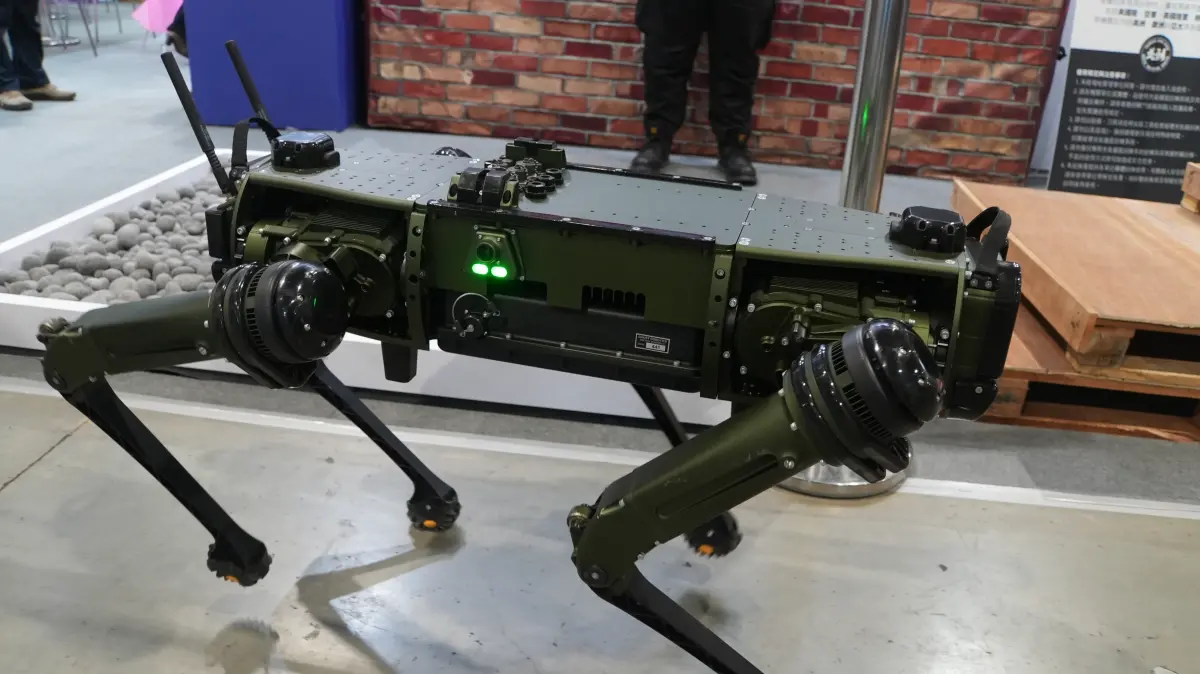
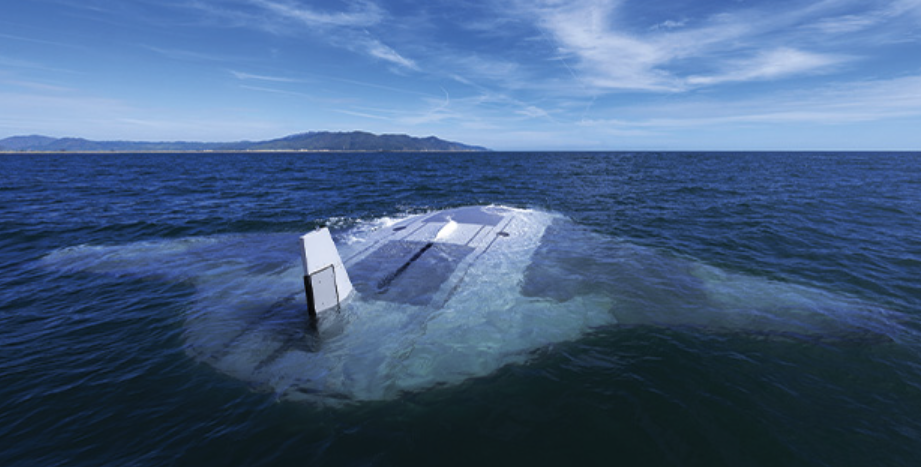
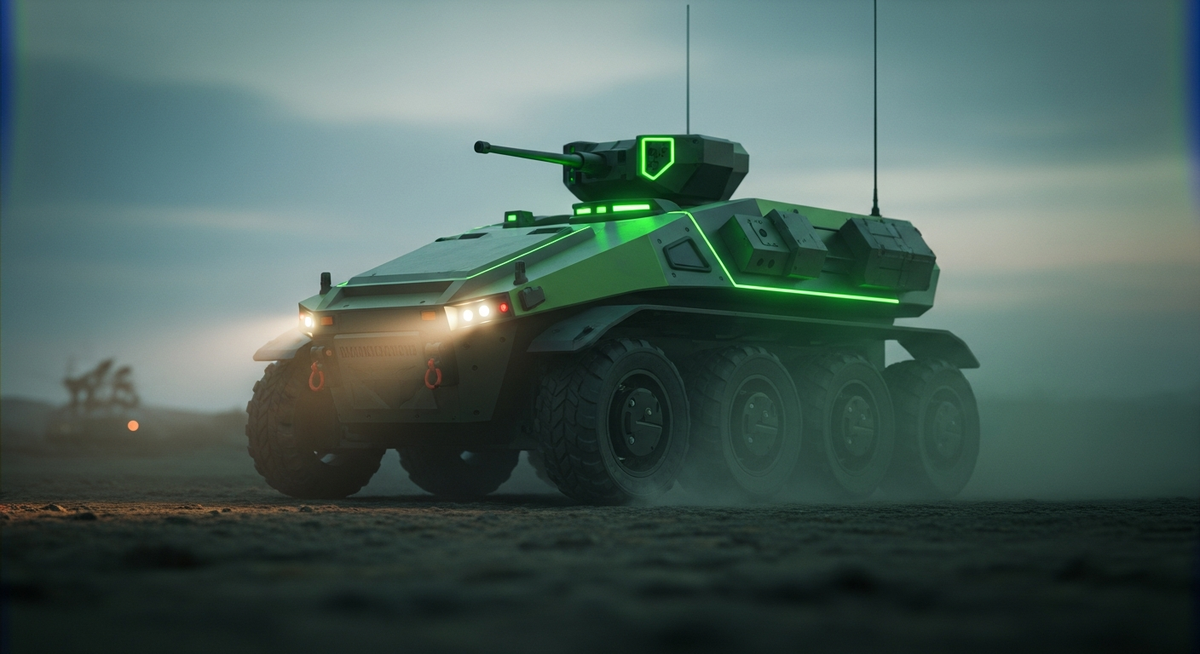
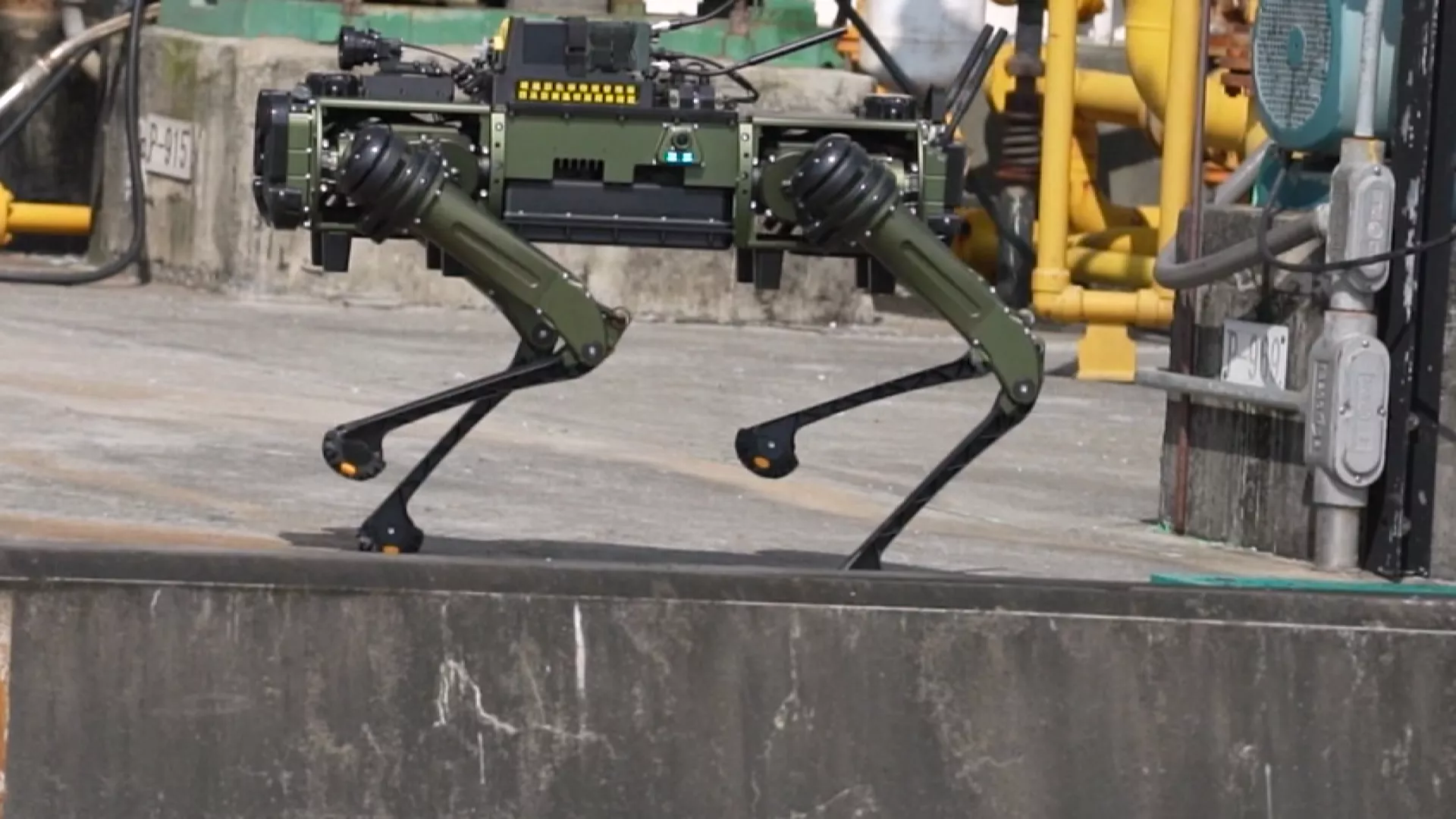
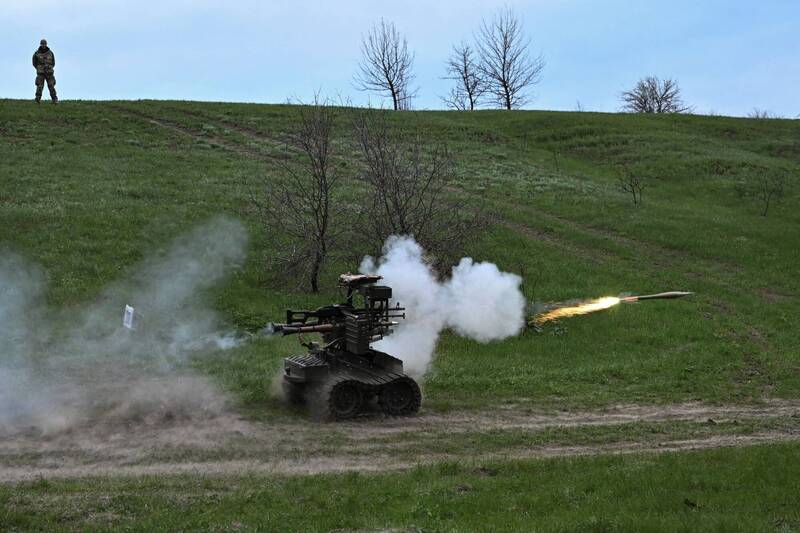
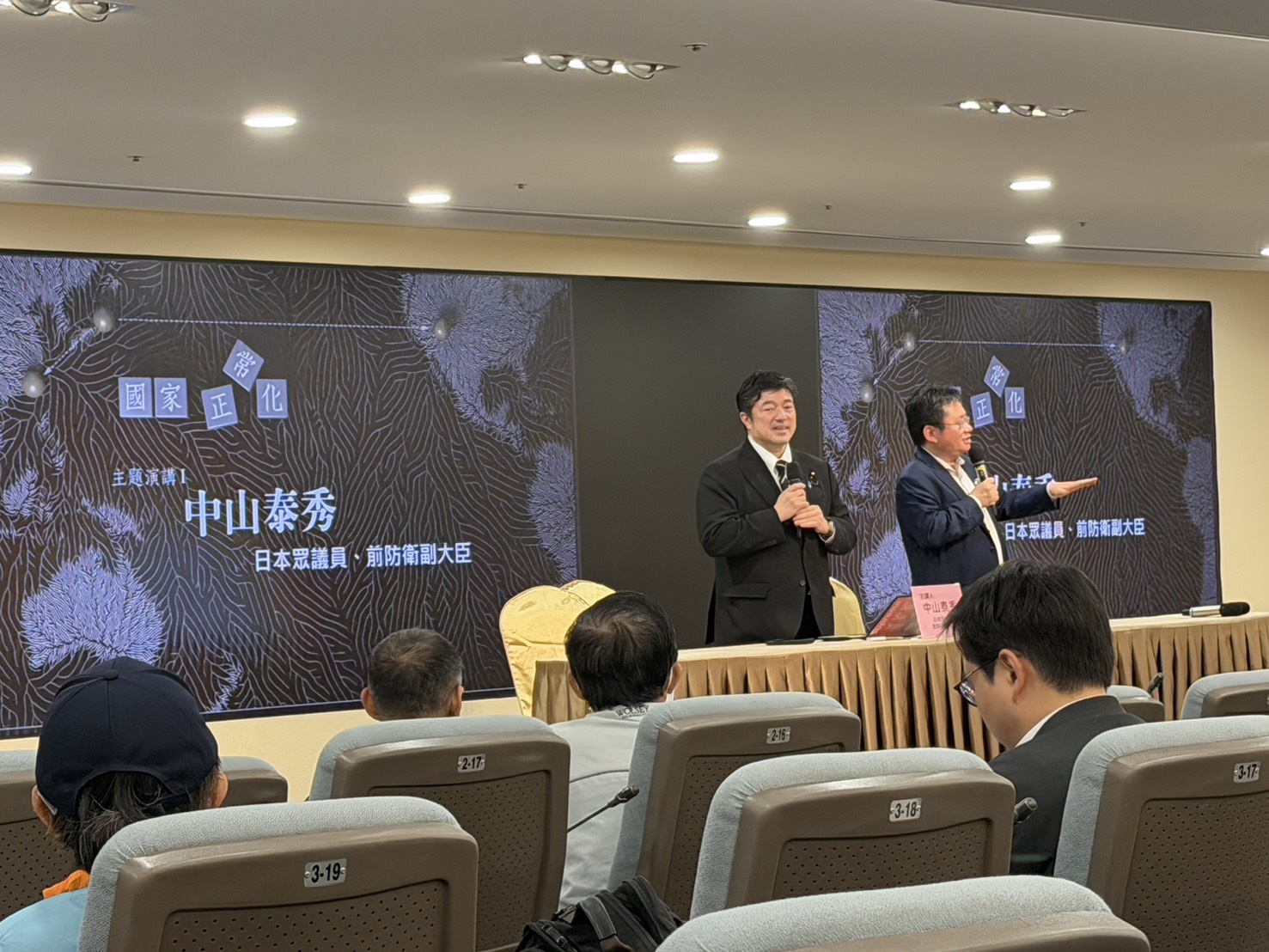
Multiple countries are advancing AI-driven military technologies: Taiwan deploys AI-based drone countermeasures and plans AI-integrated robot dogs; Ukraine expands frontline use of unmanned ground vehicles for logistics and high-risk tasks; the US and Japan collaborate on dual-use drones; and DARPA seeks AI-powered expendable underwater drones, raising potential risks of future harm.[AI generated]

Why's our monitor labelling this an incident or hazard?

The article explicitly mentions AI integration in autonomous military unmanned systems and their planned use in offensive and defensive operations. Although no actual harm or incident is described, the nature of these AI systems and their military application plausibly could lead to significant harm, such as injury or disruption in conflict scenarios. The event concerns the development and intended use of AI systems with high potential for misuse or malfunction, fitting the definition of an AI Hazard rather than an Incident or Complementary Information. It is not unrelated because AI systems are central to the described technologies and their risks.[AI generated]
AI principles
Respect of human rightsSafety

Industries
Government, security, and defence

Affected stakeholders
General public

Harm types
Physical (death)Physical (injury)Human or fundamental rights

Severity
AI hazard

AI system task:
Recognition/object detectionGoal-driven organisation


Articles about this incident or hazard

Thumbnail Image

除了無人機、無人艇 國防部:將導入無人機器狗 | 聯合新聞網

2026-04-25
UDN
Why's our monitor labelling this an incident or hazard?
The article explicitly mentions AI integration in autonomous military unmanned systems and their planned use in offensive and defensive operations. Although no actual harm or incident is described, the nature of these AI systems and their military application plausibly could lead to significant harm, such as injury or disruption in conflict scenarios. The event concerns the development and intended use of AI systems with high potential for misuse or malfunction, fitting the definition of an AI Hazard rather than an Incident or Complementary Information. It is not unrelated because AI systems are central to the described technologies and their risks.
Thumbnail Image

國防部推創新小組 將編列預算籌劃21萬架無人機 | 聯合新聞網

2026-04-27
UDN
Why's our monitor labelling this an incident or hazard?
The article explicitly involves AI systems integrated into military drones and unmanned vehicles with autonomous capabilities. Although no harm has yet occurred, the large-scale procurement and deployment of AI-enabled autonomous weapons and surveillance systems inherently carry plausible risks of causing injury, disruption, or other harms in future conflict situations. The event concerns the development and planned use of AI systems with significant potential for misuse or unintended consequences, fitting the definition of an AI Hazard rather than an Incident or Complementary Information. It is not unrelated because AI involvement is central to the described plans.
Thumbnail Image

國防部:新興科技發展方向 集中於AI、無人載具、通信資安 | 聯合新聞網

2026-04-26
UDN
Why's our monitor labelling this an incident or hazard?
The article explicitly mentions AI systems and autonomous unmanned vehicles being developed and deployed for military purposes, including autonomous navigation without GPS and automated target identification. Although no actual harm or incident is reported, the nature of these AI-enabled military technologies and their scale (e.g., 210,000 drones) imply a credible risk of future harm such as injury, disruption, or rights violations. The event is about development and planned use, not a realized incident, so it fits the definition of an AI Hazard rather than an AI Incident. It is not merely complementary information because the focus is on the strategic development and acquisition of AI-enabled systems with inherent risk potential.
Thumbnail Image

軍民兩用技術邁向日美合作 首波目標鎖定無人機

2026-04-26
中時新聞網
Why's our monitor labelling this an incident or hazard?
The event involves the development and planned use of AI-enabled drones (an AI system) for military purposes, which could plausibly lead to significant harms such as injury, violations of rights, or harm to communities if deployed or exported. Since the article discusses plans and policy changes without reporting any realized harm, it fits the definition of an AI Hazard rather than an AI Incident. The AI system's involvement is in its development and intended use, with plausible future harm. Therefore, the classification is AI Hazard.
Thumbnail Image

不只買無人機!國防部擬導入機器狗 投入城鎮作戰偵察殲敵 | 政治快訊 | 要聞 | NOWnews今日新聞

2026-04-27
NOWnews 今日新聞
Why's our monitor labelling this an incident or hazard?
The event involves AI systems (AI-enabled quadruped robots and unmanned vehicles) intended for military use, which could plausibly lead to harm such as injury or death in combat, disruption, or violations of rights. Since the article focuses on the planned deployment and development without reporting any actual harm or malfunction, it constitutes a credible potential risk (hazard) rather than an incident. Therefore, it is classified as an AI Hazard due to the plausible future harm from the use of these AI-enabled military systems.
Thumbnail Image

軍民兩用技術邁向日美合作 首波目標鎖定無人機

2026-04-26
工商時報
Why's our monitor labelling this an incident or hazard?
The event involves the development and planned production of AI-enabled military drones, which are dual-use technologies with potential for lethal application. The AI system's involvement is inferred from the nature of modern drones requiring autonomous or AI-assisted navigation and targeting. The article highlights concerns about the possible future use of these drones in combat or their export to conflict zones, which could plausibly lead to injury, violations of rights, or other harms. Since no harm has yet occurred but the risk is credible and foreseeable, this event qualifies as an AI Hazard rather than an AI Incident. It is not merely complementary information because the focus is on the planned development and policy changes that could lead to harm, not on responses or updates to past incidents.
Thumbnail Image

顛覆未來海戰!美軍尋求「可消耗」水下無人機,以群體戰術壓倒對手

2026-04-27
TechNews 科技新報 | 市場和業內人士關心的趨勢、內幕與新聞
Why's our monitor labelling this an incident or hazard?
The event involves the development and intended use of AI systems (autonomous underwater vehicles with AI-driven autonomy) in a military context. While no actual harm has yet occurred, the deployment of such AI-enabled autonomous weapons systems could plausibly lead to significant harms, including escalation of military conflicts, harm to personnel, and disruption of critical infrastructure or environments. Therefore, this event constitutes an AI Hazard due to the credible risk posed by the development and potential use of these AI systems in warfare.
Thumbnail Image

美日將合作軍民兩用技術 第一階段重點:無人機 | 國際 | Newtalk新聞

2026-04-27
新頭殼 Newtalk
Why's our monitor labelling this an incident or hazard?
The event involves the development and planned use of drones, which are typically AI-enabled systems capable of autonomous or semi-autonomous operation. The collaboration aims to produce military-grade drones that could be used in conflict, posing a credible risk of harm. Since the article discusses plans and policy changes enabling export and production but does not report any realized harm yet, this constitutes an AI Hazard rather than an Incident. The AI system's involvement is in development and intended use, with plausible future harm from military deployment and export of lethal drones.
Thumbnail Image

為升電裝「雷盾無人機反制系統」強化空防 台灣科技「隱形防護罩」 | yam News

2026-04-27
蕃新聞
Why's our monitor labelling this an incident or hazard?
The event involves the use of an AI system in the defense domain, specifically for detecting and countering hostile drones. The AI system's use directly contributes to preventing harm by neutralizing drone threats, which if successful, would avoid injury, disruption, or damage. Since the AI system's deployment is actively preventing harm from drone attacks, this qualifies as an AI Incident due to the direct link between AI use and harm prevention in a security context. The article does not describe a malfunction or harm caused by the AI system itself, but the system's role is pivotal in managing a real threat scenario, thus fitting the AI Incident classification rather than a hazard or complementary information.
Thumbnail Image

戰場救命神車!美陸軍S-MET專案再升級 無人車扛補給重任 | yam News

2026-04-23
蕃新聞
Why's our monitor labelling this an incident or hazard?
The article explicitly discusses AI-enabled unmanned ground vehicles with autonomous navigation and remote control capabilities intended for battlefield logistics and casualty evacuation. Although no actual harm or incident is reported, the deployment of such AI systems in military operations inherently carries plausible risks of injury, disruption, or other harms if malfunction, misuse, or adversarial actions occur. The article focuses on the development and intended use of these AI systems, indicating a credible potential for future harm, thus fitting the definition of an AI Hazard rather than an Incident or Complementary Information.
Thumbnail Image

國防部建構無人載具大軍 中科院:建立機器狗非紅供應鏈

2026-04-27
公共電視
Why's our monitor labelling this an incident or hazard?
The article explicitly mentions AI-assisted integrated systems and robot dogs (four-legged robots) intended for reconnaissance and combat roles, which reasonably implies the use of AI systems for autonomous or semi-autonomous operations. The event concerns the development and procurement of these AI-enabled military systems, which could plausibly lead to harms such as injury or disruption in future military conflicts. No actual harm or incident is described, so it is not an AI Incident. The focus is on the potential future risks associated with these AI systems in military use, fitting the definition of an AI Hazard.
Thumbnail Image

烏軍擬部署2.5萬台機器人!前線運補、撤傷逐步改由機器執行 - 自由軍武頻道

2026-04-26
def.ltn.com.tw
Why's our monitor labelling this an incident or hazard?
The event involves the use and deployment of AI-enabled unmanned ground vehicles performing critical military logistics and high-risk tasks. While no direct harm is reported as having occurred due to malfunction or misuse of these AI systems, the deployment of such autonomous or remotely operated robotic systems in a conflict zone plausibly could lead to harm, including injury or death, disruption, or other significant harms if failures or misuse occur. Therefore, this situation represents a credible potential risk associated with AI systems in military operations, qualifying it as an AI Hazard rather than an AI Incident, since no actual harm from AI malfunction or misuse is described yet.
Thumbnail Image

綠委建議應引進日本武器 顧立雄苦笑:機會不大 | 聯合新聞網

2026-04-27
UDN
Why's our monitor labelling this an incident or hazard?
The article involves AI systems in the form of quadruped robots with autonomous capabilities and thermal imaging, which are being developed and potentially deployed for military use. However, there is no mention of any harm, malfunction, or misuse resulting from these AI systems. The discussion about the lack of technology transfer agreements with Japan and the innovation efforts are about future possibilities and current development status, not about incidents or hazards. Therefore, this event is best classified as Complementary Information, as it provides context and updates on AI-related military technology development and policy discussions without describing an AI Incident or AI Hazard.
Thumbnail Image

中國無人機席捲全球引憂 美日擬展開技術合作抗衡 | 兩岸 | 中央社 CNA

2026-04-27
Central News Agency
Why's our monitor labelling this an incident or hazard?
The article involves AI-related technology insofar as drones typically incorporate AI systems for autonomous or semi-autonomous operation, especially in military contexts. However, the article does not describe any realized harm or incident caused by AI systems or drones. Instead, it reports on the potential security risks and strategic responses, which constitute a plausible future risk scenario. Therefore, this event is best classified as an AI Hazard, as the development and proliferation of AI-enabled drones could plausibly lead to incidents involving harm in the future, but no direct or indirect harm has yet occurred as described in the article.
Thumbnail Image

日本召開修改國家安保戰略三文件會議 將大量生產無人機

2026-04-27
RFI
Why's our monitor labelling this an incident or hazard?
The article involves AI systems implicitly through the mention of drones, which in modern defense contexts typically incorporate AI for autonomous functions. The event concerns the development and planned use of AI-enabled military drones, which could plausibly lead to harms such as injury, disruption, or violations of rights if used in conflict. Since no actual harm or incident has occurred yet, but the event clearly indicates a credible risk of future harm from AI systems, it fits the definition of an AI Hazard rather than an AI Incident or Complementary Information. It is not unrelated because the AI system involvement and potential harm are central to the event.
Thumbnail Image

中國無人機席捲全球引憂,美日擬展開技術合作抗衡

2026-04-27
TechNews 科技新報 | 市場和業內人士關心的趨勢、內幕與新聞
Why's our monitor labelling this an incident or hazard?
The event involves AI systems in the form of small military drones that likely use AI for autonomous functions. The article centers on the potential threat these drones pose in warfare and the strategic cooperation to counter them, indicating a credible risk of future harm (e.g., injury, disruption, or violation of rights) from AI-enabled drone use. No actual harm or incident is reported, so it is not an AI Incident. The focus is on the plausible future harm and strategic response, not on updates or responses to past incidents, so it is not Complementary Information. Hence, the classification is AI Hazard.
Thumbnail Image

中國無人機席捲全球引憂 美日擬展開技術合作抗衡 | 大陸政經 | 兩岸 | 經濟日報

2026-04-27
Udnemoney聯合理財網
Why's our monitor labelling this an incident or hazard?
The article centers on the strategic and technological cooperation between the US and Japan to counter the threat posed by Chinese drones, which are likely AI-enabled or autonomous systems. The discussion is about the potential future harms these drones could cause in warfare and security contexts, making this an AI Hazard. There is no report of an actual AI Incident (no realized harm caused by AI systems), nor is the article primarily about responses to past incidents or complementary information. Therefore, the event is best classified as an AI Hazard due to the plausible future risks associated with the proliferation and use of AI-enabled drones in military conflicts.
Thumbnail Image

冠西電、富鴻網搶攻無人機防禦市場 切入警政署C-UAS採購案商機 | yam News

2026-04-27
蕃新聞
Why's our monitor labelling this an incident or hazard?
The article explicitly mentions AI components (AI image recognition, AI decision systems) integrated into counter-drone defense systems, which are AI systems by definition. The event concerns the development and procurement of these systems to address drone threats, which are recognized as potential harms to public safety and critical infrastructure. However, the article does not report any realized harm or incident caused by these AI systems or drones. Instead, it focuses on the potential and planned use of AI-enabled C-UAS to prevent harm. Thus, it fits the definition of an AI Hazard, where AI system use could plausibly lead to preventing or causing harm, but no incident has yet occurred.
Thumbnail Image

國防不能有破口 沈伯洋點名:退役軍人言行與中共無人機都是風險 | yam News

2026-04-27
蕃新聞
Why's our monitor labelling this an incident or hazard?
The article primarily covers policy discussions and strategic planning regarding AI integration in military drones and defense systems, emphasizing potential risks and the need for legal and technical measures. There is no description of an actual AI-related incident causing harm or disruption. The concerns about AI-enabled drones and retired military personnel's behavior represent plausible future risks but not realized incidents. Therefore, the event fits the definition of an AI Hazard, as it involves circumstances where AI system development and deployment could plausibly lead to harm, but no harm has yet occurred.
Thumbnail Image

台日美安全合作成焦點 中山泰秀:民主防線面臨認知戰與科技戰雙重挑戰 | yam News

2026-04-27
蕃新聞
Why's our monitor labelling this an incident or hazard?
The article explicitly mentions AI as part of emerging military and cognitive warfare threats that could rapidly become offensive capabilities, posing significant risks to regional security. This constitutes a plausible future harm scenario related to AI system development and use in military applications. Since no actual harm or incident has occurred yet, but the risk is credible and discussed as a strategic concern, the event fits the definition of an AI Hazard rather than an AI Incident or Complementary Information.