South Korea Deploys AI to Detect Fraudulent Health Insurance Claims

Thumbnail Image

The information displayed in the AIM should not be reported as representing the official views of the OECD or of its member countries.

South Korea's Ministry of Health and Welfare is introducing an AI-based system to detect fraudulent and improper health insurance claims. The initiative aims to prevent financial losses in the national health insurance system by enhancing investigations, increasing penalties, and improving claim monitoring using AI technology.[AI generated]

Why's our monitor labelling this an incident or hazard?

An AI system is explicitly mentioned as being developed and used to detect false workplace insurance subscribers, which directly leads to identifying and sanctioning fraudulent cases. The harm involved is financial harm to the insurance system and unfair burden distribution, which qualifies as harm to property and communities. Since the AI system's use directly leads to addressing this harm, this event qualifies as an AI Incident.[AI generated]
Industries
Healthcare, drugs, and biotechnologyGovernment, security, and defence

Severity
AI incident

Business function:
Monitoring and quality control

AI system task:
Event/anomaly detection


Articles about this incident or hazard

Thumbnail Image

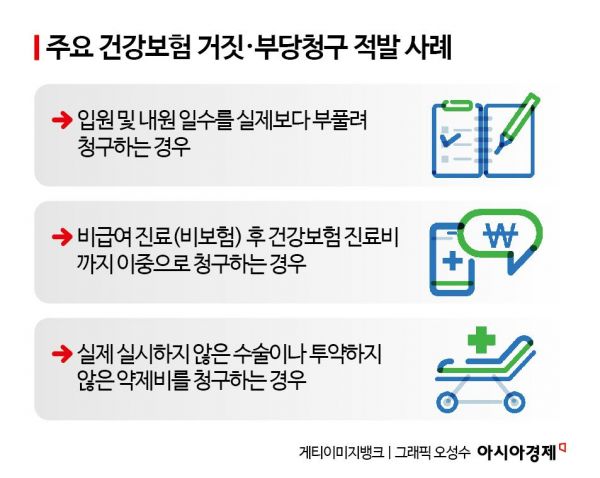
건강보험 재정 누수 막는다...거짓·부당 청구 관리 강화

2026-04-23
쿠키뉴스
Why's our monitor labelling this an incident or hazard?
The article explicitly mentions the introduction of an AI-based improper claims detection system as part of efforts to strengthen investigations and enforcement against fraudulent health insurance claims. This confirms the involvement of an AI system. However, there is no indication that the AI system caused any harm or malfunction, nor that it led to any incident or hazard. The focus is on the use of AI to prevent harm (financial loss) rather than causing it. The article also details policy and procedural improvements, which align with governance responses. Hence, it fits the definition of Complementary Information rather than an AI Incident or AI Hazard.
Thumbnail Image

복지부, 건강보험 부당청구에 '칼' 뺀다⋯과징금 최대 5배·포상금 30억

2026-04-23
이투데이
Why's our monitor labelling this an incident or hazard?
The article explicitly mentions the development and use of an AI-based system to detect fraudulent health insurance claims, indicating AI system involvement. However, the AI system is used as a tool to prevent harm (financial fraud) rather than causing harm. There is no indication of AI malfunction, misuse, or harm resulting from the AI system itself. The main focus is on policy and enforcement improvements, including AI deployment, which fits the definition of Complementary Information. There is no direct or indirect harm caused by AI, nor a plausible future harm from AI misuse described. Hence, the classification is Complementary Information.
Thumbnail Image

"가짜 진료비, AI가 잡아낸다"...건강보험 거짓·부당청구 관리 강화

2026-04-23
아시아경제
Why's our monitor labelling this an incident or hazard?
The event involves the use of an AI system explicitly designed to detect fraudulent health insurance claims, which directly relates to preventing financial harm (harm to property) to the public insurance system. Although the article discusses planned implementation and enforcement measures rather than a specific incident of harm already occurring due to AI malfunction or misuse, the deployment of this AI system is intended to address and mitigate existing harms caused by fraudulent claims. Since the AI system's use is part of an active measure to prevent and detect harm, and the article does not report a realized harm caused by the AI system itself, this qualifies as Complementary Information. It provides context on governance and societal responses involving AI to manage and reduce AI-related or AI-detectable harms in the healthcare insurance domain.
Thumbnail Image

건강보험 허위 직장가입자 年 3천명...공단, 점검·제재 강화 | 연합뉴스

2026-05-21
연합뉴스
Why's our monitor labelling this an incident or hazard?
An AI system is explicitly mentioned as being developed and used to detect false workplace insurance subscribers, which directly leads to identifying and sanctioning fraudulent cases. The harm involved is financial harm to the insurance system and unfair burden distribution, which qualifies as harm to property and communities. Since the AI system's use directly leads to addressing this harm, this event qualifies as an AI Incident.
Thumbnail Image

건보료 피하려 '가짜 직장인' 행세한 9000여명 적발···건보공단 "AI 도입, 끝까지 추적"

2026-05-21
경향신문
Why's our monitor labelling this an incident or hazard?
An AI system is explicitly mentioned as being developed and deployed to detect fraudulent health insurance registrations. The AI's use has directly led to the identification and sanctioning of individuals committing fraud, which is a violation of applicable law and harms the insurance system's financial health. Therefore, this event involves the use of an AI system that has directly led to harm (legal and financial violations), qualifying it as an AI Incident rather than a hazard or complementary information. The article focuses on the AI system's role in detecting and addressing the harm, not just on the AI system's development or potential future risks.
Thumbnail Image

건보, 3년간 허위 직장가입자 9천여 명 적발...제재 강화

2026-05-21
OBS경인TV
Why's our monitor labelling this an incident or hazard?
An AI system is explicitly mentioned as being used for detection of fraudulent insurance subscribers. The AI's use has directly led to the identification and sanctioning of false subscribers, resulting in financial penalties and legal consequences. This fits the definition of an AI Incident because the AI system's use has directly led to harm (financial and legal) to the fraudulent parties and enforcement of law, which is a recognized harm category (property and legal rights).
Thumbnail Image

건보료 피하려 '가짜 취업' 9200명 적발...건보공단, AI 추적 강화

2026-05-21
데일리안
Why's our monitor labelling this an incident or hazard?
The AI system is explicitly mentioned as being used to detect fraudulent employment registrations, which are violations of legal and labor rights. The detection and subsequent enforcement actions (including penalties) address harms related to breaches of obligations under applicable law. Since the AI system's use has directly led to identifying and mitigating these violations, this qualifies as an AI Incident under the framework. The article does not merely discuss potential or future harms but reports on realized harms uncovered through AI use.
Thumbnail Image

"가짜 직장인 꼼수 잡는다"...건강보험 '허위 가입자' 신고포상제 신설

2026-05-21
아시아경제
Why's our monitor labelling this an incident or hazard?
An AI system is explicitly mentioned as being used for analyzing data to detect fraudulent insurance registrations. The AI system's use directly leads to identifying and penalizing fraudulent actors, which addresses violations of legal obligations and protects financial resources. Since the AI system's use is part of enforcement actions that prevent or address harm (fraud and financial loss), this qualifies as an AI Incident under the category of violations of law and harm to property (economic harm).
Thumbnail Image

건보료 피하려 '위장 취업' 3년간 9000명... AI가 잡아낸다

2026-05-21
health.chosun.com
Why's our monitor labelling this an incident or hazard?
An AI system is explicitly mentioned as being used to analyze data and detect fraudulent health insurance registrations, which directly leads to the identification and prevention of financial harm (insurance premium evasion). The harm is realized (financial loss to the insurance system and unfair burden distribution). Therefore, this event involves the use of AI leading to harm and qualifies as an AI Incident under the framework, as the AI system's use directly contributes to addressing and mitigating the harm caused by fraudulent activities.
Thumbnail Image

가짜 직장가입자 3년간 9200명...건보공단, 허위신고 점검

2026-05-21
와이드경제
Why's our monitor labelling this an incident or hazard?
The AI system is explicitly mentioned as being used to detect false insurance registrations, which are fraudulent acts causing financial harm and legal violations. The AI's role is in analyzing data to identify suspicious cases, thereby aiding in harm reduction. There is no indication that the AI system caused harm or malfunctioned, nor that it could plausibly lead to harm. Instead, it is part of a regulatory response to an existing problem. Hence, the event is best classified as Complementary Information, as it provides context on societal and governance responses involving AI to address fraud.
Thumbnail Image

'가짜 직장가입자' 끝까지 추적... 보험료 편법 회피 막는다

2026-05-21
오마이뉴스
Why's our monitor labelling this an incident or hazard?
An AI system is explicitly mentioned as being used to analyze data and detect fraudulent insurance qualification claims. The fraudulent claims cause financial harm to the insurance system and undermine fairness, which constitutes harm to the community and a breach of legal obligations. The AI system's use directly leads to identifying and addressing these harms. Therefore, this event qualifies as an AI Incident because the AI system's use is directly linked to addressing realized harm caused by fraudulent activities.
Thumbnail Image

"건보 '가짜 직장가입자' 연 3천명"...국민건강보험공단, AI 추적으로 차단 나선다

2026-05-21
비즈월드
Why's our monitor labelling this an incident or hazard?
An AI system is explicitly mentioned as being used for detection of fraudulent insurance registrations. The use of AI directly contributes to identifying and preventing harm related to financial fraud and violation of legal obligations, which falls under harm to property and breach of applicable law protecting financial rights. Since the AI system's use is directly linked to addressing ongoing harm, this qualifies as an AI Incident rather than a hazard or complementary information.
Thumbnail Image

3년간 9202명 '가짜 직장인'...건보공단, AI로 90% 이상 잡아낸다

2026-05-21
뉴스핌
Why's our monitor labelling this an incident or hazard?
The article explicitly mentions the deployment and use of an AI system designed to detect fraudulent workplace registrations, which have caused significant financial harm (666 billion KRW in retroactive insurance fees). The AI system's role is pivotal in identifying 90.9% of fraudulent cases, directly contributing to harm mitigation and enforcement actions. The harm here is financial and affects the insurance system and community fairness, fitting the definition of harm to property and communities. Since the AI system's use has directly led to addressing and reducing this harm, this event is classified as an AI Incident.