AI-Generated Faces in Chinese Short Drama Spark Portrait Rights Infringement Controversy

Thumbnail Image

The information displayed in the AIM should not be reported as representing the official views of the OECD or of its member countries.

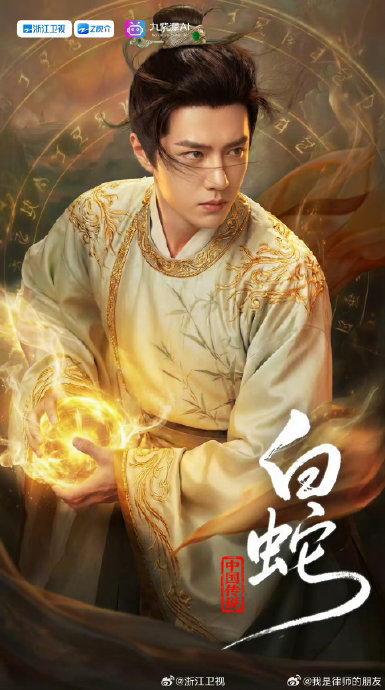
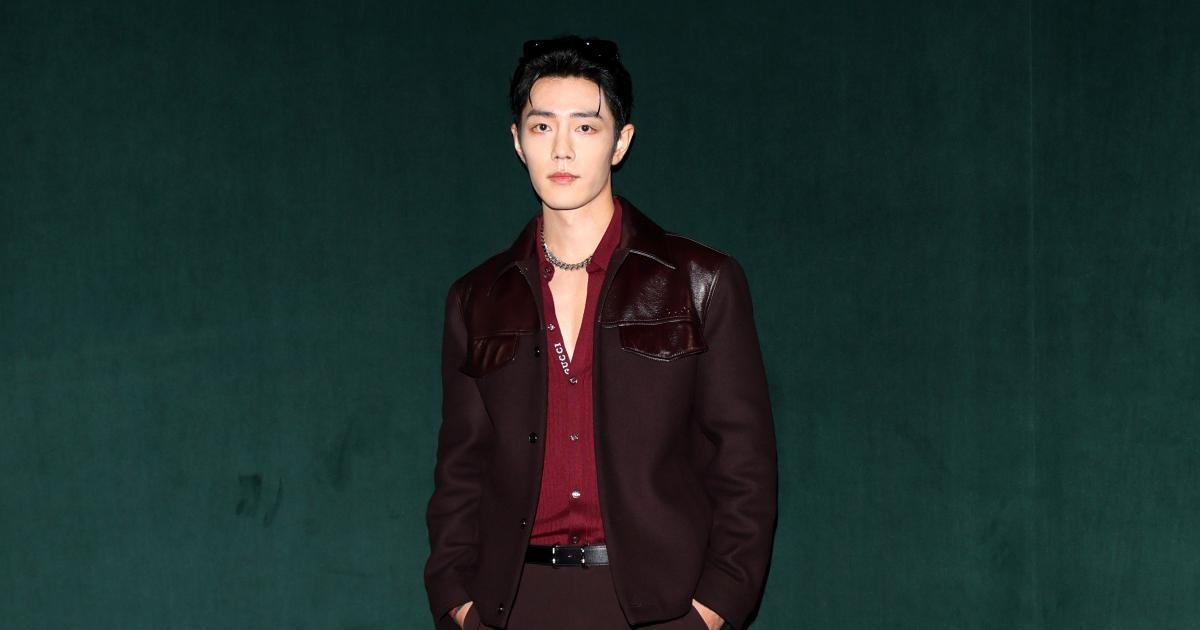
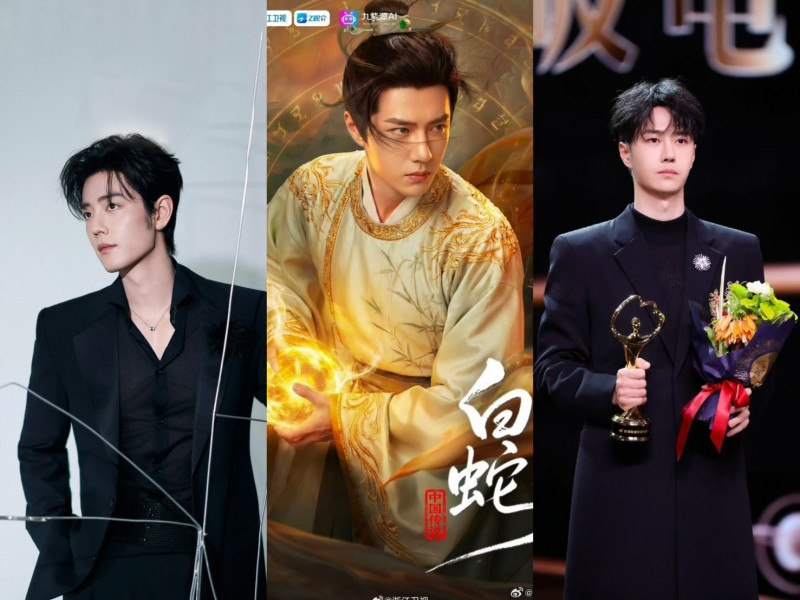
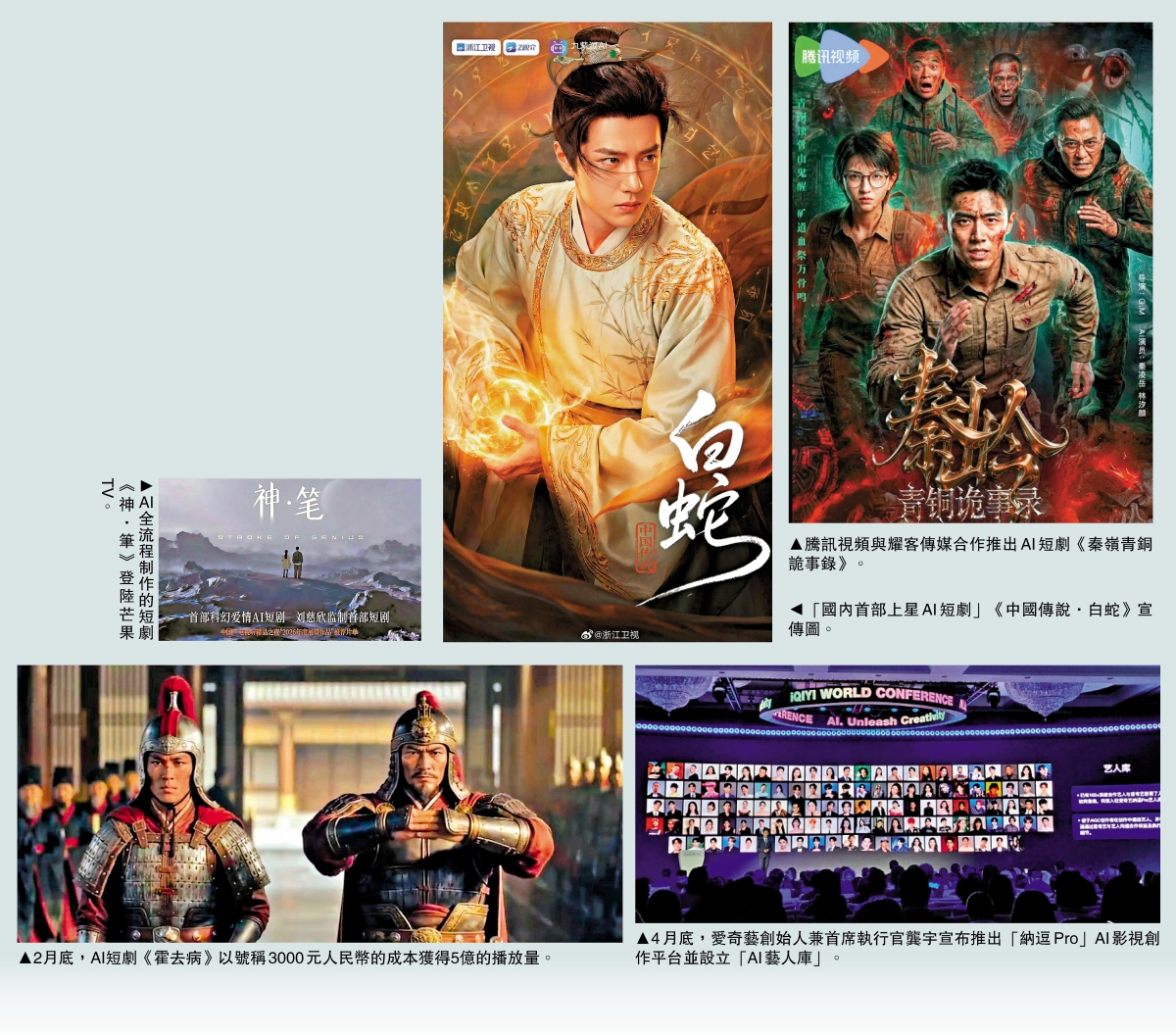
AI-generated short drama 'Chinese Legend: White Snake,' broadcast on Zhejiang TV, used AI to create characters resembling celebrities Xiao Zhan and Wang Yibo without consent, leading to widespread allegations of portrait rights infringement. Legal experts and the celebrities' studios are pursuing legal action, highlighting governance and copyright challenges in China's AI-driven content industry.[AI generated]

Why's our monitor labelling this an incident or hazard?

The article explicitly involves AI systems used for generating short drama content and highlights direct harms such as widespread copyright infringement, violation of intellectual property rights, and challenges to platform governance and industry health. The harms are realized and ongoing, not merely potential. The AI systems' use in generating or manipulating content is central to the infringement issues described. The article also discusses the legal and governance challenges arising from these AI-driven harms. Hence, the event meets the criteria for an AI Incident, as the AI system's use has directly led to violations of intellectual property rights and significant harm to the industry and rights holders.[AI generated]

AI principles
Privacy & data governanceRespect of human rights

Industries
Media, social platforms, and marketing

Affected stakeholders
BusinessOther

Harm types
Human or fundamental rights

Severity
AI incident

Business function:
Other

AI system task:
Content generation


Articles about this incident or hazard

Thumbnail Image

“侵权多”“维权难”“审核疲”AI短剧发展困局亟待破解

2026-04-28
东方财富网
Why's our monitor labelling this an incident or hazard?
The article explicitly involves AI systems used for generating short drama content and highlights direct harms such as widespread copyright infringement, violation of intellectual property rights, and challenges to platform governance and industry health. The harms are realized and ongoing, not merely potential. The AI systems' use in generating or manipulating content is central to the infringement issues described. The article also discusses the legal and governance challenges arising from these AI-driven harms. Hence, the event meets the criteria for an AI Incident, as the AI system's use has directly led to violations of intellectual property rights and significant harm to the industry and rights holders.
Thumbnail Image

这个像王一博那个像肖战,上星AI短剧《中国传说·白蛇》被指“融脸”侵权

2026-04-28
扬子网(扬子晚报)
Why's our monitor labelling this an incident or hazard?
The article explicitly involves an AI system used to generate character faces in a short drama, which allegedly infringes on the portrait rights of real actors by creating AI-generated faces that are recognizable as those actors. This is a direct use of AI in content creation leading to a violation of intellectual property and personal rights, fulfilling the criteria for an AI Incident under the framework. The harm is realized (not just potential), as the infringement is publicly alleged and legally significant, with commercial exploitation of the AI-generated content. Hence, it is not merely a hazard or complementary information but an AI Incident.
Thumbnail Image

律师称:AI短剧融脸肖战王一博已侵权

2026-04-27
新浪财经
Why's our monitor labelling this an incident or hazard?
The AI system is explicitly involved as it uses AI face-swapping technology to generate images highly similar to real individuals without consent. This unauthorized use has caused a legal dispute over infringement, indicating realized harm to the celebrities' rights. The harm is direct and linked to the AI system's use in producing these images for commercial purposes. Therefore, this qualifies as an AI Incident due to the direct violation of rights caused by the AI system's outputs.
Thumbnail Image

律师:撞脸肖战王一博AI短剧侵权

2026-04-27
新浪财经
Why's our monitor labelling this an incident or hazard?
The AI system is explicitly involved in generating faces that closely mimic real individuals, leading to unauthorized use of their likenesses in a commercial context. This constitutes a violation of intellectual property and personal rights, which falls under harm category (c) "Violations of human rights or a breach of obligations under the applicable law intended to protect fundamental, labor, and intellectual property rights." Since the harm has already occurred due to the AI-generated content, this qualifies as an AI Incident rather than a hazard or complementary information.
Thumbnail Image

肖战、王一博的工作室对于此次AI短剧侵权事件将采取何种维权措施?

2026-04-27
k.sina.com.cn
Why's our monitor labelling this an incident or hazard?
The event involves the use of an AI system to generate facial images of celebrities without consent, which constitutes a violation of portrait rights under applicable law. The studios' planned legal actions are responses to this AI-driven infringement. Since the AI system's use has directly led to a violation of intellectual property and personal rights (a form of harm under the framework), this qualifies as an AI Incident. The article focuses on the harm caused by the AI-generated content and the ensuing legal and regulatory measures, not merely on general AI developments or future risks.
Thumbnail Image

被疑融脸肖战王一博,单集播放破百万AI短剧陷侵权争议

2026-04-29
k.sina.com.cn
Why's our monitor labelling this an incident or hazard?
The AI system's use in creating a character by fusing the facial features of two known actors without their consent constitutes a violation of their rights, specifically intellectual property and personality rights. This unauthorized use has led to a public controversy and legal concerns, which fits the definition of an AI Incident as it involves a breach of obligations under applicable law protecting intellectual property and personal rights. The harm is realized as the controversy and infringement claims have already arisen.
Thumbnail Image

网友质疑AI短剧融脸肖战、王一博,律师解读

2026-04-29
新浪财经
Why's our monitor labelling this an incident or hazard?
The event involves the use of AI systems to generate digital virtual characters that closely resemble real individuals (celebrities), which is explicitly stated as unauthorized and infringing on their portrait rights. This constitutes a violation of legal rights (intellectual property and personal rights), fulfilling the criteria for an AI Incident under the framework. The article details actual harm (rights infringement) caused by the AI system's use, not just potential harm or general discussion, and thus it is classified as an AI Incident rather than a hazard or complementary information.
Thumbnail Image

侧脸像肖战,正脸像王一博,AI短剧《中国传说·白蛇》男主角"抄"了两位顶流的脸?_手机网易网

2026-04-28
m.163.com
Why's our monitor labelling this an incident or hazard?
The article involves an AI system used to create a short drama and promotional materials, but the controversy centers on the resemblance of the AI-generated character's face in promotional posters to real celebrities, which may raise concerns about likeness rights or intellectual property. However, there is no evidence that this has led to a violation of rights or other harms as defined (e.g., no reported legal action, no harm to individuals or communities). The event is primarily about public perception and media coverage without concrete harm or credible risk of harm. Therefore, it does not meet the criteria for an AI Incident or AI Hazard. It is best classified as Complementary Information as it provides context and updates about AI-generated content and public reaction without reporting a new harm or risk.
Thumbnail Image

AI短剧疑融脸肖战王一博?律师分析如何认定AI角色构成肖像权侵权

2026-04-29
China News
Why's our monitor labelling this an incident or hazard?
The event involves the use of AI systems to generate digital virtual characters that closely resemble real celebrities, leading to unauthorized use of their identifiable likenesses. This unauthorized use infringes on the celebrities' portrait rights, a violation of legal protections for personal rights and intellectual property. The article details the legal framework, the nature of the infringement, and the responsibilities and liabilities of the involved parties, indicating that harm has occurred due to the AI system's use. Therefore, this is an AI Incident as the AI system's use has directly led to a breach of rights and associated harms.
Thumbnail Image

AI短剧疑融脸肖战王一博?律师分析如何认定AI角色构成肖像权侵权

2026-04-30
华龙网
Why's our monitor labelling this an incident or hazard?
The event involves the use of AI systems to create digital virtual characters that incorporate identifiable features of real individuals without authorization, constituting a violation of portrait rights under the law. This infringement is a direct harm caused by the AI system's use, fulfilling the criteria for an AI Incident. The article details realized harm (violation of intellectual property and personal rights) and legal consequences, not just potential risks or general commentary, thus it qualifies as an AI Incident rather than a hazard or complementary information.
Thumbnail Image

AI短剧疑融脸肖战王一博?律师分析如何认定AI角色构成肖像权侵权

2026-04-30
金羊网
Why's our monitor labelling this an incident or hazard?
The event involves the use of an AI system to generate digital virtual characters that closely resemble specific celebrities, which is a direct use of AI technology. The resulting unauthorized use of their likenesses constitutes a violation of portrait rights under applicable law, causing harm to the individuals' rights and reputations. The article details the legal framework, the nature of the infringement, and the responsibilities of the infringing parties, indicating that harm has occurred. This meets the criteria for an AI Incident because the AI system's use has directly led to violations of fundamental rights (portrait rights) and associated harms.
Thumbnail Image

AI短剧男主被指"融脸"肖战、王一博,律师解读

2026-04-29
新浪财经
Why's our monitor labelling this an incident or hazard?
The event explicitly involves an AI system used to generate a digital virtual character whose facial features closely resemble those of two celebrities, leading to allegations of unauthorized use of their likeness. The legal analysis cited confirms that such use without consent constitutes a violation of portrait rights under applicable law, which is a breach of fundamental rights. The AI system's role in creating the infringing imagery is central to the incident. The commercial exploitation of this AI-generated content further aggravates the harm. Hence, this meets the criteria for an AI Incident due to realized harm (violation of rights) caused by the AI system's use.
Thumbnail Image

肖戰唇下痣被複製 大陸AI短劇《白蛇》惹議 | 王一博

2026-05-02
The Epoch Times
Why's our monitor labelling this an incident or hazard?
The AI system was used to generate character images that closely mimic real individuals without authorization, leading to a breach of portrait and intellectual property rights. This is a direct harm caused by the AI system's outputs, as it infringes on the celebrities' rights and has caused significant public controversy and demands for legal action. The event involves the use of AI in a way that directly led to a violation of rights, fitting the definition of an AI Incident rather than a hazard or complementary information.
Thumbnail Image

肖戰唇下痣被複製 大陸AI短劇《白蛇》惹議 | 新唐人电视台

2026-05-03
www.ntdtv.com
Why's our monitor labelling this an incident or hazard?
An AI system was used to generate character images for the drama, and the unauthorized replication of a celebrity's distinctive facial features constitutes a violation of intellectual property and portrait rights, which falls under harm category (c) - violations of human rights or breach of obligations under applicable law protecting intellectual property rights. The event describes realized harm through the infringement and public backlash, making it an AI Incident rather than a hazard or complementary information. The controversy is directly linked to the AI system's use in creating the images, fulfilling the criteria for an AI Incident.
Thumbnail Image

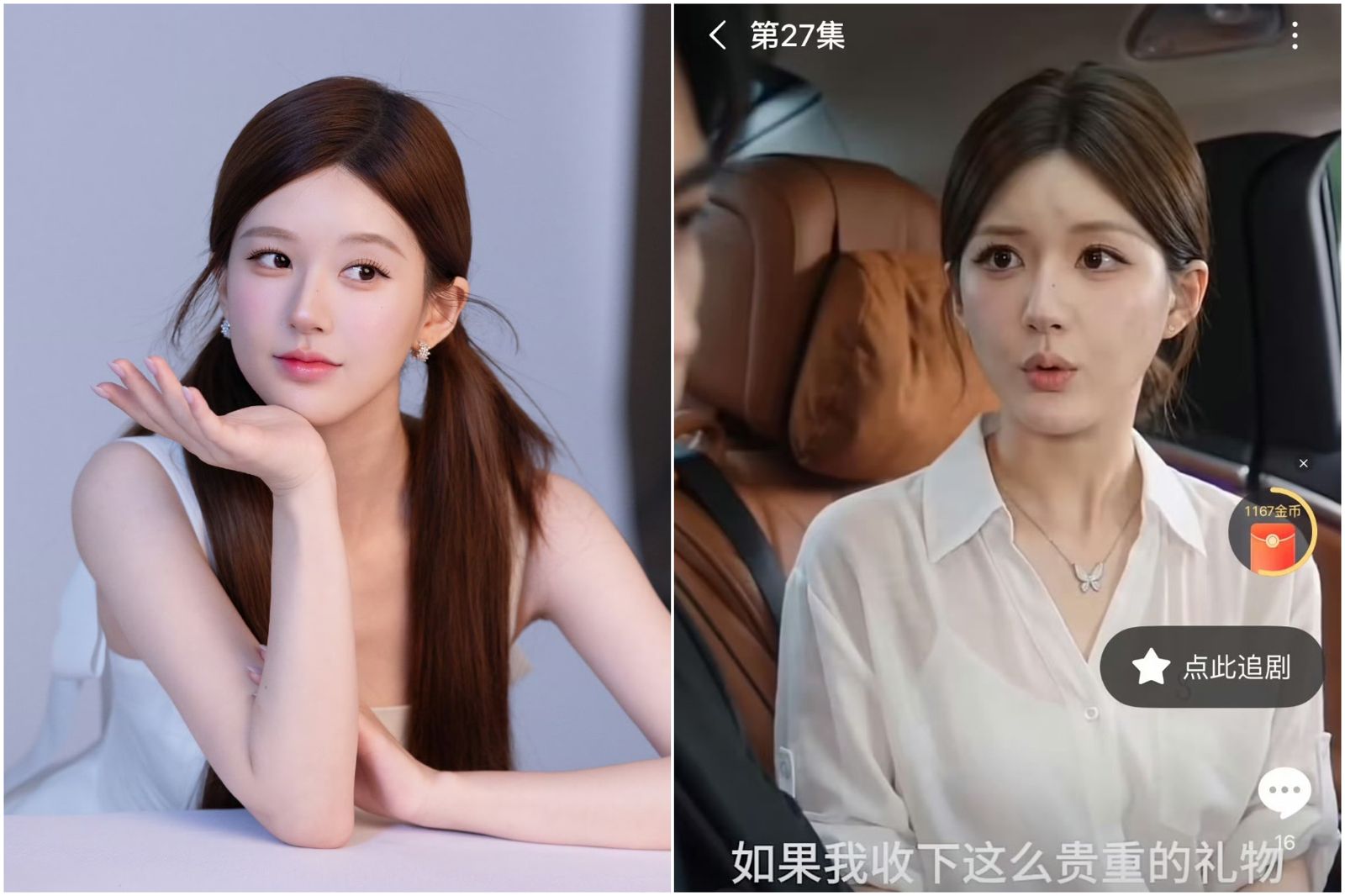
換臉大戰!趙露思「精準被盜」 博君一肖「被合體」 | ETtoday星光雲 | ETtoday新聞雲

2026-05-04
ETtoday星光雲
Why's our monitor labelling this an incident or hazard?
The event explicitly describes the use of AI deep learning technology to generate unauthorized deepfake content that infringes on the celebrities' rights and causes reputational and commercial harm. The AI system's use directly leads to violations of intellectual property and personal rights, which fits the definition of an AI Incident under violations of human rights or breach of obligations protecting fundamental rights. The harm is realized and ongoing, not merely potential, and the AI system's role is pivotal in causing this harm.
Thumbnail Image

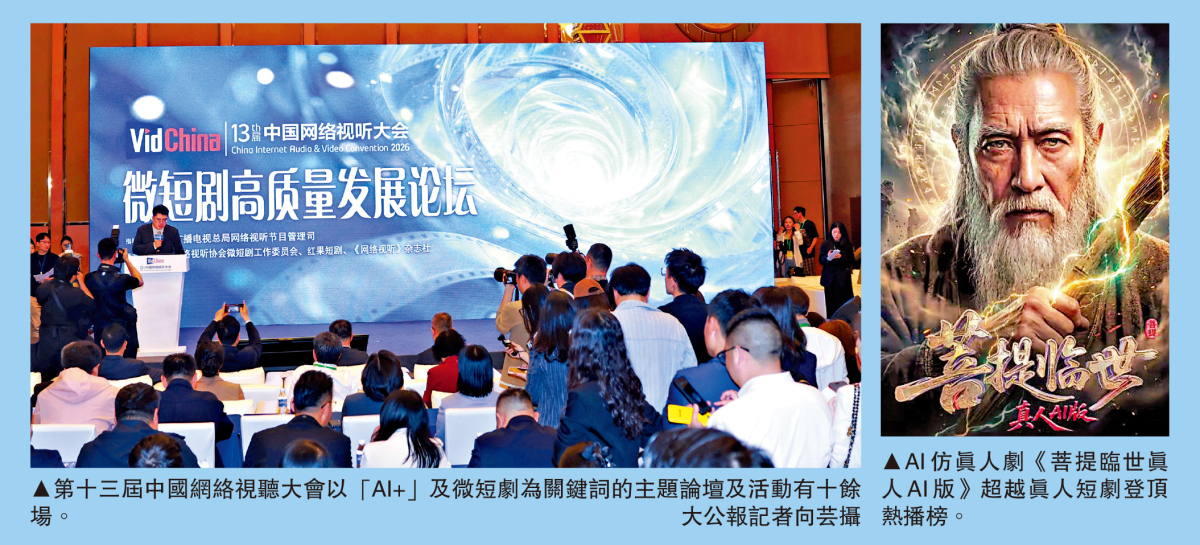
文化觀瀾/製作成本削減 創作門檻降低 AI短劇路在何方 - 大公文匯網

2026-05-02
大公报
Why's our monitor labelling this an incident or hazard?
The article primarily provides an overview of the AI short drama industry's development, including technological advances, market growth, cost reduction, and emerging governance measures. While it references concerns about unauthorized use of personal likeness and voices, it does not document a concrete AI Incident or an imminent AI Hazard. The focus is on the broader context, industry trends, and responses rather than a specific harmful event or a credible risk event. Therefore, it fits the definition of Complementary Information, as it enhances understanding of AI's role in media production and governance without reporting a new AI Incident or AI Hazard.
Thumbnail Image

換臉大戰/高科技小偷出沒 趙露思「精準被盜」 博君一肖「被合體」

2026-05-03
mnews.tw
Why's our monitor labelling this an incident or hazard?
The article explicitly mentions the use of AI deep learning technology to precisely replicate actors' facial features without authorization, constituting unauthorized AI-generated content. This has directly led to harm including infringement of rights, reputational damage, and economic harm to the actors, fulfilling the criteria for an AI Incident. The involvement of AI in the creation and dissemination of these unauthorized deepfake videos is clear, and the harm is realized, not just potential. Hence, the event is best classified as an AI Incident.
Thumbnail Image

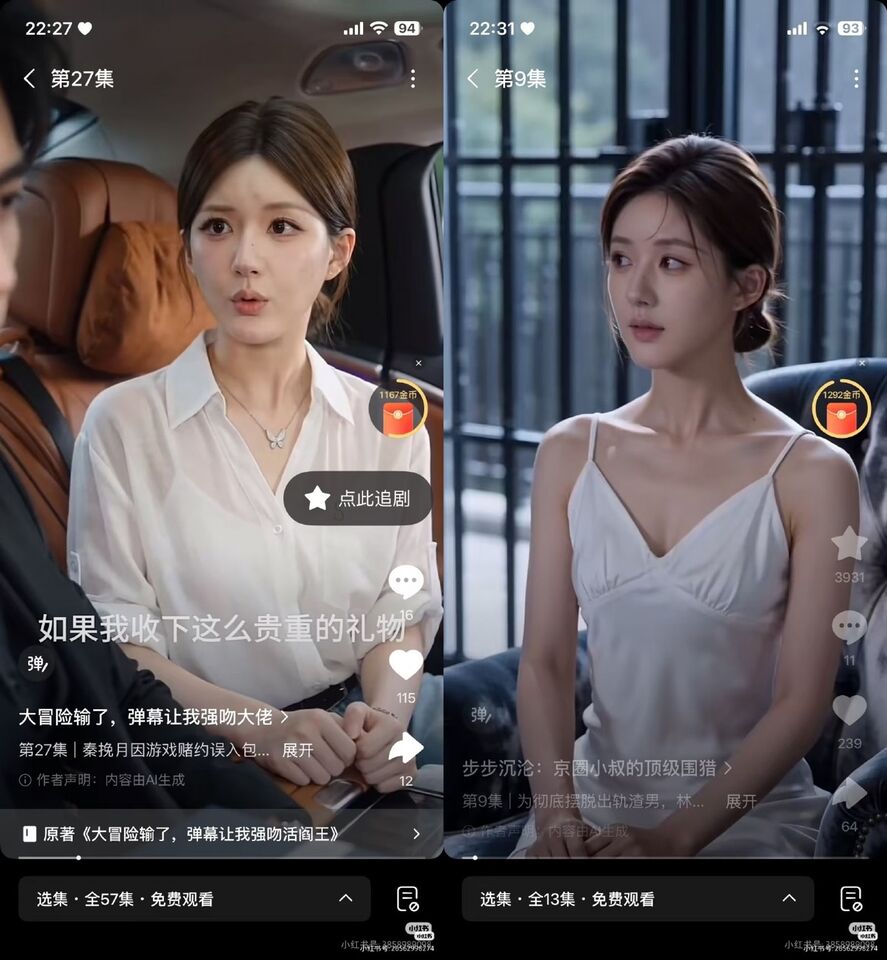
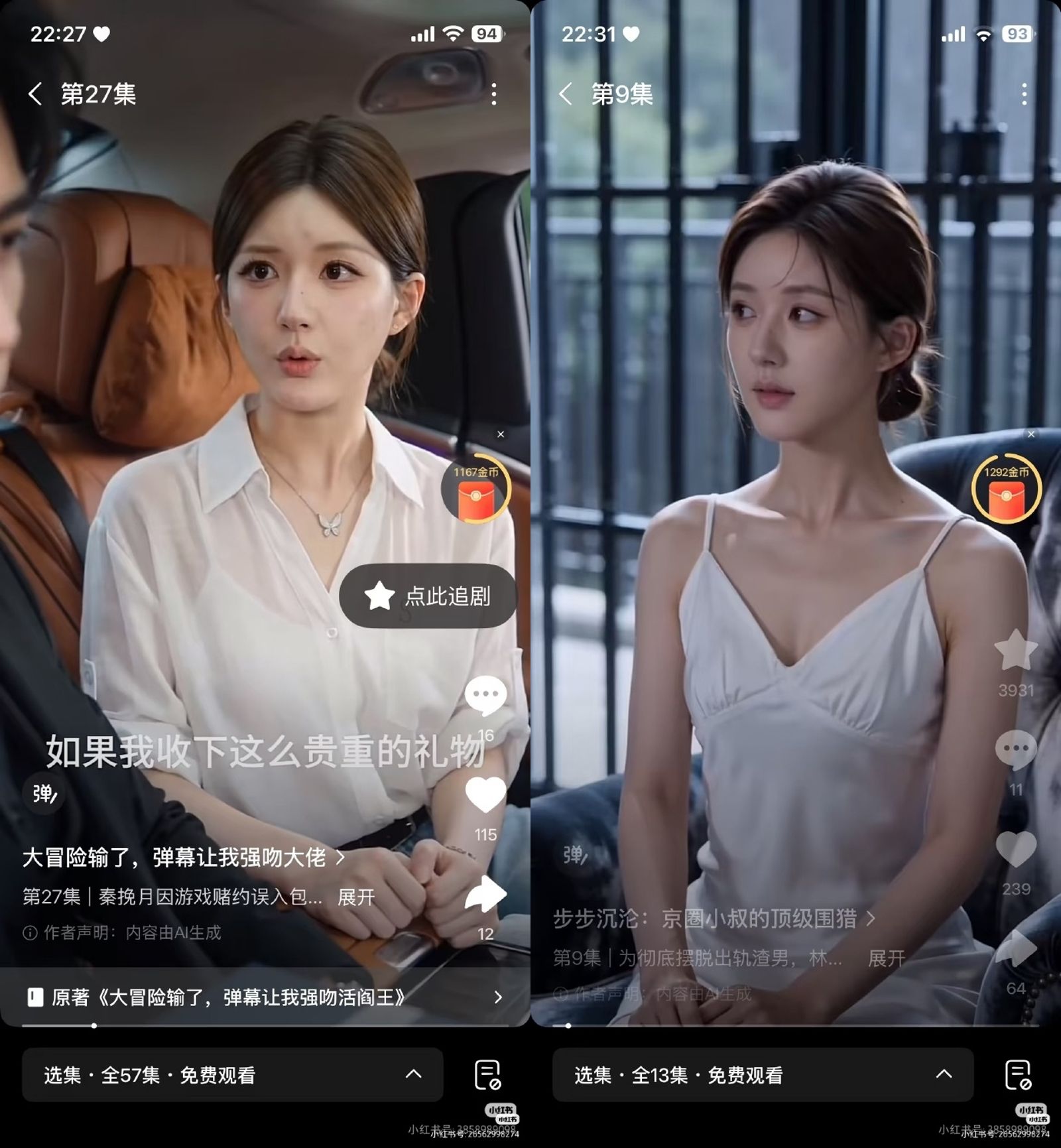
鼻子上的痣都一樣!趙露思遭AI劇「盜臉」粉絲氣炸 工作室點名4部劇侵權:採取法律手段

2026-05-04
mnews.tw
Why's our monitor labelling this an incident or hazard?
The article explicitly describes the use of AI to generate unauthorized content replicating Zhao Lusi's likeness, which is a clear case of AI misuse leading to harm through violation of rights and potential commercial damage. The AI system's role is pivotal in creating the infringing content. The legal response confirms the recognition of harm caused. Therefore, this qualifies as an AI Incident under the framework definitions.
Thumbnail Image

中國AI劇男主角撞臉「肖戰+王一博」!唇下痣都複製 粉絲怒轟盜臉 - 自由娛樂

2026-05-04
自由時報電子報
Why's our monitor labelling this an incident or hazard?
The event involves an AI system used to generate a character's face that closely mimics real celebrities' features without consent, which is a direct use of AI technology leading to a violation of intellectual property and personality rights. The harm is realized as fans and studios have raised concerns and accusations of 'AI face theft,' indicating infringement and harm to the celebrities' rights. This fits the definition of an AI Incident because the AI system's use has directly led to a breach of obligations intended to protect intellectual property and personal rights.
Thumbnail Image

AI重塑影視產業 行業規範亟待建立 - 大公文匯網

2026-05-06
大公报
Why's our monitor labelling this an incident or hazard?
The event involves AI systems explicitly used to create digital actors and AI-generated content, which have caused realized harm through unauthorized use of actors' likenesses and potential copyright infringements. The public backlash and ethical concerns reflect harm to individuals' rights and communities, fitting the definition of an AI Incident. The article details actual controversies and harms rather than potential risks, so it is not merely a hazard or complementary information. Therefore, the classification is AI Incident.