AI-Generated Fake Image Damages Brand Reputation in Taiwan

Thumbnail Image

The information displayed in the AIM should not be reported as representing the official views of the OECD or of its member countries.

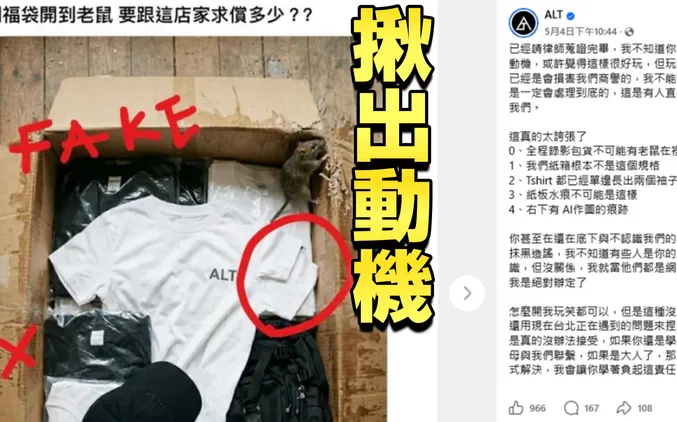
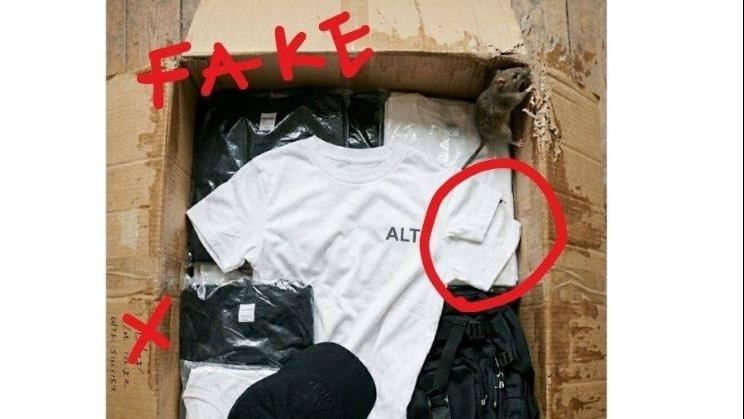
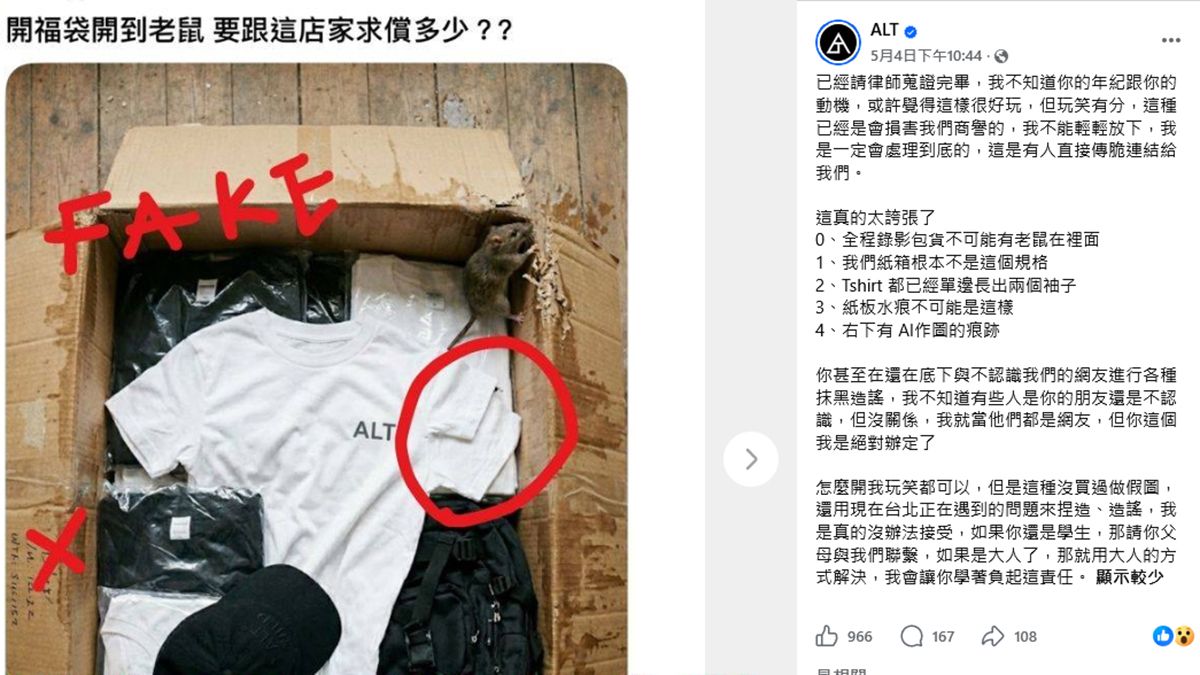
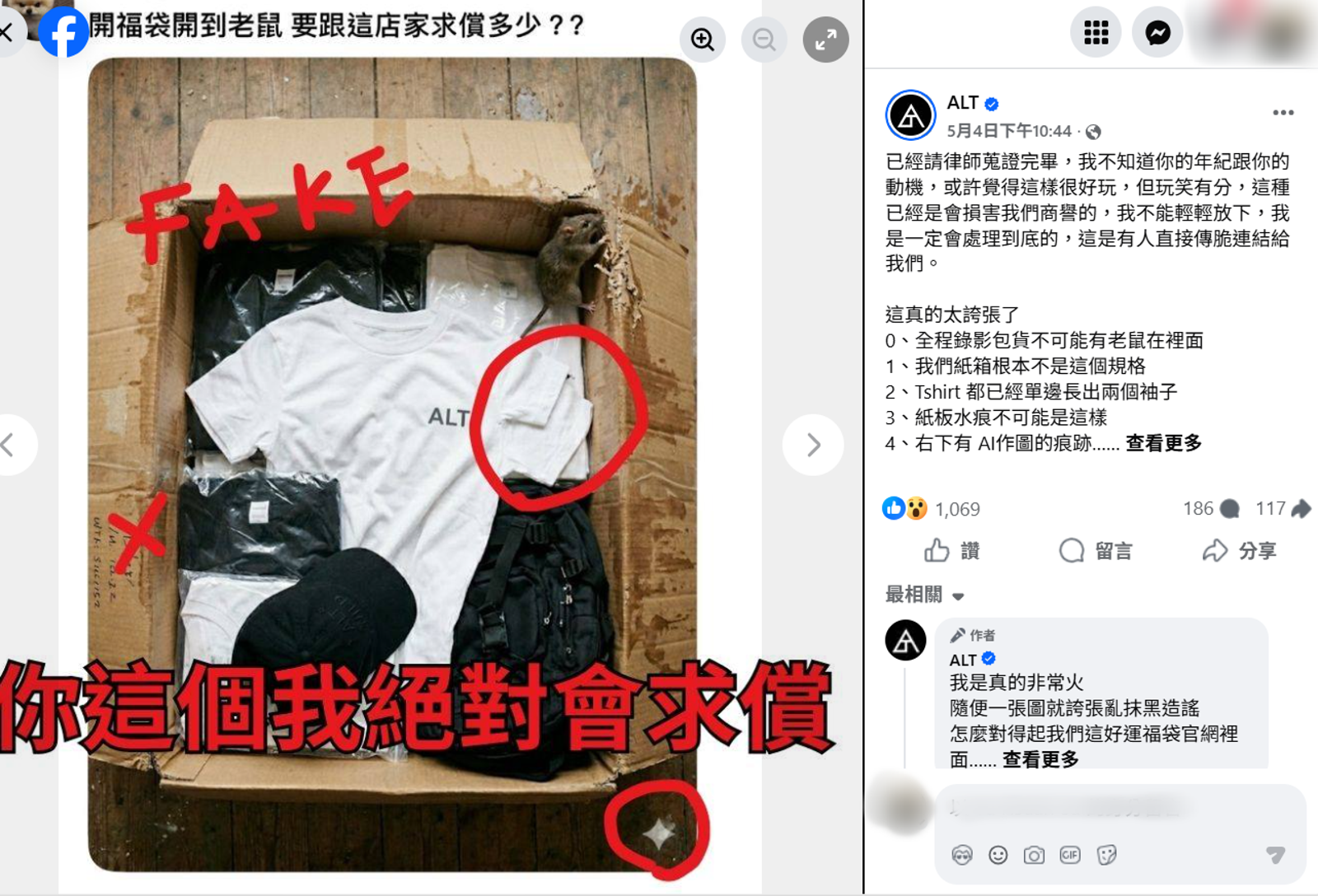
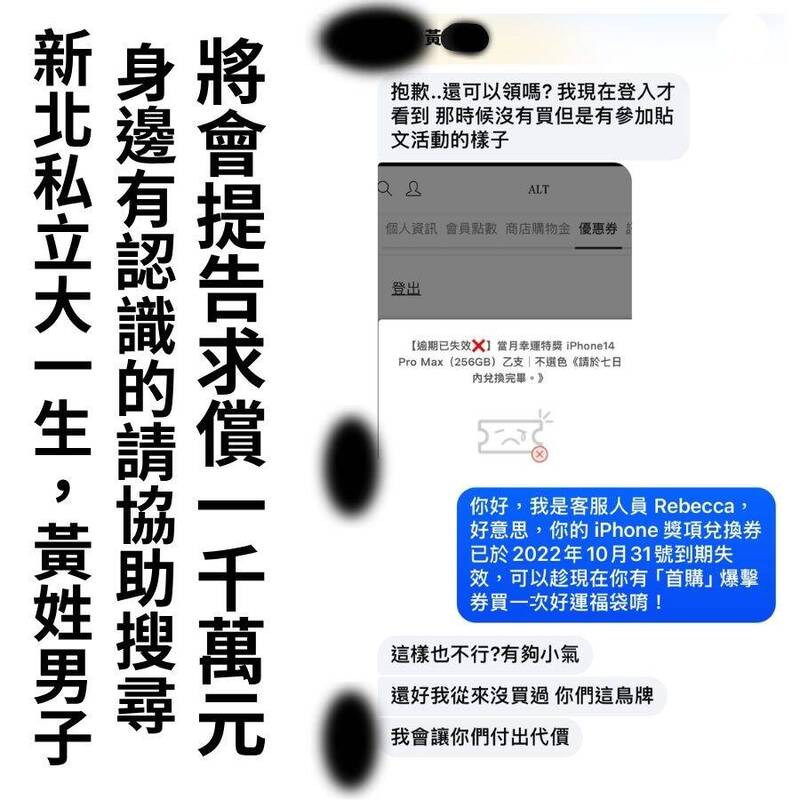
A university student in Taiwan used AI to create a fake image showing a mouse in a clothing brand's package, falsely implying hygiene issues. The brand, ALT, suffered reputational harm and is seeking NT$10 million in damages, pursuing legal action against the student for malicious use of AI-generated content.[AI generated]

Why's our monitor labelling this an incident or hazard?

The event explicitly involves an AI system used to generate a fake image that falsely depicts a harmful scenario (a mouse in a product package) damaging the brand's reputation. The harm is realized as reputational and commercial damage, which fits under harm to property or business interests. The AI-generated image is central to the incident, and the brand is taking legal action due to this harm. Hence, this is an AI Incident as the AI system's use directly led to harm.[AI generated]
AI principles
AccountabilityTransparency & explainability

Industries
Consumer products

Affected stakeholders
Business

Harm types
Reputational

Severity
AI incident

AI system task:
Content generation


Articles about this incident or hazard

Thumbnail Image

「福袋開到老鼠」? 知名服飾揭AI造假 怒提告求償千萬 - 社會

2026-05-07
中時新聞網
Why's our monitor labelling this an incident or hazard?
The event explicitly involves an AI system used to generate a fake image that falsely depicts a harmful scenario (a mouse in a product package) damaging the brand's reputation. The harm is realized as reputational and commercial damage, which fits under harm to property or business interests. The AI-generated image is central to the incident, and the brand is taking legal action due to this harm. Hence, this is an AI Incident as the AI system's use directly led to harm.
Thumbnail Image

男大生AI造謠「開箱開到老鼠」 業者轟:提告求償1000萬元 - 生活 - 自由時報電子報

2026-05-07
Liberty Times Net
Why's our monitor labelling this an incident or hazard?
An AI system was used to generate a fake image (AI-generated content) that falsely depicts a harmful scenario (finding a mouse in a product package) associated with a specific brand. This misinformation directly harms the brand's reputation, which is a form of harm to property and business interests. The event describes actual harm caused by the AI-generated falsehood, not just a potential risk. Therefore, it qualifies as an AI Incident under the framework, specifically under violations of rights and harm to property/business reputation.
Thumbnail Image

AI造假「開箱開到老鼠」!業者PO文澄清 火大提告求償千萬 | 社會 | Newtalk新聞

2026-05-07
新頭殼 Newtalk
Why's our monitor labelling this an incident or hazard?
An AI system was explicitly used to generate fake images that falsely represented the brand's products, leading to reputational damage and misleading the public. This constitutes a violation of rights and harm to the community. Since the harm has already occurred due to the AI-generated fake content, this qualifies as an AI Incident rather than a hazard or complementary information.
Thumbnail Image

大學生喊「開箱開到老鼠」被揪AI製圖!業者氣炸:求償千萬 | 生活 | 三立新聞網 SETN.COM

2026-05-07
三立新聞
Why's our monitor labelling this an incident or hazard?
An AI system was explicitly involved in generating fake images that were used maliciously to harm a brand's reputation. The harm is realized as reputational damage and potential commercial loss, which fits the definition of an AI Incident under violations of intellectual property rights and harm to property or communities. The brand's legal response and claim for damages further confirm the materialized harm caused by the AI-generated content.
Thumbnail Image

大學生AI製圖「開箱開到老鼠」 業者非常火:提告求償1000萬元|壹蘋新聞網

2026-05-06
壹蘋新聞網
Why's our monitor labelling this an incident or hazard?
An AI system was explicitly used to generate a fake image that falsely represented the company's product, leading to reputational and commercial harm. The harm is realized and directly linked to the AI-generated content. The event involves the malicious use of AI to create misleading content that damages the company's rights and business, fitting the definition of an AI Incident under violations of intellectual property and harm to communities (reputational harm).
Thumbnail Image

AI造假踩紅線!男大生PO「老鼠福袋」開箱照 品牌怒嗆:一定告到底

2026-05-07
mnews.tw
Why's our monitor labelling this an incident or hazard?
An AI system was explicitly used to generate a fake image that led to reputational harm and misinformation, which constitutes harm to the brand's property and community trust. The AI-generated content directly caused harm by misleading consumers and damaging the brand's reputation. Therefore, this qualifies as an AI Incident due to the realized harm caused by the malicious use of AI-generated content.