Lyft Driver Uses AI-Generated Images for Fraudulent Damage Claims in Florida

Thumbnail Image

The information displayed in the AIM should not be reported as representing the official views of the OECD or of its member countries.

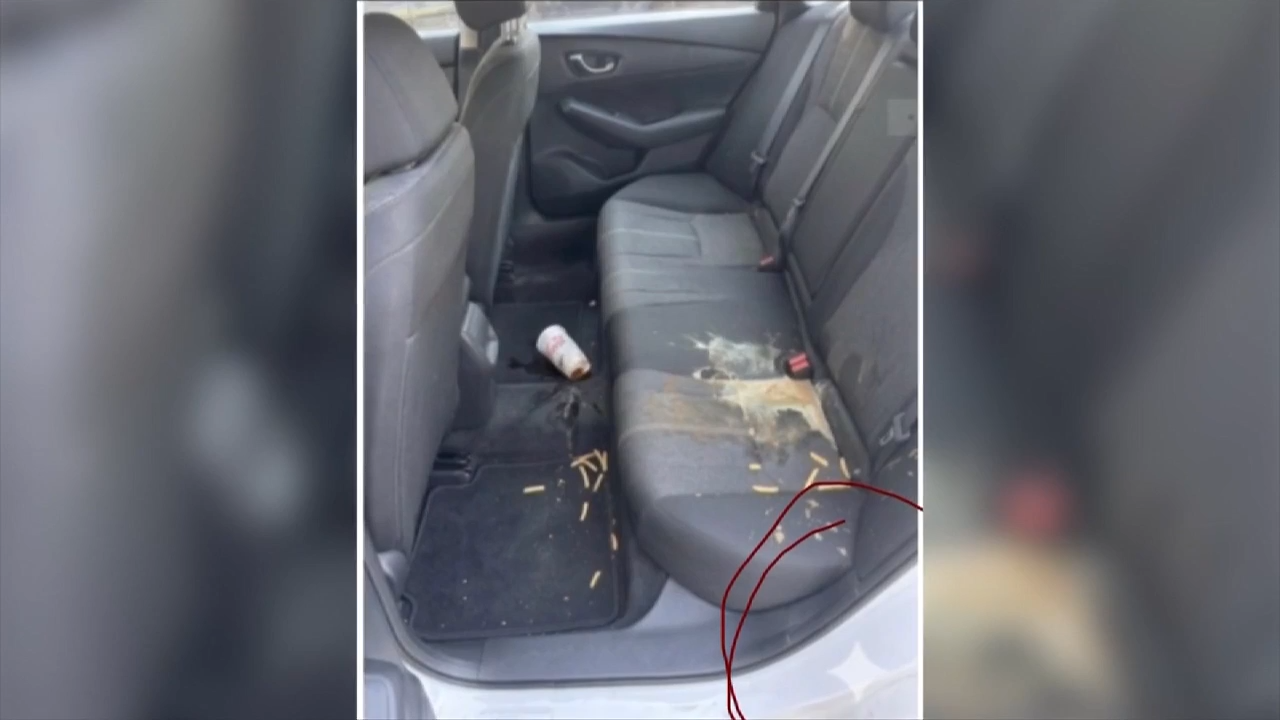
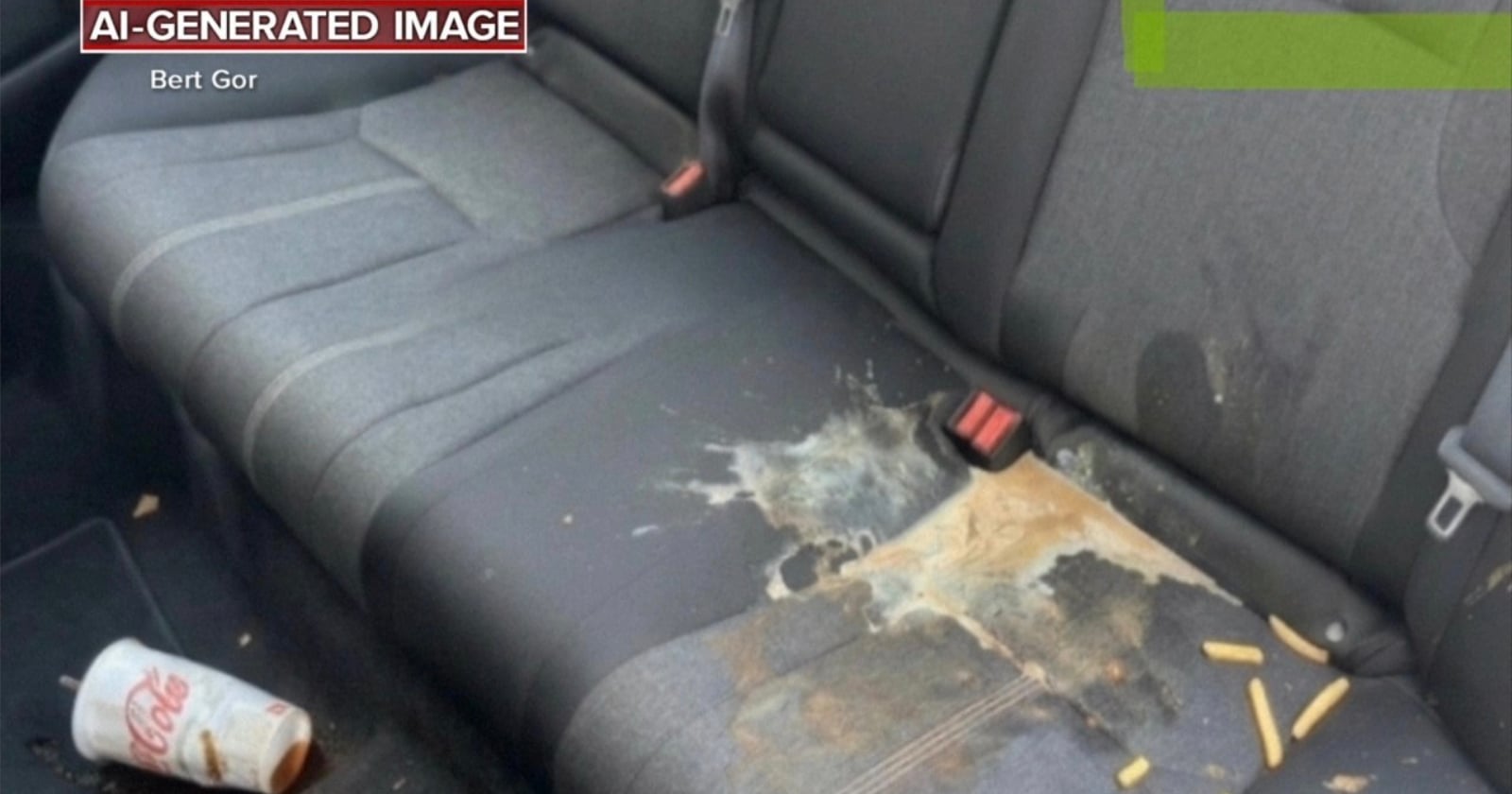
A Florida Lyft driver used AI-generated images to falsely claim car damages and charge passengers a $75 cleaning fee. The incident involved teenage riders and led to the driver's removal from the platform, raising concerns about AI misuse, fraud controls, and consumer protection in rideshare services.[AI generated]

Why's our monitor labelling this an incident or hazard?

The incident explicitly involves the use of AI-generated photos to commit fraud, causing financial harm to a passenger. The AI system's misuse directly led to the harm, fulfilling the criteria for an AI Incident. The event is not merely a potential risk or a general update but a realized harm caused by AI misuse.[AI generated]
AI principles
AccountabilityTransparency & explainability

Industries
Mobility and autonomous vehicles

Affected stakeholders
ChildrenConsumers

Harm types
Economic/PropertyReputational

Severity
AI incident

AI system task:
Content generation


Articles about this incident or hazard

Thumbnail Image

Florida Lyft Driver Accused Of Using AI-Generated Photos To Claim Fake Damage Fees From Riders

2026-05-21
NDTV
Why's our monitor labelling this an incident or hazard?
The incident explicitly involves the use of AI-generated photos to commit fraud, causing financial harm to a passenger. The AI system's misuse directly led to the harm, fulfilling the criteria for an AI Incident. The event is not merely a potential risk or a general update but a realized harm caused by AI misuse.
Thumbnail Image

Lyft Fraud Scare And Nashville AV Rollout Test Investor Confidence

2026-05-20
Yahoo! Finance
Why's our monitor labelling this an incident or hazard?
The use of AI-generated images to commit fraud constitutes a direct harm to riders and the platform, fulfilling the criteria for an AI Incident due to violation of trust and potential financial harm. The AI system's misuse directly led to harm, and the company's response (removing the driver) indicates recognition of the incident. The autonomous vehicle rollout is mentioned but does not describe harm or plausible harm in this context, so it does not affect the classification. Therefore, this event is best classified as an AI Incident.
Thumbnail Image

Lyft driver accused of using AI to fake damage, leading to $75 charge for the passenger

2026-05-19
WXII
Why's our monitor labelling this an incident or hazard?
An AI system (Google Gemini) was used to create an altered image falsely showing damage in a Lyft vehicle. This AI-generated evidence led to a wrongful $75 damage fee charged to the passenger, constituting direct financial harm. The incident involves misuse of AI in a way that caused harm to individuals, fulfilling the criteria for an AI Incident under violations of rights and other significant harms. Lyft's response and refund do not negate the fact that harm occurred due to AI misuse.
Thumbnail Image

Lyft driver caught using fake AI damage photos to charge Boca Raton dad a fee

2026-05-21
WPEC
Why's our monitor labelling this an incident or hazard?
The event explicitly involves an AI system generating fake damage photos that were used to wrongfully charge a customer, constituting a misuse of AI leading to financial and rights-related harm. The AI-generated images were pivotal in the incident, and the harm (wrongful charge and dispute) occurred. Lyft's intervention and refund do not negate the fact that harm was realized due to AI misuse. Hence, this is an AI Incident.
Thumbnail Image

Lyft driver used AI to fabricate damage fee against passengers in Boca Raton, family says - WSVN 7News | Miami News, Weather, Sports | Fort Lauderdale

2026-05-19
7 News Miami
Why's our monitor labelling this an incident or hazard?
The event explicitly involves the use of an AI system (Google's Gemini AI) to generate fake images used by a Lyft driver to fraudulently charge passengers a damage fee. This use of AI directly caused financial harm to the passengers, fulfilling the criteria for an AI Incident. The harm is realized (fraudulent charge), and the AI system's role is pivotal in fabricating false evidence. The company's response does not negate the fact that harm occurred due to AI misuse.
Thumbnail Image

'Scammer' Lyft Driver Allegedly Tried to Charge Riders $75 Using An AI-Generated Photo of Fake Car Damages

2026-05-21
International Business Times UK
Why's our monitor labelling this an incident or hazard?
The event explicitly involves the use of an AI system (Google's Gemini) to generate fake images that were used to fraudulently charge passengers. This misuse of AI directly caused financial harm and disrupted the trust and operation of the Lyft platform's dispute system. The harm is realized and not hypothetical, meeting the criteria for an AI Incident. The AI system's role is pivotal in enabling the fraudulent claim, and the incident led to concrete consequences including financial loss and platform sanctions against the driver.
Thumbnail Image

Boca Raton father catches Lyft driver using AI to fake car damage, driver removed

2026-05-22
WPTV
Why's our monitor labelling this an incident or hazard?
The event explicitly involves the use of AI to generate fake images as evidence of car damage, which directly led to a fraudulent charge against the passengers. This is a clear case where the AI system's use caused realized harm (financial fraud) and thus qualifies as an AI Incident. The driver was removed from the platform, and Lyft reimbursed the family, confirming the harm was materialized and linked to AI misuse. Therefore, this is not merely a potential hazard or complementary information but an AI Incident.
Thumbnail Image

Florida Lyft Driver Accused of Using AI-Generated Image to Charge Damage Fees Against Teen Passengers

2026-05-20
Yahoo
Why's our monitor labelling this an incident or hazard?
The event explicitly involves the use of an AI system to generate fake images that were used to attempt to charge passengers unjustly. This misuse of AI caused direct harm by attempting to impose unwarranted financial penalties, which constitutes a violation of rights and harm to individuals. The involvement of AI in creating false evidence is central to the incident, meeting the criteria for an AI Incident rather than a hazard or complementary information. The company's response is a remediation but does not change the fact that harm occurred.
Thumbnail Image

LYFT DRIVER SCAM: Boca Raton Area Driver Uses AI To Accuse Rider

2026-05-18
BocaNewsNow.com
Why's our monitor labelling this an incident or hazard?
The event explicitly involves the use of an AI system to generate a fake image that was used to falsely accuse a rider and demand payment, constituting financial fraud. This misuse of AI directly caused harm to the rider (potential financial loss and reputational harm) and violated legal and ethical norms. The involvement of AI in fabricating evidence for fraud meets the criteria for an AI Incident under violations of rights and other significant harms. The company's response and potential criminal charges further confirm the seriousness of the incident.
Thumbnail Image

Douchebag of the Day: A Lyft Drivers A.I. Scam

2026-05-19
ROCK 92.9 Rocks
Why's our monitor labelling this an incident or hazard?
The AI system was explicitly used to manipulate images to create false evidence, which directly harmed a person (the passenger) by attempting to scam her for extra money. This misuse of AI caused a violation of trust and potential financial harm, fitting the definition of an AI Incident where AI use has directly led to harm. The involvement of AI in the fraudulent act is clear and central to the harm caused.
Thumbnail Image

Man speaks after Lyft driver accused of using AI-generated damage claim pic

2026-05-20
ABC News
Why's our monitor labelling this an incident or hazard?
The incident explicitly involves the use of an AI system to generate a fake image used in a fraudulent damage claim, which caused direct financial harm to the passengers. The AI-generated image was pivotal in the harm, as it was used as false evidence to justify the charge. The harm was realized (unjust charges) and the driver was removed after investigation, confirming the AI system's role in the incident. Therefore, this qualifies as an AI Incident under the definition of harm to persons (financial harm) and violation of rights (consumer protection).
Thumbnail Image

Lyft Driver Tries to Scam Customer with AI-Generated Photo of 'Damage' to Vehicle

2026-05-22
PetaPixel
Why's our monitor labelling this an incident or hazard?
An AI system was used to create a fake image that directly led to financial harm and deception of a passenger, constituting a violation of rights and fraud. The AI-generated image was pivotal in the incident, as it was the basis for the false damage claim. The harm has materialized, and the AI system's misuse is central to the event. Therefore, this qualifies as an AI Incident.