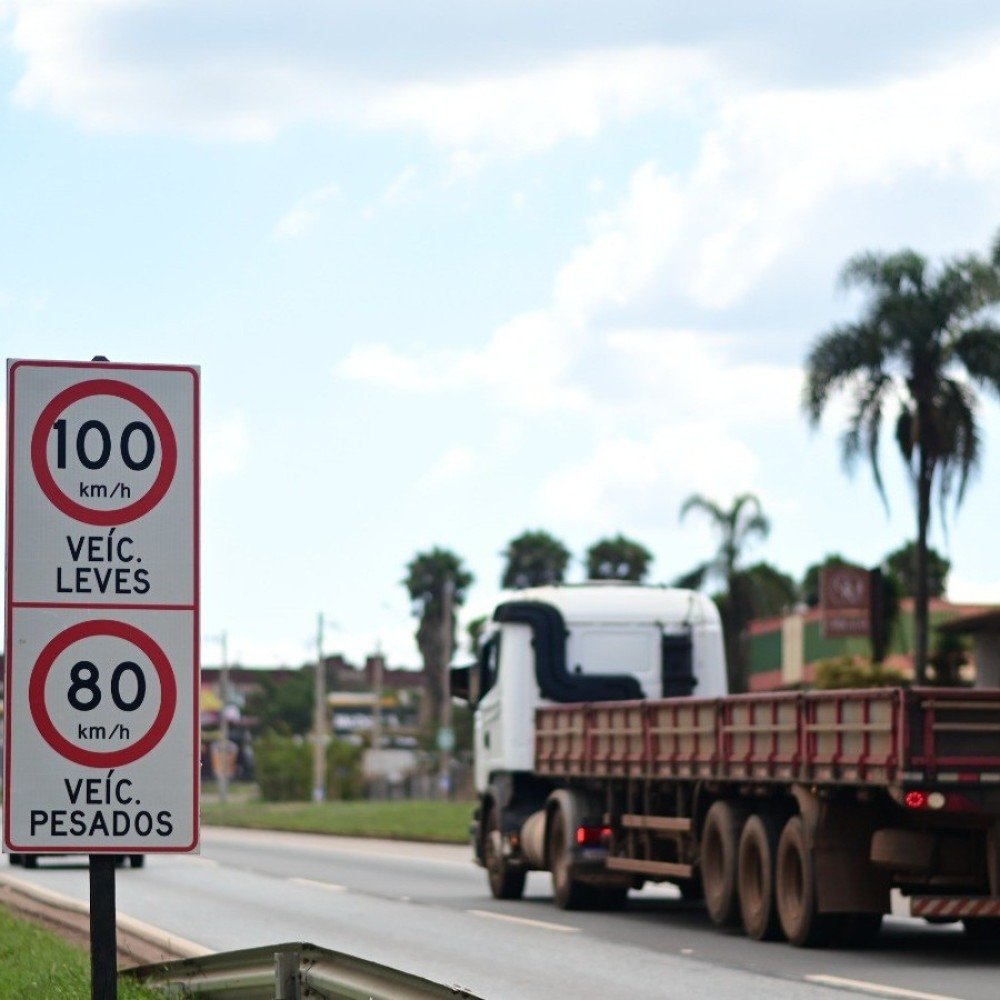
Deployment of AI-Powered Surveillance Radars on Minas Gerais Highways

Thumbnail Image

The information displayed in the AIM should not be reported as representing the official views of the OECD or of its member countries.

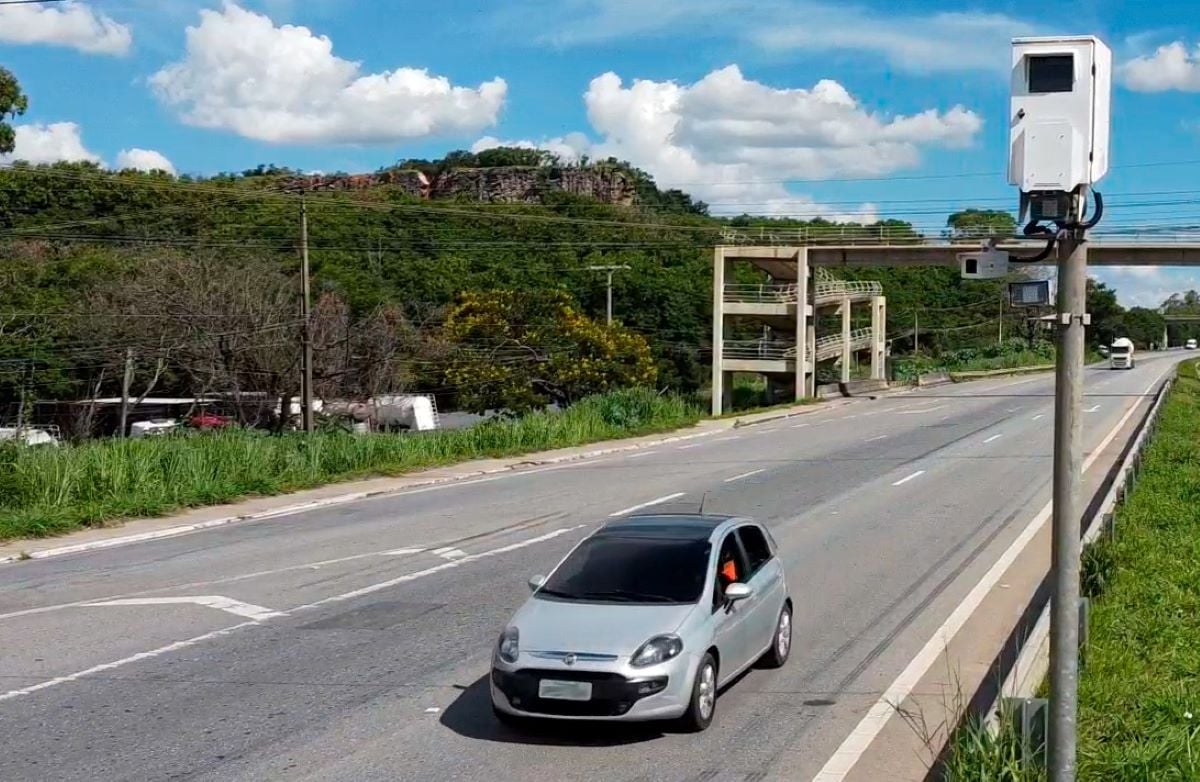
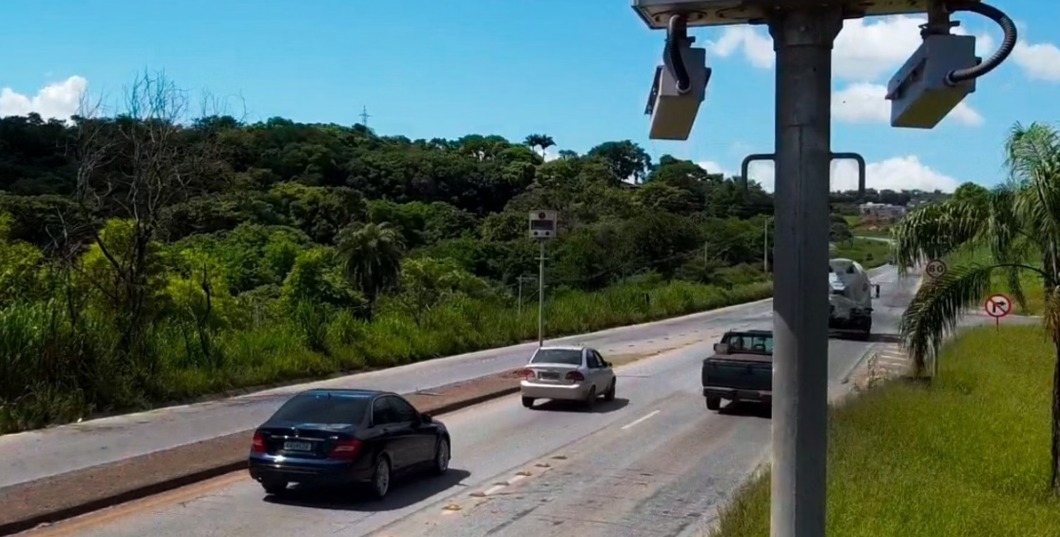
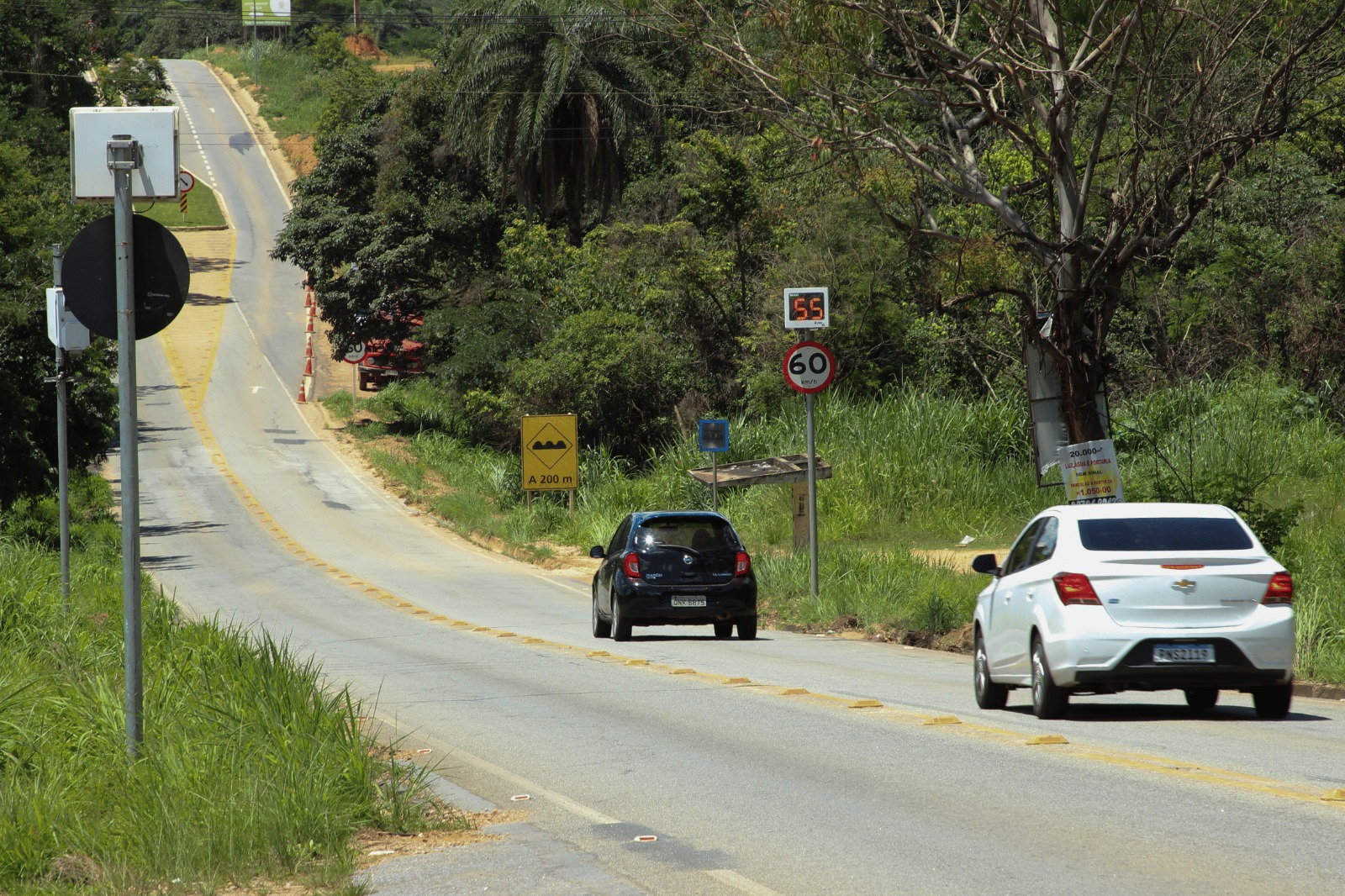
The Minas Gerais government is installing 1,300 AI-powered surveillance radars on state highways. These systems use real-time automatic license plate recognition and behavioral pattern analysis to detect stolen vehicles, unusual routes, and suspicious activities, raising potential future risks related to privacy and data misuse.[AI generated]

Why's our monitor labelling this an incident or hazard?

The event involves the use of AI systems (intelligent radars with real-time data processing and pattern recognition) in a public safety context. There is no mention of any harm or violation that has already occurred, only the planned implementation and expected improvements in safety and efficiency. Therefore, it does not qualify as an AI Incident. However, since the deployment of such AI systems could plausibly lead to harms such as privacy violations or misuse in the future, it fits the definition of an AI Hazard. The article mainly reports on the introduction of this technology and its potential impact, without describing any realized harm or incident.[AI generated]
AI principles
Privacy & data governanceRespect of human rights

Industries
Government, security, and defence

Affected stakeholders
General public

Harm types
Human or fundamental rights

Severity
AI hazard

AI system task:
Recognition/object detectionEvent/anomaly detection


Articles about this incident or hazard

Thumbnail Image

Rodovias de Minas terão radares inteligentes com leitura em tempo real

2026-05-20
Jornal Estado de Minas | Not�cias Online
Why's our monitor labelling this an incident or hazard?
The event involves the use of AI systems (intelligent radars with real-time data processing and pattern recognition) in a public safety context. There is no mention of any harm or violation that has already occurred, only the planned implementation and expected improvements in safety and efficiency. Therefore, it does not qualify as an AI Incident. However, since the deployment of such AI systems could plausibly lead to harms such as privacy violations or misuse in the future, it fits the definition of an AI Hazard. The article mainly reports on the introduction of this technology and its potential impact, without describing any realized harm or incident.
Thumbnail Image

MG terá 1.300 radares inteligentes que vão fiscalizar até 'trajeto atípico' de veículos

2026-05-20
O TEMPO
Why's our monitor labelling this an incident or hazard?
The radars are AI systems as they perform real-time data processing, pattern recognition, and automated decision-making to influence traffic management and enforcement. Their use directly aims to reduce accidents and improve safety, which relates to harm prevention (harm to health and safety of people). Since the AI systems are actively used and deployed to monitor and manage traffic, and their outputs influence enforcement actions, this constitutes the use of AI systems leading to harm prevention. Although no harm is reported as having occurred, the deployment and use of these AI systems directly affect public safety and have a clear link to preventing injury or harm. Therefore, this event is best classified as an AI Incident because the AI system's use is directly linked to managing and mitigating harm to people, fulfilling the criteria of harm (a) injury or harm to health of persons or groups, through prevention and enforcement.
Thumbnail Image

Saiba como 'Aeroporto - Área Restrita' ajuda a explicar radares inteligentes em MG

2026-05-20
O TEMPO
Why's our monitor labelling this an incident or hazard?
The event involves AI systems in the form of intelligent radars that analyze vehicle data and detect suspicious patterns, which fits the definition of an AI system. However, the article only discusses the planned installation and intended use of these systems, with no mention of any actual harm, injury, rights violations, or disruptions caused by them so far. Therefore, it does not qualify as an AI Incident. Given the plausible future risks and benefits of such surveillance and monitoring systems, it fits best as an AI Hazard, since the AI system's use could plausibly lead to incidents related to privacy, rights, or operational impacts in the future, but no harm has yet occurred.
Thumbnail Image

Entenda como radares inteligentes vão monitorar 'trajetos atípicos' de motoristas em MG

2026-05-20
O TEMPO
Why's our monitor labelling this an incident or hazard?
The radars described involve AI systems capable of real-time data analysis, pattern recognition, and decision-making to identify atypical or suspicious vehicle behavior. While the article does not report any realized harm or incidents caused by these AI systems, it clearly outlines their intended use to prevent accidents and illegal activities, implying a plausible future risk mitigation role. There is no indication of malfunction or misuse causing harm yet. Therefore, this event represents the deployment and use of AI systems with potential to prevent harm rather than causing it. It does not report an incident or hazard but provides detailed information about the AI system's capabilities and governance measures, fitting the definition of Complementary Information.
Thumbnail Image

MG terá 1.300 radares "dedo-duro", que pegam até carros que são apenas suspeitos de alguma coisa

2026-05-22
AutoPapo
Why's our monitor labelling this an incident or hazard?
The article explicitly mentions the use of AI in the radar systems for real-time data processing and behavioral pattern detection, which are AI system functions. The deployment aims to improve public safety and reduce accidents, implying a direct use of AI systems in law enforcement and traffic control. While no specific harm is reported as having occurred yet, the system's function to detect and act on suspicious vehicle behavior could plausibly lead to harms such as privacy violations or wrongful targeting if misused or malfunctioning. However, the article focuses on the implementation and intended benefits without reporting any realized harm or incidents. Therefore, this event represents a credible AI Hazard due to the plausible future risks associated with AI surveillance and automated law enforcement actions, but not an AI Incident since no harm has materialized or been reported.
Thumbnail Image

Radares inteligentes vão identificar, em tempo real, veículos roubados nas rodovias mineiras

2026-05-20
HOME
Why's our monitor labelling this an incident or hazard?
The radar systems involve AI technologies such as real-time license plate recognition and pattern detection through data cross-referencing, which qualifies them as AI systems. Their use aims to prevent and reduce risks on highways by identifying stolen vehicles and suspicious activities, directly contributing to public safety and harm prevention. Since the article discusses the planned deployment and intended use of these AI systems to prevent harm, but does not report any actual harm or incidents yet, this qualifies as an AI Hazard, reflecting a plausible future risk mitigation scenario rather than an incident.
Thumbnail Image

Minas amplia fiscalização com nova geração de radares inteligentes nas estradas

2026-05-20
DiviNews.com
Why's our monitor labelling this an incident or hazard?
The event involves AI systems explicitly through the use of intelligent radars with AI capabilities for real-time data analysis and pattern recognition. The deployment is in the use phase, aiming to improve traffic safety and law enforcement. There is no indication of any harm or violation caused by these systems so far; rather, the article emphasizes positive impacts and operational improvements. Since no direct or indirect harm has occurred, and the article does not describe any near misses or risks leading to harm, it does not qualify as an AI Incident or AI Hazard. The article primarily provides information about the deployment and expected outcomes, which fits the definition of Complementary Information as it enhances understanding of AI applications and governance in public safety.
Thumbnail Image

Agência Minas Gerais | Rodovias mineiras terão nova geração de radares com leitura automática de placas em tempo real - OPINIÃO E NOTÍCIA

2026-05-20
Opinião e Notícia
Why's our monitor labelling this an incident or hazard?
The article focuses on the planned implementation and capabilities of AI-powered radar systems for traffic monitoring and enforcement. While these systems involve AI technologies (automatic plate recognition, pattern detection, data integration), there is no indication that any harm or incident has occurred due to their use. The description centers on the potential improvements in safety and efficiency, with no mention of misuse, malfunction, or realized negative impacts. Therefore, this event represents a plausible future risk scenario where AI could lead to harm if misused or malfunctioning, but currently it is a deployment of AI systems with intended positive outcomes. This fits the definition of an AI Hazard, as the AI system's use could plausibly lead to incidents in the future (e.g., privacy concerns, wrongful enforcement), even though no harm is reported yet.
Thumbnail Image

Minas Gerais começa instalação de radares inteligentes capazes de identificar veículos roubados e monitorar padrões suspeitos

2026-05-20
Jornal Panorama Minas
Why's our monitor labelling this an incident or hazard?
The article explicitly mentions AI-based functionalities like automatic license plate reading, pattern recognition, and data integration for monitoring and alerting suspicious vehicle movements. The use of AI here is in the operational use of the system to prevent traffic violations, detect criminal activity, and reduce accidents, which are harms related to public safety and security. However, the article does not report any realized harm or incident caused by the AI systems; rather, it focuses on the planned deployment and expected benefits. Therefore, this event represents a plausible future risk mitigation and enhancement of safety through AI use, but no harm or malfunction has occurred yet. Hence, it qualifies as Complementary Information about AI deployment and governance in public infrastructure, not an AI Incident or AI Hazard.
Thumbnail Image

MG terá 1.300 radares inteligentes que vão fiscalizar até 'trajeto atípico' de veículos - Correio de Minas

2026-05-20
Correio de Minas
Why's our monitor labelling this an incident or hazard?
The radars described involve AI systems capable of real-time license plate recognition and behavioral pattern analysis, which fits the definition of an AI system. The article does not mention any actual harm or incidents caused by these systems yet, so it is not an AI Incident. However, the deployment of such pervasive surveillance technology with data integration and pattern detection capabilities plausibly could lead to harms such as privacy violations, wrongful enforcement actions, or misuse of data, fitting the definition of an AI Hazard. The article focuses on the planned installation and capabilities, without reporting realized harm or responses, so it is not Complementary Information. It is clearly related to AI systems and their potential impacts, so it is not Unrelated.
Thumbnail Image

DER-MG vai instalar 1.300 radares inteligentes nas rodovias estaduais

2026-05-20
N3 News
Why's our monitor labelling this an incident or hazard?
The article explicitly describes AI systems (intelligent radars with automatic license plate recognition and data analysis) being deployed for monitoring and enforcement on highways. While no harm or incident has occurred yet, the AI systems' capabilities to track vehicle movements and share data across agencies could plausibly lead to harms such as privacy violations or misuse of data. Since the event concerns the planned deployment and potential future risks rather than realized harm, it fits the definition of an AI Hazard rather than an AI Incident or Complementary Information. It is not unrelated because AI systems are central to the event.
Thumbnail Image

MG TERÁ 1.300 RADARES "INTELIGENTES" - Carmo Web TV 2026

2026-05-20
Carmo Web TV 2025
Why's our monitor labelling this an incident or hazard?
The article explicitly describes AI systems embedded in the intelligent radars, including real-time automatic license plate reading and behavioral pattern analysis, which are AI capabilities. The event concerns the planned use and deployment of these AI systems, not an incident where harm has already occurred. The potential harms include privacy violations, misuse of data, or errors in detection leading to wrongful enforcement, which are plausible future harms. Since no actual harm or incident is reported, but plausible future harm is credible, the event fits the definition of an AI Hazard rather than an AI Incident or Complementary Information. It is not unrelated because AI systems are central to the event.
Thumbnail Image

Minas Gerais terá 1.300 radares inteligentes que fiscalizarão até "trajeto atípico" de veículos

2026-05-20
Guia Miraí
Why's our monitor labelling this an incident or hazard?
The smart radars clearly involve AI systems due to their capabilities in real-time data analysis, pattern recognition, and automated alert generation. However, the article does not report any actual harm or incidents caused by these systems. Instead, it focuses on the planned installation and expected improvements in traffic safety and enforcement. There is no indication of realized injury, rights violations, or other harms. The description suggests potential future impacts but does not describe any harm or incident occurring yet. Therefore, this event qualifies as an AI Hazard because the deployment of these AI systems could plausibly lead to harms such as privacy violations, wrongful enforcement actions, or other issues related to surveillance and data use, but no such harms have been reported so far.
Thumbnail Image

Minas Gerais vai ganhar 210 radares inteligentes em rodovias estaduais

2026-05-20
Portal Por Dentro de Minas
Why's our monitor labelling this an incident or hazard?
The event involves AI systems (intelligent radars with automated pattern analysis and license plate recognition) being deployed for traffic monitoring and enforcement. However, the article only describes the planned installation and intended use, with no mention of any harm, malfunction, or misuse occurring so far. The AI systems' use could plausibly lead to improved safety and reduced accidents, but also raises potential privacy or rights concerns not detailed here. Since no harm or incident is reported, and the focus is on the deployment and capabilities of the AI system, this fits the definition of Complementary Information, providing context and updates on AI system adoption and governance in traffic management.
Thumbnail Image

Rodovias mineiras terão nova geração de radares com leitura automática de placas em tempo real

2026-05-21
Jornal Leopoldinense - A consciência crítica da cidade
Why's our monitor labelling this an incident or hazard?
The event involves the use of AI systems (intelligent radars with automatic license plate recognition and data analysis) in a real-world application for traffic monitoring and safety. However, the article does not describe any actual harm, injury, rights violation, or disruption caused by these AI systems. It discusses the deployment and expected benefits, which implies potential positive impacts rather than risks or incidents. Therefore, this is not an AI Incident or AI Hazard. The article provides complementary information about the AI system's deployment, operational model, and integration plans, which enhances understanding of AI applications in infrastructure management. Hence, the classification is Complementary Information.
Thumbnail Image

Minas Gerais aposta em radares inteligentes para monitorar veículos e trajetos "atípicos

2026-05-21
Guia Miraí
Why's our monitor labelling this an incident or hazard?
The described radar systems clearly involve AI technologies for automatic license plate recognition and behavioral pattern detection, constituting AI system use. Although no actual harm (such as privacy breaches or rights violations) is reported as having occurred, the article discusses credible concerns about potential misuse or overreach in surveillance, data retention, and transparency. These concerns indicate plausible future harms related to human rights and privacy, fitting the definition of an AI Hazard. There is no indication of an actual incident or realized harm yet, nor is the article primarily about responses or updates to past incidents, so it is not Complementary Information or an AI Incident. It is also not unrelated, as AI systems are central to the event.
Thumbnail Image

Rodovias Mineiras terão Nova Geração de Radares com Leitura Automática de Placas em Tempo Real

2026-05-21
Cerqueiras Notícias - Portal de notícias
Why's our monitor labelling this an incident or hazard?
The article explicitly mentions AI-enabled radar systems with real-time license plate reading and data analysis capabilities, confirming the involvement of AI systems. However, it focuses on the planned deployment and intended positive outcomes such as improved safety and crime detection, without any indication of actual harm or incidents caused by these systems. There is also no indication of plausible future harm or risks that would qualify as an AI Hazard. The content mainly provides context on the technological and governance aspects of AI use in traffic management, which aligns with the definition of Complementary Information. Hence, the classification as Complementary Information is appropriate.
Thumbnail Image

Prepare o bolso: governo vai instalar radares inteligentes com leitura de placas em tempo real, identificação de veículos roubados e monitoramento contínuo em Minas Gerais; estado terá 1.300 equipamentos até 2028 e prevê economia de R$ 76 milhões com acidentes

2026-05-21
CPG Click Petróleo e Gás
Why's our monitor labelling this an incident or hazard?
The event involves AI systems explicitly described as intelligent radars with real-time data processing and AI integration for traffic monitoring and law enforcement. However, the article does not report any actual harm, injury, rights violations, or disruptions caused by these systems so far. The focus is on the planned deployment and expected benefits, which implies a plausible future risk of AI-related incidents (e.g., privacy concerns, misuse, or errors in vehicle identification) but no current incident. Hence, the classification as an AI Hazard is appropriate, reflecting the credible potential for harm once these systems are operational.