AI-Enabled Drones Prevent Wildfires in Hanam City, South Korea

Thumbnail Image

The information displayed in the AIM should not be reported as representing the official views of the OECD or of its member countries.

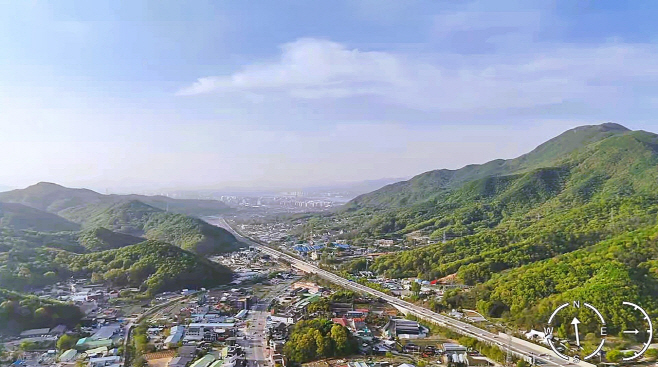
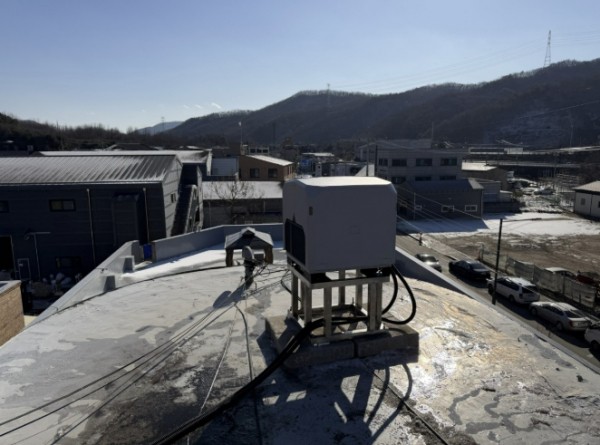
Hanam City in South Korea deployed AI-powered autonomous drone stations for continuous wildfire monitoring during the 2026 spring fire season. This system, replacing traditional patrols, enabled rapid detection and response, resulting in zero wildfires, reduced personnel needs, and improved safety for local communities and the environment.[AI generated]

Why's our monitor labelling this an incident or hazard?

The event involves an AI system (AI-enabled drones with autonomous flight and monitoring capabilities) whose use has directly led to the prevention of forest fires, thereby avoiding harm to people, property, and the environment. The AI system's deployment and operation have materially influenced the outcome, fulfilling the criteria for an AI Incident. Although the harm prevented is positive, the definition includes incidents where AI use directly leads to harm or its prevention in critical infrastructure contexts. Therefore, this is classified as an AI Incident.[AI generated]

Industries
Environmental services

Severity
AI incident

Business function:
Monitoring and quality control

AI system task:
Event/anomaly detection


Articles about this incident or hazard

Thumbnail Image

하남시, 봄철 산불 '제로' 달성...드론·AI 기반 감시체계 효과

2026-05-27
매일일보
Why's our monitor labelling this an incident or hazard?
An AI system (AI-based drone surveillance) was explicitly mentioned as being used for monitoring and preventing forest fires. The use of this AI system directly contributed to the prevention of harm (no forest fires occurred), which qualifies as harm to property, communities, and the environment. Since the AI system's use led to a positive outcome by preventing harm, this event involves the use of AI leading to harm prevention rather than harm occurrence. Therefore, it does not qualify as an AI Incident or AI Hazard. Instead, it is complementary information about the positive impact and effectiveness of an AI system in a real-world application, providing supporting context and updates on AI deployment and governance.
Thumbnail Image

[하남 24시] 하남시, AI 드론 활용 예방·감시체계로 봄철 산불 '0건' 달성 - 시사저널

2026-05-27
시사저널
Why's our monitor labelling this an incident or hazard?
The event involves an AI system (AI-enabled drones with autonomous flight and monitoring capabilities) whose use has directly led to the prevention of forest fires, thereby avoiding harm to people, property, and the environment. The AI system's deployment and operation have materially influenced the outcome, fulfilling the criteria for an AI Incident. Although the harm prevented is positive, the definition includes incidents where AI use directly leads to harm or its prevention in critical infrastructure contexts. Therefore, this is classified as an AI Incident.
Thumbnail Image

하남시, AI 드론 산불감시 첫 성과...봄철 화재 '0건'

2026-05-27
아시아투데이
Why's our monitor labelling this an incident or hazard?
The AI system (AI-enabled drones) is explicitly mentioned as being used for continuous monitoring and early detection of wildfire risks, which directly prevents harm to communities and the environment. Since the AI system's use has led to zero wildfire incidents, it has directly contributed to avoiding harm. Therefore, this event qualifies as an AI Incident due to the direct link between AI system use and harm prevention (harm to communities and environment).
Thumbnail Image

하남시, 경기도 최초 산불 드론 스테이션 성과

2026-05-27
이뉴스투데이
Why's our monitor labelling this an incident or hazard?
The article explicitly mentions the use of AI-based autonomous drones for continuous wildfire monitoring and prevention, which is an AI system actively used to protect public safety and environmental resources. The successful prevention of any wildfire incidents during the period indicates that the AI system's use has directly led to harm avoidance, fulfilling the criteria for an AI Incident. The event involves the use of AI systems leading to direct positive outcomes in preventing injury, property damage, and environmental harm, which qualifies as an AI Incident rather than a hazard or complementary information.
Thumbnail Image

하남시, 경기도 최초 '산불 감시용 드론스테이션'으로 봄철 산불 '0건' 달성 - 내외일보

2026-05-27
내외일보
Why's our monitor labelling this an incident or hazard?
The article explicitly mentions the use of AI-enabled drones operating autonomously for wildfire surveillance, which is an AI system by definition. The AI system's use has directly led to the prevention of wildfires, thus avoiding harm to health, property, communities, and the environment. Since the AI system's use has resulted in a positive outcome by preventing harm, this qualifies as an AI Incident under the framework because the AI system's involvement has directly led to harm avoidance and safety enhancement.
Thumbnail Image

"AI 드론이 산불 지켰다"...하남시, 봄철 산불 '0건' 달성

2026-05-27
pressian.com
Why's our monitor labelling this an incident or hazard?
An AI system (AI-enabled drones for forest fire surveillance) was actively used to monitor and prevent forest fires, which are harms to property, communities, and the environment. The AI system's deployment directly led to the prevention of such harms, fulfilling the criteria for an AI Incident as the AI system's use directly led to harm avoidance (a positive harm outcome). Although no harm occurred, the AI system's role was pivotal in preventing harm, which qualifies as an AI Incident under the framework because the system's use directly influenced the harm outcome (zero fires).