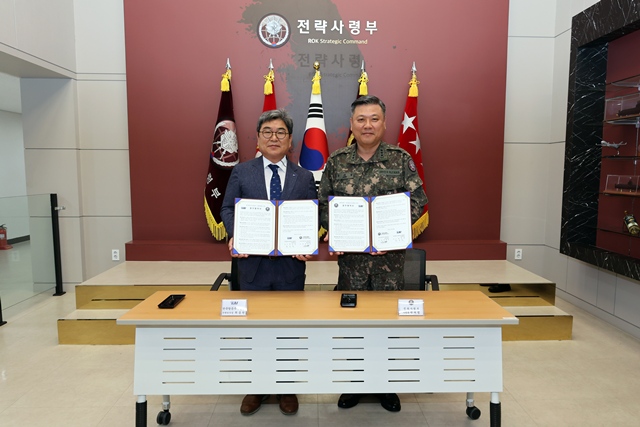
KAI and South Korea's Strategic Command Partner on AI-Driven Military Systems

Thumbnail Image

The information displayed in the AIM should not be reported as representing the official views of the OECD or of its member countries.

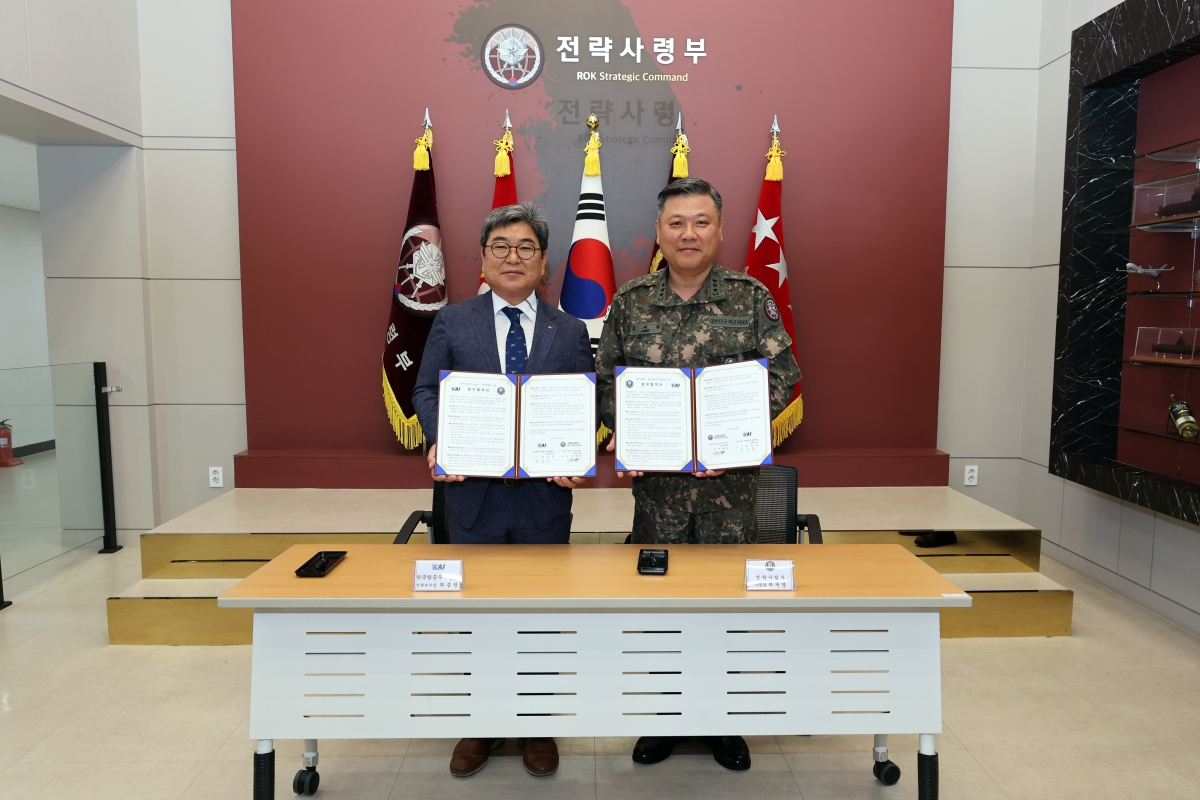
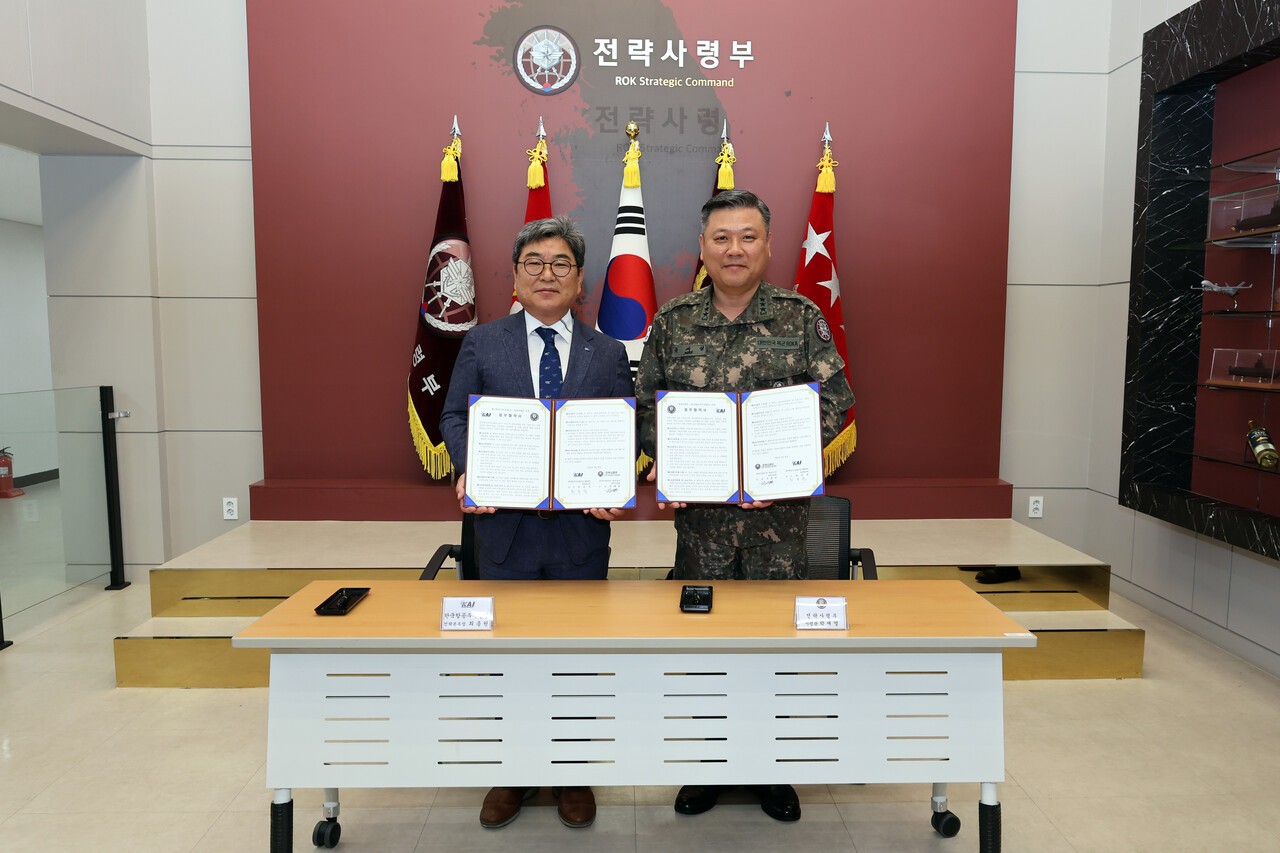
Korea Aerospace Industries (KAI) and South Korea's Strategic Command signed an agreement to jointly develop advanced military technologies, including AI-based pilots, unmanned systems, and networked combat platforms. While no harm has occurred, the collaboration highlights potential future risks associated with deploying AI in military applications.[AI generated]

Why's our monitor labelling this an incident or hazard?

The event involves AI systems in development and use for military applications, which could plausibly lead to future harms given the nature of AI-enabled weapons and autonomous systems. However, no actual harm or incident has occurred or is reported. Therefore, this event fits the definition of an AI Hazard, as it highlights the potential for future harm through the development and deployment of AI-based military technologies.[AI generated]
AI principles
SafetyRespect of human rights

Industries
Government, security, and defence

Severity
AI hazard

Business function:
Research and development

AI system task:
Recognition/object detectionGoal-driven organisation


Articles about this incident or hazard

Thumbnail Image

KAI, 전략사령부와 맞손...첨단 전력 개발 협력 - 경제 | 기사 - 더팩트

2026-05-29
더팩트
Why's our monitor labelling this an incident or hazard?
The event involves AI systems in development and use for military applications, which could plausibly lead to future harms given the nature of AI-enabled weapons and autonomous systems. However, no actual harm or incident has occurred or is reported. Therefore, this event fits the definition of an AI Hazard, as it highlights the potential for future harm through the development and deployment of AI-based military technologies.
Thumbnail Image

KAI, 전략사령부와 맞손...AI·우주 기반 미래전 체계 구축 나선다

2026-05-29
디지털데일리
Why's our monitor labelling this an incident or hazard?
The event involves AI systems in development and intended use for military applications, but no harm or incident has occurred yet. The article highlights potential future capabilities and cooperation rather than any malfunction, misuse, or harm caused by AI. Therefore, it represents a plausible future risk context but does not describe an actual AI Incident or immediate hazard. It is best classified as Complementary Information, providing context on AI development and strategic collaboration in defense without reporting harm or imminent risk.
Thumbnail Image

KAI, 전략사령부와 미래 전장 대응 협력

2026-05-29
데일리안
Why's our monitor labelling this an incident or hazard?
The article explicitly mentions AI systems being developed and integrated into military platforms, including AI pilots and autonomous unmanned systems. Although no actual harm or incident is described, the nature of these AI systems—military AI with surveillance, strike, and command capabilities—implies a credible risk of future harm if deployed or misused. The event is about cooperation and development, not about a realized harm or malfunction, so it does not qualify as an AI Incident. It is not merely complementary information because the focus is on the development and strategic deployment of AI-enabled military systems with inherent risks. Hence, it fits the definition of an AI Hazard.
Thumbnail Image

KAI-전략사령부, 첨단 국방 전력 협력 체계 강화

2026-05-29
쿠키뉴스
Why's our monitor labelling this an incident or hazard?
The article explicitly mentions AI systems such as the AI pilot 'K-AILOT' and autonomous control technologies being developed for future air combat systems. However, it only reports on a cooperation agreement and plans for future development without any actual harm or malfunction. Since no harm has occurred and the article does not describe any near-miss or credible immediate risk, it does not qualify as an AI Incident or AI Hazard. It is not merely general AI news but a strategic cooperation announcement with implications for future AI military applications. Therefore, it fits best as Complementary Information, providing context on AI development and governance in defense.
Thumbnail Image

KAI, 전략사령부와 미래전 대응·첨단 전력 강화 위한 협력 나선다

2026-05-29
서울경제
Why's our monitor labelling this an incident or hazard?
The event involves AI systems in development and intended use for military purposes, which could plausibly lead to future harms given the nature of autonomous weapons and AI in warfare. However, no actual harm or incident has occurred or is reported. Therefore, this event fits the definition of an AI Hazard, as it plausibly could lead to AI incidents in the future due to the deployment of AI-enabled military systems, but no direct or indirect harm has yet materialized.
Thumbnail Image

KAI, 전략사령부와 전략적 파트너십 "항공우주 기술 적극 공유

2026-05-29
이투데이
Why's our monitor labelling this an incident or hazard?
The article explicitly mentions AI as part of advanced technologies to be shared and developed collaboratively, indicating AI system involvement. However, it does not describe any harm caused or any malfunction or misuse of AI systems. The focus is on strategic partnership and future-oriented cooperation, which fits the definition of Complementary Information. There is no direct or indirect harm reported, nor a credible immediate risk of harm. Hence, it is not an AI Incident or AI Hazard but rather complementary information about AI ecosystem developments in defense.
Thumbnail Image

KAI, 전략사령부와 AI·무인체계 등 미래전 대응 '맞손'

2026-05-29
서울신문
Why's our monitor labelling this an incident or hazard?
The event involves AI systems in development and intended use for military applications, including AI pilots and autonomous systems, which could plausibly lead to significant impacts in future warfare. However, there is no indication of any harm, malfunction, or misuse having occurred yet. Therefore, this event represents a potential future risk scenario related to AI in military contexts, qualifying it as an AI Hazard rather than an Incident or Complementary Information. It is not unrelated because AI systems are explicitly involved and the focus is on their strategic development and future deployment.
Thumbnail Image

KAI·전략사령부, 미래전 대응 '공동 전선' 구축...MUM-T·우주 등 첨단전력 확보키로

2026-05-29
매일일보
Why's our monitor labelling this an incident or hazard?
The article explicitly mentions AI-based autonomous flight control and AI pilot technology being developed and integrated into military unmanned systems. Although no actual harm or incident is described, the nature of these AI systems—autonomous combat and surveillance drones—implies a credible risk of future harm, such as injury or escalation of conflict. The event concerns the development and strategic deployment of AI-enabled military systems, which fits the definition of an AI Hazard due to plausible future harm. There is no indication of realized harm or incident, nor is the article primarily about governance or societal responses, so it is not an AI Incident or Complementary Information.
Thumbnail Image

KF-21 넘어 AI 공중전으로...KAI, 전략사령부와 미래 전력 협력 - 월요신문

2026-05-29
월요신문
Why's our monitor labelling this an incident or hazard?
The article involves AI systems explicitly, such as AI pilots and autonomous unmanned combat systems, indicating AI system involvement. However, it only discusses development and cooperation efforts without any mention of harm, malfunction, or misuse leading to injury, rights violations, or other harms. Therefore, it does not qualify as an AI Incident. Since it does not describe any specific event where AI use could plausibly lead to harm imminently, it is not an AI Hazard either. The article mainly provides information about strategic cooperation and future AI technology development, which fits the definition of Complementary Information as it enhances understanding of AI ecosystem developments and governance responses without reporting new harm or risk events.