AI Chatbots and Social Media Pose Risks to Vulnerable Children in Hungary

Thumbnail Image

The information displayed in the AIM should not be reported as representing the official views of the OECD or of its member countries.

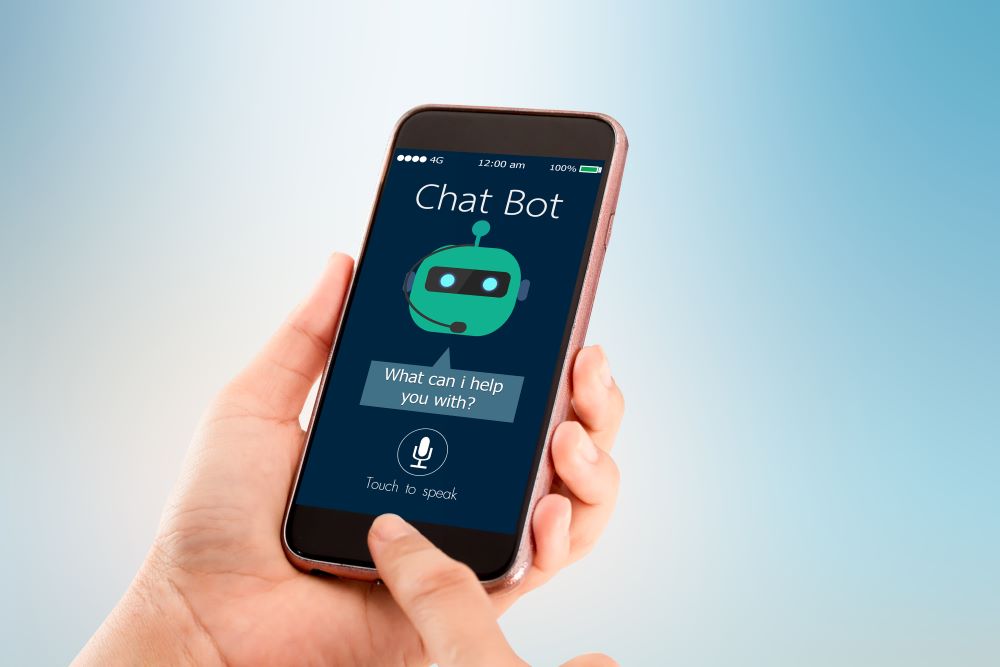
ESET cybersecurity experts warn that children in Hungary often form emotional attachments to AI chatbots, leading to risks such as emotional harm, misinformation, and privacy breaches. Sharing selfies on social media further increases long-term security and data protection concerns for young users.[AI generated]

Why's our monitor labelling this an incident or hazard?

The involvement of AI chatbots is explicit, and the concern is about their use leading to possible harm to vulnerable users (children and young people). Since no actual harm or incident is described, but a credible risk is highlighted, this qualifies as an AI Hazard under the framework, as the AI system's use could plausibly lead to harm without proper controls.[AI generated]
AI principles
Privacy & data governanceHuman wellbeing

Industries
Media, social platforms, and marketing

Affected stakeholders
Children

Harm types
PsychologicalHuman or fundamental rights

Severity
AI hazard

AI system task:
Interaction support/chatbots


Articles about this incident or hazard

Thumbnail Image

Figyelmeztetnek a szakértők: óriási veszély leselkedik a gyerekekre

2026-05-31
hirstart.hu
Why's our monitor labelling this an incident or hazard?
The involvement of AI chatbots is explicit, and the concern is about their use leading to possible harm to vulnerable users (children and young people). Since no actual harm or incident is described, but a credible risk is highlighted, this qualifies as an AI Hazard under the framework, as the AI system's use could plausibly lead to harm without proper controls.
Thumbnail Image

Figyelmeztetnek a szakértők: óriási veszély leselkedik a gyerekekre

2026-05-31
ATV.hu
Why's our monitor labelling this an incident or hazard?
The article explicitly involves AI systems (AI chatbots) and discusses their use by children, emphasizing the potential for harm such as mental health impacts, misinformation, privacy violations, and exposure to harmful content. Although it references tragic stories and risks, it does not describe a concrete, specific AI Incident where harm has already materialized. Instead, it highlights plausible future harms and the need for controls and human support to mitigate these risks. Therefore, the event fits the definition of an AI Hazard, as it concerns circumstances where AI system use could plausibly lead to harm but does not document a realized incident.
Thumbnail Image

Amikor a chatbot lesz a gyerek bizalmasa: veszélyekre figyelmeztetnek a szakértők

2026-05-30
Uj Magyar Szo
Why's our monitor labelling this an incident or hazard?
The article explicitly identifies AI chatbots as the systems involved and describes realized harms including emotional harm to children, misinformation, privacy breaches, and potential exploitation. These harms fall under injury or harm to health (mental and emotional), violations of rights (privacy), and harm to communities (vulnerable groups). The involvement of AI chatbots in causing these harms is direct through their use and outputs. Hence, this is an AI Incident rather than a hazard or complementary information.
Thumbnail Image

A gyerekek és fiatalok sokszor bizalmas partnerként tekintenek az AI chatbotokra

2026-05-30
alon.hu
Why's our monitor labelling this an incident or hazard?
The article clearly involves AI systems (AI chatbots) and discusses their use and potential misuse by children and young people. It identifies multiple potential harms including mental health risks, misinformation, privacy violations, and emotional harm. However, it does not describe a concrete event where these harms have directly or indirectly occurred, but rather highlights the plausible risks and the need for caution and education. Therefore, the event fits the definition of an AI Hazard, as it plausibly could lead to AI Incidents if not properly managed, but no specific incident is reported.
Thumbnail Image

Sok gyerek bizalmas partnerként tekint az AI chatbotokra

2026-05-30
civishir.hu
Why's our monitor labelling this an incident or hazard?
The article clearly involves AI systems (AI chatbots) and discusses their use and potential misuse by vulnerable users (children and young people). It identifies multiple risks that could plausibly lead to harm, such as emotional harm, misinformation, privacy violations, and mental health issues. However, it does not describe a concrete event where harm has already occurred due to the AI system's development, use, or malfunction. The focus is on raising awareness and advising on safe practices to prevent harm. Therefore, the event fits the definition of an AI Hazard, as it plausibly could lead to harm but does not document a realized harm incident.
Thumbnail Image

ESET: a chatbotok és a szelfik is veszélybe sodorhatják a sérülékeny gyerekeket

2026-05-30
Növekedés.hu
Why's our monitor labelling this an incident or hazard?
The article explicitly involves AI systems (AI chatbots) and their use by children. It describes direct harms such as emotional and mental health risks, misinformation, and privacy breaches resulting from AI chatbot interactions and sharing of selfies online. These harms fall under injury or harm to health (mental/emotional) and violations of privacy rights. The involvement of AI is central, and the harms are realized rather than hypothetical. Hence, the event meets the criteria for an AI Incident rather than a hazard or complementary information.
Thumbnail Image

Chatbotok és szelfik: így formálja a digitális világ a gyerekek biztonságát

2026-05-29
Prim Online
Why's our monitor labelling this an incident or hazard?
The article explicitly mentions AI chatbots and their potential to cause harm through misuse or overreliance, such as emotional attachment or misinformation, which could plausibly lead to harm. It also discusses privacy risks from sharing selfies on social media. However, it does not describe any concrete event where harm has occurred due to AI system malfunction or misuse. The focus is on raising awareness and advising on safe practices, which fits the definition of an AI Hazard or Complementary Information. Since the article mainly provides expert analysis and guidance without reporting a specific AI-related harm or incident, it is best classified as Complementary Information.
Thumbnail Image

ESET: Az AI-chatbotok kockázatai a gyerekeknél

2026-05-30
BUMM.sk
Why's our monitor labelling this an incident or hazard?
The article clearly involves AI systems (AI chatbots) and discusses their use and potential misuse by children, which could plausibly lead to harms such as mental health issues, misinformation, privacy breaches, and emotional harm. However, it does not describe a concrete event where such harm has already occurred or a specific malfunction or misuse leading to realized harm. The focus is on raising awareness of potential risks and advising on mitigation strategies. Therefore, the event fits the definition of an AI Hazard, as it highlights plausible future harms stemming from AI chatbot use by vulnerable populations without reporting a specific incident of harm.