Russian Academics Warn AI Use May Harm Children's Critical Thinking

Thumbnail Image

The information displayed in the AIM should not be reported as representing the official views of the OECD or of its member countries.

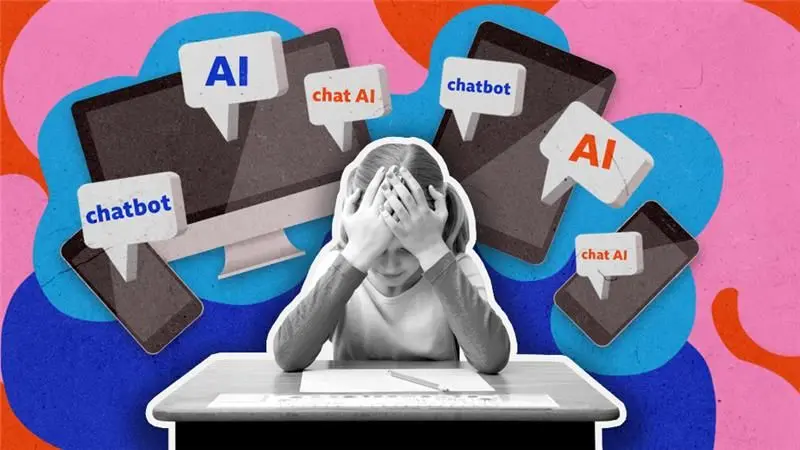
Russian academic Vladislav Lektorski and other experts warn that widespread use of AI systems like ChatGPT by children could impair their critical thinking and lead to uncritical acceptance of false information. The concern highlights potential cognitive and educational harm, though no actual incidents have been reported yet.[AI generated]

Why's our monitor labelling this an incident or hazard?

The article centers on a warning about the plausible future harm of AI systems like ChatGPT causing children to lose critical thinking skills and blindly trust AI outputs, which could lead to misinformation acceptance. This fits the definition of an AI Hazard, as it describes a credible risk that AI use could plausibly lead to harm (educational and cognitive harm) but does not describe an actual incident or realized harm. There is no mention of a specific AI system malfunction or misuse causing direct harm, nor is there a governance or societal response focus that would make it Complementary Information. Therefore, the classification is AI Hazard.[AI generated]
AI principles
Human wellbeingDemocracy & human autonomy

Industries
Education and training

Affected stakeholders
Children

Harm types
PsychologicalPublic interest

Severity
AI hazard

AI system task:
Content generationInteraction support/chatbots


Articles about this incident or hazard

Thumbnail Image

Da li ChatGPT zaglupljuje našu decu

2026-05-31
Politika
Why's our monitor labelling this an incident or hazard?
The article centers on a warning about the plausible future harm of AI systems like ChatGPT causing children to lose critical thinking skills and blindly trust AI outputs, which could lead to misinformation acceptance. This fits the definition of an AI Hazard, as it describes a credible risk that AI use could plausibly lead to harm (educational and cognitive harm) but does not describe an actual incident or realized harm. There is no mention of a specific AI system malfunction or misuse causing direct harm, nor is there a governance or societal response focus that would make it Complementary Information. Therefore, the classification is AI Hazard.
Thumbnail Image

Naučnici upozoravaju da će deca prestati da razmišljaju pod uticajem AI

2026-05-31
Tanjug News Agency
Why's our monitor labelling this an incident or hazard?
The article involves AI systems (ChatGPT) and discusses a plausible risk that their use could lead to harm in the form of reduced critical thinking skills in children, which is a harm to individuals' cognitive health and educational development. However, no actual harm has been reported yet; the concern is about potential future harm. Therefore, this qualifies as an AI Hazard rather than an AI Incident or Complementary Information.
Thumbnail Image

Akademik upozorava: Deca će pod uticajem veštačke inteligencije prestati da razmišljaju

2026-05-31
Novosti
Why's our monitor labelling this an incident or hazard?
The article discusses a credible concern that the use of AI systems by children might plausibly lead to harm in the form of diminished critical thinking skills and acceptance of false information. This is a potential future harm rather than a realized harm. There is no description of an actual event where AI caused injury, rights violations, or other harms. Therefore, the event qualifies as an AI Hazard because it plausibly could lead to harm but no harm has yet occurred or been documented.
Thumbnail Image

Naučnici upozoravaju da će deca prestati da razmišljaju pod uticajem VI

2026-05-31
ЈМУ Радио-телевизија Војводине
Why's our monitor labelling this an incident or hazard?
The event involves AI systems (ChatGPT and similar) and discusses the potential for harm to children's cognitive abilities and critical thinking. No direct harm is reported as having occurred yet, but the expert warns of a credible risk that children might stop thinking critically and accept false information from AI outputs. This fits the definition of an AI Hazard, as it plausibly could lead to harm (harm to health of groups of people in terms of cognitive development and misinformation). There is no indication of an actual incident or realized harm, nor is the article primarily about responses or updates, so it is not an AI Incident or Complementary Information.
Thumbnail Image

Sumorne prognoze za djecu: "Ako mu AI kaže da je 2 puta 2 jednako 5, povjerovaće"

2026-05-31
BIGportal.ba
Why's our monitor labelling this an incident or hazard?
The event involves AI systems (ChatGPT) and their use by children in education. The concern is that reliance on AI-generated answers may impair critical thinking and lead to acceptance of false information, which can be considered harm to individuals' cognitive development and education quality. Since no actual harm is reported but a credible risk is highlighted, this fits the definition of an AI Hazard, where AI use could plausibly lead to harm in the future.
Thumbnail Image

Alarm iz naučnih krugova! Ruski akademik upozorio na veliku opasnost: "Mislim da se već primećuje među školskom decom"

2026-05-31
kurir.rs
Why's our monitor labelling this an incident or hazard?
The article discusses a credible potential harm stemming from the use of AI systems in education, specifically the risk that students might stop thinking critically and accept false information generated by AI. This aligns with the definition of an AI Hazard, as it plausibly could lead to harm (loss of critical thinking and misinformation acceptance) but no actual harm event is described. There is no direct or indirect evidence of realized harm or incident, only a warning and concern about future risks.
Thumbnail Image

Sumorne prognoze za decu: "Ako mu AI kaže da je 2 puta 2 jednako 5, poverovaće"

2026-05-31
B92
Why's our monitor labelling this an incident or hazard?
The event involves the use of AI systems (ChatGPT and similar) and highlights a plausible risk that reliance on AI-generated answers without critical evaluation could lead to harm in education and cognitive development. Although no specific harm has yet been documented in the article, the described scenario plausibly leads to an AI Incident in the future if children accept false information from AI as truth. Therefore, this is best classified as an AI Hazard, as the harm is potential and linked to the use of AI systems.
Thumbnail Image

Турция иска да повтори постиженията, постигнати в отбранителната промишленост, и в изкуствения интелект

2026-05-28
Money.bg
Why's our monitor labelling this an incident or hazard?
The content is primarily about strategic planning, development, and investment in AI technologies by Turkey and its partners. There is no mention of any direct or indirect harm caused by AI systems, nor any credible risk of imminent harm described. The article serves as an informative update on AI ecosystem developments and governmental initiatives, fitting the definition of Complementary Information rather than an AI Incident or AI Hazard.
Thumbnail Image

"Мистрал" отхвърли критиките на папата срещу използването на ИИ за военни цели и каза, че Европа трябва да развива тази технология

2026-05-28
Българска Телеграфна Агенция
Why's our monitor labelling this an incident or hazard?
The article explicitly references the use of AI for military purposes, which is a domain with high potential for harm. The CEO's statements acknowledge the necessity of developing AI defense tools in response to adversaries using AI, implying a credible risk of AI-enabled military conflict or escalation. However, the article does not describe any actual incident or harm caused by AI systems, only the strategic development and potential use. Thus, it fits the definition of an AI Hazard, where the development and intended use of AI systems could plausibly lead to harm, but no harm has yet materialized.
Thumbnail Image

Заблуждава ли Chat G-P-T децата? : "Ако изкуственият интелект им каже, че 2 по 2 е равно на 5, те ще го повярват"

2026-06-01
Вестник Струма On-linee
Why's our monitor labelling this an incident or hazard?
The article involves AI systems (ChatGPT) and discusses the potential misuse or overreliance on AI outputs by children, which could plausibly lead to harm in the form of diminished critical thinking skills and acceptance of false information. This fits the definition of an AI Hazard, as it describes a credible risk that AI use could lead to harm in the future, but no actual harm or incident is reported. Therefore, it is classified as an AI Hazard rather than an AI Incident or Complementary Information.
Thumbnail Image

Путин обявява международен съюз за изкуствен интелект -- Novinata.bg

2026-05-29
Novinata.bg
Why's our monitor labelling this an incident or hazard?
The content centers on a political and strategic initiative to foster international AI collaboration and development, with no direct or indirect harm reported. The mention of potential labor market changes is a forecasted impact rather than an incident. The article also includes information about new AI models developed by Russian companies, but this is presented as general development news without any associated harm or risk event. Therefore, the article fits best as Complementary Information, providing context and updates on AI ecosystem developments and governance initiatives without describing an AI Incident or AI Hazard.
Thumbnail Image

BMW Group и Mistral AI развиват изкуствения интелект в симулациите на катастрофи

2026-05-29
auto-press.net
Why's our monitor labelling this an incident or hazard?
The event involves the use and development of AI systems (Large Industry Models) in crash simulations, which qualifies as AI system involvement. However, the article does not report any injury, violation of rights, disruption, or other harms caused by these AI systems. Nor does it suggest plausible future harm or risks stemming from these AI applications. The content is primarily about technological development and collaboration, without any indication of incidents or hazards. Therefore, it fits best as Complementary Information, providing context and updates on AI development and its application in industry.
Thumbnail Image

Научници упозоравају да ће деца престати да размишљају под утицајем АИ

2026-05-31
TV MOST
Why's our monitor labelling this an incident or hazard?
The article describes a credible concern that the use of AI systems in education could plausibly lead to harm in the form of reduced critical thinking and cognitive skills among children. This fits the definition of an AI Hazard because it involves the use of AI systems and a plausible risk of harm, but no direct or indirect harm has been reported as having occurred. Therefore, it is classified as an AI Hazard rather than an AI Incident or Complementary Information.
Thumbnail Image

Академик упозорава: Деца ће под утицајем вештачке интелигенције престати да размишљају

2026-05-31
Novosti
Why's our monitor labelling this an incident or hazard?
The event involves AI systems (ChatGPT and similar) and discusses their use by children in education. The harm described is the potential loss of critical thinking and acceptance of false information, which is a plausible future harm linked to AI use. Since no actual harm or incident is reported, but a credible risk is highlighted, this fits the definition of an AI Hazard rather than an AI Incident or Complementary Information.
Thumbnail Image

Да ли ChatGPT заглупљује нашу децу

2026-05-31
Politika
Why's our monitor labelling this an incident or hazard?
The article centers on expert warnings about the potential negative impact of AI on children's cognitive abilities, specifically their critical thinking and reasoning skills. This represents a plausible future harm scenario where AI use could lead to educational harm if unchecked. Since no actual harm or incident is described, and the focus is on the potential risk and the need for boundaries in AI use, this fits the definition of an AI Hazard rather than an AI Incident or Complementary Information.
Thumbnail Image

Дјеца губе способност критичког размишљања због претјеране употребе АИ

2026-05-31
Glas Srpske
Why's our monitor labelling this an incident or hazard?
The event involves AI systems (e.g., ChatGPT) and their use by children in education, which could plausibly lead to harm in the form of diminished critical thinking abilities and intellectual development. However, the article presents this as a warning or risk rather than describing an actual incident where harm has occurred. Therefore, it fits the definition of an AI Hazard, as the development or use of AI systems could plausibly lead to harm, but no direct or indirect harm is reported as having happened yet.
Thumbnail Image

Руски научник упозорава да ће деца престати да размишљају под утицајем АИ - вероваће да је 2×2=5

2026-05-31
RT Balkan
Why's our monitor labelling this an incident or hazard?
The article explicitly involves AI systems (ChatGPT and similar platforms) used by children in education. The concern is about the use of AI leading to a plausible future harm—children losing the ability to think critically and blindly trusting AI outputs, which could result in educational and cognitive harm. No actual harm is reported as having occurred yet, so it is not an AI Incident. The focus is on the potential risk and the need for clear boundaries in AI use in education, fitting the definition of an AI Hazard.