Yongin City Installs AI Fire Suppression Systems in Public EV Charging Areas

Thumbnail Image

The information displayed in the AIM should not be reported as representing the official views of the OECD or of its member countries.

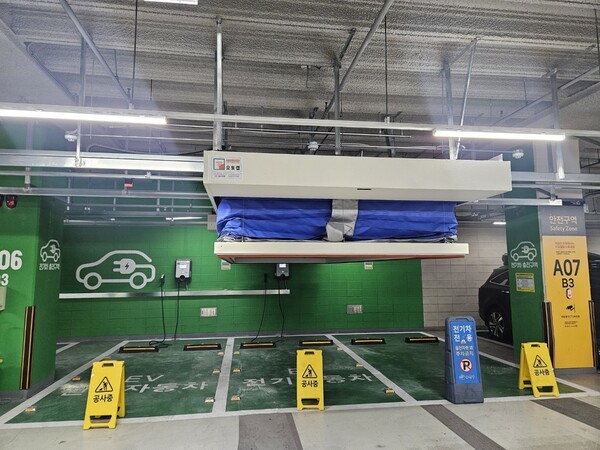
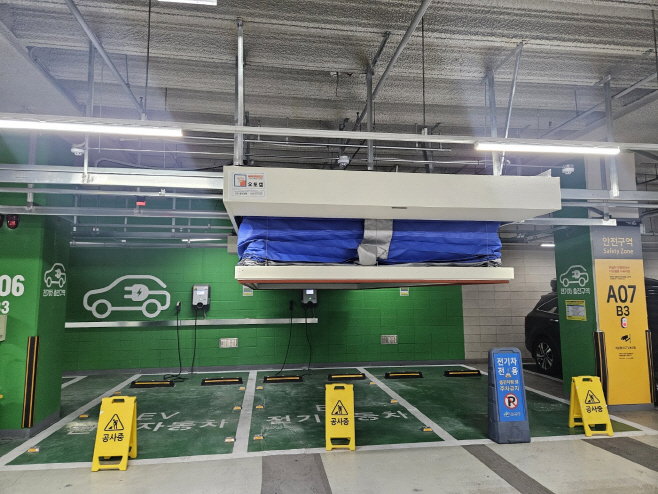
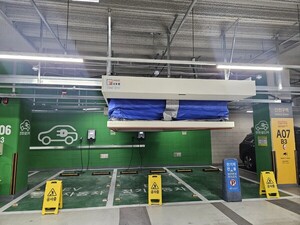
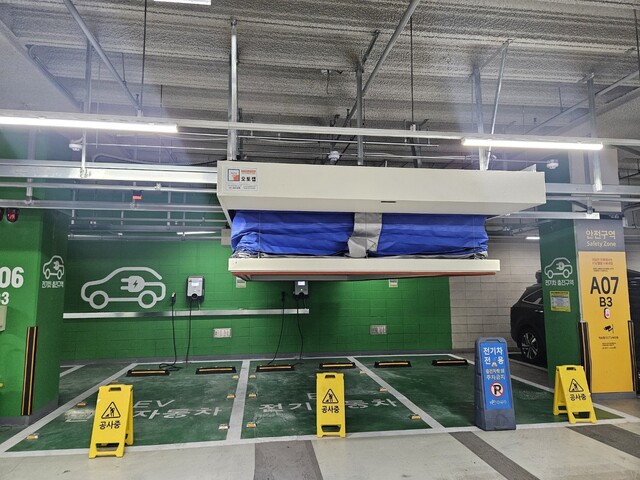
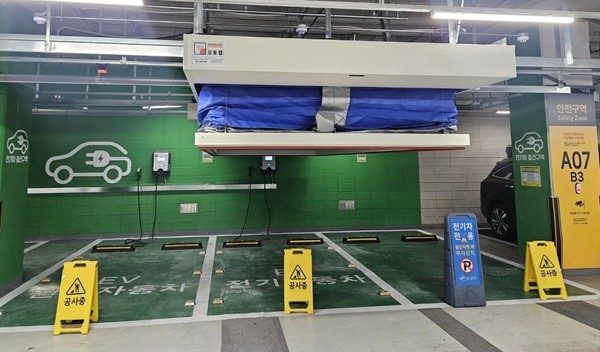
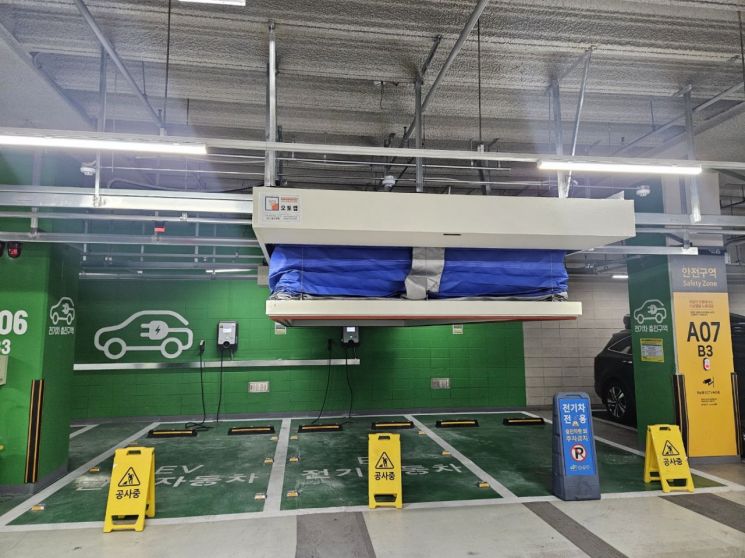
Yongin City, South Korea, is installing AI-powered automatic fire suppression systems in new public facilities' electric vehicle charging zones. Using thermal imaging and AI, the system detects fires and abnormal heat, then automatically activates extinguishers to prevent fire spread and minimize damage. This aims to enhance safety and prevent future fire-related harm.[AI generated]

Why's our monitor labelling this an incident or hazard?

An AI system is explicitly involved, as the system uses thermal imaging cameras and AI to monitor for fires and automatically activate fire suppression. The use of this AI system is intended to prevent harm to people, property, and the environment by early fire detection and suppression. Since the system is being introduced to mitigate potential fire hazards and no harm has yet occurred, this qualifies as an AI Hazard, reflecting a plausible future risk being addressed by AI technology.[AI generated]
Industries
Mobility and autonomous vehiclesEnergy, raw materials, and utilities

Severity
AI hazard

AI system task:
Event/anomaly detection


Articles about this incident or hazard

Thumbnail Image

용인시, 공공시설 전기차 충전구역에 'AI 자동소화장치' 설치

2026-06-04
연합뉴스
Why's our monitor labelling this an incident or hazard?
An AI system is explicitly involved, as the automatic fire extinguishing device uses AI with thermal imaging cameras to detect fires and activate suppression automatically. However, the article describes a preventive safety measure with no reported harm or incident occurring yet. The AI system's use is intended to prevent harm, so this is a plausible future harm mitigation scenario rather than an incident or hazard. The article focuses on the deployment and planned expansion of this AI safety technology, which is complementary information about AI applications and safety improvements rather than an incident or hazard.
Thumbnail Image

용인시, 공공시설 전기차 충전구역에 AI 자동소화장치 도입

2026-06-03
아시아경제
Why's our monitor labelling this an incident or hazard?
An AI system is explicitly involved, as the system uses thermal imaging cameras and AI to monitor for fires and automatically activate fire suppression. The use of this AI system is intended to prevent harm to people, property, and the environment by early fire detection and suppression. Since the system is being introduced to mitigate potential fire hazards and no harm has yet occurred, this qualifies as an AI Hazard, reflecting a plausible future risk being addressed by AI technology.
Thumbnail Image

용인시, 신축 공공시설에 AI 자동소화장치 도입 - 신아일보

2026-06-03
신아일보
Why's our monitor labelling this an incident or hazard?
The event involves the use of an AI system (AI-based automatic fire extinguishing system) designed to detect and respond to fires, which directly relates to safety and harm prevention. However, the article does not report any actual harm or incident caused by the AI system; rather, it describes the planned deployment of the system to reduce fire risks. Therefore, this is a case where the AI system's use could plausibly lead to harm prevention but no harm has yet occurred. This fits the definition of an AI Hazard, as the AI system's deployment could plausibly lead to preventing harm, and the system's use is intended to manage a critical safety risk.
Thumbnail Image

용인특례시, 공공시설 전기차 충전구역에 AI 자동소화장치 도입

2026-06-03
매일일보
Why's our monitor labelling this an incident or hazard?
An AI system is explicitly involved as it uses thermal imaging and AI to detect fires and automatically operate fire extinguishing equipment. The system's use aims to prevent harm by early detection and suppression of fires, which directly relates to harm prevention in property and public safety. Since the system is being introduced to prevent harm and no harm has yet occurred, this qualifies as an AI Hazard because it plausibly could lead to preventing an AI Incident (harm). It is not an incident because no harm has occurred yet, and it is not merely complementary information since the focus is on the deployment of an AI system with safety implications rather than updates or governance responses.
Thumbnail Image

지하 전기차 충전소 화재 걱정 마세요"...용인시, AI 자동소화장치 보급

2026-06-04
아시아투데이
Why's our monitor labelling this an incident or hazard?
The event involves the use of an AI system (AI automatic fire extinguishing system) designed to detect and respond to fires. However, the article does not report any actual fire incidents or harm caused by the AI system or the fires. Instead, it describes the deployment of AI technology to prevent or mitigate potential fire hazards. Therefore, this is a case of plausible future harm prevention, making it an AI Hazard rather than an AI Incident. It is not merely complementary information because the main focus is on the AI system's role in preventing harm, not on updates or responses to past incidents.
Thumbnail Image

용인시, 공공시설 전기차 충전구역에 AI 자동소화장치 도입 - 스마트비즈

2026-06-04
스마트비즈
Why's our monitor labelling this an incident or hazard?
The AI system is explicitly mentioned and is used for real-time detection and automatic response to fire hazards, which involves AI in its operation. However, the article describes a preventive safety installation and does not report any actual fire incidents or harm caused by the AI system or its malfunction. Therefore, no realized harm has occurred yet. The system's use could plausibly prevent harm, but the article does not describe any incident or malfunction leading to harm. Hence, this event is best classified as Complementary Information, as it provides information about a new AI safety application and its intended benefits without reporting an AI Incident or Hazard.
Thumbnail Image

전기차 화재 골든타임 지킨다... 용인특례시 AI 자동소화장치 설치

2026-06-04
포인트데일리
Why's our monitor labelling this an incident or hazard?
The event involves the use of an AI system (thermal imaging and automatic fire suppression) actively monitoring and responding to potential fire hazards. While no actual fire incident or harm has been reported yet, the system's deployment is intended to prevent injury, property damage, and environmental harm from EV fires. Therefore, this is a case where the AI system's use could plausibly lead to the prevention of harm, representing a hazard scenario rather than an incident. The article focuses on the planned installation and expected benefits, with no realized harm or incident described. Hence, it fits the definition of an AI Hazard.
Thumbnail Image

용인시, 공공건축물 전기차 화재 대응위해 AI 자동소화장치 도입

2026-06-04
브릿지경제
Why's our monitor labelling this an incident or hazard?
The event involves the use of an AI system (thermal imaging and automated fire suppression) actively used to prevent and mitigate fire incidents, which are harmful events. The AI system's use directly contributes to reducing injury, property damage, and environmental harm from electric vehicle fires. Therefore, this is an AI Incident as the AI system's use is directly linked to preventing and managing harm in a critical safety context.
Thumbnail Image

용인특례시, 공공시설 전기차 충전구역에 AI 자동소화장치 도입

2026-06-04
데일리안
Why's our monitor labelling this an incident or hazard?
An AI system is explicitly involved, as the automatic fire extinguishing device uses AI with thermal cameras to detect fires and respond autonomously. The event focuses on the use of AI to prevent harm (fire damage) to property and potentially people. However, the article describes a preventive safety measure and does not report any actual harm or incident caused by the AI system. Since no harm has occurred yet but the AI system is deployed to reduce plausible future harm, this qualifies as Complementary Information about AI deployment for safety enhancement rather than an AI Incident or AI Hazard.
Thumbnail Image

용인시, 전기차 충전구역 AI 자동소화장치 도입 - 서울파이낸스

2026-06-05
서울파이낸스
Why's our monitor labelling this an incident or hazard?
An AI system is explicitly involved, as the automatic fire extinguishing system uses AI to detect fires and respond autonomously. The event concerns the use of the AI system to prevent harm (fire damage and potential injury) in electric vehicle charging areas. Although no harm has yet occurred, the AI system's deployment is directly aimed at preventing injury and property damage, which are harms defined under the framework. Therefore, this event represents an AI Hazard because it plausibly leads to the prevention of harm through AI use, but no actual harm or incident has been reported yet.