AI-Generated Deepfake Scam Impersonates Greek Celebrity Anna Vissi

Thumbnail Image

The information displayed in the AIM should not be reported as representing the official views of the OECD or of its member countries.

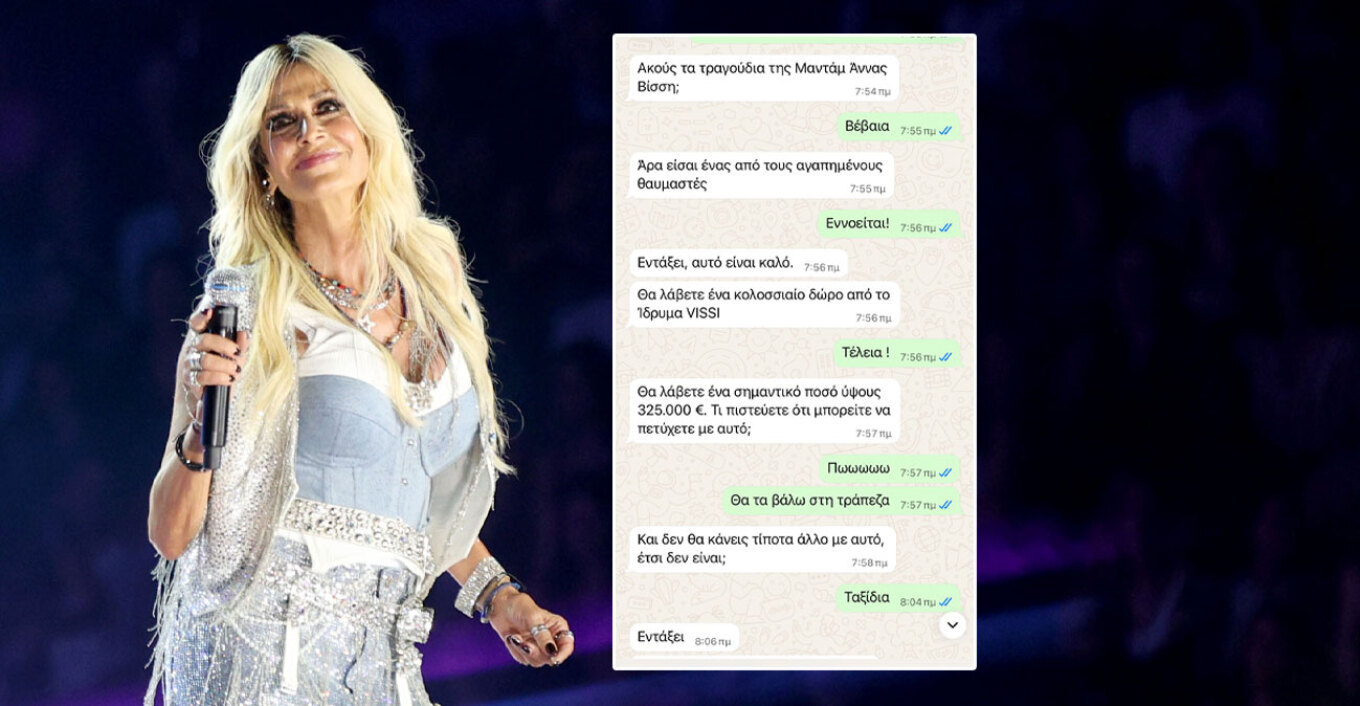
Scammers used AI to create fake videos and voices impersonating Greek singer Anna Vissi, promising large cash prizes to fans on TikTok. Victims were contacted via WhatsApp by a fake manager and tricked into sharing personal and banking information, resulting in financial harm. The incident occurred in Greece.[AI generated]

Why's our monitor labelling this an incident or hazard?

The use of AI to create fake videos and voice impersonations directly leads to harm by enabling a scam that deceives people and attempts to steal their personal information. This constitutes a violation of rights and harm to individuals, fitting the definition of an AI Incident because the AI system's use is central to the harm occurring. The harm is realized, not just potential, as victims are targeted and deceived.[AI generated]
AI principles
Transparency & explainabilityPrivacy & data governance

Industries
Media, social platforms, and marketingDigital security

Affected stakeholders
Consumers

Harm types
Economic/Property

Severity
AI incident

AI system task:
Content generation


Articles about this incident or hazard

Thumbnail Image

Νέα απάτη κυκλοφορεί στα social media εις βάρος της Άννας Βίσση

2026-06-03
zougla.gr
Why's our monitor labelling this an incident or hazard?
The use of AI to create fake videos and voice impersonations directly leads to harm by enabling a scam that deceives people and attempts to steal their personal information. This constitutes a violation of rights and harm to individuals, fitting the definition of an AI Incident because the AI system's use is central to the harm occurring. The harm is realized, not just potential, as victims are targeted and deceived.
Thumbnail Image

Απάτη μεγατόνων στο TikTok με την Άννα Βίσση: Τάζουν 325.000 ευρώ μέσω AI και ξαφρίζουν τραπεζικούς λογαριασμούς

2026-06-03
newsbreak
Why's our monitor labelling this an incident or hazard?
The event explicitly mentions the use of AI to create fake audiovisual material impersonating a celebrity, which is central to the scam's success. This AI-generated content directly leads to harm by deceiving victims into revealing sensitive banking information, resulting in theft from their accounts. Therefore, the AI system's use is directly linked to realized harm (financial fraud), fitting the definition of an AI Incident involving violations of property rights and harm to individuals.
Thumbnail Image

Άννα Βίσση: Νέα απάτη με το όνομά της - "Διευθύντρια" από τη Μολδαβία "μοίραζε" 325.000 ευρώ σε θαυμαστές

2026-06-03
www.topontiki.gr
Why's our monitor labelling this an incident or hazard?
The use of AI to generate fake videos and voices directly facilitates the scam, leading to realized harm through deception and potential financial loss. The AI system's involvement is central to the incident, as it enables the creation of convincing fake content that misleads victims. This meets the criteria for an AI Incident because the AI system's use has directly led to harm to individuals (harm to persons and violation of rights).
Thumbnail Image

Νέα απάτη στο όνομα της Αννας Βίσση: Η "διευθύντρια" από τη Μολδαβία μοίραζε... 325.000 ευρώ σε θαυμαστές

2026-06-03
taxydromos.gr
Why's our monitor labelling this an incident or hazard?
The use of AI to generate fake videos and voices that impersonate a real person to defraud victims directly leads to harm (financial and psychological) to individuals. The AI system's use in this scam is central to the incident, as it enables the creation of convincing fraudulent content that facilitates the scam. Therefore, this qualifies as an AI Incident due to realized harm caused by the AI system's use in fraudulent activity.
Thumbnail Image

Απάτη στο όνομα της Άννας Βίσση: Η "διευθύντρια" από τη Μολδαβία μοίραζε... 325.000 ευρώ σε θαυμαστές

2026-06-03
tothemaonline.com
Why's our monitor labelling this an incident or hazard?
The event involves the use of AI systems to generate realistic fake videos and audio impersonating a public figure, which are then used to mislead victims into a scam that results in financial loss. This constitutes direct harm to persons through deception and fraud enabled by AI technology. Therefore, it qualifies as an AI Incident because the AI system's use directly leads to realized harm (financial fraud) to individuals.
Thumbnail Image

Aπάτη στο TikTok με το όνομα της Άννας Βίσση - Υπόσχονταν "δώρο" €325.000 σε θαυμαστές - Το μήνυμα-παγίδα

2026-06-03
Dialogos
Why's our monitor labelling this an incident or hazard?
The event explicitly involves the use of AI to create fake videos impersonating a celebrity, which is central to the scam's success. The AI-generated content directly leads to harm by enabling fraudsters to deceive victims and attempt to steal their banking information. This meets the criteria for an AI Incident because the AI system's use has directly led to harm (financial and privacy-related) to people. The involvement of AI is clear and pivotal, and the harm is realized, not just potential.
Thumbnail Image

Απάτη με το όνομα της Άννας Βίσση: Υποσχέσεις για 325.000 ευρώ μέσω AI και ψεύτικων προφίλ

2026-06-03
Pagenews.gr
Why's our monitor labelling this an incident or hazard?
The article explicitly states that AI is used to create fake videos and synthetic voices impersonating a celebrity to perpetrate fraud. This use of AI directly facilitates the deception and subsequent financial harm to victims, fulfilling the criteria for an AI Incident. The harm is to individuals' financial security and privacy, which falls under harm to persons. The AI system's role is pivotal in making the scam more convincing and effective, thus directly contributing to the harm.
Thumbnail Image

Νέα απάτη στο όνομα της Άννας Βίσση: Η "διευθύντρια" από τη Μολδαβία μοίραζε... 325.000 ευρώ σε θαυμαστές

2026-06-03
news.makedonias.gr
Why's our monitor labelling this an incident or hazard?
The article explicitly mentions the use of AI to create fake videos and voices of the celebrity, which are then used in a scam to deceive fans and potentially steal money. This constitutes direct harm to people through fraud, fulfilling the criteria for an AI Incident. The AI system's development and use in generating deceptive content is a contributing factor to the realized harm.
Thumbnail Image

Νέα απάτη στο όνομα της Άννας Βίσση: Η "διευθύντρια" από τη Μολδαβία μοίραζε... 325.000 ευρώ σε θαυμαστές

2026-06-03
Lamia Report
Why's our monitor labelling this an incident or hazard?
The article explicitly mentions the use of artificial intelligence to create fake videos and voice messages impersonating Anna Vissi, which are used to scam people. The AI system's use in generating realistic but false content directly contributes to the harm experienced by victims of the scam. Therefore, this qualifies as an AI Incident because the AI system's use has directly led to harm to people (fraud and deception).
Thumbnail Image

Νέα απάτη στο όνομα της Άννας Βίσση: Η "διευθύντρια" από Μολδαβία μοίραζε... 325.000 ευρώ σε θαυμαστές (pics)

2026-06-03
Cyprus Times
Why's our monitor labelling this an incident or hazard?
The article explicitly mentions the use of artificial intelligence to create fake videos of Anna Vissi promising gifts, which is a clear example of AI-generated deepfake content. This AI-generated content is used as part of a scam that deceives victims into providing sensitive financial information, leading to potential financial harm. The AI system's involvement is in the use of AI-generated videos and profiles to perpetrate fraud, which directly causes harm to individuals. Hence, this qualifies as an AI Incident due to realized harm caused by malicious use of AI.