Anyang City Deploys AI and Drones for Real-Time Disaster Prevention

Thumbnail Image

The information displayed in the AIM should not be reported as representing the official views of the OECD or of its member countries.

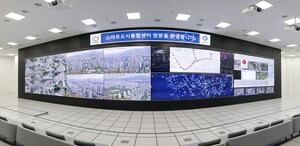
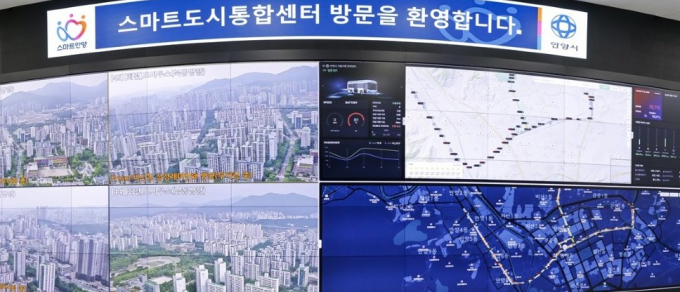
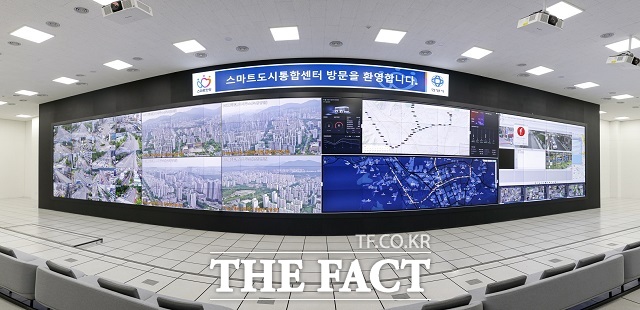
Anyang City, South Korea, has launched an AI-driven disaster response system using AI video analysis and autonomous drones to monitor flood-prone and heat-vulnerable areas. The system enables real-time detection, alerts, and rapid emergency response, aiming to prevent harm to citizens during summer natural disasters.[AI generated]

Why's our monitor labelling this an incident or hazard?

The event involves the use of AI systems for real-time monitoring, detection, and response to natural disasters, which directly aims to prevent injury or harm to people (harm category a) and harm to communities (d). Although no harm has yet occurred, the AI system's role is pivotal in preventing such harm. Therefore, this event represents an AI Hazard, as the AI system's use could plausibly lead to the prevention of harm from natural disasters. It is not an incident because no harm has occurred, nor is it merely complementary information or unrelated news.[AI generated]

Industries
Government, security, and defence

Severity
AI hazard

Business function:
Monitoring and quality control

AI system task:
Event/anomaly detection


Articles about this incident or hazard

Thumbnail Image

안양시, AI·드론 총동원한 여름철 재난 대응체계 가동 - 보도자료 | 기사 - 더팩트

2026-06-05
더팩트
Why's our monitor labelling this an incident or hazard?
The article explicitly mentions AI systems used for video analysis and autonomous drones for disaster monitoring and response, confirming AI system involvement. However, there is no report of any harm caused or any malfunction or misuse of the AI system. Instead, the AI is used proactively to prevent harm from natural disasters, which is a positive application. The event does not describe an AI Incident (no harm caused) or an AI Hazard (no plausible future harm from AI misuse or malfunction). It is not unrelated since AI is central to the described system. The main focus is on the deployment and operational use of AI in disaster management, which fits the definition of Complementary Information as it informs about governance and societal responses involving AI.
Thumbnail Image

안양시, 인공지능(AI)과 드론으로 기습 폭우·폭염 등 여름 재난 막는다

2026-06-05
서울Pn
Why's our monitor labelling this an incident or hazard?
The event involves the use of AI systems for real-time monitoring, detection, and response to natural disasters, which directly aims to prevent injury or harm to people (harm category a) and harm to communities (d). Although no harm has yet occurred, the AI system's role is pivotal in preventing such harm. Therefore, this event represents an AI Hazard, as the AI system's use could plausibly lead to the prevention of harm from natural disasters. It is not an incident because no harm has occurred, nor is it merely complementary information or unrelated news.
Thumbnail Image

안양시, 폭우·폭염 선제 대응 나선다

2026-06-05
뉴스프리존
Why's our monitor labelling this an incident or hazard?
The event involves the use of AI systems for disaster monitoring and response, which could plausibly lead to preventing harm to people and property. Since no harm has occurred yet and the AI system's role is in proactive monitoring and early warning, this constitutes a plausible risk mitigation scenario rather than an incident. Therefore, it fits the definition of an AI Hazard, as the AI system's use could plausibly lead to preventing or managing incidents related to natural disasters, but no direct harm or incident is described.
Thumbnail Image

[안양 소식] 여름철 맞아 AI·드론 등 기술 접목 자연재해 예방 추진 - 동행미디어 시대

2026-06-05
동행미디어 시대
Why's our monitor labelling this an incident or hazard?
The event involves the use of AI systems (AI video analysis and autonomous drones) in real-time monitoring and response to natural disasters, which directly contributes to preventing harm to people and communities. Since the AI system's use is actively helping to mitigate risks and protect citizens from injury or harm due to natural disasters, this qualifies as an AI Incident under the definition of harm to health and communities caused by the use of AI systems.
Thumbnail Image

안양시, "폭우·폭염 사각지대 줄여...주민들 안심된다" 호응 | 아주경제

2026-06-05
아주경제
Why's our monitor labelling this an incident or hazard?
The event involves the use of AI systems (AI video analysis, autonomous drones) actively monitoring and responding to natural disaster risks, which directly relates to preventing injury or harm to people and disruption of critical infrastructure. The AI system's outputs lead to real-time alerts and emergency actions, which are part of the disaster response. Since the AI system's use is directly linked to managing and mitigating harm, this qualifies as an AI Incident rather than a hazard or complementary information. The article reports the system's active operation and its role in harm prevention, not just potential or planned use.
Thumbnail Image

안양시, 여름철 재난 대응 AI+드론 스마트 방어망 구축

2026-06-05
브릿지경제
Why's our monitor labelling this an incident or hazard?
The event involves the use of an AI system for disaster monitoring and response, which is explicitly described as detecting flood signs and coordinating emergency actions. However, the article does not report any actual harm or incidents caused by the AI system; rather, it focuses on the deployment and intended benefits of the technology to prevent harm. Therefore, this is not an AI Incident. Since the system is operational and intended to prevent harm, and no plausible future harm or risk is indicated, it is not an AI Hazard either. The article primarily provides information about the AI system's deployment and its role in enhancing disaster response, which fits the definition of Complementary Information as it supports understanding of AI applications in public safety without reporting harm or risk.
Thumbnail Image

안양시, AI·드론 활용 여름철 재난 대응체계 가동

2026-06-05
비즈월드
Why's our monitor labelling this an incident or hazard?
The event involves the use of AI systems (AI video analysis and autonomous drones) in disaster management, which is explicitly mentioned. The AI system is used in its operational phase to detect flood risks and support emergency response, thus its use is central. No actual harm or incident is reported; rather, the system is intended to prevent harm by early detection and rapid response. Therefore, the event describes a plausible future harm scenario where the AI system's involvement could lead to either preventing or, if malfunctioning, causing harm. This fits the definition of an AI Hazard rather than an AI Incident or Complementary Information. It is not unrelated because AI systems are clearly involved and the event concerns their deployment in a safety-critical context.