SWM.AI and Lenovo Collaborate on Advanced Robo-Taxi AI Platform in Seoul

Thumbnail Image

The information displayed in the AIM should not be reported as representing the official views of the OECD or of its member countries.

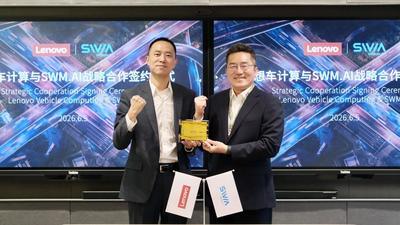
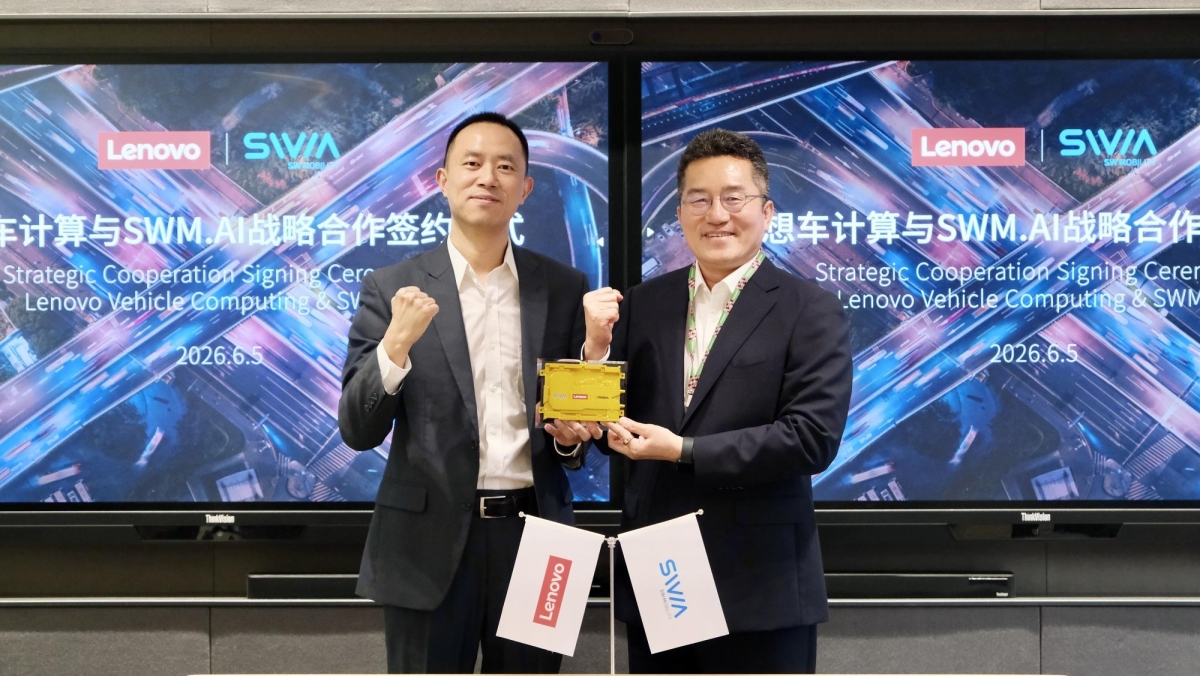
SWM.AI and Lenovo have partnered to jointly develop the AP-700, a high-performance AI computing platform for autonomous vehicles. Leveraging real-world data from robo-taxi operations in Seoul's Gangnam district, the collaboration aims to enhance fully driverless urban navigation, though no incidents or harm have been reported.[AI generated]

Why's our monitor labelling this an incident or hazard?

The article explicitly involves an AI system (the autonomous driving AI with perception, reasoning, and action capabilities) actively used in public urban environments. Although no harm or incident is reported, the nature of fully autonomous driving in complex city traffic presents plausible risks of injury, property damage, or disruption if the AI malfunctions or fails. Hence, the event fits the definition of an AI Hazard, as the AI system's use could plausibly lead to an AI Incident in the future. There is no indication of realized harm or incident, so it is not an AI Incident. The article is not merely complementary information or unrelated news, as it focuses on the deployment and capabilities of an AI system with inherent risk.[AI generated]
Industries
Mobility and autonomous vehicles

Severity
AI hazard

Business function:
Research and development

AI system task:
Recognition/object detectionReasoning with knowledge structures/planning


Articles about this incident or hazard

Thumbnail Image

SWM.AI, 레노버와 'AP-700' 공동 개발...강남 로보택시 기반 무인 자율주행 고도화 나선다

2026-06-08
서울신문
Why's our monitor labelling this an incident or hazard?
The event involves AI systems explicitly (autonomous driving AI models, sensor data processing, AI inference platforms) and their use in real-world urban driving. However, there is no indication of any injury, rights violation, disruption, or other harm caused or plausibly caused by these AI systems. The article is a report on development and cooperation aiming to improve AI technology, which fits the definition of Complementary Information as it provides context and updates on AI ecosystem developments without describing an incident or hazard.
Thumbnail Image

SWM.AI, 강남 누비는 '바퀴 위의 피지컬 AI' 로보택시로 완전 무인 자율주행 '정조준'

2026-06-08
비즈월드
Why's our monitor labelling this an incident or hazard?
The article explicitly involves an AI system (the autonomous driving AI with perception, reasoning, and action capabilities) actively used in public urban environments. Although no harm or incident is reported, the nature of fully autonomous driving in complex city traffic presents plausible risks of injury, property damage, or disruption if the AI malfunctions or fails. Hence, the event fits the definition of an AI Hazard, as the AI system's use could plausibly lead to an AI Incident in the future. There is no indication of realized harm or incident, so it is not an AI Incident. The article is not merely complementary information or unrelated news, as it focuses on the deployment and capabilities of an AI system with inherent risk.
Thumbnail Image

SWM.AI-레노버, 자율주행 플랫폼 공동개발

2026-06-08
뉴스핌
Why's our monitor labelling this an incident or hazard?
The event involves the development and planned use of an AI system (autonomous driving platform) that could plausibly lead to harm if malfunctioning or misused, given the safety-critical nature of autonomous vehicles. However, since no harm or malfunction has occurred or is reported, and the article centers on the collaboration and technology development, this qualifies as an AI Hazard. The potential for future harm is credible due to the nature of autonomous driving AI, but no incident has yet materialized.