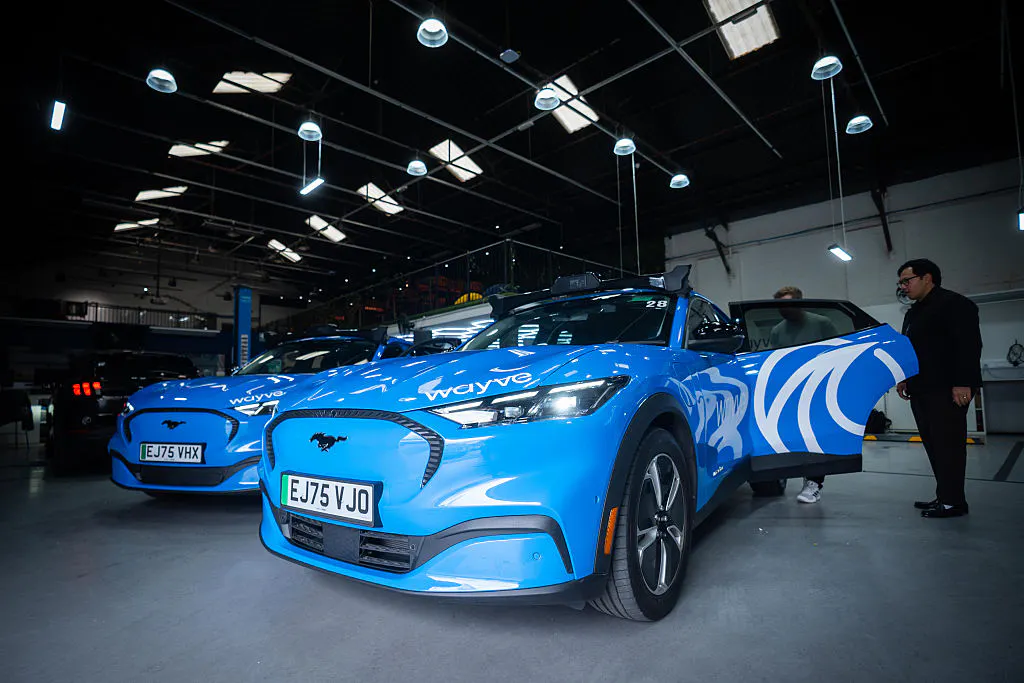
Uber and Wayve Prepare to Launch AI-Powered Robotaxis in London

Thumbnail Image

The information displayed in the AIM should not be reported as representing the official views of the OECD or of its member countries.

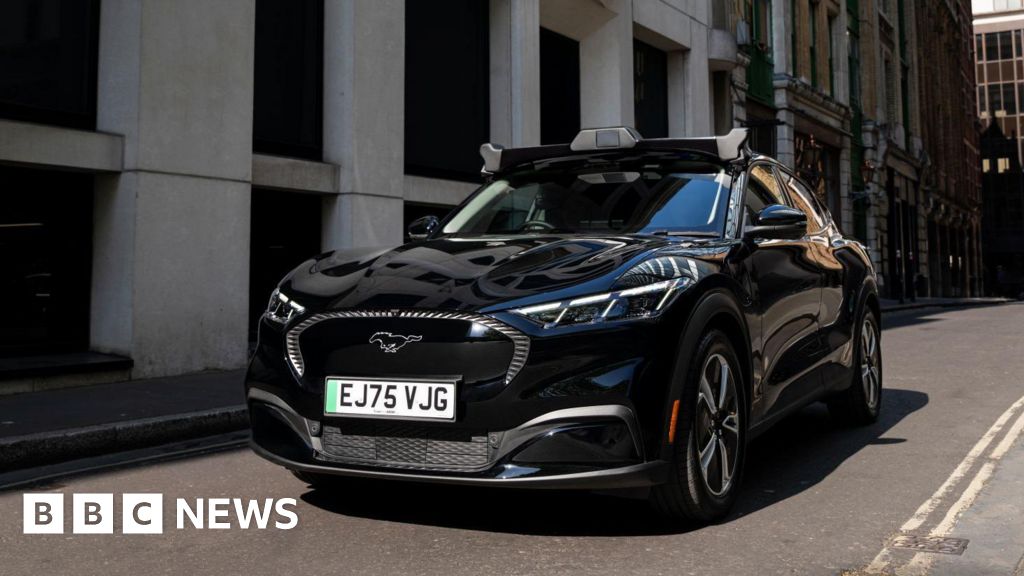
Uber, in partnership with UK-based AI startup Wayve, is opening sign-ups for London’s first robotaxi service. The AI-driven vehicles will operate with safety drivers initially, pending regulatory approval. The launch marks a strategic push for autonomous ride-hailing, raising potential safety concerns as AI systems enter public use.[AI generated]

Why's our monitor labelling this an incident or hazard?

The event involves the use of an AI system (autonomous driving technology) whose deployment is imminent but has not yet caused any harm. The article emphasizes the complexity and challenges of operating in London, highlighting the potential for future incidents. Since no actual harm or malfunction has occurred, and the focus is on the preparation and pilot testing phase with safety measures, this fits the definition of an AI Hazard: an event where AI use could plausibly lead to harm. It is not Complementary Information because it is not an update or response to a past incident, nor is it unrelated as it clearly involves AI systems and their societal impact.[AI generated]
AI principles
Safety

Industries
Mobility and autonomous vehicles

Affected stakeholders
ConsumersGeneral public

Harm types
Physical (injury)Physical (death)

Severity
AI hazard

Business function:
Logistics

AI system task:
Recognition/object detectionReasoning with knowledge structures/planning


Articles about this incident or hazard

Thumbnail Image

London's robotaxi war is "months" away as Uber opens waitlist to battle Alphabet's Waymo

2026-06-08
Sherwood News
Why's our monitor labelling this an incident or hazard?
The event involves AI systems (autonomous vehicles) whose use is planned but no harm or malfunction has occurred or is described. The article does not report any injury, rights violation, disruption, or other harm caused or plausibly caused by these AI systems. It is primarily an update on AI deployment and market competition, thus it constitutes Complementary Information rather than an Incident or Hazard.
Thumbnail Image

Wayve and Uber prepare to launch self-driving taxis in London

2026-06-08
BBC
Why's our monitor labelling this an incident or hazard?
The event involves the use of an AI system (autonomous driving technology) whose deployment is imminent but has not yet caused any harm. The article emphasizes the complexity and challenges of operating in London, highlighting the potential for future incidents. Since no actual harm or malfunction has occurred, and the focus is on the preparation and pilot testing phase with safety measures, this fits the definition of an AI Hazard: an event where AI use could plausibly lead to harm. It is not Complementary Information because it is not an update or response to a past incident, nor is it unrelated as it clearly involves AI systems and their societal impact.
Thumbnail Image

Uber opens London robotaxi waitlist ahead of UK launch By Investing.com

2026-06-08
Investing.com
Why's our monitor labelling this an incident or hazard?
The event involves the use of AI systems (autonomous driving software) in robotaxis, but no harm or incident has occurred yet. The article discusses the upcoming launch and regulatory status, indicating potential future use but no realized harm or malfunction. Therefore, it represents a plausible future scenario where AI could lead to incidents, but currently, it is a planned deployment without reported harm. This fits the definition of an AI Hazard, as the development and intended use of AI-powered robotaxis could plausibly lead to incidents in the future once operational.
Thumbnail Image

Autonome Fahrzeuge: Uber erwartet in kommenden Monaten erste Robotaxis in London

2026-06-08
N-tv
Why's our monitor labelling this an incident or hazard?
The event involves the use of an AI system (Wayve's AI driving technology) in autonomous vehicles for passenger transport. Although no incident or harm has occurred yet, the deployment of robotaxis with AI driving functions inherently carries the risk of accidents or injuries, which are harms covered under the AI Incident definition. Since the article describes the imminent deployment and testing phase with safety drivers, and the full autonomous operation is pending approval, the situation fits the definition of an AI Hazard — an event where AI use could plausibly lead to harm. There is no indication of realized harm or malfunction at this stage, so it is not an AI Incident. The article is not merely complementary information because it focuses on the imminent deployment and associated risks rather than a response or update to a past event.
Thumbnail Image

Uber opens sign-ups for London 'robotaxis' ahead of launch 'in months'

2026-06-08
Yahoo! Finance
Why's our monitor labelling this an incident or hazard?
The article explicitly mentions the use of AI technology for autonomous driving in robotaxis, which qualifies as an AI system. There is no indication that any harm has occurred so far, only that the service is about to launch pending regulatory approval. Given the nature of autonomous vehicles operating in complex urban environments, there is a credible risk that AI system malfunction or errors could lead to injury or harm to people or disruption. Hence, this event fits the definition of an AI Hazard, as it plausibly could lead to an AI Incident in the future. It is not an AI Incident because no harm has yet materialized, nor is it Complementary Information or Unrelated.
Thumbnail Image

Uber opens sign-ups for London 'robotaxis' ahead of launch 'in months'

2026-06-08
Reuters
Why's our monitor labelling this an incident or hazard?
The article explicitly mentions AI-powered autonomous vehicles (robotaxis) being introduced for public use, which clearly involves AI systems. There is no indication of any injury, accident, or rights violation at this stage, so it is not an AI Incident. The presence of a trained operator monitoring the system reduces immediate risk, but the planned future fully driverless operations imply potential future risks. Hence, the event is best classified as an AI Hazard due to the plausible future harm from autonomous vehicle operation.
Thumbnail Image

Uber Opens London Waitlist for Wayve Robotaxis Ahead of Launch

2026-06-08
Bloomberg Business
Why's our monitor labelling this an incident or hazard?
The event involves AI systems (self-driving software) in robotaxis, which are planned to be deployed commercially. The presence of a licensed operator indicates current mitigation of risk, and regulatory approval is still pending, so no realized harm has occurred. The potential for injury or harm exists if the AI system malfunctions or fails in operation, making this a plausible future risk. Hence, it fits the definition of an AI Hazard, as the development and intended use of AI-powered autonomous vehicles could plausibly lead to harm, but no harm has yet materialized.
Thumbnail Image

First driverless taxis to be launched on UK roads this summer

2026-06-08
Mirror
Why's our monitor labelling this an incident or hazard?
The event involves an AI system (autonomous driving AI) actively controlling vehicles on public roads, which fits the definition of an AI system. The article does not report any actual harm or incident caused by the AI system but discusses the upcoming deployment and the potential risks associated with it. The presence of human safety drivers indicates mitigation efforts, but the technology's use in a complex environment like London implies credible risk of future harm (e.g., accidents, injuries). Additionally, concerns about job displacement are noted but do not constitute direct harm caused by the AI system at this stage. Hence, the classification as an AI Hazard is appropriate.
Thumbnail Image

London robotaxis could be available to hire 'within months'

2026-06-08
ITV Hub
Why's our monitor labelling this an incident or hazard?
The event involves AI systems (autonomous driving AI) in use and development, with potential for future harm given the complexity of London's roads and public concerns. However, no actual harm, malfunction, or violation has occurred or been reported. The presence of human safety operators and pending regulatory approval further indicate that the AI systems are not yet fully deployed without oversight. Thus, the event is best classified as an AI Hazard, reflecting the plausible future risk of harm once these systems are fully operational in a challenging environment.
Thumbnail Image

Uber and Wayve team up to launch driverless cars in London this summer

2026-06-08
CNN International
Why's our monitor labelling this an incident or hazard?
The article explicitly mentions AI systems powering driverless cars, which are being tested and soon launched for public use. While no incidents or harms have occurred yet, the technology's deployment in a busy city like London inherently carries risks of accidents or safety issues. The current supervised operation phase aims to build safety and trust before removing human oversight. Since the event concerns the imminent use of AI systems that could plausibly lead to harm in the future, it fits the definition of an AI Hazard rather than an Incident or Complementary Information. It is not unrelated because AI systems are central to the event.
Thumbnail Image

Major update on date self-driving taxis will start carrying UK passengers

2026-06-08
Manchester Evening News
Why's our monitor labelling this an incident or hazard?
The event involves the use of an AI system (autonomous driving AI) in a real-world application (robotaxi service). Although no harm has yet occurred, the deployment of self-driving taxis on busy, complex city streets like London plausibly could lead to injury or harm to people if the AI system malfunctions or makes incorrect decisions. The article highlights the complexity of the environment and the need for human drivers initially, indicating awareness of potential risks. Since the article does not report any realized harm or incident but focuses on the imminent launch and demonstration, it fits the definition of an AI Hazard, where the AI system's use could plausibly lead to harm in the future.
Thumbnail Image

Uber opens sign-ups for London 'robotaxis' ahead of launch 'in months'

2026-06-08
ETAuto.com
Why's our monitor labelling this an incident or hazard?
The article explicitly mentions AI-driven autonomous vehicles that will operate as robotaxis, indicating the presence of an AI system. The event is about the planned launch and sign-up for these services, with no actual harm reported yet. Given the nature of autonomous vehicles and their potential to cause injury or disruption if malfunctioning or misused, the event plausibly could lead to an AI Incident in the future. Hence, it fits the definition of an AI Hazard rather than an Incident or Complementary Information.
Thumbnail Image

Uber opens sign-ups for London 'robotaxis' ahead of launch 'in months'

2026-06-08
Economic Times
Why's our monitor labelling this an incident or hazard?
The article explicitly mentions AI-powered autonomous vehicles that will operate as robotaxis, which qualifies as an AI system. The event is about the planned launch and user sign-ups ahead of regulatory approval, so no harm has yet occurred. Given the nature of autonomous vehicles and their potential to cause injury or disruption if malfunctioning or misused, this situation plausibly could lead to an AI Incident in the future. Hence, it fits the definition of an AI Hazard rather than an AI Incident or Complementary Information. It is not unrelated because it clearly involves AI systems and their deployment.
Thumbnail Image

Uber opens sign-ups for London robotaxis ahead of launch in months

2026-06-08
Economic Times
Why's our monitor labelling this an incident or hazard?
The article explicitly mentions the use of AI systems for autonomous driving, which fits the definition of an AI system. The event is about the imminent launch of these AI-driven robotaxis, with no reported harm or malfunction so far. The presence of a trained operator indicates risk mitigation but does not eliminate the plausible risk of future harm. Since the AI system's use could plausibly lead to injury or disruption once fully deployed, this event fits the definition of an AI Hazard. It is not an AI Incident because no harm has occurred yet, nor is it Complementary Information as it is not an update or response to a prior incident. It is not unrelated because the AI system is central to the event.
Thumbnail Image

First driverless taxis to be launched on UK roads within months

2026-06-08
Daily Record
Why's our monitor labelling this an incident or hazard?
The article explicitly describes an AI system (Wayve's self-driving technology) controlling vehicles on public roads, which fits the definition of an AI system. The system is being deployed for commercial passenger transport, which involves real-time decision-making and autonomous navigation. Although a human driver is present to intervene, the AI system's operation on public roads inherently carries risks of injury or harm to people, fulfilling the criteria for plausible future harm (AI Hazard). There is no mention of any actual harm or incident occurring yet, so it cannot be classified as an AI Incident. The labor concerns raised are about potential future job losses, which are not direct harms caused by the AI system's malfunction or misuse but rather socio-economic impacts, so they do not change the classification. Hence, the event is best classified as an AI Hazard.
Thumbnail Image

Uber tells London to get ready for robotaxis

2026-06-08
The Verge
Why's our monitor labelling this an incident or hazard?
The article explicitly involves AI systems in the form of autonomous vehicles (robotaxis) being prepared for deployment in London. Although the vehicles currently have safety drivers and no harm has yet occurred, the introduction of AI-driven robotaxis on public roads carries credible risks of harm to passengers or others, qualifying as a plausible future harm. Since no actual harm or incident has been reported yet, this event fits the definition of an AI Hazard rather than an AI Incident. It is more than just general AI news or a product launch because it concerns the imminent real-world use of AI systems with potential safety implications.
Thumbnail Image

Here's How to Try Out a Robotaxi Ride in London Using the Uber App

2026-06-08
PC Magazine
Why's our monitor labelling this an incident or hazard?
The event involves an AI system (autonomous driving AI) in active use, but there is no indication of any injury, disruption, rights violation, or other harm caused or occurring. The article does not describe any incident or malfunction, nor does it highlight any credible or imminent risk of harm. It mainly provides information about the launch and testing of the robotaxi service, which is a development and deployment update. Therefore, it fits best as Complementary Information, providing context and updates on AI deployment and governance without reporting an incident or hazard.
Thumbnail Image

Uber bringt die ersten Robotaxis nach Europa

2026-06-08
oe24
Why's our monitor labelling this an incident or hazard?
The article describes the use of AI systems (autonomous driving technology) but does not report any realized harm or incidents resulting from their use. The deployment is planned and ongoing testing has been conducted without mention of harm. While there is potential for future harm from autonomous vehicles, the article does not highlight any specific risk or credible warning of imminent harm. Therefore, this event is best classified as Complementary Information, providing context and updates on AI system deployment and regulatory developments rather than reporting an AI Incident or AI Hazard.
Thumbnail Image

Robotaxi firm to offer first driverless trips to customers in UK

2026-06-08
huddersfieldexaminer
Why's our monitor labelling this an incident or hazard?
The article explicitly mentions AI-powered autonomous driving systems controlling vehicles for commercial passenger transport, which qualifies as an AI system. The event is about the upcoming use of these systems with human safety drivers, so no harm has yet materialized. However, the deployment of driverless taxis on complex urban roads plausibly risks accidents or safety issues (harm to persons), and the union's concerns about job losses highlight potential labor rights harms. Since the event concerns the imminent use of AI systems that could plausibly lead to harm but no harm has yet occurred, it fits the definition of an AI Hazard rather than an AI Incident. It is not merely complementary information because the main focus is on the launch and potential risks, not on responses or updates to past incidents. It is not unrelated because AI systems are central to the event.
Thumbnail Image

Uber dice que los primeros robotaxis llegarán a Londres en unos meses

2026-06-08
El Economista
Why's our monitor labelling this an incident or hazard?
The article explicitly mentions the use of AI systems for autonomous driving in robotaxis, indicating AI system involvement. There is no mention of any realized harm, injury, or legal violation caused by the AI system to date. The vehicles are still under regulatory approval and initial supervised operation, implying that harm is not yet realized but could plausibly occur once fully deployed. The event thus fits the definition of an AI Hazard, as the AI system's use could plausibly lead to harm in the future, but no harm has yet occurred. It is not Complementary Information because the article is not primarily about responses or updates to past incidents, nor is it unrelated as it clearly involves AI systems and their deployment.
Thumbnail Image

Brits can ride in driverless taxis this summer for the first time

2026-06-08
Nottingham Post
Why's our monitor labelling this an incident or hazard?
The article explicitly describes an AI system (Wayve's self-driving technology) controlling vehicles for commercial passenger transport. Although no accidents or injuries have occurred yet, the technology's deployment on public roads inherently carries plausible risks of harm to passengers, pedestrians, or other road users. Additionally, concerns about job losses for human drivers indicate potential labor rights harms. Since these harms are not yet realized but are credible future risks, the event qualifies as an AI Hazard rather than an AI Incident. The article also discusses societal and labor responses, but the main focus is on the upcoming deployment and its plausible risks, not on a realized incident or a governance response alone.
Thumbnail Image

Uber erwartet bald den Betrieb erster Robotaxis in London

2026-06-08
Vorarlberg Online
Why's our monitor labelling this an incident or hazard?
The event involves AI systems (autonomous driving AI) in use and planned for commercial deployment. Although no incident or harm has occurred yet, the nature of autonomous vehicles means there is a credible risk of injury or disruption if the AI malfunctions or fails. Therefore, this situation qualifies as an AI Hazard due to the plausible future harm from the AI system's operation in public transport.
Thumbnail Image

¿El fin de los conductores? Uber confirma que lanzará robotaxis en Londres en los próximos meses

2026-06-08
Merca2.0 Magazine
Why's our monitor labelling this an incident or hazard?
The article clearly involves an AI system (autonomous driving technology) and its planned deployment in a real-world setting. However, it only describes the intention to launch and test the system, with no mention of any actual harm, malfunction, or incident caused by the AI system. Therefore, it does not qualify as an AI Incident. Given the plausible risks associated with autonomous vehicles, the event qualifies as an AI Hazard because the deployment of robotaxis could plausibly lead to harm in the future. The article does not focus on responses, updates, or broader ecosystem context beyond the announcement and market outlook, so it is not Complementary Information. It is not unrelated since AI is central to the event.
Thumbnail Image

AI-powered driverless taxis to start picking up fares in London 'this summer' | LBC

2026-06-08
LBC
Why's our monitor labelling this an incident or hazard?
The AI system involved is the autonomous driving technology enabling driverless taxis. Although the taxis are not yet fully autonomous and a human driver is present, the deployment of such AI systems in public settings inherently carries risks that could plausibly lead to harm, such as accidents or failures in the AI system. Since no actual harm or incident is reported yet, but the event involves the imminent use of AI systems with potential safety risks, it qualifies as an AI Hazard rather than an AI Incident.
Thumbnail Image

Uber y Wayve preparan una competencia de robotaxis en Londres

2026-06-08
Cadena 3 Argentina
Why's our monitor labelling this an incident or hazard?
The article explicitly mentions AI systems in the form of Wayve's autonomous driving technology and Uber's AI-enhanced passenger experience. The event is about the preparation and testing phase before full deployment, with regulatory approval pending and safety operators still present. No actual harm or incident has been reported, but the deployment of autonomous vehicles inherently carries plausible risks of harm (e.g., accidents, safety issues). Thus, it fits the definition of an AI Hazard, as the AI systems could plausibly lead to harm in the future once fully operational.
Thumbnail Image

Uber opens sign-ups for London 'robotaxis' launch

2026-06-08
Times LIVE
Why's our monitor labelling this an incident or hazard?
The article explicitly mentions AI systems powering autonomous vehicles, which qualifies as AI system involvement. However, there is no indication of any injury, rights violation, disruption, or other harm occurring or having occurred. The event is about the launch and sign-up for a new AI service, with safety measures like a human operator in place. The article focuses on the deployment and testing progress rather than any incident or hazard. Hence, it does not meet the criteria for AI Incident or AI Hazard. It fits the definition of Complementary Information as it provides supporting context on AI system deployment and innovation without describing harm or plausible harm.
Thumbnail Image

Uber users can sign up for London's first robotaxis ahead of launch 'in months'

2026-06-08
London South East
Why's our monitor labelling this an incident or hazard?
The article clearly involves an AI system (autonomous vehicle AI) and discusses its imminent use in public robotaxi services. While the technology has been tested and is planned for launch, there is no mention of any harm, malfunction, or incident caused by the AI system so far. The presence of trained safety operators further mitigates immediate risk. The event thus represents a credible potential for future harm (e.g., accidents or safety issues) inherent in deploying autonomous vehicles in complex urban settings. Therefore, it fits the definition of an AI Hazard rather than an AI Incident or Complementary Information. It is not unrelated because it directly concerns AI system deployment with potential safety implications.
Thumbnail Image

Ministers to rule on self-driving taxis in Scotland as firm readies for London launch

2026-06-09
The Scotsman
Why's our monitor labelling this an incident or hazard?
The event involves AI systems (self-driving taxis with AI-powered computers controlling vehicle responses) and their use is imminent. However, no harm has yet occurred, nor is there a report of malfunction or misuse leading to harm. The article primarily covers regulatory decisions, planned trials, and the potential for future deployment. Therefore, it represents a plausible future risk scenario where AI systems could lead to harm if issues arise, but currently no incident has occurred. This fits the definition of an AI Hazard, as the development and use of autonomous taxis could plausibly lead to incidents involving injury or disruption if safety is not ensured.
Thumbnail Image

London robotaxis to start carrying paying passengers 'in next couple of months'

2026-06-08
getwestlondon
Why's our monitor labelling this an incident or hazard?
The event involves an AI system (Wayve's autonomous driving technology) actively controlling vehicles on public roads. Although the system is currently supervised by human drivers and no harm has been reported, the deployment of robotaxis in a challenging environment like London inherently carries credible risks of accidents or injuries due to AI malfunction or misjudgment. Since the article focuses on the upcoming launch and potential risks rather than any realized harm, it fits the definition of an AI Hazard rather than an AI Incident. It is not merely complementary information because the main focus is on the imminent use of the AI system with plausible future harm, and it is not unrelated as it clearly involves AI systems with safety implications.
Thumbnail Image

Uber and Wayve open waitlist for London robotaxis

2026-06-09
CityAM
Why's our monitor labelling this an incident or hazard?
The event involves AI systems (autonomous driving technology) and their use (deployment of robotaxis). However, the article does not report any harm or incidents caused by the AI system, nor does it describe any specific plausible imminent harm or credible risk that would qualify as an AI Hazard. The article is primarily an announcement of a forthcoming service and regulatory progress, which fits the category of Complementary Information as it provides context and updates on AI deployment and governance. Therefore, the classification is Complementary Information.
Thumbnail Image

Uber opens sign-ups for UK's first commercial 'robotaxis'

2026-06-08
The News International
Why's our monitor labelling this an incident or hazard?
The article clearly involves an AI system (self-driving technology for robotaxis) and its use in commercial passenger transport. However, there is no indication that the AI system has caused any injury, disruption, rights violation, or other harm. The event is about the planned introduction and testing phase, with safety drivers present, and government regulatory steps. Therefore, it represents a plausible future risk scenario where AI could lead to harm if issues arise, but no harm has yet occurred. This fits the definition of an AI Hazard, as the deployment of autonomous vehicles could plausibly lead to incidents in the future, but no incident has yet materialized.
Thumbnail Image

First driverless taxis will appear on UK roads this summer

2026-06-08
accrington
Why's our monitor labelling this an incident or hazard?
The article clearly involves an AI system (autonomous driving AI) in active use or imminent deployment. No direct or indirect harm has yet occurred, as the service is just launching and includes human safety drivers to mitigate risks. However, the article highlights credible concerns about job losses and economic harm to taxi drivers, as well as the inherent risks of autonomous vehicle operation in complex urban environments. These constitute plausible future harms linked to the AI system's use. Thus, the event fits the definition of an AI Hazard rather than an AI Incident or Complementary Information. It is not unrelated because the AI system is central to the event and its potential impacts.
Thumbnail Image

Uber erwartet bald den Betrieb erster Robotaxis in London

2026-06-08
Salzburger Nachrichten
Why's our monitor labelling this an incident or hazard?
The event involves the use of AI systems (autonomous driving technology) in robotaxis, which are about to be deployed for public use. While no harm has yet occurred, the nature of autonomous vehicle AI systems means there is a credible risk of future harm such as accidents or injuries. Therefore, this situation fits the definition of an AI Hazard, as the AI system's use could plausibly lead to an AI Incident. There is no indication that harm has already occurred, so it is not an AI Incident. The article is not merely complementary information since it reports on imminent deployment with potential risks, nor is it unrelated.
Thumbnail Image

Uber and Wayve Team Up to Launch Robotaxi Service in London, Commuters Can Now Sign Up for AI-Driven Rides

2026-06-08
LatestLY
Why's our monitor labelling this an incident or hazard?
The article focuses on the announcement and planned deployment of AI-powered autonomous vehicles for ride-hailing, which qualifies as an AI system. However, there is no indication of any injury, rights violation, disruption, or other harm caused by the AI system at this stage. The presence of human safety operators and the pending regulatory approval suggest risk mitigation measures are in place. Therefore, this event does not meet the criteria for an AI Incident or AI Hazard. It is best classified as Complementary Information, providing context on AI system deployment and regulatory environment developments.
Thumbnail Image

Stellantis Gets Its Hands-Free, Door-to-Door Driving Partner -- Wayve

2026-06-09
CleanTechnica
Why's our monitor labelling this an incident or hazard?
The event involves an AI system (Wayve's AI driving technology integrated with Stellantis' platform) and its planned deployment, which could plausibly lead to future AI incidents if issues arise. However, as the system is not yet deployed and no harm or malfunction has occurred, it does not qualify as an AI Incident. The article primarily provides information about the partnership and future plans, which fits the definition of Complementary Information, as it enhances understanding of AI ecosystem developments without reporting new harm or hazards.
Thumbnail Image

London robotaxis could be available to hire 'within months'

2026-06-08
Yahoo
Why's our monitor labelling this an incident or hazard?
The article explicitly mentions AI systems used in robotaxis navigating complex urban environments. However, it only discusses the planned launch and regulatory approval process, with no reported accidents, injuries, or rights violations. The presence of human safety operators during initial deployment further reduces immediate risk. The concerns raised by a taxi driver are opinions about potential difficulties, not evidence of harm. Thus, this situation fits the definition of an AI Hazard, as the deployment of autonomous taxis could plausibly lead to incidents in the future, but no harm has yet occurred.
Thumbnail Image

Uber and Wayve join forces to launch self-driving robotaxis in London this summer

2026-06-08
Yahoo
Why's our monitor labelling this an incident or hazard?
The event involves the use of an AI system (Wayve's autonomous driving technology) in a real-world application (robotaxis). Although the article does not report any actual harm or incidents, the deployment of autonomous vehicles in a challenging environment like London plausibly could lead to harm such as injury to passengers, pedestrians, or other road users if the AI system malfunctions or fails to respond appropriately. Therefore, this situation fits the definition of an AI Hazard, as it could plausibly lead to an AI Incident in the future.
Thumbnail Image

Uber users can sign up for London's first robotaxis ahead of launch 'in months'

2026-06-08
Yahoo
Why's our monitor labelling this an incident or hazard?
The article explicitly mentions AI systems (Wayve's autonomous driving technology) being used to operate robotaxis in London. The service is pending regulatory approval and has not yet caused any harm, so no AI Incident has occurred. However, the deployment of autonomous vehicles in complex urban settings inherently carries credible risks of accidents or other harms. Thus, the event fits the definition of an AI Hazard, reflecting plausible future harm from the AI system's use. The article does not describe any realized harm or incident, nor is it primarily about governance or societal responses, so it is not Complementary Information. It is not unrelated as it clearly involves AI systems and their deployment.
Thumbnail Image

UK robotaxis to start carrying paying passengers 'in next couple of months'

2026-06-08
Yahoo
Why's our monitor labelling this an incident or hazard?
The event involves the use of an AI system (autonomous driving technology) actively controlling vehicles on public roads. Although no injury or harm has yet occurred, the deployment of robotaxis in a complex urban environment like London plausibly could lead to incidents causing injury or harm to people or disruption. The presence of a human safety driver mitigates but does not eliminate this risk. Hence, this situation fits the definition of an AI Hazard, as the AI system's use could plausibly lead to an AI Incident in the near future.
Thumbnail Image

Uber, Wayve and Waymo are headed towards a robotaxi showdown in London

2026-06-08
Yahoo! Finance
Why's our monitor labelling this an incident or hazard?
The event involves AI systems (autonomous vehicle technology) in development and testing phases, with human safety operators present, and no reported accidents, injuries, or rights violations. The article discusses future service launches and partnerships but does not describe any harm or incidents caused by AI systems. Therefore, it does not meet the criteria for an AI Incident or AI Hazard. It is best classified as Complementary Information, providing context on the evolving AI ecosystem in autonomous vehicles and robotaxi services.
Thumbnail Image

Uber opens London waitlist for Wayve robotaxis

2026-06-08
The Next Web
Why's our monitor labelling this an incident or hazard?
The article explicitly mentions the use of an AI system (Wayve's AI Driver) for autonomous driving, which qualifies as an AI system. The event concerns the planned commercial trial and deployment of these AI-driven robotaxis, which is the use of the AI system. No direct or indirect harm has been reported yet, so it is not an AI Incident. However, the deployment of autonomous vehicles inherently carries plausible risks of harm (e.g., accidents, disruption to employment), making it an AI Hazard. The article does not focus on responses, updates, or broader governance issues, so it is not Complementary Information. It is clearly related to AI systems and their potential impacts, so it is not Unrelated.
Thumbnail Image

Uber, Wayve y Waymo preparan una batalla de robotaxis en Londres

2026-06-08
DiarioBitcoin
Why's our monitor labelling this an incident or hazard?
The article explicitly involves AI systems (autonomous driving technology) and discusses their development and use in a real-world setting. However, it does not report any actual harm, malfunction, or violation caused by these AI systems. The regulatory framework is still under development, and the deployment is pending approval, so no plausible immediate harm event is described. The article mainly provides information on the competitive dynamics, regulatory environment, and strategic moves of companies in the autonomous vehicle sector. This fits the definition of Complementary Information, as it enhances understanding of the AI ecosystem and ongoing developments without describing a new AI Incident or AI Hazard.
Thumbnail Image

Uber and Wayve set to launch first UK robotaxis in summer

2026-06-08
Iraqi News
Why's our monitor labelling this an incident or hazard?
The event involves an AI system (autonomous driving AI) and its planned use, but no harm or malfunction has occurred or is described as imminent. The presence of a human operator at launch reduces immediate risk. The article focuses on the announcement and regulatory environment, which fits the definition of Complementary Information as it provides context and updates on AI deployment without reporting an incident or hazard.
Thumbnail Image

Los robotaxis llegan a Europa y la UE quiere acelerar su despliegue

2026-06-08
Euronews Español
Why's our monitor labelling this an incident or hazard?
The event involves AI systems (autonomous vehicles/robotaxis) and their development and use in testing and deployment. However, there is no indication of any realized harm, malfunction, or violation resulting from these AI systems. The article primarily reports on policy coordination, regulatory harmonization, and upcoming trials, which are preparatory and supportive activities rather than incidents or hazards. Therefore, this is best classified as Complementary Information, as it provides important context and updates on the AI ecosystem and governance related to autonomous vehicles in Europe without describing any specific AI Incident or AI Hazard.
Thumbnail Image

Uber vor Start mit Robotaxis in London

2026-06-08
trend Online
Why's our monitor labelling this an incident or hazard?
The event involves the use of AI systems for autonomous driving, which is explicitly mentioned. The deployment is imminent but not yet active without safety drivers, and no harm has been reported. Given the nature of autonomous vehicles, there is a credible risk that the AI system could cause harm in the future, making this an AI Hazard. Since no actual harm or incident has occurred yet, it cannot be classified as an AI Incident. The article is not merely a product launch without risk, as it highlights the imminent use of AI in a safety-critical context with potential for harm.
Thumbnail Image

Uber Opens Sign-Ups for London Robotaxis, Launch Expected in Months

2026-06-08
Global Banking & Finance Review
Why's our monitor labelling this an incident or hazard?
The event involves the use of an AI system (autonomous driving technology) in robotaxis, which is explicitly mentioned. However, no harm or injury has occurred yet, and the launch is expected in the coming months pending regulatory approval. The article focuses on the sign-up process and the planned deployment, not on any malfunction or harm. Given the potential for future harm from autonomous vehicles, this qualifies as an AI Hazard rather than an AI Incident or Complementary Information. It is not unrelated because it clearly involves AI systems and their deployment with potential risks.
Thumbnail Image

Uber enters London robotaxi race with Wayve partnership

2026-06-08
Tech Digest
Why's our monitor labelling this an incident or hazard?
The event involves the use of an AI system (Wayve's autonomous driving AI) in a real-world application (robotaxi service). While the deployment could plausibly lead to harms such as injury, disruption, or other incidents related to autonomous vehicle operation, the article only describes preparations and pilot phases without any actual incidents or harms occurring. Therefore, it represents a plausible future risk rather than a realized harm. This fits the definition of an AI Hazard, as the autonomous vehicle system could plausibly lead to an AI Incident once deployed, but no direct or indirect harm has yet occurred.
Thumbnail Image

Uber and Wayve set to launch first UK robotaxis in summer

2026-06-08
RTL Today
Why's our monitor labelling this an incident or hazard?
The event involves the use of an AI system (autonomous driving AI) in a real-world application (robotaxi service). However, there is no indication of any injury, rights violation, property damage, or other harm caused or occurring due to the AI system. The article focuses on the launch plans and regulatory approvals, which is informative about AI deployment but does not describe any realized or potential harm. Therefore, this is best classified as Complementary Information, as it provides context and updates on AI system deployment without reporting an incident or hazard.
Thumbnail Image

Uber's self-driving robotaxis arrive in the UK

2026-06-08
Mail Online
Why's our monitor labelling this an incident or hazard?
The presence of AI systems is clear, as the robotaxis use Wayve's autonomous driving AI. The event involves the use and deployment of AI systems in a real-world environment. However, the article does not report any actual harm, injury, rights violation, or property damage caused by Uber's AI system. The mention of Waymo's incident is background context and not the main focus. Since the Uber robotaxis are currently operated with human drivers and fully autonomous operations are planned but not yet active, the event does not describe an AI Incident or an AI Hazard. Instead, it is a news update about the deployment and testing of AI systems, which fits the definition of Complementary Information as it provides context and updates on AI system deployment and ecosystem developments without reporting harm or plausible imminent harm.
Thumbnail Image

Self-driving robotaxis to begin carrying passengers on UK roads 'in the next couple of months'

2026-06-08
GB News
Why's our monitor labelling this an incident or hazard?
The article explicitly involves AI systems in the form of self-driving vehicle technology. No actual harm or incident is reported; rather, the article discusses the upcoming deployment and trials of these systems. Given the nature of autonomous vehicles, their use could plausibly lead to incidents involving injury, disruption, or other harms if malfunctions or failures occur. Hence, this qualifies as an AI Hazard rather than an AI Incident or Complementary Information. It is not unrelated because the AI system is central to the event.
Thumbnail Image

Uber and Wayve to Launch London's First AI Robotaxis

2026-06-08
AI Business
Why's our monitor labelling this an incident or hazard?
The article clearly involves an AI system (autonomous driving AI for robotaxis) and discusses its imminent deployment in a major city. However, it does not describe any harm, malfunction, or violation caused by the AI system. The presence of human safety monitors and regulatory approval processes indicate risk mitigation measures. Since no harm has occurred yet but the deployment of autonomous vehicles in complex urban settings could plausibly lead to incidents in the future, this qualifies as an AI Hazard rather than an AI Incident or Complementary Information. It is not unrelated because the AI system and its potential impacts are central to the article.
Thumbnail Image

Uber se alía con Wayve para lanzar robotaxis en Londres a finales de 2026

2026-06-08
librered.net
Why's our monitor labelling this an incident or hazard?
The article explicitly mentions the use of AI-based autonomous driving technology (an AI system) for robotaxis. The event concerns the planned use of these AI systems in public transport, which could plausibly lead to incidents involving injury, disruption, or other harms if the AI malfunctions or is misused. Since the service is not yet operational and no harm has been reported, the event fits the definition of an AI Hazard rather than an AI Incident. It is not merely complementary information because the main focus is on the upcoming deployment and its implications, not on responses or updates to past incidents.
Thumbnail Image

Uber, Wayve And Waymo Are Headed Towards A Robotaxi Showdown In London

2026-06-08
Breaking News, Latest News, US and Canada News, World News, Videos
Why's our monitor labelling this an incident or hazard?
The article clearly involves AI systems, specifically autonomous vehicle technologies used for robotaxi services. However, it does not describe any realized harm, injury, rights violations, or disruptions caused by these AI systems. The focus is on upcoming deployments, partnerships, and regulatory processes, indicating potential future risks rather than current incidents. Hence, the event fits the definition of an AI Hazard, as the development and use of these AI systems could plausibly lead to harm in the future, especially given the regulatory uncertainties and the complexity of autonomous driving in urban environments.
Thumbnail Image

Londoners can now sign up to ride in Wayve-powered self-driving car on Uber and the Cambridge PhD behind it was laughed at for this idea -- TFN

2026-06-08
Tech Funding News
Why's our monitor labelling this an incident or hazard?
The article explicitly involves an AI system (Wayve's autonomous driving software) being used in public passenger vehicles. While no harm or incident has occurred, the deployment of self-driving cars on public roads inherently carries plausible risks of injury or disruption, especially as the system transitions to fully driverless operation. The presence of a safety operator mitigates immediate risk, but the event still represents a credible potential for future harm. Thus, it fits the definition of an AI Hazard, as the AI system's use could plausibly lead to an AI Incident. There is no indication of realized harm or malfunction, so it is not an AI Incident. It is more than complementary information because it reports a significant new deployment with potential safety implications, not just a policy or research update.