Florida Man Wrongfully Arrested After Faulty AI Facial Recognition Match

Thumbnail Image

The information displayed in the AIM should not be reported as representing the official views of the OECD or of its member countries.

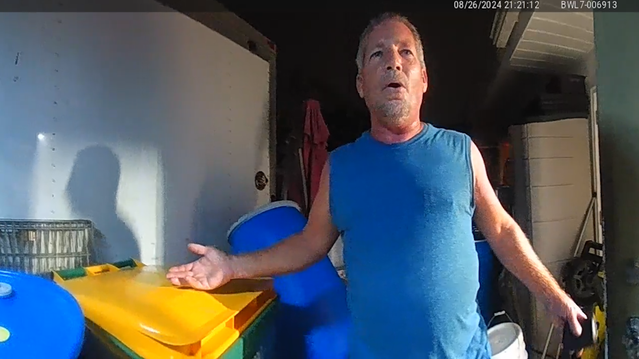
Robert Dillon, a Florida resident, was wrongfully arrested and prosecuted after police relied on an AI-powered facial recognition system that falsely identified him as a suspect in a child luring case over 300 miles away. The incident led to significant personal harm and a lawsuit against multiple law enforcement agencies.[AI generated]

Why's our monitor labelling this an incident or hazard?

The event explicitly involves an AI system (facial recognition software) whose erroneous match led to a wrongful arrest, a clear harm to the individual's rights and personal liberty. The AI system's malfunction (error-prone matching) directly contributed to the harm. This fits the definition of an AI Incident because the AI system's use directly led to harm (wrongful arrest, reputational damage, emotional distress). The article does not merely discuss potential harm or governance responses but reports a realized harm caused by AI misuse.[AI generated]

AI principles
FairnessAccountability

Industries
Government, security, and defence

Affected stakeholders
General public

Harm types
PsychologicalReputationalHuman or fundamental rights

Severity
AI incident

AI system task:
Recognition/object detection


Articles about this incident or hazard

Thumbnail Image

Florida man blames wrongful arrest on "error-prone" AI facial recognition

2026-06-10
CBS News
Why's our monitor labelling this an incident or hazard?
The event explicitly involves an AI system (facial recognition software) whose erroneous match led to a wrongful arrest, a clear harm to the individual's rights and personal liberty. The AI system's malfunction (error-prone matching) directly contributed to the harm. This fits the definition of an AI Incident because the AI system's use directly led to harm (wrongful arrest, reputational damage, emotional distress). The article does not merely discuss potential harm or governance responses but reports a realized harm caused by AI misuse.
Thumbnail Image

Wrongful arrest suit sparks fresh scrutiny of police facial recognition

2026-06-10
POLITICO
Why's our monitor labelling this an incident or hazard?
The article explicitly mentions facial recognition software as the AI system involved. The wrongful arrests are a direct consequence of misidentification by this AI system, causing harm to individuals' rights and personal liberty. The lawsuit and documented cases confirm that harm has occurred, fulfilling the criteria for an AI Incident. The lack of proper safeguards and policies further supports the classification as an incident rather than a mere hazard or complementary information.
Thumbnail Image

Wrongful Arrest Exposes Failures in One of the Oldest Police Face-Recognition Tools in the US

2026-06-10
Wired
Why's our monitor labelling this an incident or hazard?
The event explicitly involves an AI system (face recognition software) whose inaccurate match directly caused a wrongful arrest, leading to harm to the individual's liberty, emotional health, and property (financial losses). The AI system's flawed output was treated as near-certain identification by law enforcement, resulting in significant harm. This fits the definition of an AI Incident because the AI system's use and malfunction directly led to violations of rights and harm to a person. The article details realized harm, not just potential harm, and the AI system's role is pivotal in the incident.
Thumbnail Image

Man jailed due to faulty face recognition says Florida cops ignored other evidence

2026-06-10
Ars Technica
Why's our monitor labelling this an incident or hazard?
The event explicitly involves an AI system (facial recognition technology) whose faulty output directly led to the wrongful arrest and prosecution of Robert Dillon. The AI system's error was a pivotal factor in causing harm to Dillon's personal liberty, reputation, and emotional health, fulfilling the criteria for an AI Incident. The police's failure to investigate further and reliance on the AI output exacerbated the harm. The harm is realized and significant, including malicious prosecution and social stigma, which aligns with violations of rights and harm to the individual. Thus, the event is classified as an AI Incident.
Thumbnail Image

Florida Man's Wrongful Arrest Suit Highlights Dangers of AI Facial Recognition in Policing | Common Dreams

2026-06-10
Common Dreams
Why's our monitor labelling this an incident or hazard?
The article explicitly mentions the use of an AI facial recognition system (FACES) by law enforcement, which incorrectly identified Robert Dillon as a suspect. This misidentification led to his wrongful arrest, detention, prosecution, and ongoing personal harm. The AI system's error was a pivotal factor in the harm caused, fulfilling the criteria for an AI Incident. The harm includes violation of rights and significant personal injury (psychological and reputational). The event is not merely a potential risk or a complementary update but a realized harm caused by AI misuse and malfunction.
Thumbnail Image

Florida lawsuit alleges wrongful arrest after police AI facial recognition error

2026-06-10
Yahoo
Why's our monitor labelling this an incident or hazard?
The event involves an AI system (facial recognition software) used by police that wrongly identified an innocent man, leading to his wrongful arrest and prosecution. This caused direct harm to the individual's rights, reputation, and well-being, fulfilling the criteria for harm to persons and violation of rights. The AI system's malfunction (faulty identification) was a pivotal factor in the incident. Hence, it meets the definition of an AI Incident rather than a hazard or complementary information.
Thumbnail Image

Florida man, ACLU sue police after wrongful arrest using facial recognition tech

2026-06-10
StateScoop
Why's our monitor labelling this an incident or hazard?
The article explicitly states that facial recognition technology, an AI system, was used by law enforcement to identify the suspect. The technology generated a false match, which led to a wrongful arrest and subsequent harms including loss of liberty, financial damage, and reputational harm. These harms fall under violations of rights and harm to the individual, meeting the criteria for an AI Incident. The involvement of the AI system is direct and causal in the wrongful arrest and its consequences.
Thumbnail Image

Wrongful Arrest Exposes Failures in One of the Oldest Police Face-Recognition Tools in the US

2026-06-10
DNYUZ
Why's our monitor labelling this an incident or hazard?
The event involves an AI system explicitly described as a face recognition tool used by police. The wrongful arrest and associated harms (emotional distress, loss of freedom, financial harm, reputational damage) are directly linked to the AI system's inaccurate output and the police's reliance on it without sufficient corroboration. This constitutes a violation of rights and harm to the individual, fitting the definition of an AI Incident. The article details realized harm, not just potential risk, and thus it is not an AI Hazard or Complementary Information.
Thumbnail Image

Wrongful Arrest Exposes Failures in One of the Oldest Police Face-Recognition Tools in the US | Tech Biz Web

2026-06-10
Tech Biz Web
Why's our monitor labelling this an incident or hazard?
The event involves an AI system explicitly identified as a facial recognition tool used by police. The wrongful arrest and subsequent harms (emotional trauma, loss of income, reputational damage) are directly linked to the AI system's erroneous output being treated as fact by law enforcement. This meets the criteria for an AI Incident as the AI system's use directly caused harm to a person and violated his rights. The systemic failure and lack of accountability further underscore the incident's severity.
Thumbnail Image

Lee County man files lawsuit after AI leads to wrongful arrest

2026-06-10
WBBH
Why's our monitor labelling this an incident or hazard?
The event involves an AI system (facial recognition technology) used by law enforcement that directly led to the wrongful arrest of an innocent person, causing harm to his rights and reputation. The AI system's erroneous output was a pivotal factor in the incident. The harm is realized and significant, including violation of rights and wrongful detention. The lawsuit and calls for policy changes further confirm the seriousness of the incident. Hence, this is classified as an AI Incident.
Thumbnail Image

Faulty facial recognition leads to lawsuit after Jacksonville Beach arrest | Jacksonville Today

2026-06-10
Jacksonville Today
Why's our monitor labelling this an incident or hazard?
The event explicitly involves an AI-assisted facial recognition system that produced a false match, which directly led to the wrongful arrest of an innocent person. This wrongful arrest constitutes harm to the individual (a), including violation of rights and emotional harm. The AI system's malfunction (false match) was a pivotal factor in the incident. Therefore, this qualifies as an AI Incident under the framework.