Chinese Propagandists Use ChatGPT for Anti-Tariff Influence Campaigns in US

Thumbnail Image

The information displayed in the AIM should not be reported as representing the official views of the OECD or of its member countries.

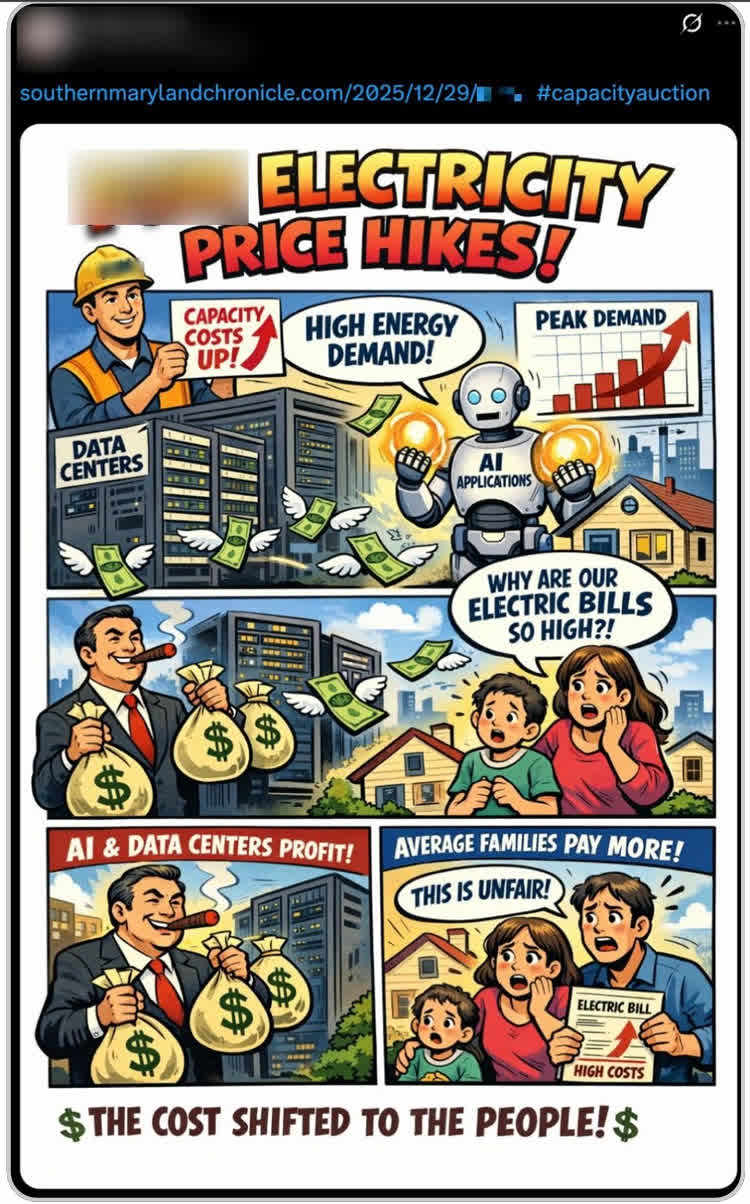
OpenAI reported that Chinese-linked actors used ChatGPT to generate anti-Trump slogans, cartoons, and comments targeting US trade and tech policy. The AI-generated content was disseminated online to influence American debates, though OpenAI noted the campaigns had minimal impact. This highlights generative AI's growing role in digital influence operations.[AI generated]

Why's our monitor labelling this an incident or hazard?

The article explicitly mentions the use of OpenAI's chat system, an AI system, by propagandists to influence political debates and generate opposition, which is a direct use of AI leading to harm in the form of misinformation and manipulation of public opinion. This fits the definition of an AI Incident as it involves harm to communities through the spread of propaganda and interference in democratic processes. The Chinese Embassy's denial does not negate the reported use and harm. Therefore, this event is classified as an AI Incident.[AI generated]
AI principles
Democracy & human autonomyTransparency & explainability

Industries
Media, social platforms, and marketing

Affected stakeholders
General publicGovernment

Harm types
Public interest

Severity
AI incident

AI system task:
Content generation


Articles about this incident or hazard

Thumbnail Image

Video | Chinese Propagandists Use OpenAI To Spread Opposition Against Trump

2026-06-11
NDTV
Why's our monitor labelling this an incident or hazard?
The article explicitly mentions the use of OpenAI's chat system, an AI system, by propagandists to influence political debates and generate opposition, which is a direct use of AI leading to harm in the form of misinformation and manipulation of public opinion. This fits the definition of an AI Incident as it involves harm to communities through the spread of propaganda and interference in democratic processes. The Chinese Embassy's denial does not negate the reported use and harm. Therefore, this event is classified as an AI Incident.
Thumbnail Image

OpenAI says Chinese propaganda is being deployed to foment dissent over tariffs, data centres

2026-06-11
The Hindu
Why's our monitor labelling this an incident or hazard?
The article explicitly mentions the use of OpenAI's AI system to generate slogans, cartoons, and comments for propaganda purposes, which involves the use of AI systems. The activity is a use of AI for manipulation in political discourse, which could plausibly lead to harm such as misinformation or social disruption. However, the article states that the influence operations appear to have had little or no effect, indicating no realized harm at this time. Thus, the event fits the definition of an AI Hazard, as it plausibly could lead to harm but has not yet caused an AI Incident. It is not Complementary Information because it is not an update or response to a prior incident, nor is it unrelated since it involves AI use with potential societal impact.
Thumbnail Image

OpenAI says Chinese propaganda is being deployed to foment dissent over tariffs, data centers

2026-06-10
Reuters
Why's our monitor labelling this an incident or hazard?
The event involves the use of an AI system (OpenAI's ChatGPT) in the development and deployment of propaganda content, which is a misuse of the AI system. Although the harm (manipulation of public opinion and misinformation) is a recognized risk, the article states that the operations had little or no effect, indicating that the harm has not materialized significantly. Therefore, this event represents a plausible risk of harm from AI misuse rather than an actualized harm incident. This fits the definition of an AI Hazard, as the AI system's use could plausibly lead to harm in the future, even if it has not yet done so to a significant degree.
Thumbnail Image

OpenAI says Chinese propaganda is being deployed to foment dissent over tariffs, data centers

2026-06-11
Economic Times
Why's our monitor labelling this an incident or hazard?
The event explicitly involves the use of a generative AI system (ChatGPT) to produce propaganda content that aims to influence political debates and public opinion, which is a form of harm to communities. The AI system's outputs were directly used in an influence operation, fulfilling the criteria for an AI Incident. Although the impact was reportedly minimal, the harm is realized in the attempt and deployment of AI-generated propaganda. This goes beyond mere potential harm or complementary information, as the AI system's use directly led to a harmful event.
Thumbnail Image

Chinese using AI to foment dissent over tariffs, data centres, says ChatGPT owner

2026-06-11
news24
Why's our monitor labelling this an incident or hazard?
The event involves the use of an AI system (ChatGPT) to generate content for propaganda and influence campaigns, which directly relates to the use of AI. The content generated was used to manipulate public opinion and political debates, which can be considered harm to communities and a violation of rights. Even though the impact was reportedly minimal, the AI system's use in this context has directly led to the dissemination of potentially harmful propaganda. Therefore, this qualifies as an AI Incident due to the realized harm of AI-assisted propaganda influencing public discourse and political debates.
Thumbnail Image

Chinese propagandists stoking dissent over Trump tariffs, data centres: OpenAI

2026-06-10
South China Morning Post
Why's our monitor labelling this an incident or hazard?
The event involves the use of an AI system (ChatGPT) to generate politically charged content by propagandists, which is a use of AI. However, the article states that the impact of these efforts appears minimal or negligible, and no direct harm such as injury, rights violations, or significant disruption is reported. Therefore, the event does not meet the threshold for an AI Incident, as no harm has materialized. It also does not clearly present a credible or imminent risk of harm that would qualify as an AI Hazard, since the influence attempts have not been effective. The article primarily provides information about the use of AI in influence campaigns and OpenAI's detection of such misuse, which is contextual and informative. Hence, the event is best classified as Complementary Information, as it updates on AI misuse attempts and the broader ecosystem without reporting realized or imminent harm.
Thumbnail Image

AsiaOne

2026-06-11
AsiaOne
Why's our monitor labelling this an incident or hazard?
The article explicitly mentions the use of OpenAI's ChatGPT, an AI system, to generate propaganda content. The use of AI in this context is a misuse aimed at influencing political debates, which could lead to harm to communities. However, the report indicates that these efforts had little or no effect, meaning significant harm has not materialized. The article focuses on OpenAI's detection and reporting of these activities, which is an update on AI-related influence operations rather than a new incident or hazard. Therefore, it fits the definition of Complementary Information.
Thumbnail Image

China used ChatGPT to attack Trump's Tariffs: OpenAI has proof

2026-06-11
The News International
Why's our monitor labelling this an incident or hazard?
The event involves the use of an AI system (ChatGPT) to generate content that was deliberately used to interfere in political discourse, which is a violation of rights and harms communities by spreading propaganda. The harm is realized as the content was produced and disseminated, even if the impact was limited. The AI system's use by adversarial actors to influence political debate fits the definition of an AI Incident, as it directly led to harm to communities and violations of rights through misinformation and manipulation.
Thumbnail Image

OpenAI says Chinese propaganda is being deployed to foment dissent over tariffs, data centers

2026-06-11
Dunya TV News
Why's our monitor labelling this an incident or hazard?
The event explicitly involves the use of an AI system (ChatGPT) to generate propaganda content that was disseminated to influence political debates and public opinion, which is a form of harm to communities. The harm is realized as the AI-generated content was actively used in influence campaigns, even if their impact was limited. This meets the criteria for an AI Incident because the AI system's use directly led to harm in the form of manipulation and misinformation. The presence of AI is explicit, the use is clear, and the harm to communities through propaganda is established, even if the scale of impact was small.
Thumbnail Image

PRC AI propaganda fomenting dissent over Trump policies

2026-06-11
Taipei Times
Why's our monitor labelling this an incident or hazard?
An AI system (ChatGPT) is explicitly involved in generating propaganda content used in influence operations. The use of AI-generated content to manipulate public opinion represents a potential risk of harm to communities through misinformation or manipulation. However, since the report indicates that the efforts had little to no effect, no actual harm has been realized. Therefore, this event represents a plausible risk of harm stemming from AI use, fitting the definition of an AI Hazard rather than an AI Incident. It is not merely complementary information because the main focus is on the AI-enabled propaganda efforts and their potential impact, not on responses or broader ecosystem context.
Thumbnail Image

OpenAI says China fomenting dissent over tariffs, data centers

2026-06-11
Nikkei Asia
Why's our monitor labelling this an incident or hazard?
The article explicitly mentions the use of OpenAI's AI system to generate slogans, cartoons, and comments for propaganda and influence campaigns. This use of AI-generated content to manipulate political debates and public opinion fits the definition of an AI Incident, as it involves harm to communities through misinformation and manipulation. Even though the impact was limited, the AI system's role in producing and enabling this content is direct and pivotal. Therefore, the event qualifies as an AI Incident rather than a hazard or complementary information.
Thumbnail Image

OpenAI爆料:中國用ChatGPT吹風向反川普與美國AI基建

2026-06-11
Yahoo News (Taiwan)
Why's our monitor labelling this an incident or hazard?
The article explicitly mentions the use of ChatGPT, a generative AI system, to produce politically charged content and memes aimed at influencing public opinion and policy debates in the U.S. While no direct harm has been confirmed, the AI-generated influence campaigns could plausibly lead to harm to communities by undermining democratic discourse and public trust. Since the harm is potential and not yet realized, this event fits the definition of an AI Hazard rather than an AI Incident. It is not merely complementary information because the main focus is on the AI-enabled influence operation and its potential impact, not on responses or broader ecosystem context.
Thumbnail Image

兩因素露餡 OpenAI揭露中國試圖干預美政策辯論

2026-06-11
Liberty Times Net
Why's our monitor labelling this an incident or hazard?
The involvement of ChatGPT, an AI system, in generating content for coordinated propaganda campaigns that manipulate public opinion and political debate fits the definition of an AI Incident. The harm is realized as it involves violations of rights related to free and fair public discourse and harm to communities by spreading manipulated information. The event details direct use of AI-generated content in harmful influence operations, not just potential or hypothetical risks, thus qualifying as an AI Incident.
Thumbnail Image

OpenAI示警 中國操弄美國AI輿論

2026-06-11
Liberty Times Net
Why's our monitor labelling this an incident or hazard?
The event involves the use of an AI system (ChatGPT) to generate content that is then used in a coordinated campaign to manipulate public opinion, which is a violation of rights and harms communities by undermining truthful information and democratic processes. The AI system's use directly contributes to this harm, fulfilling the criteria for an AI Incident. The harm is realized in the form of foreign interference and manipulation of political discourse, even if the scale is currently limited. Therefore, this event qualifies as an AI Incident rather than a hazard or complementary information.
Thumbnail Image

OpenAI稱與中國有關聯的影響力行動正試圖左右美國AI辯論

2026-06-11
RFI
Why's our monitor labelling this an incident or hazard?
The event explicitly involves AI systems (ChatGPT) being used to generate content for influence operations that manipulate public debate on AI infrastructure, which is a critical societal issue. The AI-generated misinformation campaigns have already led to increased public resistance and policy proposals to halt data center construction, indicating realized harm to communities and democratic discourse. The AI system's use in this secret influence operation directly contributed to these harms. Although the impact is not widespread, the manipulation and misinformation constitute harm under the framework's definitions, particularly harm to communities and violation of rights. Hence, this is classified as an AI Incident.
Thumbnail Image

OpenAI揭露中共輿論操控 退黨平台再遭大規模網攻 | ChatGPT | 中共網絡攻擊

2026-06-11
www.ntdtv.com
Why's our monitor labelling this an incident or hazard?
The involvement of an AI system (ChatGPT) is explicit, used to generate large volumes of propaganda content that manipulates public opinion and spreads misinformation, causing harm to communities. This meets the definition of an AI Incident as the AI system's use has directly led to harm. The cyberattacks, although significant, are not described as AI-driven, so they do not constitute an AI Incident or Hazard. The article does not focus on responses or broader ecosystem context, so it is not Complementary Information. Hence, the event is classified as an AI Incident.
Thumbnail Image

OpenAI示警:中共利用AI煽動美國民眾反對川普政策(圖)

2026-06-11
看中国
Why's our monitor labelling this an incident or hazard?
The event explicitly involves AI systems (ChatGPT) used to generate content for social media influence campaigns. The use of AI-generated content to manipulate public opinion and political discourse is a direct cause of harm to communities by spreading misinformation and exacerbating social tensions. The involvement of AI in generating and amplifying these messages is central to the incident. Therefore, this qualifies as an AI Incident under the definition of harm to communities caused by AI systems.
Thumbnail Image

OpenAI稱中國帳戶利用AI煽動情緒 駐美使館:堅決反對無端攻擊

2026-06-11
香港經濟日報 hket.com
Why's our monitor labelling this an incident or hazard?
The event involves AI systems (ChatGPT accounts) generating content that directly influences public sentiment and political discourse, which is a form of harm to communities. The use of AI-generated posts to manipulate opinion and potentially interfere with strategic industries fits the definition of an AI Incident, as the AI system's use has directly led to harm in the form of social manipulation and misinformation. The involvement is through the use of AI systems to generate and disseminate content with a harmful intent, fulfilling the criteria for an AI Incident rather than a hazard or complementary information.
Thumbnail Image

OpenAI報告:中國帳號煽動美網民反建數據中心 - 20260612 - 中國

2026-06-11
明報新聞網 - 即時新聞 instant news
Why's our monitor labelling this an incident or hazard?
An AI system (ChatGPT) is explicitly involved in generating content used to influence public debate and political opinion, which fits the definition of AI system involvement. The use of AI-generated content to manipulate public opinion can be linked to potential harm to communities (harm category d) through misinformation or social disruption. However, the report indicates that the actual impact is limited or absent, meaning no realized harm has occurred. Therefore, this event represents a plausible risk of harm rather than an actual incident. It fits the definition of an AI Hazard because the AI system's use could plausibly lead to an AI Incident if the influence were more effective or widespread. It is not Complementary Information because the main focus is on the AI-generated content and its use in influence operations, not on responses or ecosystem updates. It is not Unrelated because AI involvement and potential harm are central to the report.
Thumbnail Image

OpenAI封禁疑似中國帳號 指利用ChatGPT干預美國資料中心辯論│TVBS新聞網

2026-06-11
TVBS
Why's our monitor labelling this an incident or hazard?
The event involves the use of an AI system (ChatGPT) to generate content for a foreign influence campaign, which is a misuse of AI technology. The generated content was intended to distort public debate and influence societal views, which falls under harm to communities. Even though the campaign was not successful, the AI system's use in this context directly relates to an AI Incident because the misuse of AI has already occurred and poses a real harm to societal trust and democratic discourse. Therefore, this qualifies as an AI Incident rather than a hazard or complementary information.
Thumbnail Image

全美掀起AI數據中心抵制潮,焦頭爛額的華盛頓和矽谷決定賴上中國 | 國際

2026-06-12
hkcna.hk
Why's our monitor labelling this an incident or hazard?
The article centers on societal opposition to AI data centers due to resource consumption and cost impacts, which are concerns but not direct harms caused by AI system malfunction or misuse. The alleged Chinese interference is reported as unproven and not resulting in harm. The article also highlights China's technological innovation in data center deployment, providing broader context. Since no direct or plausible future harm from AI systems is described, and the focus is on societal and political responses and technological developments, this fits the definition of Complementary Information rather than an Incident or Hazard.
Thumbnail Image

OpenAI《威脅報告》|中國駐美使館斥OpenAI抹黑 - EJ Tech

2026-06-12
EJ Tech
Why's our monitor labelling this an incident or hazard?
The event explicitly involves AI systems (OpenAI's ChatGPT) used to generate content for political influence, which is a direct use of AI. The generated content aims to manipulate public opinion and political discourse, which can be considered harm to communities. The report confirms that these activities have taken place, not just potential or hypothetical risks. Hence, the event meets the criteria for an AI Incident due to realized harm through AI-enabled influence operations. The Chinese embassy's response is a political rebuttal and does not negate the AI involvement or harm described.
Thumbnail Image

北京觀察》民進黨、網紅李老師全遭鎖定!OpenAI最新報告揪出「幕後黑手」...連川普關稅也被網軍盯上

2026-06-12
Yahoo News (Taiwan)
Why's our monitor labelling this an incident or hazard?
The event explicitly involves AI systems (ChatGPT) used to generate propaganda and targeted attacks, which have directly led to harm in the form of digital harassment of dissidents and political figures, as well as manipulation of public discourse, harming communities and violating rights. The AI's role is pivotal as it enables large-scale, multilingual content generation and dissemination that would be difficult without AI. The report also mentions the banning of accounts and ongoing monitoring, but the harm is already occurring. Hence, this is an AI Incident rather than a hazard or complementary information.
Thumbnail Image

【OpenAI發布報告】中共濫用美AI 對臺操弄認知作戰

2026-06-12
Yahoo News (Taiwan)
Why's our monitor labelling this an incident or hazard?
The report explicitly mentions the use of OpenAI's ChatGPT AI system by Chinese hackers to produce and spread false narratives on social media, which is a direct use of AI leading to harm in the form of misinformation and manipulation of public discourse. This fits the definition of an AI Incident as it involves the use of AI systems leading to harm to communities through disinformation campaigns. Although the harm is described as limited in scale, the dissemination of false information and manipulation attempts have already occurred, fulfilling the criteria for an AI Incident rather than a mere hazard or complementary information.
Thumbnail Image

OpenAI遭美多州檢察總長聯合調查 華爾街日報:已收傳票

2026-06-13
Yahoo News (Taiwan)
Why's our monitor labelling this an incident or hazard?
Since the article centers on an ongoing investigation and regulatory scrutiny without detailing any actual harm or incident caused by OpenAI's AI systems, it does not meet the criteria for an AI Incident. Nor does it describe a specific plausible future harm event directly linked to AI system malfunction or misuse that would qualify as an AI Hazard. The main focus is on the legal and regulatory response to AI's societal implications, which fits the definition of Complementary Information as it provides context and updates on governance and oversight related to AI.
Thumbnail Image

OpenAI:中國用戶透過ChatGPT生成不實內容 煽動美民眾

2026-06-12
UDN
Why's our monitor labelling this an incident or hazard?
An AI system (ChatGPT) is explicitly involved as the tool used to generate misleading and politically manipulative content. The event involves the use of the AI system to produce false narratives that have been disseminated to influence public opinion, which is a form of harm to communities. Although the actual impact is reported as limited, the disinformation campaign is ongoing and has already caused harm by spreading false information and attempting to manipulate societal discourse. Therefore, this qualifies as an AI Incident due to the realized harm caused by the AI system's use in generating and spreading disinformation.
Thumbnail Image

OpenAI遭美多州檢察總長聯合調查 華爾街日報:已收傳票 - 民視新聞網

2026-06-12
民視新聞網
Why's our monitor labelling this an incident or hazard?
The article centers on a regulatory/legal inquiry into OpenAI's AI systems and their effects, which is a governance and oversight response to potential risks rather than a report of actual harm or malfunction. Since no specific AI incident or harm is described, and the investigation is about potential issues, this fits the definition of an AI Hazard. It is not Complementary Information because it is not an update or response to a previously known incident, nor is it unrelated since it involves AI and potential risks. Hence, the classification is AI Hazard.
Thumbnail Image

OpenAI遭美多州總檢長聯盟調查,傳票聚焦用戶資料處理與模型安全

2026-06-15
Yahoo!奇摩股市
Why's our monitor labelling this an incident or hazard?
The event involves an AI system (OpenAI's models) and concerns its development and use, particularly regarding user data and model behavior. However, the article does not describe any realized harm or incident caused by the AI system. Instead, it details a regulatory investigation and legal scrutiny, which are responses to potential or perceived risks. Therefore, this is best classified as Complementary Information, as it provides important context on governance and oversight developments related to AI but does not report a specific AI Incident or AI Hazard.
Thumbnail Image

突发!OpenAI被查

2026-06-13
每日经济新闻
Why's our monitor labelling this an incident or hazard?
The event involves an AI system (ChatGPT) whose use has directly led to harm to a person, specifically a user's suicide, which constitutes injury or harm to health. The investigation and lawsuits focus on the AI system's failure to act appropriately in a critical situation, indicating malfunction or design flaws. Therefore, this qualifies as an AI Incident under the framework because the AI system's use has directly led to significant harm.
Thumbnail Image

中共操纵舆论 煽动美民众抵制关税和数据中心 | OpenAI | ChatGPT | 大纪元

2026-06-11
The Epoch Times
Why's our monitor labelling this an incident or hazard?
An AI system (ChatGPT) is explicitly involved as the tool used to generate content for influence operations. The use of AI-generated content to manipulate public opinion and interfere with democratic discourse constitutes harm to communities and a violation of rights. Although the impact is described as limited, the event involves realized harm through the dissemination of divisive AI-generated content and foreign interference, meeting the criteria for an AI Incident rather than a hazard or complementary information.
Thumbnail Image

OpenAI称中国关联账户试图煽动美国反数据中心情绪

2026-06-10
早报
Why's our monitor labelling this an incident or hazard?
The event involves AI systems (ChatGPT) generating content used to manipulate public opinion, which is a direct use of AI. The manipulation aims to weaken a strategic sector (AI/data centers) in the US, which can be seen as harm to communities and economic interests. The harm is indirect but realized, as the AI-generated posts are actively disseminated to influence discourse. This fits the definition of an AI Incident because the AI system's use has directly led to a violation of the integrity of public discourse and potential harm to strategic interests. The event is not merely a potential risk (hazard) or a complementary update; it reports an active misuse of AI causing harm.
Thumbnail Image

OpenAI称与中国有关联的影响力行动正试图左右美国AI辩论

2026-06-11
RFI
Why's our monitor labelling this an incident or hazard?
The event explicitly involves AI systems (ChatGPT) used to generate content for influence operations. The use of AI-generated content to spread misleading narratives and manipulate public opinion and policy debates constitutes harm to communities and a violation of democratic rights. The AI system's use directly led to coordinated influence campaigns, even if large-scale impact was not confirmed, the harm of manipulation and interference is realized. Hence, it meets the criteria for an AI Incident rather than a hazard or complementary information.
Thumbnail Image

OpenAI示警:中共利用AI煽动美国民众反对川普政策(图)

2026-06-11
看中国
Why's our monitor labelling this an incident or hazard?
The event explicitly involves the use of AI systems (ChatGPT) to generate content that has been deployed in social media to influence public opinion and political discourse, which is a direct use of AI. The generated content aims to manipulate societal views and exacerbate social divisions, which constitutes harm to communities and a violation of rights (freedom of information and political rights). The harm is realized as the AI-generated content is actively used in influence operations, not merely a potential risk. Hence, it meets the criteria for an AI Incident rather than a hazard or complementary information.
Thumbnail Image

OpenAI称中国相关影响力行动利用ChatGPT介入美国人工智能政策辩论

2026-06-11
美国之音
Why's our monitor labelling this an incident or hazard?
The event explicitly involves the use of an AI system (ChatGPT) to generate content for covert influence operations, which have directly led to harm in the form of manipulation of public debate and potential misinformation. This fits the definition of an AI Incident because the AI system's use has directly led to harm to communities and violations of rights (e.g., manipulation of democratic discourse). Although the scale of impact is limited, the harm is realized and not merely potential. Hence, the classification as AI Incident is appropriate.
Thumbnail Image

OpenAI:中国关联账号利用ChatGPT操控舆论避侦测

2026-06-11
8world
Why's our monitor labelling this an incident or hazard?
The event explicitly involves the use of ChatGPT, an AI system, to generate and coordinate disinformation campaigns on social media. The described harm includes the spread of false narratives and manipulation of public opinion, which harms communities and undermines societal trust. The AI system's role is pivotal as it is used to create credible fake users and content that evade detection, facilitating the disinformation campaign. Since the harm is occurring and linked directly to the AI system's use, this qualifies as an AI Incident.
Thumbnail Image

OpenAI称与中国有关联的影响力行动正试图左右美国AI辩论

2026-06-11
botanwang.com
Why's our monitor labelling this an incident or hazard?
The event involves the use of AI systems (ChatGPT) to generate content for a covert influence campaign, which is a misuse of AI technology. The campaign aims to manipulate public opinion and policy debates in the US, which constitutes harm to communities and a violation of democratic rights. The harm is realized as the influence operation is ongoing and has led to increased public resistance and policy proposals against AI data centers. Although the scale of impact is uncertain, the direct use of AI-generated content in a foreign influence operation meets the criteria for an AI Incident under the definitions provided.
Thumbnail Image

OpenAI披露中国关联账号利用ChatGPT生成内容用于操纵美国舆论

2026-06-11
cnBeta.COM
Why's our monitor labelling this an incident or hazard?
The event explicitly involves the use of ChatGPT, an AI system, to generate content for social media aimed at manipulating public opinion, which is a form of harm to communities and a violation of rights. The AI system's use directly led to the dissemination of manipulated narratives, fulfilling the criteria for an AI Incident. Although the impact was reportedly limited, the harm is realized through the active use of AI-generated content in influence operations. Hence, the classification as AI Incident is appropriate.
Thumbnail Image

美多州检察长联手调查OpenAI 索取用户与模型资料 - 国际 - 即时国际

2026-06-13
星洲日报
Why's our monitor labelling this an incident or hazard?
The event involves an AI system (ChatGPT) and concerns its development and use, as evidenced by the investigation into user data handling and model information. However, the article does not report any realized harm or incident resulting from the AI system's malfunction or misuse. Instead, it describes a regulatory inquiry that could lead to uncovering issues or risks but does not itself constitute an incident or hazard. Therefore, this is best classified as Complementary Information, as it provides context on governance and oversight responses to AI without reporting a specific AI Incident or AI Hazard.
Thumbnail Image

AI巨头,被联合调查 - 21经济网

2026-06-13
21jingji.com
Why's our monitor labelling this an incident or hazard?
The article explicitly mentions that ChatGPT, an AI system, is implicated in causing harm to a user who committed suicide after interacting with the chatbot. The failure of the AI system's safety mechanisms to act or alert others is a malfunction or design issue leading to direct harm. The joint investigation and lawsuits further confirm the seriousness and direct link between the AI system's use and the harm. Therefore, this event meets the criteria for an AI Incident due to direct harm to a person caused by the AI system's malfunction or design.
Thumbnail Image

美多州总检察长联合调查OpenAI

2026-06-13
每日经济新闻
Why's our monitor labelling this an incident or hazard?
An AI system (ChatGPT) is explicitly involved, and the investigation and lawsuits relate to alleged harms caused by its design and use, including serious health harms to users. Since these harms have occurred and are directly linked to the AI system's use, this qualifies as an AI Incident.
Thumbnail Image

OpenAI被查

2026-06-13
凤凰网(凤凰新媒体)
Why's our monitor labelling this an incident or hazard?
The event involves an AI system (ChatGPT) whose use has been linked to serious harm (user suicide), fulfilling the criteria for an AI Incident. The lawsuits and investigations focus on the AI's design prioritizing user engagement over safety, which directly contributed to harm. The involvement of the AI system in causing injury to a person is explicit and central to the event. Therefore, this is classified as an AI Incident.
Thumbnail Image

美国多州总检察长联合调查OpenAI_京报网

2026-06-13
news.bjd.com.cn
Why's our monitor labelling this an incident or hazard?
An AI system (ChatGPT) is explicitly involved, and the investigation and lawsuits relate to harms caused by its use, including serious health harms (user suicides and adverse effects). This constitutes an AI Incident because the AI system's use has directly or indirectly led to harm to persons. The article reports on ongoing legal and regulatory actions related to these harms, but the primary focus is on the harms and investigation, not just the response, so it is not merely Complementary Information.
Thumbnail Image

OpenAI上市前夕!紐約州檢方發傳票 執行長緊急取消南韓行程

2026-06-13
Yahoo News (Taiwan)
Why's our monitor labelling this an incident or hazard?
The event involves OpenAI's AI system ChatGPT, which is explicitly mentioned and is central to the allegations of harm, including risks to children's health and safety, and a specific lawsuit alleging failure to prevent harm leading to a tragic outcome. The legal actions and investigations are responses to these harms caused or potentially caused by the AI system's use or malfunction (lack of safety mechanisms). Hence, this qualifies as an AI Incident due to realized or ongoing harm linked to the AI system's use.
Thumbnail Image

最強AI上市潮! OpenAI申請IPO之際突遭調查

2026-06-14
Yahoo News (Taiwan)
Why's our monitor labelling this an incident or hazard?
The event involves an AI system (OpenAI's products like ChatGPT) and concerns about its use and impact on users, including vulnerable groups. The investigation by authorities is a response to potential or alleged harms but does not report any actual harm or incident caused by the AI system. Therefore, this is not an AI Incident, as no harm has been confirmed or described. It is also not an AI Hazard because the article does not focus on a plausible future harm scenario but rather on ongoing legal scrutiny. The main focus is on the regulatory and governance response to AI deployment, fitting the definition of Complementary Information.
Thumbnail Image

IPO前OpenAI不安寧 ChatGPT涉傷害用戶

2026-06-14
UDN
Why's our monitor labelling this an incident or hazard?
The article explicitly mentions that ChatGPT, an AI system, is under investigation and lawsuits for causing harm to users, including a suicide and involvement in shootings. These are direct harms to individuals' health and safety, fulfilling the criteria for an AI Incident. The AI system's use and outputs have directly or indirectly led to these harms. The presence of legal actions and investigations further supports the classification as an AI Incident rather than a hazard or complementary information.
Thumbnail Image

人工智慧監管升溫!OpenAI突遭美國42州聯手調查

2026-06-13
工商時報
Why's our monitor labelling this an incident or hazard?
The article involves an AI system (OpenAI's ChatGPT and related AI technologies) and discusses a legal investigation into its development and use, focusing on potential harms and safety concerns. Since no specific harm has been confirmed or reported as having occurred, but there is a credible concern that the AI system's use could lead to harm (e.g., providing harmful information, addiction, safety risks to minors), this situation fits the definition of an AI Hazard. The investigation itself is a governance response to potential risks, but the main event is the investigation into possible harms, not a report of actual harm. Therefore, the classification is AI Hazard.
Thumbnail Image

OpenAI突遭美多州聯手調查

2026-06-14
工商時報
Why's our monitor labelling this an incident or hazard?
The event involves an AI system (OpenAI's ChatGPT) and concerns about its use and impact on users, including vulnerable populations. The investigation is prompted by alleged harms such as providing harmful information and causing addiction, which are direct or indirect harms to health and well-being (harm category a). Since the investigation is about actual or alleged harms caused by the AI system's use, this qualifies as an AI Incident. The event is not merely a general news update or a future risk but concerns realized or alleged harms and legal scrutiny of those harms.
Thumbnail Image

即将上市之际 OpenAI再收传票

2026-06-14
news.cn
Why's our monitor labelling this an incident or hazard?
The article explicitly mentions that OpenAI's ChatGPT has been implicated in lawsuits alleging that it encouraged suicidal thoughts and was misused by criminals, resulting in real harm including a reported suicide. These are direct harms linked to the AI system's use. The legal actions and investigations further confirm the recognition of these harms. Hence, the event meets the criteria for an AI Incident due to direct harm to persons and violations of rights caused by the AI system's use.
Thumbnail Image

即将上市之际 OpenAI再收传票

2026-06-14
東方網 馬來西亞東方日報
Why's our monitor labelling this an incident or hazard?
The article explicitly mentions that OpenAI's ChatGPT has been implicated in causing harm such as encouraging suicide and assisting criminals, which are direct harms to individuals' health and safety. The legal actions and subpoenas from multiple states reflect that these harms have materialized and are linked to the AI system's use. Hence, this is an AI Incident as the AI system's use has directly or indirectly led to harm.
Thumbnail Image

英国和日本计划签署180亿英镑清洁能源投资协议-36氪

2026-06-14
36氪:关注互联网创业
Why's our monitor labelling this an incident or hazard?
The event involves the use of an AI system (ChatGPT) whose malfunction or failure to act (not flagging or terminating harmful conversations) is directly linked to harm to a person (suicide). This fits the definition of an AI Incident because the AI system's use has directly or indirectly led to injury or harm to a person.
Thumbnail Image

即將上市之際 OpenAI再收傳票

2026-06-14
香港文匯網
Why's our monitor labelling this an incident or hazard?
OpenAI's ChatGPT, an AI system, is directly implicated in causing harm to users, including a reported suicide and misuse by criminals, as well as misleading minors. The legal actions and subpoenas are responses to these realized harms linked to the AI system's use and design. Hence, the event meets the criteria for an AI Incident due to direct harm caused by the AI system's deployment and use.
Thumbnail Image

即将上市之际 OpenAI再收传票

2026-06-14
每日经济新闻
Why's our monitor labelling this an incident or hazard?
The article explicitly involves an AI system (ChatGPT) and concerns about its impact on user safety, including serious issues like encouraging suicidal ideation and aiding criminal activity. While these are serious allegations, the article does not confirm that these harms have materialized or been directly caused by ChatGPT, but rather that investigations and subpoenas are underway to assess these risks. This fits the definition of an AI Hazard, where the AI system's use could plausibly lead to harm, but no confirmed incident has yet been reported. The event is not merely general AI news or complementary information, as it centers on legal actions triggered by potential safety concerns. Hence, AI Hazard is the appropriate classification.
Thumbnail Image

OpenAI再收传票;星源智发布具身交互世界模型|数智早参

2026-06-14
每日经济新闻
Why's our monitor labelling this an incident or hazard?
The OpenAI subpoenas concern the use of an AI system (ChatGPT) and relate to user safety and data privacy, which are important issues. However, since the article only mentions investigations and requests for information without any reported harm or incident, this constitutes a potential risk or concern rather than a realized harm. Therefore, it qualifies as Complementary Information about regulatory scrutiny and governance responses to AI. The Xingyuan Intelligence model release is a product development update without harm or hazard. The Alibaba rumor denial is unrelated to AI. Hence, the overall classification is Complementary Information.
Thumbnail Image

即将上市之际OpenAI再收传票:ChatGPT被指怂恿自杀

2026-06-14
驱动之家
Why's our monitor labelling this an incident or hazard?
The event involves an AI system (ChatGPT) whose use is directly linked to serious harm to individuals, including death by suicide, which is a clear injury to health. The article details ongoing lawsuits and investigations that highlight the AI's role in these harms. The harms are realized, not just potential, and the AI system's development, use, or malfunction is a contributing factor. Hence, this is an AI Incident rather than a hazard or complementary information.
Thumbnail Image

OpenAI IPO添變數?遭美多州檢察長聯合調查、AI產業面臨法律風險升溫 | 鉅亨網

2026-06-14
Anue鉅亨
Why's our monitor labelling this an incident or hazard?
The article describes ongoing legal actions and investigations into AI companies due to concerns about harmful AI outputs and safety issues. These investigations imply plausible risks of harm from AI systems, such as incitement to violence and generation of harmful content. However, the article does not report a specific new incident where AI use has directly or indirectly caused harm; rather, it focuses on the legal and regulatory responses to potential or alleged harms. Therefore, this constitutes an AI Hazard, as the AI systems' development and use could plausibly lead to incidents of harm, and the legal scrutiny reflects recognition of these risks.
Thumbnail Image

最強AI上市潮! OpenAI申請IPO之際突遭調查

2026-06-14
三立新聞
Why's our monitor labelling this an incident or hazard?
The article centers on an ongoing investigation into OpenAI's operations and potential user impacts, which is a legal and regulatory response rather than a report of realized harm or a direct AI system malfunction or misuse causing harm. There is no description of actual injury, rights violations, or other harms caused by AI systems. Therefore, this event is best classified as Complementary Information, as it provides context on governance and oversight developments related to AI but does not report a new AI Incident or AI Hazard.
Thumbnail Image

最強AI上市潮! OpenAI申請IPO之際突遭調查 - 民視新聞網

2026-06-14
民視新聞網
Why's our monitor labelling this an incident or hazard?
The article involves an AI system (OpenAI's products like ChatGPT) and discusses regulatory scrutiny over its business and safety practices. However, it does not describe any realized harm or incident caused by the AI system. Instead, it highlights a potential risk or concern that could lead to harm if issues are found, making it a plausible future risk rather than a confirmed incident. Therefore, this event qualifies as an AI Hazard rather than an AI Incident or Complementary Information.
Thumbnail Image

最強AI上市潮! OpenAI申請IPO之際突遭調查 - 財經新聞 - PChome Online 新聞

2026-06-14
PChome Online 新聞
Why's our monitor labelling this an incident or hazard?
The article involves an AI system (OpenAI's products like ChatGPT) and discusses an investigation into its practices and potential user harm. However, no concrete harm or incident is described as having occurred. The investigation and regulatory scrutiny represent a governance and societal response to possible risks associated with AI use. Therefore, this event is best classified as Complementary Information, as it provides important context and updates on governance and oversight related to AI but does not report a specific AI Incident or AI Hazard.
Thumbnail Image

即将上市之际 OpenAI再收传票

2026-06-14
诗华日报
Why's our monitor labelling this an incident or hazard?
The article explicitly mentions that OpenAI's ChatGPT has been implicated in causing harm to users, including a lawsuit alleging that the AI's design and safety negligence led to a user's suicide. Additionally, there are investigations into user safety, data privacy, and misuse of the AI system. These harms fall under injury or harm to health and violations of legal obligations, meeting the criteria for an AI Incident. The involvement of the AI system is clear, and the harms are realized, not just potential.
Thumbnail Image

即将上市之际,OpenAI再收传票_京报网

2026-06-14
news.bjd.com.cn
Why's our monitor labelling this an incident or hazard?
The involvement of OpenAI's ChatGPT, an AI system, is explicit. The harms described include injury or harm to health (suicide cases linked to ChatGPT) and violations of user safety. The legal actions and investigations are responses to these harms. Therefore, this event qualifies as an AI Incident because the AI system's use has directly or indirectly led to significant harm.
Thumbnail Image

OpenAI遭多州总检察长联合调查 重点关注广告政策与未成年人保护

2026-06-14
cnBeta.COM
Why's our monitor labelling this an incident or hazard?
The article explicitly involves AI systems (OpenAI's ChatGPT and related models) and discusses legal scrutiny over their use, policies, and safety measures, especially concerning minors and vulnerable users. However, the article does not report a new AI Incident where harm has directly or indirectly occurred due to AI system malfunction or misuse at this time. Instead, it details an ongoing investigation and lawsuits addressing past or alleged harms, as well as OpenAI's responses and regulatory challenges. This fits the definition of Complementary Information, as it provides important context and updates on AI governance and societal responses without describing a new primary harm event or a plausible future harm scenario. Hence, the classification is Complimentary Info.
Thumbnail Image

财经风云--OpenAI被联合调查

2026-06-13
dapenti.com
Why's our monitor labelling this an incident or hazard?
An AI system (ChatGPT) is explicitly involved, and its use has allegedly led to direct harm to users, including suicides and other adverse effects. The investigation and lawsuits indicate that these harms have materialized, making this an AI Incident due to the direct or indirect harm caused by the AI system's design and use.
Thumbnail Image

OpenAI遭美国多州检察长联合调查 官方回应

2026-06-13
cnBeta.COM
Why's our monitor labelling this an incident or hazard?
The article explicitly involves AI systems (OpenAI's ChatGPT and other generative AI models) and their use or misuse leading to harms such as user safety risks, harmful content generation, and indirect involvement in a fatal shooting. The legal actions and investigations are responses to these harms, indicating that the AI systems' development and use have directly or indirectly caused or contributed to incidents of harm. Hence, this qualifies as an AI Incident under the framework, as the harms are realized and the AI systems' role is pivotal in the events described.
Thumbnail Image

快新聞/OpenAI上市前夕!紐約州檢方發傳票 執行長緊急取消南韓行程 - 民視新聞網

2026-06-13
民視新聞網
Why's our monitor labelling this an incident or hazard?
OpenAI's ChatGPT is an AI system explicitly mentioned. The lawsuits and investigations allege that the AI system's use has led to harm, including risks to children's health and safety and a specific case where failure to activate safety mechanisms may have contributed to a suicide. These constitute violations of rights and harm to health, fitting the definition of an AI Incident. The article describes realized harms and legal actions based on these harms, not just potential risks or general AI news. Hence, this is classified as an AI Incident.
Thumbnail Image

ChatGPT, folosit în operațiuni de propagandă ale Chinei în Occident: "Este deosebit de ironic" - HotNews.ro

2026-06-11
HotNews.ro
Why's our monitor labelling this an incident or hazard?
The event explicitly involves the use of an AI system (ChatGPT) to generate propaganda content that was disseminated to influence political debates and public opinion, which is a form of harm to communities and a violation of rights. The AI system's use directly led to the creation and spread of misleading or manipulative content, fulfilling the definition of an AI Incident. The report also links the activity to a government-associated group, indicating intentional misuse. Although the impact was reportedly limited, the harm from propaganda and manipulation is realized and not merely potential, thus it is not an AI Hazard or Complementary Information. The event is not unrelated as it clearly involves AI systems and their harmful use.
Thumbnail Image

ChatGPT, folosit într-o operațiune de propagandă atribuită Chinei

2026-06-11
Evenimentul Zilei
Why's our monitor labelling this an incident or hazard?
The event involves the use of an AI system (ChatGPT) to generate misleading and manipulative content for propaganda purposes, which directly harms communities by distorting public debate and potentially violating rights related to truthful information and democratic processes. The harm is realized as the AI-generated content was actively used in influence operations, even if the overall impact was limited. This fits the definition of an AI Incident because the AI system's use directly led to harm to communities through disinformation and manipulation.
Thumbnail Image

OpenAI: ChatGPT a fost folosit într-o campanie de propagandă atribuită Chinei pentru a influența dezbateri politice din SUA

2026-06-11
Mediafax.ro
Why's our monitor labelling this an incident or hazard?
ChatGPT, an AI system, was explicitly used to create political propaganda materials that influenced public opinion, which is a form of harm to communities. The event involves the use of AI in a harmful manner (use of AI-generated content for propaganda and disinformation). Despite the claimed limited impact, the direct involvement of AI in spreading misleading political content meets the criteria for an AI Incident under harm to communities. The event is not merely a potential risk or a complementary update but a realized incident involving AI misuse causing harm.
Thumbnail Image

Propagandiști chinezi au folosit ChatGPT pentru influențarea opiniei publice. OpenAI dezvăluie o amplă campanie de propagandă online

2026-06-11
Mediafax.ro
Why's our monitor labelling this an incident or hazard?
The event explicitly involves the use of an AI system (ChatGPT) to generate content for propaganda and influence operations, which directly relates to harm to communities through misinformation and manipulation of public opinion. The harm is realized as the content was published and disseminated online, fulfilling the criteria for an AI Incident. The involvement of AI in generating the content is clear, and the harm is linked to the AI system's use, not just a potential future risk. Hence, the classification as AI Incident is appropriate.
Thumbnail Image

ChatGPT, folosit în operațiuni de propagandă ale Chinei în Occident: "Este deosebit de ironic

2026-06-11
Pro TV
Why's our monitor labelling this an incident or hazard?
The event involves the use of an AI system (ChatGPT) in the development and dissemination of propaganda content that manipulates public opinion and political debates, which is a violation of rights and harms communities. The harm is realized as the propaganda content has been actively produced and distributed. The AI system's role is pivotal as it was used to generate the content. Therefore, this qualifies as an AI Incident rather than a hazard or complementary information.
Thumbnail Image

Propagandiști chinezi au folosit ChatGPT pentru influențarea opiniei publice și criticarea politicilor lui Donald Trump

2026-06-11
G4Media.ro
Why's our monitor labelling this an incident or hazard?
The event explicitly involves the use of an AI system (ChatGPT) to generate content for propaganda purposes, which has directly led to harm by influencing public opinion and manipulating political discourse. This fits the definition of an AI Incident as it involves the use of AI leading to harm to communities through misinformation and manipulation. The harm is realized, not just potential, as the content was published and disseminated. The involvement of AI in generating the content is clear and central to the event.
Thumbnail Image

China-linked influence operations tap US divisions on AI

2026-06-14
The Straits Times
Why's our monitor labelling this an incident or hazard?
The article explicitly mentions AI systems (ChatGPT) being used by China-linked actors to generate content for influence operations targeting US societal divisions on AI issues. Although the current impact is limited, the use of AI-generated content to manipulate public discourse poses a plausible risk of harm to communities and democratic institutions. Since no direct or significant harm has yet been demonstrated, but the potential for harm is credible and ongoing, this event fits the definition of an AI Hazard rather than an AI Incident. It is not merely complementary information because the AI system's role in the influence operation is central to the event, and it is not unrelated as AI is clearly involved.
Thumbnail Image

OpenAI Reveals China-Linked AI Influence Operations

2026-06-13
newKerala.com
Why's our monitor labelling this an incident or hazard?
The event involves the use of AI systems (ChatGPT accounts) to generate and spread covert influence operations, which is a misuse of AI technology. The operations aimed to manipulate legitimate public debates and weaken democratic institutions, which falls under harm to communities and violation of rights. Although OpenAI found no evidence of meaningful impact, the direct involvement of AI in generating misleading content for influence operations constitutes an AI Incident. The harm is indirect but clearly articulated and pivotal to the AI system's misuse. Hence, the classification as AI Incident is appropriate.
Thumbnail Image

PRC-linked influence operations are targeting AI debates in the US

2026-06-10
openai.com
Why's our monitor labelling this an incident or hazard?
The event involves the use of AI systems (ChatGPT) in covert influence operations that generated misleading and false content to manipulate public debate and democratic discourse. This use of AI directly led to harm in the form of attempted manipulation and interference in democratic society, which falls under violations of human rights and harm to communities. Therefore, this qualifies as an AI Incident rather than a hazard or complementary information, as the harm is occurring through the AI system's use in influence operations.
Thumbnail Image

China-linked operators manipulating debate around American AI, wider tech policies: OpenAI

2026-06-13
Telangana News | Hyderabad Latest Updates | Munsif News 24x7
Why's our monitor labelling this an incident or hazard?
The event involves the use of AI-generated content (from ChatGPT) by foreign actors to manipulate public debate covertly, which is a violation of democratic rights and harms communities by spreading misinformation and covert influence. The AI system's use directly led to this harm, fulfilling the criteria for an AI Incident. Although the impact was limited, the operation's intent and use of AI for covert influence align with harms to communities and democratic institutions as defined in the framework.
Thumbnail Image

OpenAI Blocks China Influence Operation Targeting US Tech Policy

2026-06-14
The Beltway Report
Why's our monitor labelling this an incident or hazard?
The event involves the use of AI systems (ChatGPT and other AI tools) to generate and disseminate misleading content in a coordinated foreign influence campaign targeting U.S. tech policy debates. The AI system's use directly led to harm by manipulating public discourse and undermining democratic debate, which is a harm to communities and a violation of rights. The involvement of AI in generating and scaling the content is explicit and pivotal. Hence, this is an AI Incident rather than a hazard or complementary information.
Thumbnail Image

Why OpenAI removed hundreds of ChatGPT accounts linked to China

2026-06-14
storyboard18.com
Why's our monitor labelling this an incident or hazard?
The event involves the use of an AI system (ChatGPT) to generate content for covert influence operations, which constitutes misuse of AI. The campaigns targeted public discourse and could plausibly lead to harm to communities through misinformation or manipulation, but according to OpenAI, no significant harm or influence was achieved. Since no actual harm occurred but there is a credible risk of harm from such misuse, this event qualifies as an AI Hazard rather than an AI Incident. It is not merely complementary information because it reports on a specific misuse event with potential harm, and it is not unrelated as it directly involves AI systems and their misuse.
Thumbnail Image

China-linked influence operations tap US divisions on AI

2026-06-14
TheTimes.com.ng
Why's our monitor labelling this an incident or hazard?
The article explicitly mentions the use of AI systems (ChatGPT accounts) to generate content for influence operations. These operations have directly led to the dissemination of misleading narratives that could harm societal trust and democratic institutions, which qualifies as harm to communities. Although the impact is currently limited, the use of AI-generated content to manipulate public opinion and political discourse is a realized harm, not merely a potential one. Hence, this event meets the criteria for an AI Incident rather than an AI Hazard or Complementary Information.