CJ Logistics Deploys AI CCTV to Prevent Heat-Related Illnesses in Logistics Centers

Thumbnail Image

The information displayed in the AIM should not be reported as representing the official views of the OECD or of its member countries.

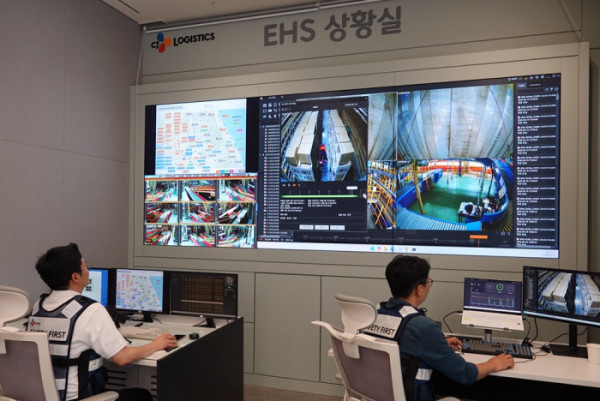
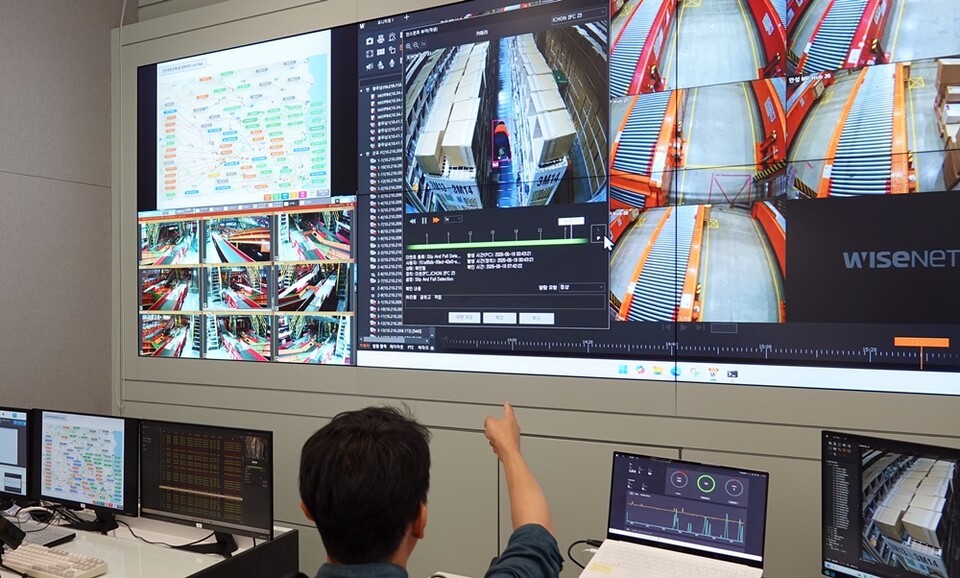
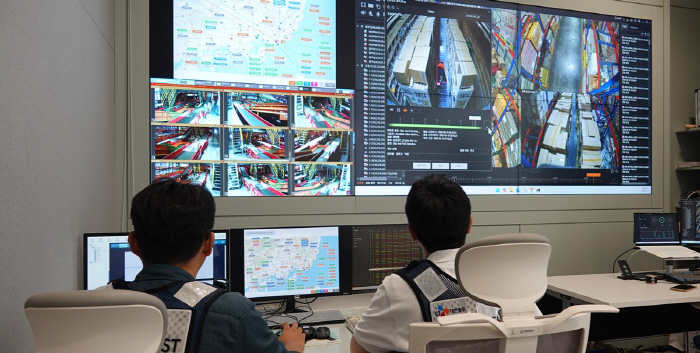
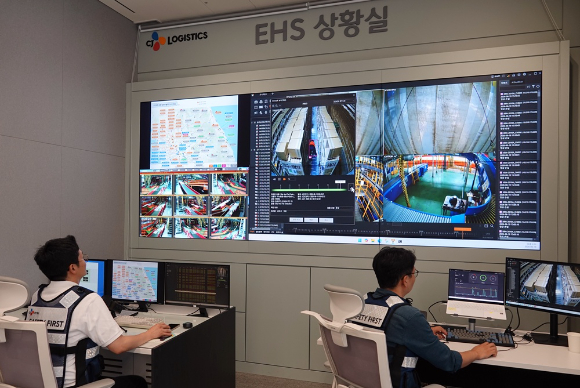
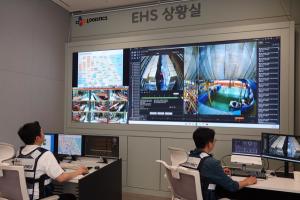
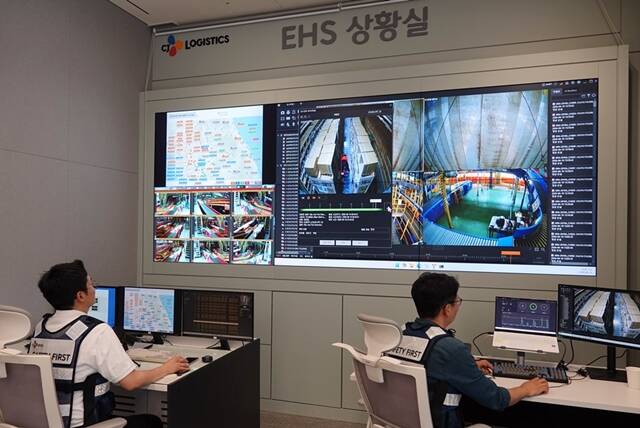
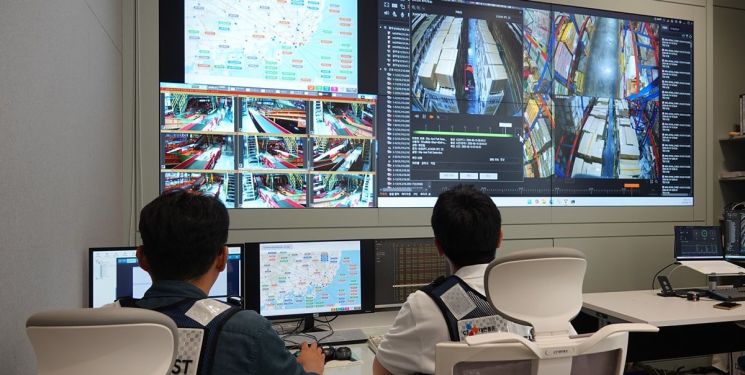
CJ Logistics has expanded the use of AI-powered CCTV and bodycams across 22 logistics centers in South Korea to monitor workers for early signs of heat-related illnesses. The AI system analyzes real-time behavior patterns, enabling rapid alerts and emergency responses, thereby proactively preventing health harm during extreme heat conditions.[AI generated]

Why's our monitor labelling this an incident or hazard?

An AI system (AI CCTV) is explicitly mentioned as being used to monitor workers' health indicators and detect signs of heat illness in real time. The AI's role in detecting abnormal signs and alerting safety staff directly relates to preventing injury or harm to persons, fulfilling the criteria for an AI Incident. The article reports the system is actively in use and contributing to harm prevention, not merely a potential risk or future hazard. Therefore, this qualifies as an AI Incident involving the use of AI to prevent injury or harm to people.[AI generated]
Industries
Logistics, wholesale, and retail

Severity
AI incident

Business function:
Monitoring and quality control

AI system task:
Event/anomaly detectionRecognition/object detection


Articles about this incident or hazard

Thumbnail Image

CJ대한통운, AI CCTV로 실시간 이상징후 감지...폭염 대응 강화 - 경제 | 기사 - 더팩트

2026-06-22
더팩트
Why's our monitor labelling this an incident or hazard?
An AI system (AI CCTV) is explicitly mentioned as being used to monitor and analyze worker behavior to detect health risk signs. The AI system's use directly contributes to preventing injury or harm to workers by enabling real-time detection and response to dangerous conditions, which aligns with harm category (a) injury or harm to health. Since the system is actively used and contributes to safety management, this is a case of AI system use leading to harm prevention rather than harm occurrence. However, the article does not report any actual harm occurring but focuses on the system's deployment to reduce risk. Therefore, this event is best classified as Complementary Information, as it provides context on AI deployment and safety management improvements without reporting an AI Incident or AI Hazard.
Thumbnail Image

CJ대한통운, '이상징후 감지' AI CCTV 확대...온열질환 예방 총력

2026-06-21
아시아경제
Why's our monitor labelling this an incident or hazard?
An AI system (AI CCTV) is explicitly mentioned as being used to monitor workers' health indicators and detect signs of heat illness in real time. The AI's role in detecting abnormal signs and alerting safety staff directly relates to preventing injury or harm to persons, fulfilling the criteria for an AI Incident. The article reports the system is actively in use and contributing to harm prevention, not merely a potential risk or future hazard. Therefore, this qualifies as an AI Incident involving the use of AI to prevent injury or harm to people.
Thumbnail Image

CJ대한통운, AI CCTV로 온열질환 예방 강화 "이상징후 실시간 감지

2026-06-21
이투데이
Why's our monitor labelling this an incident or hazard?
An AI system (AI CCTV) is explicitly mentioned and is used to monitor and analyze workers' health indicators in real-time. The system's use aims to prevent heat-related illnesses, which are health harms to people. Since the AI system's use directly supports harm prevention and is actively deployed in multiple sites, this qualifies as an AI Incident under the definition of causing or preventing injury or harm to health through its use. The event does not describe a potential risk or future harm but an active deployment with direct impact on health safety.
Thumbnail Image

CJ대한통운, 혹서기 맞아 온열질환 예방 총력 - 서울파이낸스

2026-06-22
서울파이낸스
Why's our monitor labelling this an incident or hazard?
An AI system is explicitly involved, as AI CCTV analyzes real-time data to detect health risks and trigger alerts. The AI system's use directly aims to prevent injury or harm to workers' health, which falls under harm category (a). Since the AI system's deployment is intended to prevent harm and no harm has been reported as occurring, this event represents a proactive safety measure with plausible prevention of harm. Therefore, it qualifies as Complementary Information because it provides context on AI use to improve safety and prevent incidents, rather than reporting an actual AI Incident or AI Hazard.
Thumbnail Image

CJ대한통운, AI CCTV로 온열질환 예방...이상징후 즉시 감지 - 신아일보

2026-06-22
신아일보
Why's our monitor labelling this an incident or hazard?
The AI CCTV system is explicitly described as analyzing worker behavior to detect early signs of heat illness, which is a health hazard. The system's alerts enable rapid response to prevent injury or worsening of health conditions. Since the AI system's use directly impacts the prevention of injury or harm to people, it meets the criteria for an AI Incident under harm category (a) injury or harm to health. The article does not describe potential or future harm but an active system in use preventing harm, so it is not a hazard or complementary information. It is not unrelated as the AI system is central to the event.
Thumbnail Image

CJ대한통운, AI가 작업자 건강 살핀다... 혹서기 온열질환 예방 강화

2026-06-22
아시아투데이
Why's our monitor labelling this an incident or hazard?
An AI system (AI CCTV with behavior analysis) is explicitly mentioned and is used in real-time monitoring to detect health risks among workers, directly aiming to prevent injury or harm (heat-related illnesses). The AI system's use is central to the safety management and has a direct role in preventing harm to persons, fulfilling the criteria for an AI Incident. There is no indication that harm has already occurred, but the system's deployment is actively preventing harm, which still qualifies as an AI Incident because the AI system's use is directly linked to preventing injury or harm to people in a workplace setting.
Thumbnail Image

CJ대한통운, 인공지능 CCTV로 온열질환 막는다

2026-06-22
포인트데일리
Why's our monitor labelling this an incident or hazard?
An AI system is explicitly involved (AI CCTV analyzing worker movements and detecting abnormal signs). The AI system's use is aimed at preventing injury or harm to workers' health, which aligns with harm category (a). Since the article describes the AI system's deployment and active use to prevent harm, and no harm has yet occurred but the system is designed to reduce risk, this constitutes an AI Hazard rather than an Incident. There is no indication that harm has already occurred due to the AI system or its malfunction. Therefore, the event is best classified as an AI Hazard.
Thumbnail Image

'AI CCTV'가 작업자 이상 실시간 체크···CJ대한통운, AI 안전관제 체계 강화

2026-06-22
아이뉴스24
Why's our monitor labelling this an incident or hazard?
An AI system (AI CCTV) is explicitly mentioned as analyzing real-time data to detect health anomalies in workers, which directly supports injury prevention. The system's use has a direct link to preventing harm to persons, fulfilling the criteria for an AI Incident. The event describes actual deployment and operation of the AI system with the purpose of preventing health harm, not just a potential risk or future hazard. Therefore, this qualifies as an AI Incident due to the AI system's role in preventing or mitigating injury or harm to people.
Thumbnail Image

CJ대한통운, 물류 현장에 AI CCTV 도입..."온열질환 이상징후 감지"

2026-06-22
와이드경제
Why's our monitor labelling this an incident or hazard?
An AI system (AI CCTV) is explicitly mentioned as being used to monitor and analyze worker behavior in real time to detect health risks. The system's use is directly linked to preventing injury or harm to people, fulfilling the criteria for an AI Incident. The event describes actual deployment and operational use of the AI system contributing to safety management and harm prevention, not just potential or future risks. Therefore, this qualifies as an AI Incident due to the AI system's role in preventing harm to workers' health.
Thumbnail Image

CJ대한통운, AI 기반 관제로 혹서기 온열질환 예방 총력

2026-06-22
핀포인트뉴스
Why's our monitor labelling this an incident or hazard?
The AI system is explicitly mentioned as analyzing worker behavior to detect early symptoms of heat-related illness and alerting safety teams for quick intervention. This use of AI directly aims to prevent injury or harm to people, fitting the definition of an AI Incident where the AI system's use leads to harm prevention (a form of health protection). Since the AI system is actively used to mitigate health risks and prevent injury, this is an AI Incident rather than a hazard or complementary information. The article does not describe a potential risk or future harm but an active deployment to reduce harm.
Thumbnail Image

[헬로티 HelloT] CJ대한통운, AI CCTV로 온열질환 이상징후 실시간 감지 체계 구축

2026-06-22
hellot.net
Why's our monitor labelling this an incident or hazard?
The AI system is explicitly mentioned as analyzing real-time data to detect health anomalies indicative of heat-related illness, which is a direct health hazard to workers. The system's use leads to real-time alerts and responses that prevent or mitigate injury, fulfilling the criteria for an AI Incident involving harm to health. The article reports actual deployment and operation of the AI system with the purpose of preventing harm, not just potential or hypothetical risks, so it is not merely a hazard or complementary information.
Thumbnail Image

CJ대한통운, 57개 사업장에 원격 안전 모니터링 가동...혹서기 온열질환 예방

2026-06-22
매일일보
Why's our monitor labelling this an incident or hazard?
An AI system is explicitly involved, as AI CCTV analyzes worker movements and health indicators to detect signs of heat-related illness. The AI system's use is intended to prevent harm to workers' health, which is a direct harm category under the AI Incident definition. Since the AI system's deployment is actively preventing injury and is operational, this constitutes an AI Incident rather than a hazard or complementary information. The article reports on the actual use of AI systems to mitigate health risks, not just potential risks or general AI developments.