Chinese Premier Warns of AI Risks, Urges Global Regulation

Thumbnail Image

The information displayed in the AIM should not be reported as representing the official views of the OECD or of its member countries.

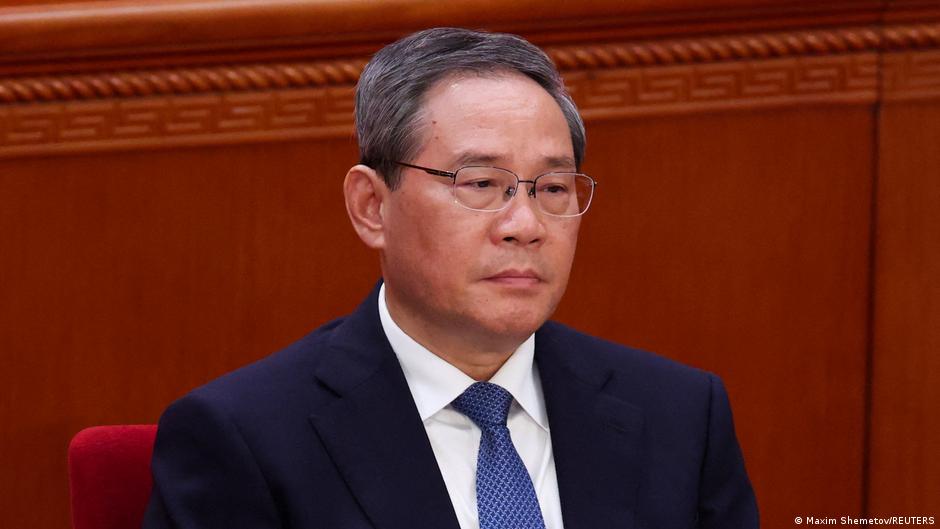
At the Summer Davos in Dalian, Chinese Premier Li Qiang warned that rapid advances in artificial intelligence could lead to humanity "losing control" if governments delay regulation. He highlighted risks such as labor disruption, security threats, and ethical lapses, urging swift global governance to prevent severe consequences.[AI generated]

Why's our monitor labelling this an incident or hazard?

The article discusses potential future harms from AI technologies and the need for regulation to avoid losing control, which fits the definition of an AI Hazard. There is no mention of an actual AI Incident causing realized harm, nor is the article primarily about responses or updates to past incidents, so it is not Complementary Information. It is not unrelated since it concerns AI risks and governance. Therefore, the event is best classified as an AI Hazard due to the credible risk of future harm from AI development and use if unregulated.[AI generated]
AI principles
Democracy & human autonomyRobustness & digital security

Industries
Government, security, and defenceBusiness processes and support services

Affected stakeholders
WorkersGeneral public

Harm types
Economic/PropertyPublic interestHuman or fundamental rights

Severity
AI hazard


Articles about this incident or hazard

Thumbnail Image

China insta a regular la inteligencia artificial antes de "perder el control"

2026-06-24
Yahoo!
Why's our monitor labelling this an incident or hazard?
The article discusses potential future harms from AI technologies and the need for regulation to avoid losing control, which fits the definition of an AI Hazard. There is no mention of an actual AI Incident causing realized harm, nor is the article primarily about responses or updates to past incidents, so it is not Complementary Information. It is not unrelated since it concerns AI risks and governance. Therefore, the event is best classified as an AI Hazard due to the credible risk of future harm from AI development and use if unregulated.
Thumbnail Image

China insta a regular la IA antes de "perder el control"

2026-06-24
Deutsche Welle
Why's our monitor labelling this an incident or hazard?
The article focuses on warnings from China's Prime Minister about the potential risks and ethical challenges posed by AI, including geopolitical and security concerns, but does not report any actual incident or harm caused by AI systems. The discussion is about the need for regulation to prevent future harms, which fits the definition of an AI Hazard. However, since the article is more about broad concerns and calls for governance rather than a specific credible risk or event that could plausibly lead to harm, it is best classified as Complementary Information, providing context and societal/governance response to AI risks rather than reporting a new hazard or incident.
Thumbnail Image

China alerta para riscos da IA e cobra regras globais para regulamentação

2026-06-24
Olhar Digital - O futuro passa primeiro aqui
Why's our monitor labelling this an incident or hazard?
The article centers on a political and economic leader's warnings about potential risks of AI and the need for regulation, which is a discussion of plausible future risks and governance challenges. There is no description of an AI system malfunctioning, causing harm, or being misused in a way that leads to an incident. Nor does it describe a specific event where AI use or development has directly or indirectly caused harm or a near miss. Therefore, it does not meet the criteria for an AI Incident or AI Hazard. It is best classified as Complementary Information because it provides important context and governance-related discourse about AI risks and regulatory needs, enhancing understanding of the AI ecosystem and its societal implications.
Thumbnail Image

La Chine veut des règles face au risque de "perte de contrôle" autour de l'IA

2026-06-24
DH.be
Why's our monitor labelling this an incident or hazard?
The article focuses on warnings about plausible future risks related to AI, such as loss of control and ethical issues, without describing any realized harm or specific AI system malfunction or misuse. Therefore, it fits the definition of an AI Hazard, as it concerns credible potential harms that could arise if governance does not keep pace with AI development.
Thumbnail Image

¿Por qué China pide regular la IA en todo el mundo antes de "perder el control"?

2026-06-24
La Silla Rota
Why's our monitor labelling this an incident or hazard?
The article centers on warnings and concerns about the potential risks of AI development and the necessity for international regulatory frameworks. It does not describe any realized harm or specific event where an AI system has directly or indirectly caused injury, rights violations, or other harms. Therefore, it fits the definition of an AI Hazard, as it discusses plausible future harms and the need to prevent them through regulation, rather than reporting an AI Incident or Complementary Information about a past event.
Thumbnail Image

China insta a regular la inteligencia artificial antes de "perder el control"

2026-06-24
RFI
Why's our monitor labelling this an incident or hazard?
The article discusses the potential risks and future harms that AI technologies could cause if not properly regulated, including ethical issues, security threats, and economic disruption. It does not describe any realized harm or incident caused by AI, nor does it provide updates on past incidents. Therefore, it fits the definition of an AI Hazard, as it highlights credible risks that could plausibly lead to AI incidents in the future if unaddressed.
Thumbnail Image

Primeiro-ministro chinês alerta para risco de humanidade 'perder o controle' da inteligência artificial e defende regulação

2026-06-24
O Globo
Why's our monitor labelling this an incident or hazard?
The article centers on a warning about plausible future harms from AI due to lack of regulation, which fits the definition of an AI Hazard. There is no indication that any AI system has caused direct or indirect harm yet, so it is not an AI Incident. It is not merely complementary information because the main narrative is about the risk and need for regulation, not about updates or responses to past incidents. Therefore, the event is best classified as an AI Hazard.
Thumbnail Image

Primeiro-ministro chinês alerta para risco de humanidade "perder o controle" da IA

2026-06-24
Folha - PE
Why's our monitor labelling this an incident or hazard?
The article does not describe any actual harm caused by an AI system, nor does it report a specific event where AI malfunctioned or was misused leading to harm. Instead, it focuses on the potential risks and the need for regulation to prevent loss of control over AI technologies. This fits the definition of an AI Hazard, as it highlights plausible future harms from AI development and use without describing a concrete incident. Therefore, the event is best classified as an AI Hazard.
Thumbnail Image

China advierte que se debe regular la inteligencia artificial antes de 'perder el control' por riesgos en el mercado laboral y de seguridad

2026-06-24
El Financiero, Grupo Nación
Why's our monitor labelling this an incident or hazard?
The article discusses the potential risks and future harms associated with AI, including labor market disruption and security threats, which aligns with the definition of an AI Hazard. There is no description of an actual AI Incident where harm has occurred, nor is the article primarily about responses or updates to past incidents (which would be Complementary Information). Therefore, the event is best classified as an AI Hazard due to the plausible future harms from AI development and use highlighted by a high-level government official.
Thumbnail Image

China insta a regular la inteligencia artificial antes de "perder el control" Ensegundos República Dominicana

2026-06-24
José Peguero
Why's our monitor labelling this an incident or hazard?
The article discusses the potential risks and challenges posed by AI technologies and the urgency of regulatory action to prevent loss of control and serious consequences. It does not describe any specific AI incident or harm that has already occurred, but rather warns about plausible future harms. Therefore, it fits the definition of an AI Hazard, as it concerns circumstances where AI development and use could plausibly lead to harm if not properly managed.
Thumbnail Image

China defende regulamentação da IA antes de 'perder o controle'

2026-06-24
UOL notícias
Why's our monitor labelling this an incident or hazard?
The article does not report any realized harm or incident caused by AI, nor does it describe a specific event where AI systems malfunctioned or were misused. It focuses on the need for regulation to prevent future harms and highlights potential risks, which is a governance and policy response context. Therefore, it is best classified as Complementary Information rather than an AI Incident or AI Hazard.
Thumbnail Image

LEAD La Chine continuera à participer à la gouvernance mondiale en matière d'IA (PM chinois)

2026-06-24
china.org.cn/china.com.cn(中国网)
Why's our monitor labelling this an incident or hazard?
The article does not describe any specific AI system, incident, or hazard causing harm or posing a direct risk. Instead, it focuses on governance intentions and risk management at a high policy level, which is complementary information about AI governance and risk awareness rather than a concrete incident or hazard.
Thumbnail Image

China insta a regular la inteligencia artificial antes de "perder el control"

2026-06-24
Yahoo Finance
Why's our monitor labelling this an incident or hazard?
The event involves AI systems in a general sense and highlights potential risks and harms that could plausibly arise from their development and use, such as economic disruption and security threats. Since no actual harm has occurred yet and the article is primarily a warning about possible future harms and a call for regulation, it fits the definition of an AI Hazard rather than an AI Incident or Complementary Information. It is not unrelated because it clearly concerns AI and its risks.
Thumbnail Image

China defende regulamentação da IA antes de "perder o controle"

2026-06-24
Correio do povo
Why's our monitor labelling this an incident or hazard?
The article does not describe any actual AI incident or harm that has occurred. Instead, it presents a high-level warning about potential risks associated with AI technologies and the importance of timely regulation to avoid losing control. This fits the definition of an AI Hazard, as it plausibly could lead to harms such as security breaches or ethical violations if not properly managed. There is no detailed event of harm or incident, nor is the article primarily about responses or updates to past incidents, so it is not Complementary Information. It is not unrelated because it clearly involves AI and its risks.
Thumbnail Image

China defende regulamentação da inteligência artificial antes de "perder o controle"

2026-06-24
Folha - PE
Why's our monitor labelling this an incident or hazard?
The article centers on warnings about plausible future harms from AI and the necessity of regulatory measures to prevent loss of control and ethical breaches. No actual harm or incident caused by AI is reported; rather, it is a policy and governance discussion emphasizing potential risks. Therefore, it fits the definition of an AI Hazard, as it highlights credible risks that AI development and use could plausibly lead to significant harms if unregulated.
Thumbnail Image

IA: China defende regulamentação urgente - 24/06/2026 - Tec - Folha

2026-06-24
Folha de S.Paulo
Why's our monitor labelling this an incident or hazard?
The article centers on warnings and calls for urgent regulation of AI due to its rapid development and potential risks. It highlights plausible future harms from AI but does not report any actual harm or incident caused by AI systems. Therefore, it fits the definition of an AI Hazard, as it discusses circumstances where AI could plausibly lead to harm if not properly regulated. There is no description of a specific AI Incident or complementary information about responses to a past incident, nor is it unrelated to AI.
Thumbnail Image

Mundo corre risco de 'perder o controle' da IA, alerta China em apelo por regulamentação

2026-06-24
VEJA
Why's our monitor labelling this an incident or hazard?
The article centers on the potential risks and challenges posed by AI technologies if left unregulated, highlighting concerns about future harms but without describing any realized harm or specific AI system malfunction or misuse. This fits the definition of an AI Hazard, as it plausibly could lead to AI incidents if not addressed, but no direct or indirect harm has yet occurred according to the article.