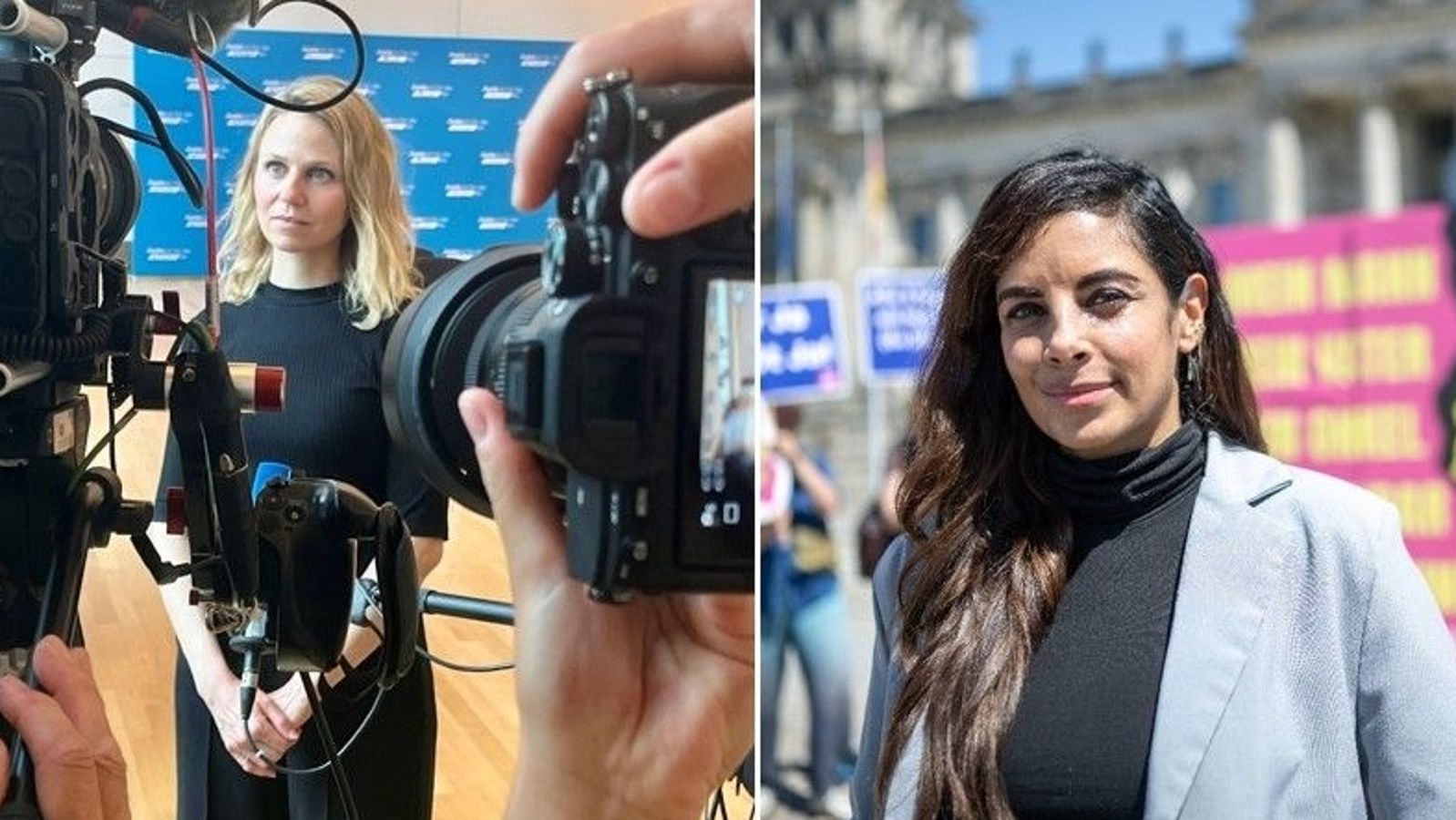
AI-Generated Deepfake Causes Harm to Actress, Prompts Legal Reform Calls in Bavaria

Thumbnail Image

The information displayed in the AIM should not be reported as representing the official views of the OECD or of its member countries.

Munich actress Teresa Rizos was psychologically harmed after discovering an AI-generated deepfake of her face on a pornographic image. Bavarian Justice Minister Georg Eisenreich called for tougher penalties for creators of sexualized deepfakes, highlighting their severe emotional and reputational impact, especially on women and girls.[AI generated]

Why's our monitor labelling this an incident or hazard?

The event involves the use of an AI system (deepfake technology) to create and distribute harmful content that directly caused psychological and reputational harm to the victim, fulfilling the criteria of an AI Incident. The harm includes violation of personal rights and emotional injury, which aligns with the definition of harm to persons and violation of rights. The article details the actual occurrence of harm, not just potential risk, and thus it is classified as an AI Incident rather than a hazard or complementary information.[AI generated]
AI principles
Privacy & data governanceRespect of human rights

Industries
Media, social platforms, and marketing

Affected stakeholders
Women

Harm types
PsychologicalReputationalHuman or fundamental rights

Severity
AI incident

AI system task:
Content generation


Articles about this incident or hazard

Thumbnail Image

Schauspielerin Teresa Rizos: Scham- und Schuldgefühle nach Deepfake

2026-06-24
GMX
Why's our monitor labelling this an incident or hazard?
The event involves the use of an AI system (deepfake technology) to create and distribute harmful content that directly caused psychological and reputational harm to the victim, fulfilling the criteria of an AI Incident. The harm includes violation of personal rights and emotional injury, which aligns with the definition of harm to persons and violation of rights. The article details the actual occurrence of harm, not just potential risk, and thus it is classified as an AI Incident rather than a hazard or complementary information.
Thumbnail Image

Schauspielerin Rizos: Scham- und Schuldgefühle nach Deepfake

2026-06-24
DIE WELT
Why's our monitor labelling this an incident or hazard?
The event involves the malicious use of an AI system (deepfake technology) to create and distribute non-consensual sexualized images, causing direct psychological harm and violation of rights to the victim. This fits the definition of an AI Incident as the AI system's use has directly led to harm (psychological injury and violation of dignity). The article also mentions legal efforts to address this harm, but the primary focus is on the realized harm from the AI system's misuse, not just potential or complementary information.
Thumbnail Image

Deepfakes: Bayerns Justizminister will härtere Strafen für Deepfakes

2026-06-24
Spiegel Online
Why's our monitor labelling this an incident or hazard?
While the article clearly involves AI systems (deepfake technology) and acknowledges the serious harms they cause, it does not describe a specific AI Incident (an event where harm has directly or indirectly occurred) or an AI Hazard (a specific event or circumstance where harm could plausibly occur). Instead, it centers on legislative proposals, calls for stricter laws, and advocacy petitions addressing the issue. Therefore, it fits best as Complementary Information, providing context and governance response to the broader AI-related harm problem of deepfakes rather than reporting a new incident or hazard.
Thumbnail Image

Schauspielerin Rizos: Scham- und Schuldgefühle nach Deepfake

2026-06-24
Süddeutsche Zeitung
Why's our monitor labelling this an incident or hazard?
Deepfake technology is an AI system that manipulates images and videos to create realistic but fake content. The article details a real case where such a deepfake was used to produce non-consensual pornographic content featuring the actress's face, causing her emotional harm and violating her rights. This harm is direct and materialized, fulfilling the criteria for an AI Incident. The article also highlights the societal and legal implications, but the primary focus is on the realized harm caused by the AI system's malicious use.
Thumbnail Image

Schauspielerin Teresa Rizos über Deepfakes: "Es war für alle öffentlich sichtbar

2026-06-24
Süddeutsche Zeitung
Why's our monitor labelling this an incident or hazard?
The event involves the use of AI to create a deepfake image that caused real harm to the individual depicted, fulfilling the criteria for an AI Incident. The harm includes violation of rights and emotional distress, which are recognized harms under the framework. The article also highlights ongoing legal and governance responses, but the primary focus is on the realized harm caused by the AI-generated deepfake. Hence, the classification is AI Incident.
Thumbnail Image

Schauspielerin Rizos: Scham- und Schuldgefühle nach Deepfake

2026-06-24
stern.de
Why's our monitor labelling this an incident or hazard?
The event involves the malicious use of AI systems to create deepfake pornographic content, which has directly caused psychological harm and violation of rights to the victim. The article details the harm experienced by the actress, including shame, guilt, and trauma, which aligns with the definition of an AI Incident involving harm to persons and violation of rights. The AI system's use in generating and distributing the deepfake content is central to the harm described, fulfilling the criteria for an AI Incident.
Thumbnail Image

Deepfakes: Prominente und Politiker für härtere Strafen

2026-06-24
Bayerischer Rundfunk
Why's our monitor labelling this an incident or hazard?
Deepfakes are AI-generated synthetic media that can create realistic but fake images or videos. The article describes real cases where individuals have been victimized by sexualized deepfake content, causing emotional and reputational harm. This fits the definition of an AI Incident because the AI system's use has directly led to harm to persons (emotional and psychological harm, violation of rights). The article also discusses legal responses to these harms, but the primary focus is on the realized harm caused by AI-generated deepfakes, not just potential or complementary information. Hence, the classification is AI Incident.
Thumbnail Image

Bayerns Justizminister will härtere Strafen für Deepfakes

2026-06-24
Schwaebische
Why's our monitor labelling this an incident or hazard?
The event involves AI systems explicitly, namely deepfake technology that uses AI to manipulate images and videos. The harms described include violations of personal rights, emotional distress, and reputational damage, which fall under violations of human rights and harm to individuals. The article focuses on the ongoing or realized harms caused by the use of AI-generated deepfakes and the legal response to these harms. Therefore, this qualifies as an AI Incident because the AI system's use has directly led to significant harm, and the article discusses concrete harms and legal measures addressing them.
Thumbnail Image

Bayerns Justizminister will härtere Strafen für Deepfakes

2026-06-24
Passauer Neue Presse
Why's our monitor labelling this an incident or hazard?
The event involves the use of AI systems to create deepfakes, which directly cause harm to individuals by violating their rights and causing emotional distress. The article describes ongoing harm from the use of AI-generated deepfakes and the legal response to address these harms. Since the harm is occurring and the AI system's use is central to the incident, this qualifies as an AI Incident. The focus is on the harm caused by AI-generated content and the legal measures to mitigate it, not merely on potential future harm or general AI news.
Thumbnail Image

Münchner Schauspielerin Teresa Rizos Opfer von Deepfake

2026-06-24
Abendzeitung München
Why's our monitor labelling this an incident or hazard?
The creation and dissemination of sexualized deepfake content using AI technology directly caused psychological harm to the victim, fulfilling the criteria for an AI Incident. The AI system's misuse led to a violation of personal rights and mental health harm. The article also highlights ongoing legal and societal responses but the primary event is the harm caused by the AI-generated deepfake, which is realized harm, not just potential.
Thumbnail Image

Internet: Bayerns Justizminister will härtere Strafen für Deepfakes

2026-06-24
News.de
Why's our monitor labelling this an incident or hazard?
The event involves AI systems explicitly, namely deepfake technology that uses AI to manipulate images and videos. The harms described include violations of personal rights, emotional harm, and identity misuse, which fall under violations of human rights and harm to individuals. Although the article focuses on proposed legal responses and does not report a specific new incident, the discussion centers on existing harms caused by AI-generated deepfakes and legislative measures to address them. Therefore, this is best classified as Complementary Information, as it provides governance and societal response context to known AI-related harms rather than reporting a new AI Incident or AI Hazard.
Thumbnail Image

Deepfakes: Bayerns Justizminister will härtere Strafen

2026-06-24
newstime.joyn.de
Why's our monitor labelling this an incident or hazard?
The article discusses the harmful potential of AI-generated sexualized deepfakes and the associated harms such as humiliation and violation of rights. While it acknowledges the serious harm caused by such AI systems, it does not describe a specific event where harm has occurred but rather a call for legal reform. Therefore, it is best classified as Complementary Information, as it provides governance response and societal reaction to known AI harms rather than reporting a new AI Incident or AI Hazard.