


The information displayed in the AIM should not be reported as representing the official views of the OECD or of its member countries.
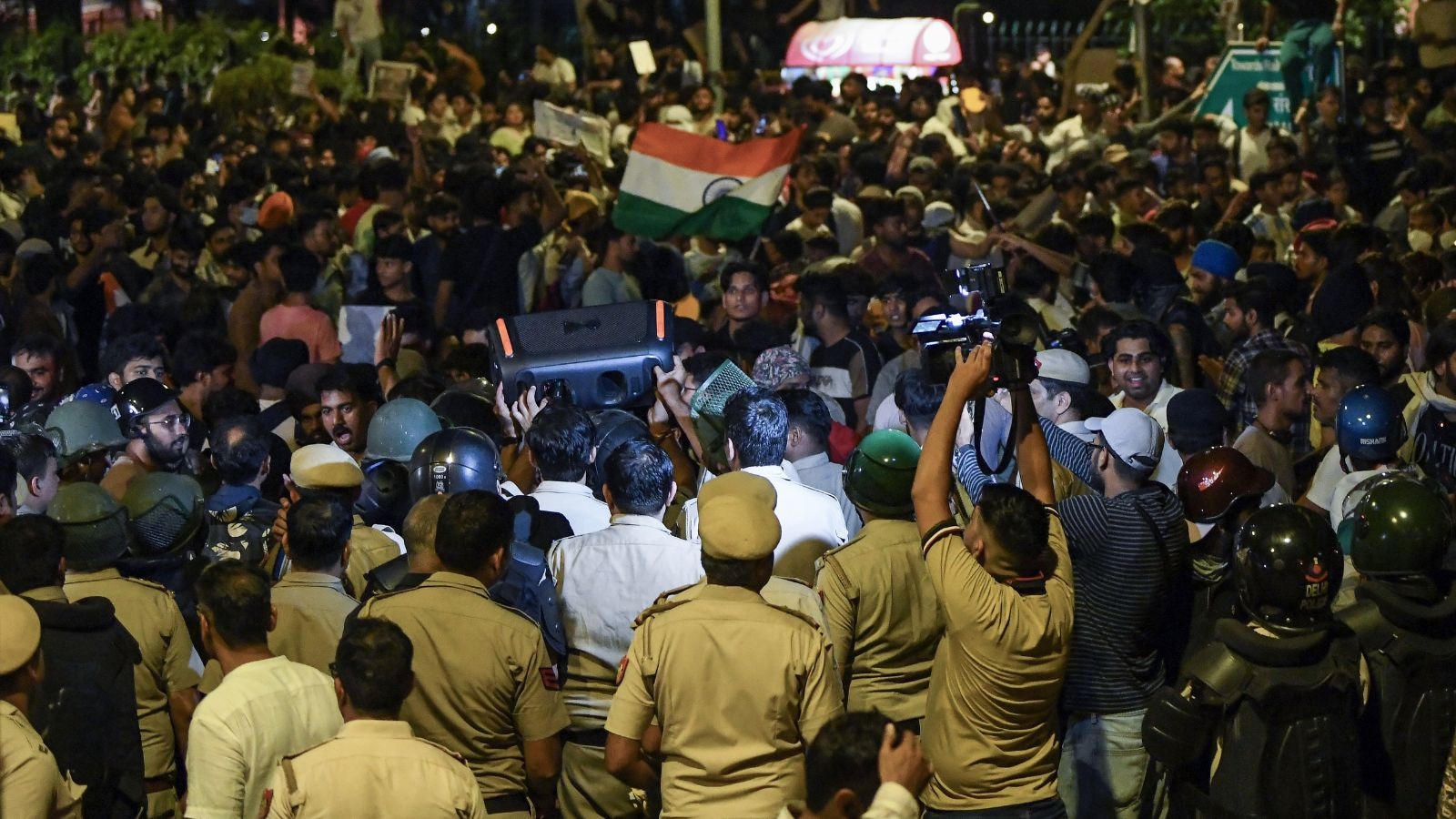
Delhi Police deployed AI-powered facial recognition systems at the Jantar Mantar protest site, identifying over 2,500 individuals with criminal records. The real-time surveillance, using high-resolution cameras linked to police databases, raises concerns about privacy and potential human rights violations during public assemblies.[AI generated]
Why's our monitor labelling this an incident or hazard?
The facial recognition system is an AI system used in real-time identification linked to police databases, which directly influences decisions about individuals' legal status and potential detention. This use can lead to violations of human rights or breaches of legal protections, especially in a protest context where rights to assembly and privacy are critical. The system's deployment and active use for law enforcement purposes constitute an AI Incident because it directly leads to potential or actual harm related to rights violations. The article describes the system as operational and integrated into police procedures, not merely a potential risk, so it is not an AI Hazard. It is not Complementary Information since the article focuses on the deployment and use of the AI system itself, not a response or update to a prior incident. It is not Beneficial Use because the AI system is used for law enforcement identification, which can cause harm or rights violations, not solely to prevent external harm without introducing new harm. Therefore, the classification is AI Incident.[AI generated]