The information displayed in the AIM should not be reported as representing the official views of the OECD or of its member countries.
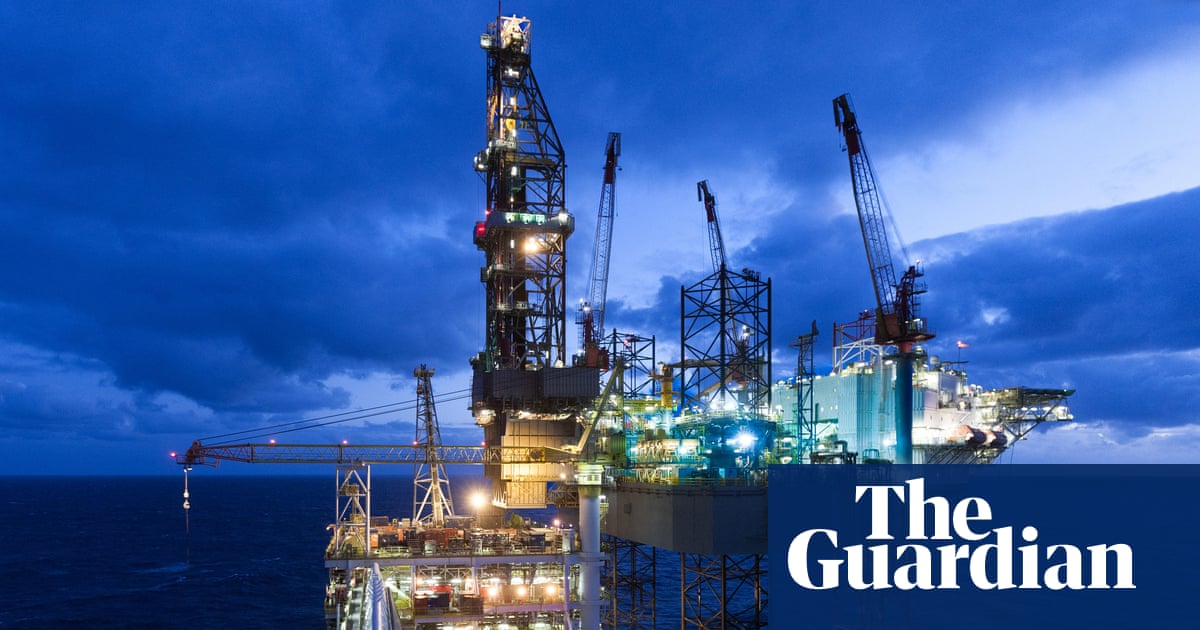
A peer-reviewed study led by former Microsoft employees finds that AI systems, while improving renewable energy efficiency, more significantly boost fossil fuel extraction and production, resulting in a net increase in global carbon emissions. The research quantifies this harm, highlighting AI's pivotal role in enabling additional fossil fuel emissions.[AI generated]
Why's our monitor labelling this an incident or hazard?
The article explicitly involves AI systems used to enhance fossil fuel production, which can be reasonably inferred to be AI systems optimizing resource extraction. The harm discussed is environmental (increased emissions), which is a recognized harm category. However, the article does not describe a specific incident where AI use has directly caused realized harm; rather, it presents modeled scenarios and warnings about plausible future harm. This aligns with the definition of an AI Hazard, where AI's development or use could plausibly lead to harm. The article is not merely general AI news or a beneficial use, nor is it a complementary information update about a past incident. Hence, the classification as AI Hazard is appropriate.[AI generated]


