


























The information displayed in the AIM should not be reported as representing the official views of the OECD or of its member countries.
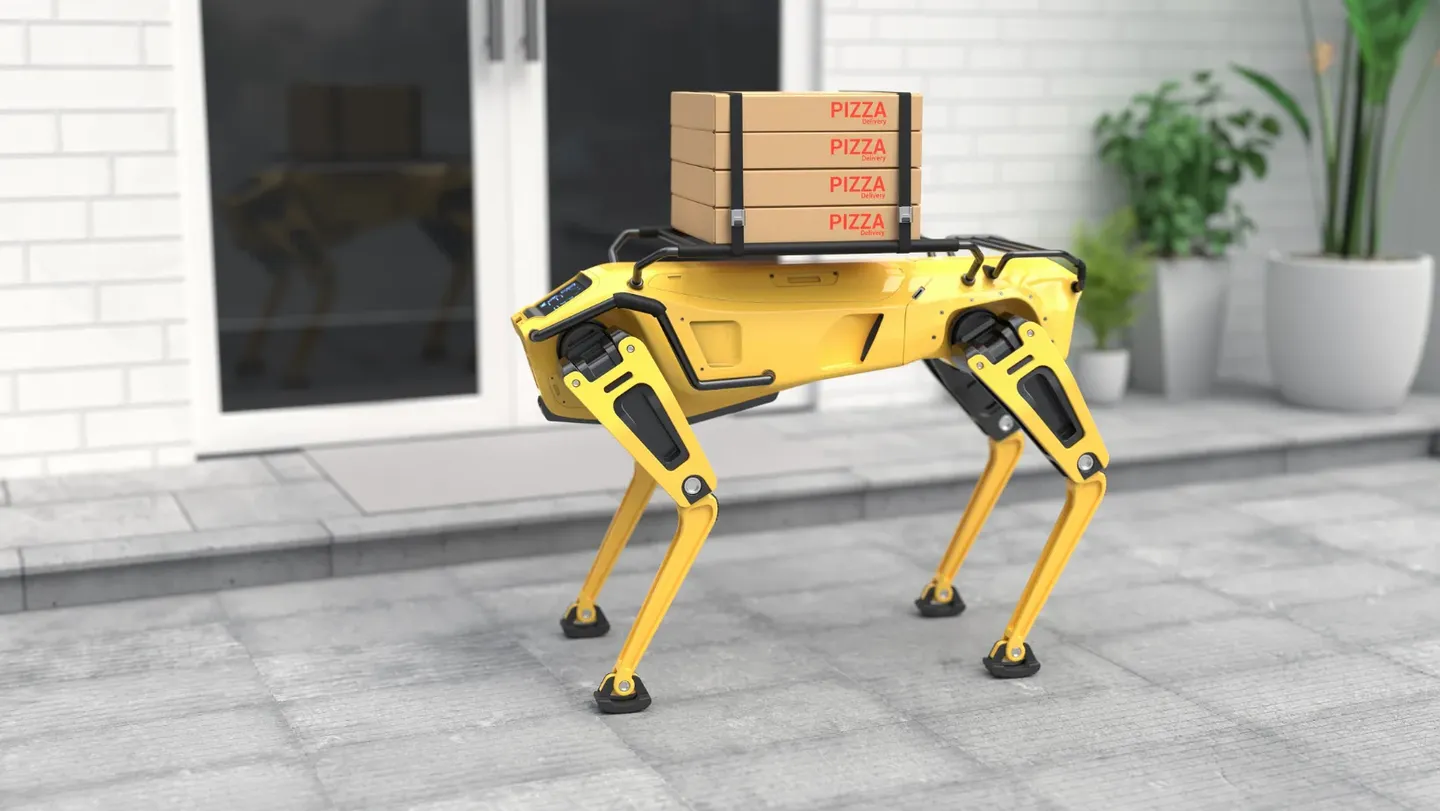
The Buenos Aires city government has authorized pilot tests of Level 4 autonomous vehicles and ground delivery robots in public spaces. The initiative, under strict safety and regulatory oversight, aims to gather operational data but introduces potential risks if AI systems malfunction during real-world trials.[AI generated]
Why's our monitor labelling this an incident or hazard?
The article explicitly mentions AI-enabled autonomous vehicles and delivery robots being authorized for public testing, which involves AI systems. While no harm or incident has occurred, the introduction of these AI systems into public spaces carries a credible risk of future harm (e.g., accidents involving pedestrians or cyclists). The event is about enabling experimental use under strict safety and regulatory conditions, which fits the definition of an AI Hazard (plausible future harm). It is not an AI Incident because no harm has materialized, nor is it Complementary Information since it is not an update or response to a prior incident. It is not Beneficial Use because the AI systems themselves are being tested, not deployed solely as countermeasures to external harms. It is not Unrelated because AI systems are central to the event.[AI generated]