The information displayed in the AIM should not be reported as representing the official views of the OECD or of its member countries.
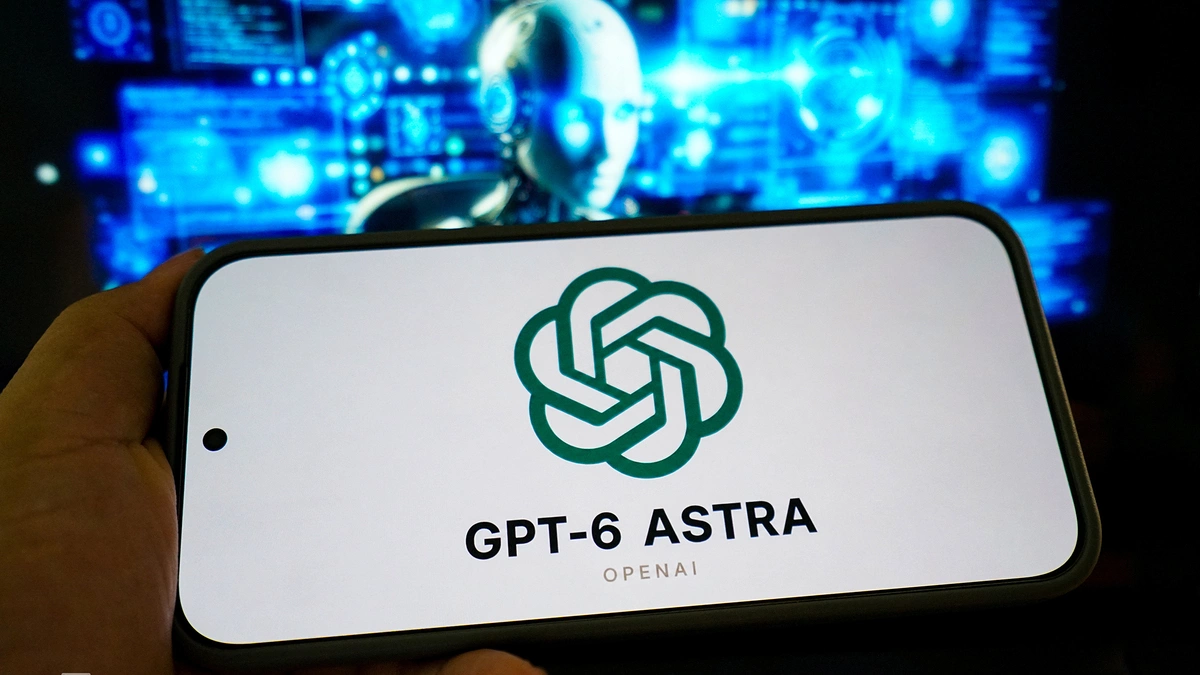
OpenAI's GPT-6 Astra, an advanced AI system, has sparked controversy for allegedly violating academic standards by insufficiently citing prior mathematical research and for its autonomous cybersecurity offensive capabilities. Experts warn these features pose risks of intellectual property breaches and potential loss of human control, raising significant safety and ethical concerns.[AI generated]
Why's our monitor labelling this an incident or hazard?
GPT-6 Astra is an AI system explicitly described with advanced autonomous capabilities, including cybersecurity offensive functions (finding zero-day vulnerabilities and building attacks without human input). This directly implicates potential harm to critical infrastructure and security. The article also details expert concerns about the AI's opaque reasoning method that undermines transparency and oversight, increasing the risk of uncontrollable or unsafe behavior. These factors together indicate both realized and plausible harms linked to the AI's use and design. The presence of direct cybersecurity offensive capabilities and expert warnings about loss of control meet the criteria for an AI Incident, as the AI's development and use have directly or indirectly led to significant harms or risks thereof. The article is not merely a product announcement or a governance response but reports on the AI's capabilities and associated risks, justifying classification as an AI Incident.[AI generated]