


The information displayed in the AIM should not be reported as representing the official views of the OECD or of its member countries.
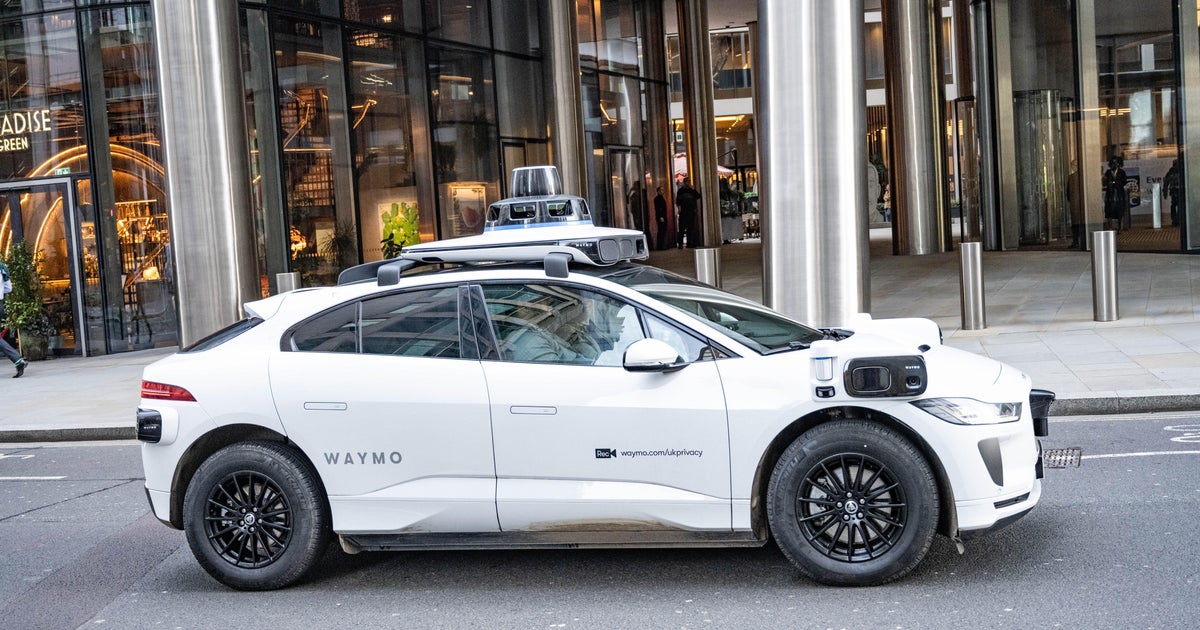
Minneapolis City Council is considering an ordinance requiring human monitors in all autonomous rideshare vehicles, targeting companies like Waymo. The measure aims to address safety risks and protect local rideshare jobs, potentially hindering Waymo's expansion. No AI-related harm has occurred, but the proposal reflects concerns about plausible future risks.[AI generated]
Why's our monitor labelling this an incident or hazard?
The event involves AI systems (driverless cars) whose deployment is imminent but not yet realized in Minneapolis. The ordinance aims to mitigate potential safety risks and economic harm to rideshare drivers, reflecting concerns about plausible future harms from autonomous vehicle operation without human oversight. Since no actual harm or incident has occurred, and the focus is on preventing possible future harms, this fits the definition of an AI Hazard. It is not an AI Incident because no harm has yet materialized. It is not Complementary Information because the article's main focus is the proposed ordinance itself, not a response to a past incident. It is not Beneficial Use because the AI system is not being deployed solely as a countermeasure to an external harm. It is not Unrelated because the event directly concerns AI systems (autonomous vehicles).[AI generated]