The information displayed in the AIM should not be reported as representing the official views of the OECD or of its member countries.
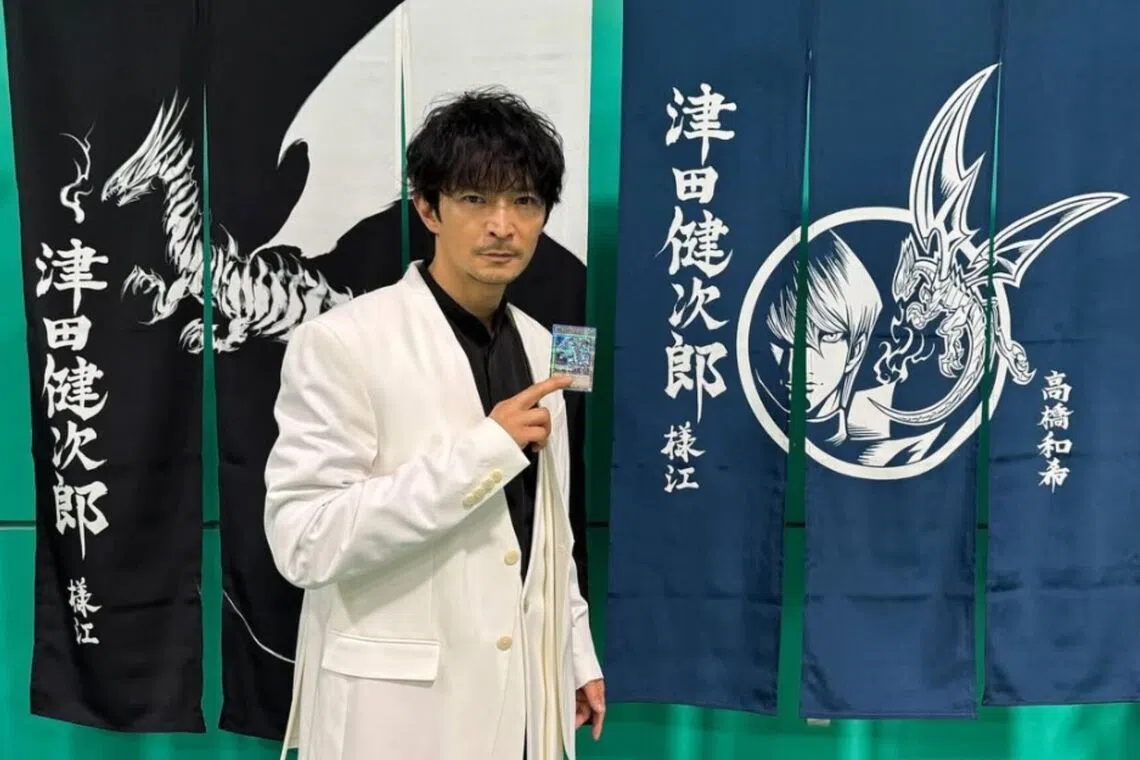
Japanese anime voice actor Kenjiro Tsuda has sued TikTok, alleging the platform hosted videos using an AI-generated clone of his distinctive voice without consent. The case, the first of its kind in Japan, highlights concerns over AI misuse infringing on performers' rights and causing potential economic harm.[AI generated]
Why's our monitor labelling this an incident or hazard?
The event describes an AI system generating synthetic voice content that mimics a real person's voice without consent, leading to harm in the form of violation of publicity rights and economic damage. The AI system's role is pivotal in creating the unauthorized voice clones, which have been used in videos generating revenue and misleading audiences. This constitutes a violation of intellectual property and personal rights, fitting the definition of an AI Incident under violations of human rights or breach of obligations protecting fundamental and intellectual property rights. The lawsuit and the described harms confirm that the AI system's use has directly led to harm, not just a plausible future risk.[AI generated]