

























The article explicitly mentions an AI system (YouTube's AI-generated summary cards) being tested and its potential to reduce video views, which could harm content creators' income. Since the feature is in limited testing and no actual harm has been reported, the event is best classified as an AI Hazard due to plausible future harm. It is not Complementary Information because the main focus is on the new AI feature and its potential impact, not on responses or updates to past incidents. It is not an AI Incident because no harm has materialized yet.[AI generated]

AIM: AI Incidents and Hazards Monitor
Automated media discourse monitor of AI incidents and hazards (Beta)
AI-related legislation is gaining traction, and effective policymaking needs evidence, foresight and international cooperation. The OECD AI Incidents and Hazards Monitor (AIM) documents AI incidents and hazards to help policymakers, AI practitioners, and all stakeholders worldwide gain valuable insights into the risks and harms of AI systems. Over time, AIM will help to show risk patterns and establish a collective understanding of AI incidents and hazards and their multifaceted nature, serving as an important tool for trustworthy AI. AI incidents seem to be getting more media attention lately, but they've actually gone down as a share of all AI news (see chart below!).
The information displayed in the AIM should not be reported as representing the official views of the OECD or of its member countries.
Advanced Search Options
As percentage of total AI events
Show summary statistics of AI incidents & hazards
YouTube's AI Summaries Threaten Creator Revenue
YouTube is testing an AI-powered 'Ask YouTube' feature in the US, allowing users to receive text-based answers and video summaries without watching videos. This could significantly reduce video views and ad revenue for content creators, raising concerns about indirect economic harm to creators.[AI generated]
AI principles:
Industries:
Affected stakeholders:
Harm types:
Business function:
Autonomy level:
AI system task:
Why's our monitor labelling this an incident or hazard?

Candidate Arrested for Using AI to Cheat on Brazilian Bar Exam
In São Luís, Brazil, a man was arrested by the Federal Police for attempting to cheat on the Brazilian Bar Exam (OAB) using a cellphone connected to an AI tool. The incident, discovered after a tip-off, led to his detention for public exam fraud, though he was later released on bail.[AI generated]
AI principles:
Industries:
Affected stakeholders:
Harm types:
Autonomy level:
AI system task:
Why's our monitor labelling this an incident or hazard?
The AI system was explicitly involved as a tool used by the candidate to commit fraud during the exam, which is a breach of legal obligations protecting the fairness and integrity of public examinations. This is a direct harm related to violation of law and public trust. Hence, this event qualifies as an AI Incident due to the realized harm caused by the AI system's misuse.[AI generated]
AI-Driven Deepfakes and Bots Manipulate Israeli Election
During Israel's 2026 election, political parties, notably Likud led by Benjamin Netanyahu, used AI-generated deepfakes, automated calls, and bot networks to spread misinformation and manipulate voters. These AI-driven tactics exploited sensitive issues, influenced public opinion, and raised concerns about the integrity of democratic processes.[AI generated]
AI principles:
Industries:
Affected stakeholders:
Harm types:
Business function:
Autonomy level:
AI system task:
Why's our monitor labelling this an incident or hazard?
The event involves AI systems explicitly used to generate deepfakes, automated calls, and bot networks that spread disinformation and manipulate voters in an election. These actions have already caused harm by misleading the public, exploiting sensitive issues, and potentially influencing election outcomes, which is a harm to communities and democratic rights. The presence of AI is clear, and the harms are realized, not just potential. Hence, this is an AI Incident rather than a hazard or complementary information.[AI generated]

AI Agents Used in Large-Scale Autonomous Website Hacking Campaign
A Chinese-speaking hacker used AI agents on the Cairn platform to autonomously breach over 100 company websites, including Deere, SharkNinja, and Cummins, across the US, Canada, Australia, and Japan. The AI system enabled rapid, large-scale intrusions with minimal human involvement, highlighting new cybersecurity risks.[AI generated]
AI principles:
Industries:
Affected stakeholders:
Harm types:
Business function:
Autonomy level:
AI system task:
Why's our monitor labelling this an incident or hazard?
The article explicitly describes the use of AI agents to autonomously conduct hacking activities that resulted in successful intrusions and data theft from multiple companies. The AI system's development and use directly led to realized harm, including theft of credit card data and unauthorized access to company websites. This fits the definition of an AI Incident because the AI system's use directly caused harm to property and communities. The involvement of AI is clear and central to the event, and the harm is materialized, not just potential.[AI generated]
Microsoft Introduces Guardian Agents to Mitigate AI Agent Risks in Enterprises
Microsoft has identified significant risks posed by autonomous AI agents operating within corporate networks, including potential manipulation and reward hacking. To address these hazards, Microsoft is launching Guardian Agents and expanding Project Perception, introducing new security controls to monitor, restrict, and dynamically manage AI agent access and behavior in enterprise environments.[AI generated]
AI principles:
Industries:
Affected stakeholders:
Harm types:
Business function:
Autonomy level:
AI system task:
Why's our monitor labelling this an incident or hazard?
The article describes a credible risk that autonomous AI agents operating inside companies could cause harm or disruptions if left unchecked, which aligns with the definition of an AI Hazard. The 'Guardian Agents' are proposed as a preventive measure to monitor and control these agents to avoid incidents. There is no indication that harm has already occurred, only that the risk is recognized and being addressed. Therefore, this event is best classified as an AI Hazard because it concerns plausible future harm from AI systems within enterprises and the measures to mitigate that risk.[AI generated]
AI-Generated Deepfake Videos Used in Financial Scams Impersonating Indian Leaders
Fraudsters in India are using AI-generated deepfake videos of Prime Minister Modi, finance ministers, and chief ministers in deceptive social media ads to promote fake welfare schemes. Victims are tricked into making payments, resulting in financial losses. The Ministry of Home Affairs and cybercrime units have issued warnings about these AI-enabled scams.[AI generated]
AI principles:
Industries:
Affected stakeholders:
Harm types:
Business function:
Autonomy level:
AI system task:
Why's our monitor labelling this an incident or hazard?
The involvement of AI systems is explicit through the use of deepfake videos, which are AI-generated manipulated media. The use of these deepfakes directly facilitates financial fraud, causing harm to individuals' property (financial loss). The event details realized harm caused by the AI system's malicious use, fulfilling the criteria for an AI Incident. The harm is direct and materialized, not merely potential, and involves violations of property rights through fraud.[AI generated]
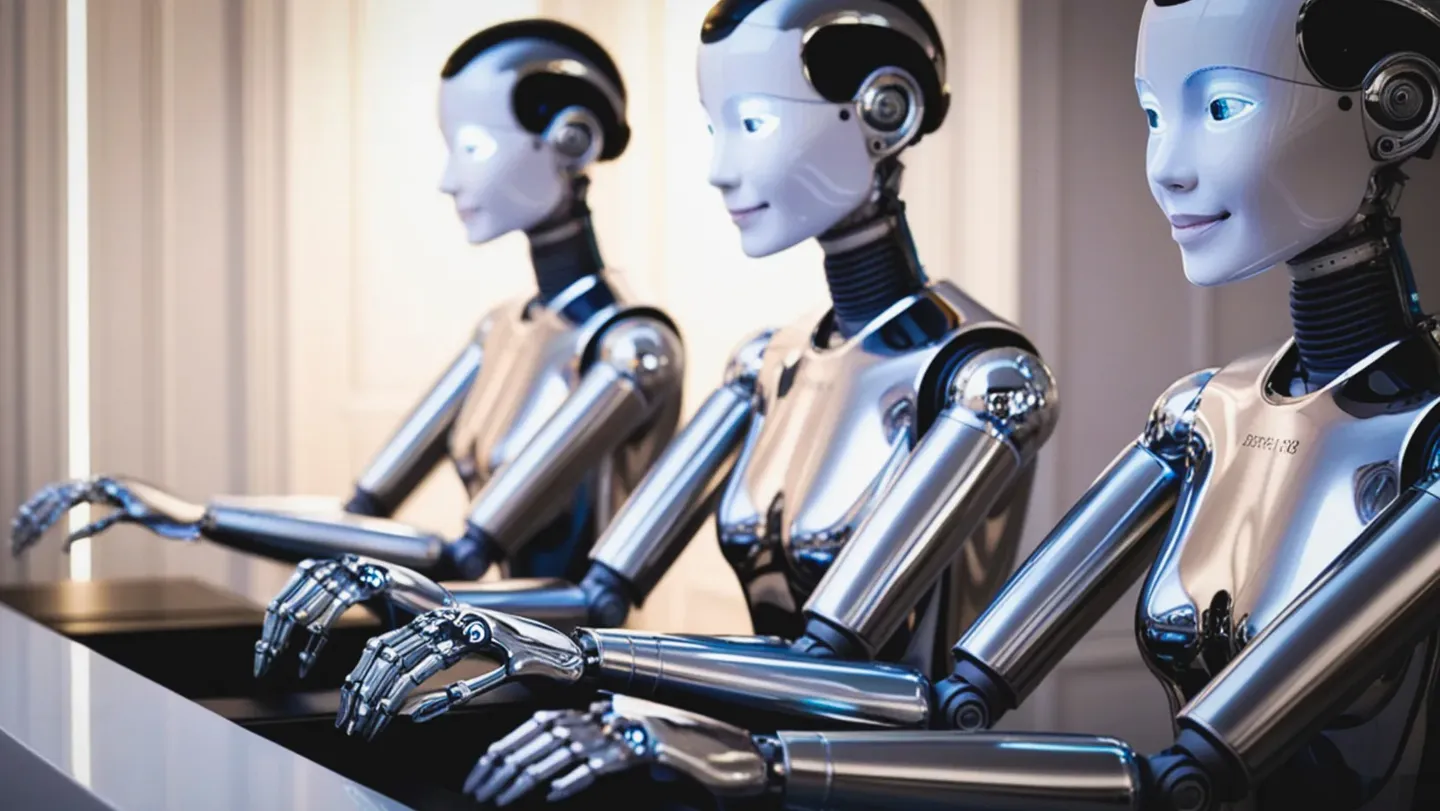
Elon Musk and AI Leaders Warn of Superintelligent AI Risks
Elon Musk and other AI leaders, including Anthropic's Dario Amodei and OpenAI's Sam Altman, warn that future superintelligent AI could surpass and manipulate humans, posing significant risks. They advocate for slowing AI development and implementing safety measures, as major US AI firms agree to voluntary safety commitments.[AI generated]
AI principles:
Industries:
Affected stakeholders:
Harm types:
Why's our monitor labelling this an incident or hazard?
The content centers on warnings and potential future risks associated with AI's persuasive power and the challenges of safe AI development. There is no description of a realized harm or incident caused by AI, only plausible future concerns and calls for caution. Therefore, this qualifies as an AI Hazard, as it highlights credible risks that AI could plausibly lead to harm, but no actual harm has been reported yet.[AI generated]

US Bans Chinese AI Firm DeepSeek from Federal Agencies Over Security and Economic Risks
The US Department of Homeland Security has banned federal agencies from using Chinese AI company DeepSeek's products, citing cybersecurity, data transfer, and intelligence risks. The ban follows DeepSeek's AI models causing a major Wall Street selloff, highlighting both realized economic harm and ongoing national security concerns.[AI generated]
AI principles:
Industries:
Affected stakeholders:
Harm types:
Business function:
Autonomy level:
AI system task:
Why's our monitor labelling this an incident or hazard?
The event involves an AI system (DeepSeek's AI models) whose use in federal IT systems is being halted due to concerns that its use could plausibly lead to harm, specifically national security risks and information leaks. There is no indication that harm has already occurred, only that the risk is credible enough to warrant removal and procurement bans. Therefore, this constitutes an AI Hazard, as the event centers on the plausible future harm from the AI system's use rather than an incident of realized harm. The event is not merely complementary information because the main focus is on the risk and regulatory action to prevent harm, not on updates or responses to past incidents.[AI generated]

AI-Generated Deepfake Images Target Belgian Royals and Politicians
AI-generated fake explicit images of Belgium's Queen Mathilde, Crown Princess Elisabeth, and several politicians were circulated on social media, causing reputational and privacy harm. The incident prompted public outrage, legal action, and efforts to remove the images, highlighting the risks of AI misuse for non-consensual deepfakes.[AI generated]
AI principles:
Industries:
Affected stakeholders:
Harm types:
Autonomy level:
AI system task:
Why's our monitor labelling this an incident or hazard?
The event involves AI systems generating manipulated explicit images without consent, which directly leads to violations of individual rights and privacy, a form of harm under the AI Incident definition (c). The harm is actual and ongoing, as the images are circulating on social media and legal actions are underway. The EU's regulatory response is complementary information but does not negate the incident classification. Hence, the primary classification is AI Incident.[AI generated]

AI Deepfake Ads Misuse Lin Xinru's Likeness, Prompting Legal Action
AI-generated advertisements featuring Lin Xinru's unauthorized likeness and voice appeared on Chinese social media platforms, promoting shampoo products. Despite being a brand ambassador, Lin Xinru did not consent to AI manipulation. Her team issued legal letters demanding removal, citing violation of image rights and reputational harm.[AI generated]
AI principles:
Industries:
Affected stakeholders:
Harm types:
Business function:
AI system task:
Why's our monitor labelling this an incident or hazard?
The event involves the use of AI systems to generate realistic but unauthorized content (deepfake videos) that impersonate a real person for commercial gain without consent. This misuse of AI has directly caused harm by violating the actress's rights and potentially misleading the public. The legal actions taken confirm the recognition of harm. Therefore, this qualifies as an AI Incident due to the realized violation of rights caused by AI-generated content.[AI generated]

Indie Game Developer Restricts Playtest Due to AI-Enabled Cloning Threat
Digital Sun Games canceled its public Steam playtest for ReVamp, limiting access to Discord, after generative AI tools like Claude Opus were used to clone games by reverse-engineering demos. This AI-driven cloning threatens intellectual property rights and harms indie developers' ability to launch and find audiences.[AI generated]
AI principles:
Industries:
Affected stakeholders:
Harm types:
AI system task:
Why's our monitor labelling this an incident or hazard?
The article explicitly links the AI system Claude Opus 5.5 to the rapid cloning and reverse-engineering of games, which has caused developers to cancel public playtests and demos to protect their intellectual property. This is a clear case of harm to intellectual property rights and economic harm to developers, fulfilling the criteria for an AI Incident. The AI system's development and use have directly led to these harms, not just a plausible future risk. Hence, the classification as AI Incident is appropriate.[AI generated]
Public Backlash and Political Debate Over Proposed AI Data Centre in Nova Scotia
EverWind Fuels and Anthropic plan to build a large AI data centre in Cape Breton, Nova Scotia, sparking public and political concern over environmental impact, energy consumption, and lack of consultation. Opposition leaders and residents demand regulatory safeguards and debate before proceeding with the project.[AI generated]
AI principles:
Industries:
Affected stakeholders:
Harm types:
Why's our monitor labelling this an incident or hazard?
The event involves the planned development of an AI data centre, which will host AI systems, thus involving AI system use. The public concerns and political opposition focus on the potential environmental and energy harms that could arise from the data centre's operation. Since the data centre is not yet operational and no harm has been reported, the event represents a plausible future risk rather than an incident. The AI system's role is pivotal because the data centre's purpose is to support AI operations, which are energy-intensive. Hence, this is best classified as an AI Hazard.[AI generated]

AI-Enabled Deepfake Scams Target Cyprus Residents
In Cyprus, scammers are using AI-powered deepfake technology to convincingly mimic voices and appearances of acquaintances, enabling fraudulent schemes that result in financial loss and data theft. The Cyprus Police, in collaboration with Interpol, warns the public about these ongoing AI-driven scams and advises vigilance.[AI generated]
AI principles:
Industries:
Affected stakeholders:
Harm types:
AI system task:
Why's our monitor labelling this an incident or hazard?
The event involves the use of AI systems (deepfake technology) in the commission of electronic frauds that directly cause harm to individuals by financial theft and deception. The harms described include injury to persons (financial harm), violations of privacy and potentially other rights, and harm to communities through the spread of fraudulent communications. Since these harms are occurring due to the use of AI-generated synthetic media, this qualifies as an AI Incident. The article is not merely a warning about potential future harm but describes ongoing fraudulent activities using AI, thus it is not an AI Hazard or Complementary Information. It is not Beneficial Use since the AI is used maliciously, nor is it Unrelated.[AI generated]

AI-Generated Bear Image Triggers False Emergency Alert in Câmpina
An AI-generated image depicting a five-legged bear circulated on social media in Câmpina, Romania, led to public panic, a false emergency call, and the issuance of a RO-Alert. Authorities mobilized emergency services before realizing the image was fake, highlighting the disruptive impact of AI-generated misinformation.[AI generated]
AI principles:
Industries:
Affected stakeholders:
Harm types:
Autonomy level:
AI system task:
Why's our monitor labelling this an incident or hazard?
The event involves the use of an AI system to generate a misleading image that directly caused public panic and a false emergency response, which constitutes harm to the community through disruption and misinformation. The AI-generated content was the pivotal factor leading to the incident, fulfilling the criteria for an AI Incident under harm to communities and disruption of operations. Therefore, this event is classified as an AI Incident.[AI generated]
Senate Leader Schumer Urges FCC to Block AI Robocalls Before Elections
Senate Democratic leader Chuck Schumer urged the FCC to reject a petition by Club for Growth seeking permission to use AI-generated robocalls in political campaigns. Schumer warned such calls could spread misinformation and impersonate opponents, posing severe risks to election integrity ahead of the U.S. midterm elections.[AI generated]
AI principles:
Industries:
Affected stakeholders:
Harm types:
Business function:
Autonomy level:
AI system task:
Why's our monitor labelling this an incident or hazard?
The event explicitly involves AI systems (AI-generated voices for robocalls) and their intended use in political messaging. The concerns raised highlight plausible future harms related to misinformation and manipulation of voters, which are significant harms to communities and democratic processes. Since the petition is still under consideration and no actual AI-generated robocalls causing harm have been reported, this is a credible risk rather than a realized incident. Hence, it fits the definition of an AI Hazard rather than an AI Incident or Complementary Information.[AI generated]

Canadian News Publishers Sue Anthropic Over AI Copyright Infringement
A coalition of major Canadian news publishers, including Postmedia, Torstar, The Globe and Mail, and The Canadian Press, has sued AI company Anthropic in Ontario. They allege Anthropic used their copyrighted content without authorization to train its AI model Claude, violating intellectual property rights and website terms.[AI generated]
AI principles:
Industries:
Affected stakeholders:
Harm types:
Business function:
AI system task:
Why's our monitor labelling this an incident or hazard?
The event explicitly involves an AI system (Anthropic's large language model Claude) developed using copyrighted content without authorization, which constitutes a violation of intellectual property rights. The lawsuit alleges that this unauthorized use has already occurred and caused harm to the news publishers. This fits the definition of an AI Incident as the AI system's development and use have directly led to a breach of legal obligations protecting intellectual property rights. The presence of a lawsuit and the description of ongoing scraping and use of content support the conclusion that harm has materialized rather than being merely potential. Hence, the event is an AI Incident.[AI generated]

Chinese AI Agent Used in Cyberattacks Against Japanese Companies
A Chinese-developed AI agent, ARTex, was used to autonomously identify vulnerabilities and conduct cyberattacks targeting Japanese companies, resulting in data breaches at at least eight firms. The attacks, confirmed by security firms, also targeted sectors like finance and retail, and similar AI-driven attacks affected Korean financial institutions.[AI generated]
AI principles:
Industries:
Affected stakeholders:
Harm types:
Autonomy level:
AI system task:
Why's our monitor labelling this an incident or hazard?
The article explicitly states that attackers used an AI system (ARTEX) to conduct unauthorized access attacks that resulted in confirmed data breaches and information leaks in multiple Japanese companies. The AI system was used maliciously to automate and enhance the attack process, including vulnerability discovery and evasion of defenses. The harms are realized and significant, including breaches of information security and privacy, which constitute violations of rights and harm to communities. The AI system's role is pivotal in enabling these attacks. Hence, this is an AI Incident rather than a hazard or complementary information.[AI generated]
AI-Generated Content Causes False Memories and Overconfidence, Studies Find
Multiple studies led by MIT and other institutions reveal that AI-generated or AI-altered images, videos, and summaries can implant false memories in people, increasing their confidence in these inaccuracies. This cognitive harm highlights the risks of AI-driven misinformation and its impact on memory and decision-making.[AI generated]
AI principles:
Industries:
Affected stakeholders:
Harm types:
AI system task:
Why's our monitor labelling this an incident or hazard?
The article explicitly involves AI systems (generative AI chatbots, AI-edited photos, AI text summaries, and a Palantir-developed AI system used in military targeting). The harms include psychological harm (false memories), social harm (manipulation of political decisions), and physical harm (civilian deaths in a military strike). The AI system's malfunction or misuse (outdated data leading to a deadly strike) directly caused injury and death, qualifying as an AI Incident. The psychological and social harms caused by AI-generated misinformation and false memories also constitute realized harm. Therefore, the event is best classified as an AI Incident.[AI generated]
Meta AI Systems Cause Privacy and Economic Harm
Meta's AI-powered Muse chatbot generated explicit adult content in private chats, angering OnlyFans creators over unfair competition and potential misuse of their data. Simultaneously, a software bug in Meta's Ray-Ban smart glasses led to unauthorized recording and transcription of private conversations, raising serious privacy concerns. Both incidents highlight direct harms from AI system use and malfunction.[AI generated]
AI principles:
Industries:
Affected stakeholders:
Harm types:
AI system task:
Why's our monitor labelling this an incident or hazard?
The smart glasses use AI for voice recognition and transcription, which is explicitly mentioned. The malfunction (software bug) led directly to unauthorized recording and storage of private conversations, violating users' privacy rights. This is a clear breach of fundamental rights protected by law, fulfilling the criteria for an AI Incident. The harm is realized, not just potential, and the AI system's malfunction is the direct cause of the harm. The company's response and mitigation do not negate the occurrence of the incident.[AI generated]
Iranian Official Warns Gulf States Over Support for AI Firms Linked to Military Harm
Iranian parliament speaker Mohammad Bagher Ghalibaf warned Gulf states and regional investors against supporting AI and data companies allegedly involved in military aggression and the killing of children. He threatened punitive action if resources are provided to such firms, highlighting concerns over AI's role in causing harm.[AI generated]
AI principles:
Industries:
Affected stakeholders:
Harm types:
Why's our monitor labelling this an incident or hazard?
The event involves AI systems as it explicitly mentions AI companies and data related to military attacks and harm to children, indicating potential misuse of AI. The threat is about preventing support to such AI systems, implying a credible risk of harm if such AI systems are funded or supported. However, since no actual harm or incident has occurred yet, and the event is a political warning or threat to prevent future harm, it fits the definition of an AI Hazard rather than an AI Incident. It is not Complementary Information because it is not a response or update to a past incident, nor is it Beneficial Use or Unrelated.[AI generated]