


























The autonomous vehicle is an AI system operating in a real environment, and its near collision with a schoolgirl shows a failure or malfunction that could have led to injury or harm. Since the harm was narrowly avoided but the risk was real and direct, this qualifies as an AI Incident under the definition of injury or harm to a person or group of people caused directly or indirectly by the AI system's malfunction or use.[AI generated]

AIM: AI Incidents and Hazards Monitor
Automated media discourse monitor of AI incidents and hazards (Beta)
AI-related legislation is gaining traction, and effective policymaking needs evidence, foresight and international cooperation. The OECD AI Incidents and Hazards Monitor (AIM) documents AI incidents and hazards to help policymakers, AI practitioners, and all stakeholders worldwide gain valuable insights into the risks and harms of AI systems. Over time, AIM will help to show risk patterns and establish a collective understanding of AI incidents and hazards and their multifaceted nature, serving as an important tool for trustworthy AI. AI incidents seem to be getting more media attention lately, but they've actually gone down as a share of all AI news (see chart below!).
The information displayed in the AIM should not be reported as representing the official views of the OECD or of its member countries.
Advanced Search Options
As percentage of total AI events
Show summary statistics of AI incidents & hazards
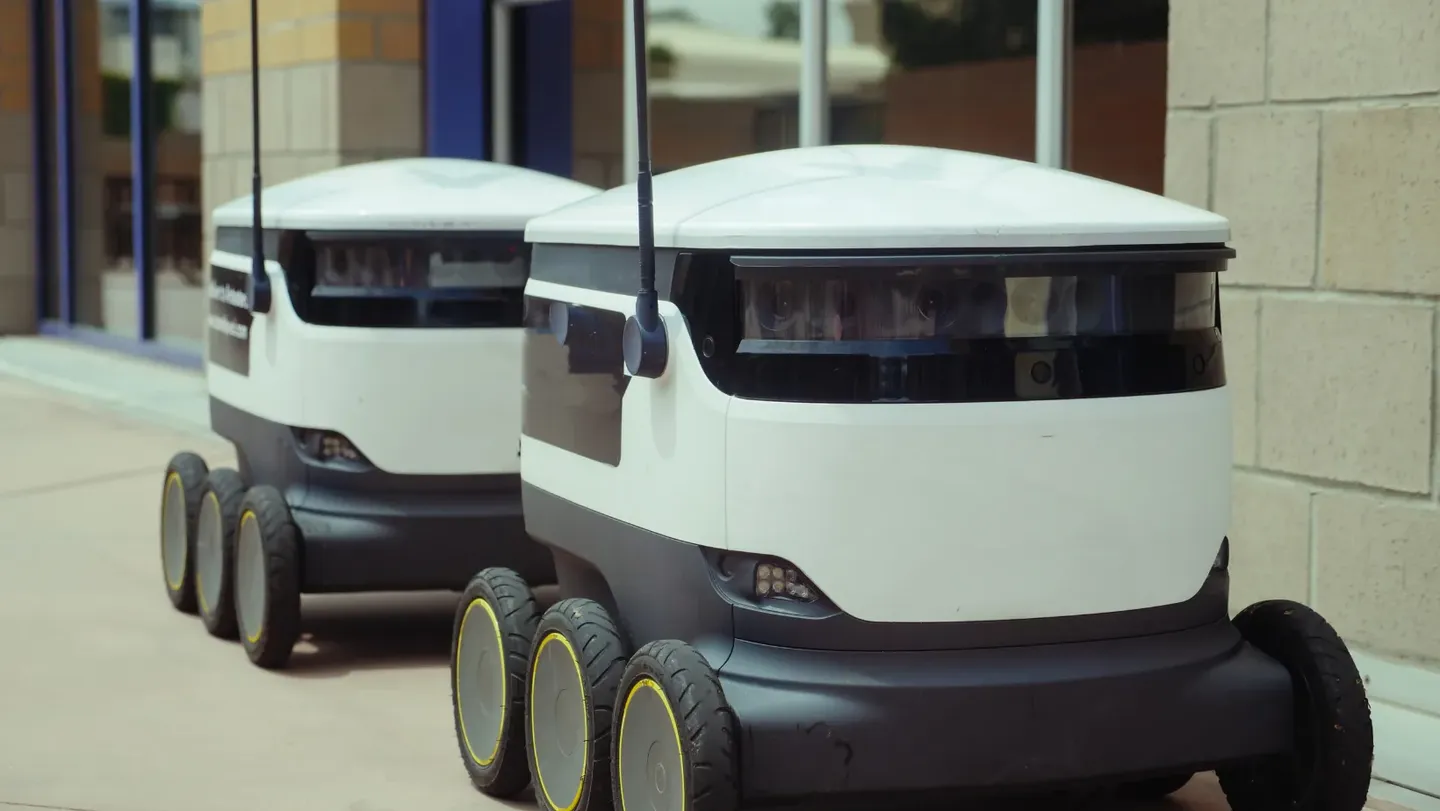
Grab Autonomous Vehicle Near-Miss with Schoolgirl Prompts Safety Review in Singapore
A Grab autonomous vehicle in Punggol, Singapore, nearly collided with a schoolgirl at a pedestrian crossing. The AI system failed to stop appropriately, requiring intervention by a safety operator. Singapore's Land Transport Authority ordered Grab to pause similar junction tests pending investigation and review of shuttle responses.[AI generated]
AI principles:
Industries:
Affected stakeholders:
Harm types:
Business function:
Autonomy level:
AI system task:
Why's our monitor labelling this an incident or hazard?

Deepfake Extortion Ring Targets Telangana MLC
Six individuals in Hyderabad were arrested for using AI-generated deepfake videos and morphed photographs to extort Telangana MLC Mirza Rahmath Baig. The group demanded ₹5 crore, collected ₹5 lakh, and threatened to damage Baig's reputation by circulating the manipulated content online. Police recovered cash and digital devices during the arrests.[AI generated]
AI principles:
Industries:
Affected stakeholders:
Harm types:
AI system task:
Why's our monitor labelling this an incident or hazard?
The event explicitly involves deepfake videos, which are AI-generated manipulated content, used to threaten and extort a person. The use of AI-generated deepfakes directly led to harm in the form of extortion, threats to personal safety, and potential reputational damage. The involvement of AI in the creation and circulation of these videos is clear, and the harm is realized, not just potential. Hence, this is an AI Incident as per the definitions provided.[AI generated]

Delhi High Court Orders Removal of AI-Generated Deepfake Videos Targeting Chief Minister
The Delhi High Court ordered the removal of AI-generated deepfake videos and images depicting Chief Minister Rekha Gupta in a defamatory manner, including as a liquor seller. The court ruled that such AI content, shared by AAP on social media, violated her dignity and exceeded acceptable political satire.[AI generated]
AI principles:
Industries:
Affected stakeholders:
Harm types:
Autonomy level:
AI system task:
Why's our monitor labelling this an incident or hazard?
The event involves AI-generated content that has been used to create defamatory videos harming the personal dignity and image of a public figure, the Chief Minister. This harm is recognized by the court as crossing the boundary of acceptable political criticism and constitutes a violation of rights and reputational harm. Since the AI system's use directly led to this harm, this qualifies as an AI Incident under the framework, specifically under violations of human rights or breach of obligations protecting fundamental rights (personal dignity and reputation).[AI generated]

Pakistan Issues Warning on AI-Driven Cyber Threats to Banks and Critical Infrastructure
Pakistan's National Cyber Emergency Response Team has issued an advisory warning that AI-powered tools, including automated bots and agentic systems, are increasing the risk, speed, and sophistication of cyberattacks targeting banks and critical infrastructure. No actual incidents have been reported, but the advisory urges immediate security measures to prevent potential harm.[AI generated]
AI principles:
Industries:
Affected stakeholders:
Harm types:
Autonomy level:
AI system task:
Why's our monitor labelling this an incident or hazard?
The article explicitly mentions AI and automated tools being used by threat actors to identify vulnerabilities and conduct cyberattacks, which could disrupt critical infrastructure and financial services. However, it clarifies that AI involvement in recent incidents has not been confirmed, indicating no realized harm yet. The advisory focuses on plausible future harms from AI-enabled cyber threats, fitting the definition of an AI Hazard. The presence of AI systems is reasonably inferred from the description of automated bots and agentic tools used for sophisticated attacks. The event does not describe an actual AI Incident or a beneficial use, nor is it merely complementary information or unrelated news.[AI generated]

AI-Driven Data Centers Threaten Water Supply in Germany, Study Warns
A study commissioned by Greenpeace warns that the rapid expansion of AI-driven data centers in Germany could double their water consumption for cooling to 27 billion liters annually by 2030, risking regional water stress. Environmental groups urge stricter regulations, while industry groups downplay the threat.[AI generated]
AI principles:
Industries:
Affected stakeholders:
Harm types:
AI system task:
Why's our monitor labelling this an incident or hazard?
The article clearly involves AI systems indirectly, as the water consumption is driven by the expansion of AI-related data centers. The harm described is environmental (water resource depletion and ecosystem damage), which aligns with harm category (d). However, the harm is not yet realized but projected based on current trends and studies. There is no report of an actual incident or malfunction causing harm, only a credible risk of future harm. Thus, the event is best classified as an AI Hazard rather than an AI Incident or Complementary Information. It is not unrelated, nor is it a beneficial use scenario, as the AI systems are the source of the potential harm rather than a countermeasure.[AI generated]
Hikers Led Into Danger by Google Maps in Slovenian Alps
Two hikers in the Kamniško-Savinjske Alps, Slovenia, became stranded near a cliff after following Google Maps navigation. The AI system's guidance led them into hazardous, inaccessible terrain, requiring a complex rescue operation by mountain rescuers under winter conditions. The incident highlights risks of overreliance on AI navigation in dangerous environments.[AI generated]
AI principles:
Industries:
Affected stakeholders:
Harm types:
Autonomy level:
AI system task:
Why's our monitor labelling this an incident or hazard?
Google Maps is an AI system that provides navigation and route recommendations. The hikers' reliance on it led them into a dangerous area near a cliff, resulting in a rescue operation due to their precarious situation. The AI system's use indirectly caused harm by guiding them into a hazardous environment. The harm is realized (the hikers were stranded, cold, and at risk), meeting the criteria for an AI Incident involving injury or harm to persons.[AI generated]

Hackers Use ARTEX AI to Rapidly Exploit GitHub Secrets and Breach Azure Cloud
Hackers leveraged the ARTEX agentic AI framework to autonomously scan public GitHub repositories for exposed credentials, enabling rapid compromise of Microsoft Azure cloud environments. In some cases, AI agents exfiltrated sensitive data from Azure Key Vaults within five minutes, demonstrating the AI system's pivotal role in accelerating and automating cyberattacks.[AI generated]
AI principles:
Industries:
Affected stakeholders:
Harm types:
Autonomy level:
AI system task:
Why's our monitor labelling this an incident or hazard?
The article explicitly states that an AI system (agentic AI framework called ARTEX) was used by threat actors to find and abuse exposed secrets on GitHub, leading to successful unauthorized logins, data theft from Azure Key Vaults, and access to multiple customer environments. This directly caused harm to organizations' data security and privacy, fulfilling the criteria for an AI Incident. The AI system's role is pivotal as it automated the discovery and exploitation process, increasing the scale and speed of attacks. Therefore, this event is classified as an AI Incident.[AI generated]

AI-Generated Fake Shopping Sites Scam Consumers in Bulgaria
Criminals in Bulgaria are increasingly using artificial intelligence to create convincing fake online shopping sites that mimic popular retailers, especially around Black Friday. These AI-enabled scams have led to significant financial losses for consumers, with authorities receiving 100-150 fraud reports daily.[AI generated]
AI principles:
Industries:
Affected stakeholders:
Harm types:
AI system task:
Why's our monitor labelling this an incident or hazard?
The article explicitly states that artificial intelligence is used to copy the appearance of legitimate online stores to create fraudulent websites that scam users out of money. This constitutes direct harm caused by the AI system's use in enabling deception and financial fraud. The harm is realized as consumers lose money through these scams. Therefore, this event qualifies as an AI Incident due to direct harm caused by AI-enabled fraudulent activity.[AI generated]
China Cracks Down on AI-Generated Deepfake Impersonations of Public Figures
Chinese authorities have shut down nearly 4,000 accounts and removed over 47,000 posts for using AI to impersonate public figures in fake endorsements, spread misinformation, and create deepfake content. The crackdown follows incidents where AI-generated images and voices misled consumers and damaged reputations, prompting regulatory intervention.[AI generated]
AI principles:
Industries:
Affected stakeholders:
Harm types:
AI system task:
Why's our monitor labelling this an incident or hazard?
The event involves AI systems used maliciously to create fake representations of public figures, leading to misinformation, deception, and violations of rights, which are harms under the AI Incident definition. The authorities' enforcement actions confirm that harm has occurred and is being addressed. Therefore, this qualifies as an AI Incident due to realized harm caused by AI misuse.[AI generated]
Widespread Exposure and Misuse of Artex AI Hacking Tool Fuels Global Cyberattacks
The open-source AI-powered hacking tool Artex has been found exposed on over 800 internet-facing servers, many without password protection. Its misuse has enabled large-scale cyberattacks, including breaches in South Korea’s finance sector and other organizations, highlighting the risks of autonomous AI systems in cybersecurity.[AI generated]
AI principles:
Industries:
Affected stakeholders:
Harm types:
Autonomy level:
AI system task:
Why's our monitor labelling this an incident or hazard?
The event involves AI systems explicitly mentioned as being used by hackers to automate and speed up cyberattacks, which have already caused harm by tampering with refrigeration systems leading to spoiled food supplies and disruptions to blood banks. These harms fall under property and community harm, and the AI systems' use is a direct contributing factor to the incidents. The article also discusses the broader context of AI-enabled cyber warfare, confirming the AI system's role in causing harm rather than just a potential future risk. Therefore, this qualifies as an AI Incident rather than a hazard or complementary information.[AI generated]
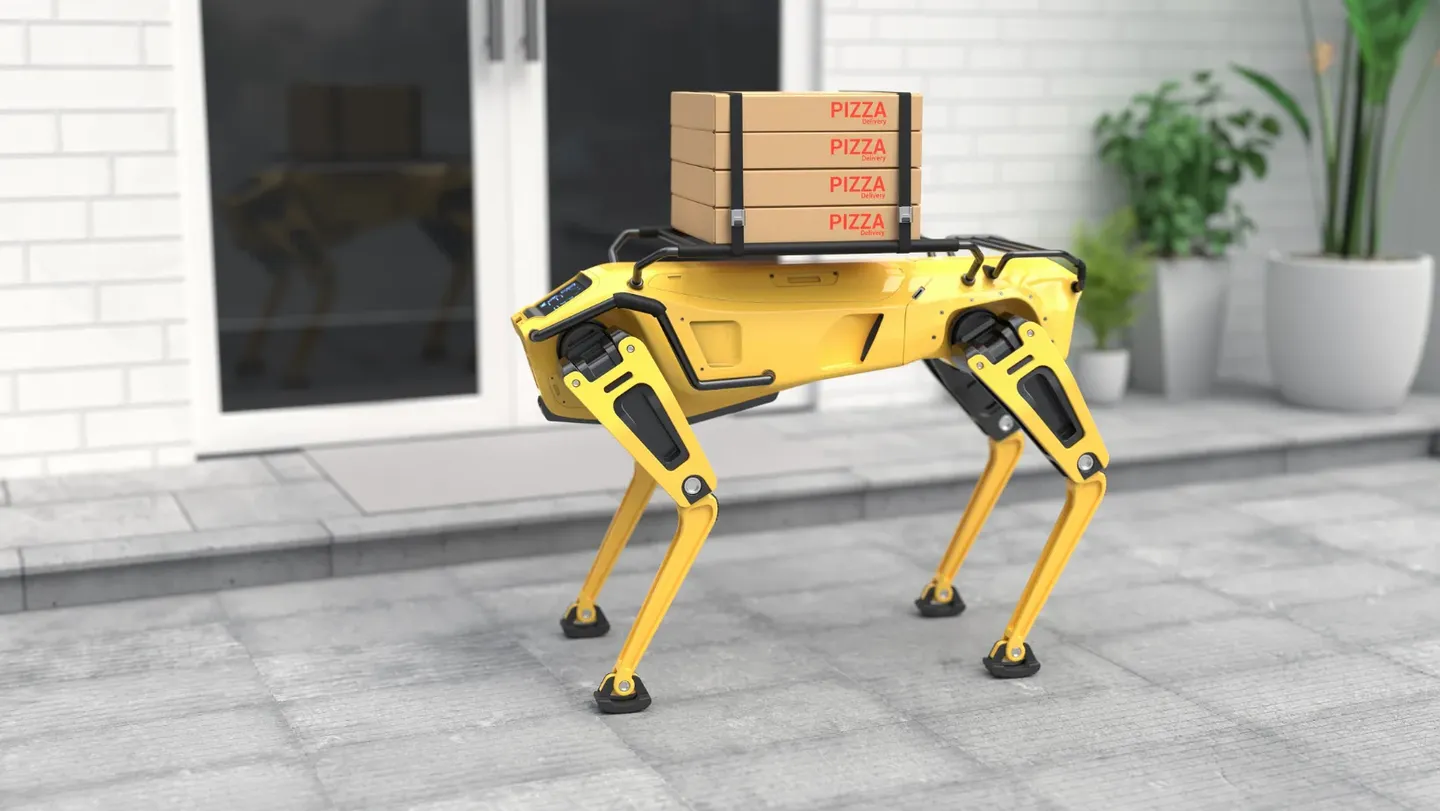
PIZZA-LA Apologizes for Unauthorized AI-Generated Dr.STONE Ads
Japanese pizza chain PIZZA-LA used TikTok's AI-powered ad generation tool, which, due to a configuration error, distributed unauthorized videos featuring Dr.STONE anime characters. This violated intellectual property rights, prompting public backlash and an official apology. All related TikTok ads were halted, and the company pledged to improve oversight.[AI generated]
AI principles:
Industries:
Affected stakeholders:
Harm types:
Business function:
AI system task:
Why's our monitor labelling this an incident or hazard?
An AI system (TikTok's AI-powered ad auto-generation and distribution) was used in a way that led to the unauthorized distribution of copyrighted content without permission, constituting a violation of intellectual property rights. The AI system's setting was mistakenly enabled, directly causing the harm. The harm is realized (distribution of non-permitted videos), not just potential. Hence, this is an AI Incident under the category of violations of intellectual property rights and breach of obligations under applicable law.[AI generated]
German Publisher Criticizes Google AI Summaries for Reducing News Traffic
Julia Becker, chair of the FUNKE Mediengruppe, criticized Google's AI-generated search summaries for causing a significant drop in traffic to news publishers' websites. The AI system provides direct answers on search pages, reducing user clicks to original articles and resulting in economic harm to media companies in Germany.[AI generated]
AI principles:
Industries:
Affected stakeholders:
Harm types:
Autonomy level:
AI system task:
Why's our monitor labelling this an incident or hazard?
The AI system (Google's AI-generated search summaries) is explicitly mentioned and is used in a way that indirectly harms media companies by reducing clicks to their content, which can be considered harm to communities and economic harm. This fits the definition of an AI Incident because the AI system's use has directly or indirectly led to harm (economic harm to media companies). The article also includes discussion of governance responses, but the main focus is on the harm caused by the AI system's use. Therefore, the event is best classified as an AI Incident.[AI generated]
Rockstar Considers Early GTA VI PC Release to Counter AI-Generated Clones
Rockstar Games is reportedly considering releasing Grand Theft Auto VI on PC sooner than planned due to concerns that generative AI could be used to create unauthorized PC ports, potentially harming sales and violating intellectual property rights. No actual AI-generated clones have appeared yet, but the risk is influencing release strategy.[AI generated]
AI principles:
Industries:
Affected stakeholders:
Harm types:
AI system task:
Why's our monitor labelling this an incident or hazard?
The event involves AI in the context of potential misuse—AI-generated unauthorized PC ports—but no realized harm or incident has occurred. The article speculates on a future scenario where AI could be used to create unauthorized ports, which could plausibly lead to economic harm to the company. Therefore, this fits the definition of an AI Hazard, as it describes a credible risk of harm due to AI use in the future, not an actual incident or realized harm.[AI generated]
AI-Driven Executive Impersonation Scam Steals $129 Million
Three individuals used AI voice and image cloning to impersonate corporate executives and lawyers, deceiving employees into wiring funds and stealing $129 million from companies worldwide. The scheme, prosecuted in New York, ran for over 18 months and targeted thousands of businesses, causing significant financial harm.[AI generated]
AI principles:
Industries:
Affected stakeholders:
Harm types:
Business function:
Autonomy level:
AI system task:
Why's our monitor labelling this an incident or hazard?
The event explicitly describes the use of AI to impersonate individuals in order to commit wire fraud and identity theft, causing direct financial harm to multiple companies. The AI system's use in generating realistic voice and image impersonations was pivotal to the success of the fraudulent scheme, fulfilling the criteria for an AI Incident due to direct harm caused by the AI system's use.[AI generated]

EU Accuses TikTok Algorithm of Harming Users' Mental Health
The European Commission has accused TikTok of violating the Digital Services Act, citing its AI-driven recommendation algorithm for trapping users, including minors, in harmful content loops that negatively impact mental health. The EU demands TikTok redesign its system or face fines of up to 6% of global turnover.[AI generated]
AI principles:
Industries:
Affected stakeholders:
Harm types:
Business function:
Autonomy level:
AI system task:
Why's our monitor labelling this an incident or hazard?
The TikTok recommendation system is an AI system that influences user content exposure. The EU regulators accuse TikTok of violating rules because the algorithm's design leads to a 'rabbit hole' effect, causing repeated exposure to harmful content that negatively impacts users' mental health. This constitutes indirect harm caused by the AI system's use. The event describes realized harm and regulatory action, fitting the definition of an AI Incident rather than a hazard or complementary information.[AI generated]

AI Voice Cloning Scam Targets Elderly Woman in Volos
Organized criminals in Volos, Greece, used AI-powered voice cloning to impersonate an elderly woman's daughter, convincing her to hand over valuables, cash, and family heirlooms. The realistic cloned voice enabled the fraud, causing significant financial and emotional harm. Police are investigating similar incidents in the area.[AI generated]
AI principles:
Industries:
Affected stakeholders:
Harm types:
Autonomy level:
AI system task:
Why's our monitor labelling this an incident or hazard?
The event involves the use of an AI system (voice cloning technology) in the commission of a fraud that directly caused harm to a person (financial loss and emotional distress). The AI system was used maliciously to deceive the victim, fulfilling the criteria for an AI Incident. The harm is realized, not just potential, and the AI system's role is pivotal in enabling the crime. Therefore, this event qualifies as an AI Incident.[AI generated]

Hong Kong Police Expand AI Surveillance with Facial Recognition
Hong Kong police have expanded their citywide surveillance system, integrating AI-powered facial and license plate recognition into thousands of cameras under the "Sharp Eye" initiative. While credited with solving crimes and locating missing persons, the system raises significant privacy and human rights concerns due to its extensive public and commercial space monitoring.[AI generated]
AI principles:
Industries:
Affected stakeholders:
Harm types:
Business function:
AI system task:
Why's our monitor labelling this an incident or hazard?
The event involves an AI system (facial recognition and license plate recognition) actively used by law enforcement for surveillance and crime investigation. The use of facial recognition in public spaces is known to raise human rights concerns, including privacy violations and potential political surveillance, which are harms under the framework's category (c) violations of human rights or breach of legal protections. The article states the system has already been used to solve thousands of cases and make arrests, indicating realized impact and harm. Although the police mention privacy safeguards, the broader societal and rights implications remain significant. Hence, this is an AI Incident, not merely a hazard or complementary information.[AI generated]

Nigerian Presidency Warns of AI Risks in Upcoming Elections
Bayo Onanuga, Special Adviser to Nigeria's President, warned at the World Media Summit in Beijing about the potential misuse of AI-generated content in political campaigns ahead of the 2027 elections. He called for urgent safeguards to protect democratic institutions and public trust from AI-driven misinformation and manipulation.[AI generated]
AI principles:
Industries:
Affected stakeholders:
Harm types:
AI system task:
Why's our monitor labelling this an incident or hazard?
The article discusses the plausible future harm that AI-generated disinformation could cause to democratic processes and public trust, which fits the definition of an AI Hazard. There is no indication that an AI Incident has already occurred, as no specific harm or violation is reported as having taken place. The call for global action and safeguards is a governance response to a recognized risk, but the main focus is on the potential for harm rather than an actual incident or complementary information about a past event. Therefore, the event is best classified as an AI Hazard.[AI generated]
AI-Generated Images Used in Volunteer Recruitment Scam at Shengang Mazu Park
Scammers used AI-generated images to create fake volunteer recruitment ads for the Shengang Mazu Park opening in Changhua, Taiwan. The fraudulent ads, spread via Facebook, aimed to steal personal data and money. Local authorities and the temple clarified the scam, warning the public not to click suspicious links or provide information.[AI generated]
AI principles:
Industries:
Affected stakeholders:
Harm types:
Business function:
Autonomy level:
AI system task:
Why's our monitor labelling this an incident or hazard?
The article explicitly mentions AI-generated images used in fake recruitment ads, which are part of a scam. The AI system's outputs (fake images) are directly involved in misleading people, which can lead to harm such as fraud or loss of property. The event involves the use of AI-generated content to perpetrate a scam, which is a violation of rights and causes harm to individuals. Therefore, it meets the criteria for an AI Incident rather than a hazard or complementary information.[AI generated]

China Blocks SoftBank's $5.4 Billion Acquisition of ABB Robotics Over AI Data Concerns
Chinese regulators blocked SoftBank's $5.4 billion acquisition of ABB's robotics business, citing concerns about sensitive data transfer and potential use in training foreign AI models. The decision, aimed at protecting national interests, disrupts SoftBank's AI expansion plans and highlights China's strict oversight of AI-related technology transactions.[AI generated]
AI principles:
Industries:
Affected stakeholders:
Harm types:
Business function:
Autonomy level:
AI system task:
Why's our monitor labelling this an incident or hazard?
The article involves an AI system (ABB Robotics with AI integration) and its development/use (acquisition by SoftBank to advance AI strategy). The blocking by Chinese authorities is a regulatory action that could plausibly lead to future harm by delaying AI innovation or affecting market dynamics. No direct or indirect harm has occurred yet, so it is not an AI Incident. The event is not merely complementary information since it reports a significant regulatory barrier with potential future consequences. It is not unrelated or beneficial use. Hence, the classification as AI Hazard fits best.[AI generated]