





















These tools and metrics are designed to help AI actors develop and use trustworthy AI systems and applications that respect human rights and are fair, transparent, explainable, robust, secure and safe.
Z-Inspection®

Z-Inspection® is a methodology for assessing the trustworthiness of AI systems.
It uses a holistic, participatory approach, incorporating ethical principles from the EU framework and other sources, and employing socio-technical scenarios to identify potential risks and ethical tensions.
The process involves assembling an interdisciplinary team, analyzing claims and evidence, and mapping issues to ethical principles.
Finally, Z-Inspection® offers recommendations for mitigating risks and promoting responsible AI development and deployment, with several case studies demonstrating its application.
Z-inspection® can be applied to a variety of domains such as business, healthcare, public sector, among many others. To the best of our knowledge, Z-inspection® is the first process to assess Trustworthy AI in practice.
"In relation to the EU AI Act, the methodology is expected to play a complementary role by supporting organisations beyond pre-deployment compliance requirements. In fact, while the AI Act places emphasis on ex ante impact assessments, Z-Inspection® can be applied after deployment, providing a valuable evaluation throughout the AI lifecycle. Moreover, the interviewed public officials highlighted its usefulness both for deepening understanding of AI Act requirements and for addressing ethical, legal, and organisational aspects that may not be fully covered by formal compliance procedures."
Interoperable Europe Portal (European Commission
Mission
Our mission is to promote and advance the development, assessment, research, and education of trustworthy, responsible, and mindful AI, including the protection of fundamental and human rights, in the context of AI systems and applications.
Z-inspection® is a registered trademark.
This work is distributed under the terms and conditions of the Creative Commons (Attribution-NonCommercial-ShareAlike CC BY-NC-SA) license.
About the tool
You can click on the links to see the associated tools
Developing organisation(s):
Tool type(s):
Objective(s):
Impacted stakeholders:
Purpose(s):
Target sector(s):
Country/Territory of origin:
Lifecycle stage(s):
Type of approach:
Usage rights:
Target groups:
Target users:
Stakeholder group:
Validity:
Geographical scope:
People involved:
Required skills:
Risk management stage(s):
- Govern: Consult with relevant stakeholders
- Govern: Document risk management steps, decisions, and actions
- Govern: Monitor and review risks & impacts
- Treat: Mitigate risks & impacts
- Treat: Prevent risks & impacts
- Assess risks & impacts
- Define scope, context, actors and criteria to evaluate
- Assess
- Early-stage risk awareness
Technology platforms:
Tags:
- human-ai
- ai ethics
- ai risks
- trustworthy ai
- bias
- data
- genAI
- sandbox
- artificial intelligence
- ethical decision making
- operationalizing ai ethics
- ai law
- tracker
- responsible stewardship throughout the ai lifecycle
Use Cases

Assessing the trustworthiness of the use of machine learning as a supportive tool to recognize cardiac arrest in emergency calls
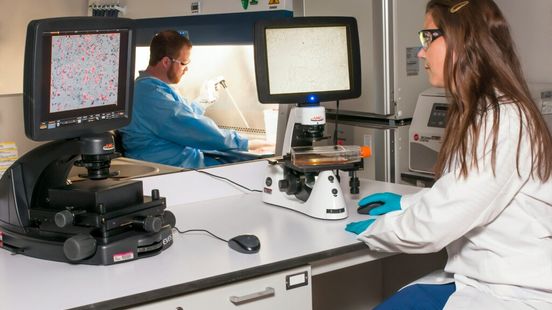
Assessing the ethical, technical and legal implications of using Deep Learning in the context of skin tumour classification
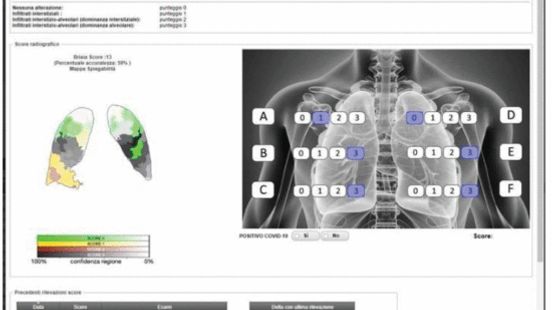
Assessing Trustworthy AI in times of COVID-19. Deep Learning for predicting a multi-regional score conveying the degree of lung compromise in COVID-19 patients

Assessment for Responsible Artificial Intelligence
Would you like to submit a use case for this tool?
If you have used this tool, we would love to know more about your experience.
Add use case


 Partnership on AI