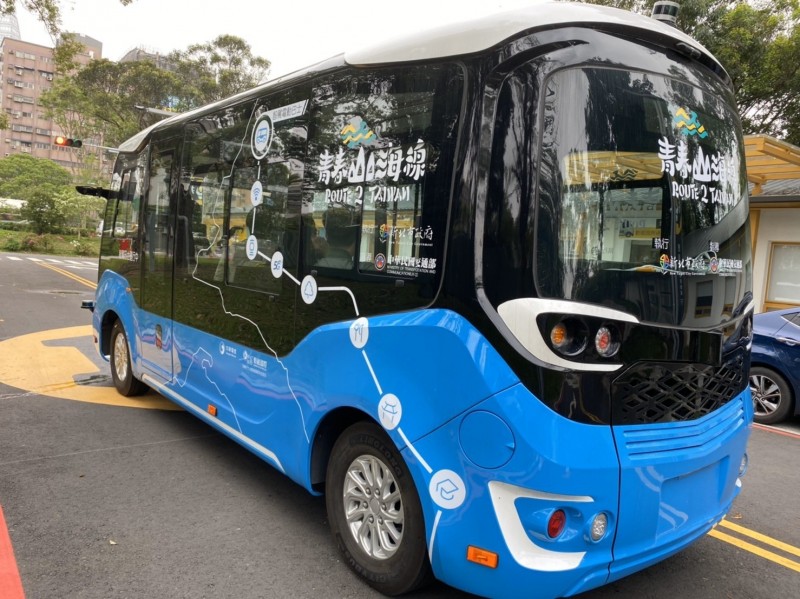
New Taipei Launches Autonomous Bus Testing for Public Transport

Thumbnail Image

The information displayed in the AIM should not be reported as representing the official views of the OECD or of its member countries.

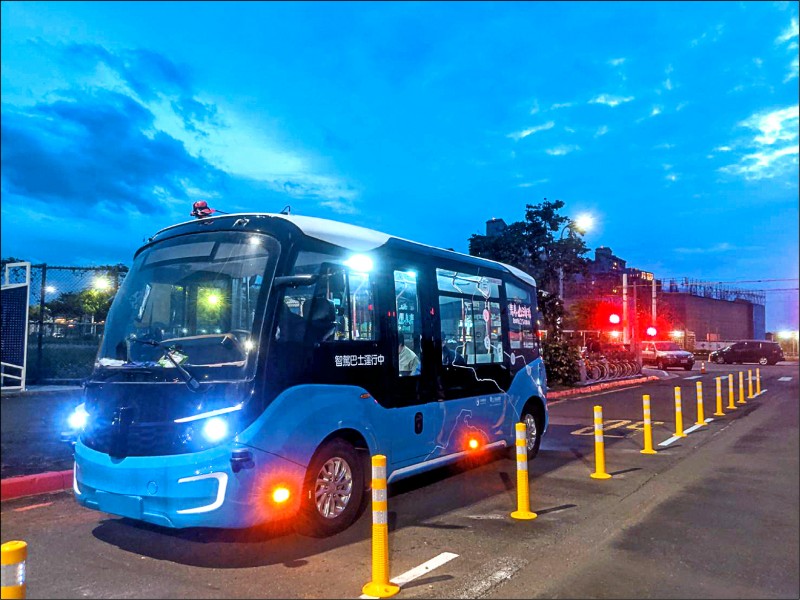
New Taipei City has begun testing AI-powered autonomous electric buses in public transportation, marking Taiwan's first such initiative. The phased trials, including both non-passenger and passenger operations, aim to collect data and assess public acceptance, with safety protocols in place. No incidents or harm have been reported during these early tests.[AI generated]

Why's our monitor labelling this an incident or hazard?

The event involves the use of an AI system (autonomous driving technology) in public transportation. Although no harm has yet occurred, the deployment and testing of autonomous buses on public roads could plausibly lead to incidents causing injury or disruption. The article describes preparations and phased testing but does not mention any actual harm or malfunction. Hence, it fits the definition of an AI Hazard rather than an AI Incident or Complementary Information.[AI generated]
Industries
Mobility and autonomous vehicles

Harm types
Physical (injury)Economic/PropertyPsychologicalPublic interest

Severity
AI hazard

Business function:
LogisticsMonitoring and quality control

AI system task:
Recognition/object detectionGoal-driven organisation


Articles about this incident or hazard

Thumbnail Image

路線佈設好了 智駕電動巴士4月底前淡水上路 - 生活 - 自由時報電子報

2020-04-16
自由電子報
Why's our monitor labelling this an incident or hazard?
The event involves the use of an AI system (autonomous driving technology) in public transportation. Although no harm has yet occurred, the deployment and testing of autonomous buses on public roads could plausibly lead to incidents causing injury or disruption. The article describes preparations and phased testing but does not mention any actual harm or malfunction. Hence, it fits the definition of an AI Hazard rather than an AI Incident or Complementary Information.
Thumbnail Image

智慧駕駛電動巴士 月底前淡水測試 - 新北市 - 自由時報電子報

2020-04-16
自由電子報
Why's our monitor labelling this an incident or hazard?
The event involves the use of an AI system (autonomous driving AI) in a real-world testing scenario. Although no harm has yet occurred, the testing of an autonomous bus on public roads with and without passengers plausibly could lead to harm such as injury or disruption if the AI system malfunctions or fails. Therefore, this event fits the definition of an AI Hazard, as it describes a circumstance where the use of an AI system could plausibly lead to an AI Incident. There is no indication of realized harm or incident, nor is the article focused on responses or governance measures, so it is not an AI Incident or Complementary Information.
Thumbnail Image

巴士沒有駕駛 新北無人巴上路測試 | 聯合新聞網:最懂你的新聞網站

2020-04-16
聯合新聞網
Why's our monitor labelling this an incident or hazard?
The event involves the use of AI systems in autonomous electric buses for public transportation. However, the article only reports on the testing phase, including unmanned and passenger-carrying trials, with safety measures such as human supervisors and traffic control personnel in place. There is no indication that any harm (injury, rights violation, disruption, or property/community/environmental harm) has occurred or that the AI system malfunctioned or caused an incident. The article focuses on the development and testing of the AI system with potential future capabilities but does not report any realized harm or incident. Therefore, this event is best classified as an AI Hazard, as the autonomous bus system could plausibly lead to harm in the future during operation, but no harm has yet occurred.
Thumbnail Image

新北無人巴士 月底淡海上路測試 | 聯合新聞網:最懂你的新聞網站

2020-04-16
聯合新聞網
Why's our monitor labelling this an incident or hazard?
The event involves the use of AI systems (autonomous driving technology) in public transportation. However, the article only reports on planned and ongoing testing phases without any reported harm or incidents. The safety precautions and phased testing indicate that no harm has occurred yet. Therefore, this event represents a plausible future risk scenario where AI system malfunction or misuse could lead to harm, but no harm has materialized so far. Hence, it qualifies as an AI Hazard rather than an AI Incident or Complementary Information.
Thumbnail Image

公共運輸無人駕駛啟動!新北智駕巴士4月底前上路測試 | 交通氣象 | NOWnews 今日新聞

2020-04-16
NOWnews 今日新聞
Why's our monitor labelling this an incident or hazard?
The event involves the use of an AI system (autonomous driving AI) in public transportation. The article discusses the start of testing phases, including no-passenger and passenger-carrying trials, but does not report any accidents, injuries, or rights violations. Since the AI system's use could plausibly lead to harm (e.g., accidents or safety issues) during testing or future operation, this qualifies as an AI Hazard rather than an AI Incident. The article does not focus on responses to past incidents or broader governance issues, so it is not Complementary Information. It is not unrelated because it clearly involves AI systems in a real-world application with potential safety implications.
Thumbnail Image

【有片】「無人車」派件矽谷實測!生活必需品直送門口 - DCFever.com

2020-04-14
香港最多人上o既數碼相機、手機網
Why's our monitor labelling this an incident or hazard?
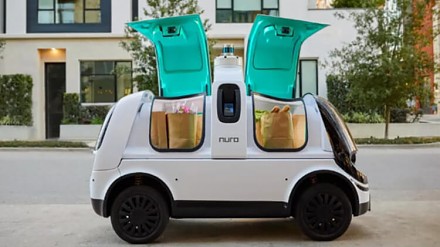
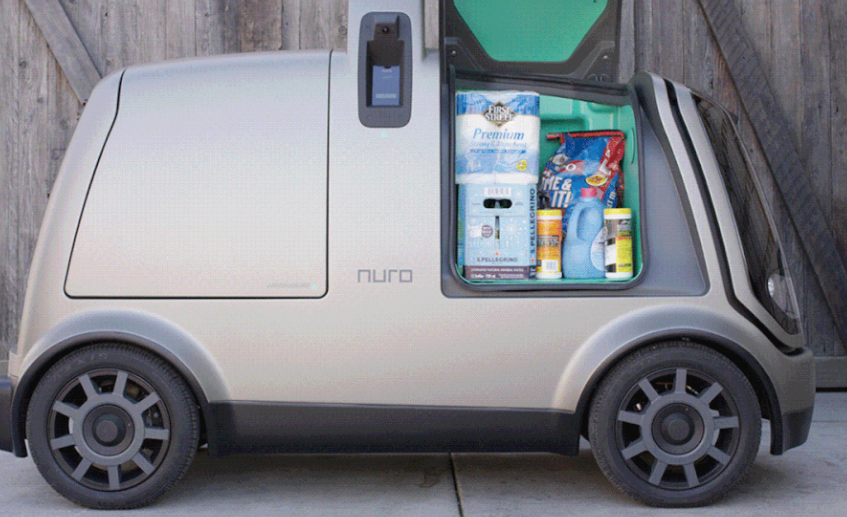
The Nuro R2 is an AI-powered autonomous delivery vehicle, clearly an AI system. The article reports on its authorized road testing and pilot delivery service, but there is no mention of any harm, malfunction, or risk that could plausibly lead to harm. Therefore, it does not meet the criteria for AI Incident or AI Hazard. Since it provides contextual information about AI deployment and testing, it qualifies as Complementary Information rather than unrelated news or an incident/hazard.
Thumbnail Image

公共運輸無人駕駛啟動!新北智駕巴士4月底前上路測試

2020-04-16
HiNet
Why's our monitor labelling this an incident or hazard?
The article clearly involves an AI system (autonomous driving AI for buses) in active testing and planned use. However, no harm or incident has occurred; the testing is in early stages with safety protocols. While autonomous vehicles carry inherent risks, the article does not describe any actual or imminent harm, only the potential for future use. Thus, it fits the definition of an AI Hazard, as the AI system's use could plausibly lead to harm in the future, but no incident has yet occurred.
Thumbnail Image

公共運輸無人駕駛全國首例 新北智駕巴士4月底前上路測試

2020-04-16
HiNet
Why's our monitor labelling this an incident or hazard?
The event involves the use of an AI system (autonomous driving buses) in a public transportation testing program. The article does not report any injury, disruption, rights violation, or other harm caused by the AI system. The testing is carefully managed with safety protocols, and the purpose is to collect data and public feedback. Therefore, this is a plausible future risk scenario where the AI system could potentially lead to harm if issues arise during or after testing, but no harm has occurred yet. Hence, it qualifies as an AI Hazard rather than an Incident or Complementary Information.
Thumbnail Image

全台首例!公共運輸無人駕駛 新北智駕巴士月底上路實測

2020-04-16
鏡週刊 Mirror Media
Why's our monitor labelling this an incident or hazard?
The event involves the use of AI systems (autonomous driving buses and intelligent traffic infrastructure) in a real-world public transportation context. However, the article only describes the planned testing and deployment phases without any reported harm or incidents resulting from the AI system's use or malfunction. There is no indication of injury, disruption, rights violations, or other harms occurring or imminent. Therefore, this event represents a plausible future use of AI systems that could lead to harm if issues arise, but no harm has yet occurred. Hence, it qualifies as an AI Hazard rather than an AI Incident or Complementary Information.
Thumbnail Image

疫情當前靠無人駕駛車送物資 Naro繼Waymo成第二家獲政府許可道路測試公司 | yam News

2020-04-14
蕃新聞
Why's our monitor labelling this an incident or hazard?
The event involves an AI system (Nuro's autonomous vehicle) being used and tested, which is explicitly mentioned. However, there is no indication that any harm has occurred or that the AI system malfunctioned or caused injury, rights violations, or other harms. The mention of possible future job losses is speculative and does not constitute a direct or indirect harm at this stage. Therefore, this is a development involving AI with potential future implications but no realized harm or credible immediate risk described. It is best classified as Complementary Information, providing context on AI deployment and societal implications without reporting an incident or hazard.
Thumbnail Image

新北智慧無人駕駛電動巴士 上路測試 - 生活 - 自由時報電子報

2020-04-25
Liberty Times Net
Why's our monitor labelling this an incident or hazard?
The event involves an AI system (autonomous driving AI controlling the bus) in active testing. However, there is no indication of any harm or malfunction causing injury, rights violations, or other damage. The testing is a controlled trial phase without passengers, so no realized harm has occurred. The article focuses on the deployment and testing progress rather than any incident or hazard. Therefore, it is best classified as Complementary Information, providing context and updates on AI system development and testing without reporting an incident or hazard.
Thumbnail Image

智駕無人巴士 淡水新市鎮要進行測試 | 聯合新聞網:最懂你的新聞網站

2020-04-23
UDN
Why's our monitor labelling this an incident or hazard?
The event involves the use of an AI system (autonomous electric bus with AI-based driving and monitoring) in a public transportation context. However, the article only describes the initiation of testing and the intended use of AI technologies to improve transportation efficiency and safety. There is no indication of any realized harm, malfunction, or violation of rights. The event is about the deployment and testing phase, which could plausibly lead to future incidents but currently does not report any harm or malfunction. Therefore, it qualifies as an AI Hazard because the AI system's use could plausibly lead to harm in the future, but no harm has yet occurred.
Thumbnail Image

新北智駕電動巴士上路 盼未來可和人力駕駛交叉輔助 | 聯合新聞網:最懂你的新聞網站

2020-04-25
UDN
Why's our monitor labelling this an incident or hazard?
The event involves the use of an AI system (autonomous driving AI controlling the electric bus) in a real-world testing environment. There is no indication of any injury, disruption, rights violation, or other harm caused or occurring due to the AI system. The article highlights the ongoing testing and regulatory development, which is typical for new AI deployments. Since no harm has occurred and no plausible immediate harm is indicated, this event is best classified as Complementary Information, providing context and updates on AI system deployment and governance efforts.
Thumbnail Image

新北智駕巴士 淡海新市鎮測試 | 聯合新聞網:最懂你的新聞網站

2020-04-25
UDN
Why's our monitor labelling this an incident or hazard?
The event involves the use of an AI system (autonomous driving technology) in a testing phase. However, there is no indication that the AI system has caused any harm or malfunction leading to injury, rights violations, or other damages. The testing is controlled and intended to evaluate the system's operation safely. Therefore, this event does not qualify as an AI Incident or AI Hazard. It is best classified as Complementary Information because it provides context and updates on AI system development and deployment without reporting harm or credible risk of harm.
Thumbnail Image

疫情影響/北市自駕巴士 5月實測有變數 | 聯合新聞網:最懂你的新聞網站

2020-04-25
UDN
Why's our monitor labelling this an incident or hazard?
The event involves an AI system (autonomous driving buses) whose testing is delayed due to equipment supply issues caused by the pandemic. No harm or malfunction has occurred, but the delay introduces uncertainty in the testing schedule. Since the autonomous buses are AI systems intended for public road use, their deployment carries plausible future risks of harm (e.g., accidents or safety issues). However, as no harm or incident has yet occurred, this is an AI Hazard rather than an AI Incident. The article does not focus on responses or governance measures, so it is not Complementary Information. It is not unrelated because it clearly involves AI systems and their deployment.
Thumbnail Image

新北智駕電動巴士運輸 淡海新市鎮測試 | 房產投資 | 房產 | 經濟日報

2020-04-25
Udnemoney聯合理財網
Why's our monitor labelling this an incident or hazard?
The event involves an AI system (autonomous electric bus with AI control and detection). However, the article only reports on testing and planned deployment without any realized harm or malfunction. There is no indication of injury, disruption, rights violations, or other harms. The presence of a safety operator and controlled testing further reduces risk. Therefore, this is not an AI Incident or AI Hazard but rather a report on ongoing AI system testing and deployment plans, which fits the definition of Complementary Information as it provides context and updates on AI development and governance in public transport.
Thumbnail Image

新北智駕巴士首上路 免費載客測試半年 - 生活

2020-04-25
中時新聞網
Why's our monitor labelling this an incident or hazard?
The article describes the use of an AI system in autonomous bus operation, but there is no indication of any injury, disruption, rights violation, or harm caused by the AI system. The event is a planned testing phase with no reported accidents or malfunctions. Therefore, it does not qualify as an AI Incident. It also does not describe a plausible future harm or risk scenario that would classify it as an AI Hazard. The article mainly provides information about the deployment and testing of the AI system and its significance for future development, which fits the definition of Complementary Information.
Thumbnail Image

新北「智駕巴士」要上路了!4月底前行駛淡海新市鎮

2020-04-23
HiNet
Why's our monitor labelling this an incident or hazard?
The event involves the use of an AI system (autonomous driving AI for the bus) in a public transportation context. However, the article only discusses planned testing and deployment, with no actual harm or malfunction reported. The focus is on the preparation, monitoring, and phased testing to ensure safety and gather data. Therefore, it does not qualify as an AI Incident (no harm occurred) or an AI Hazard (no plausible imminent harm described). It is not unrelated because it involves AI systems, but it is best classified as Complementary Information since it provides context and updates on AI deployment and governance in smart city transportation.
Thumbnail Image

邁向5G新境界新北智駕電動巴士運輸接駁測試上路

2020-04-25
HiNet
Why's our monitor labelling this an incident or hazard?
The event involves the use of an AI system (autonomous driving AI controlling electric buses) in a testing phase without passengers, so no harm has occurred yet. The article focuses on the deployment and testing of the AI system, with no indication of any injury, disruption, rights violation, or other harm. The event is a development and deployment update, not reporting any realized or potential harm. Therefore, it does not qualify as an AI Incident or AI Hazard. It is best classified as Complementary Information, as it provides context and updates on AI system deployment and testing in public transport.