Deepfake AI Technology Causes Harm Through Fraud and Misinformation

Thumbnail Image

The information displayed in the AIM should not be reported as representing the official views of the OECD or of its member countries.

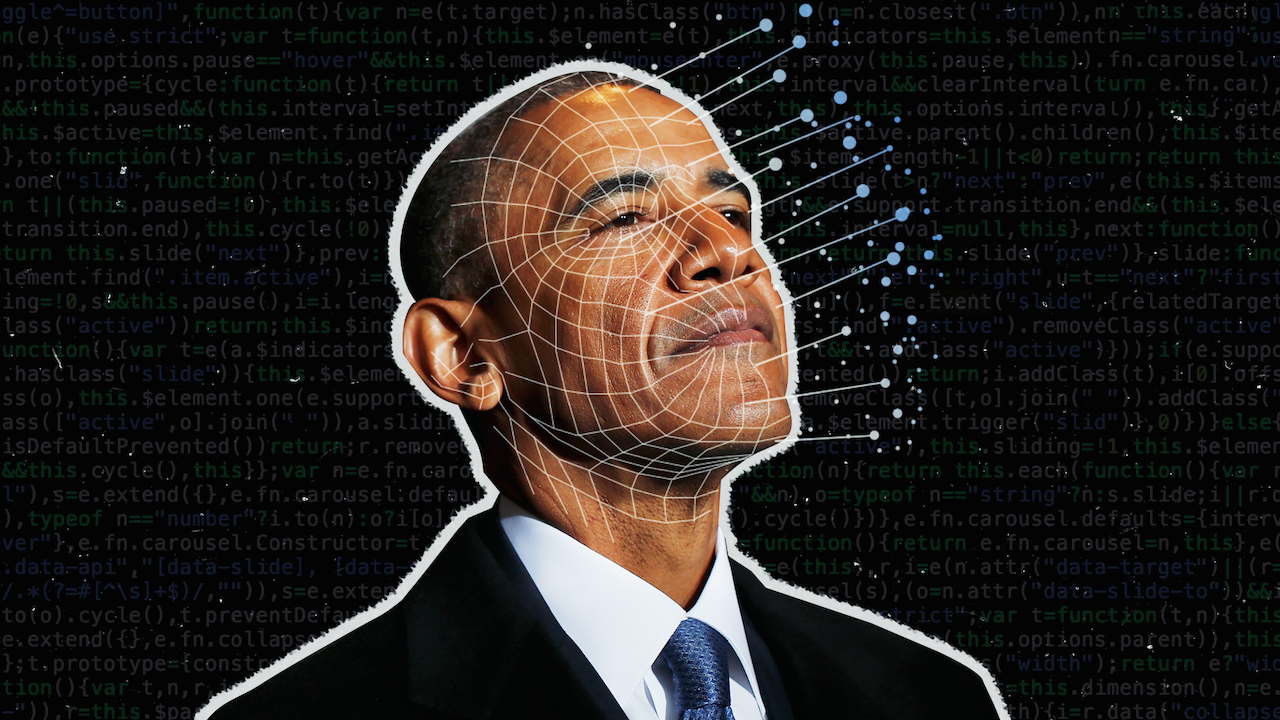
AI-powered deepfake technology has enabled the creation and spread of highly realistic fake videos and audio, leading to financial fraud, reputational damage, and widespread misinformation. Incidents include scams using synthetic voices and videos, such as a fake Mark Zuckerberg video, deceiving individuals and undermining public trust.[AI generated]

Why's our monitor labelling this an incident or hazard?

The article explicitly discusses the use of AI systems (deep learning-based deepfake technology) to create manipulated audio-visual content that is false and potentially harmful. The production of unethical deepfake videos of actors is a direct example of harm to individuals and communities through misinformation and violation of personal rights. Therefore, this event qualifies as an AI Incident because the AI system's use has directly led to harm in the form of misleading content and potential rights violations.[AI generated]
AI principles
AccountabilityTransparency & explainabilityDemocracy & human autonomySafetyHuman wellbeing

Industries
Media, social platforms, and marketing

Affected stakeholders
ConsumersBusinessGeneral public

Harm types
Economic/PropertyReputationalPublic interest

Severity
AI incident

AI system task:
Content generation


Articles about this incident or hazard

Thumbnail Image

چگونه ویدیوی غیر اخلاقی بازیگران خارجی را تولید می کنند؟ / همه چیز درباره فناوری دیپ فیک

2020-11-17
موتور جستجوی قطره
Why's our monitor labelling this an incident or hazard?
The article explicitly discusses the use of AI systems (deep learning-based deepfake technology) to create manipulated audio-visual content that is false and potentially harmful. The production of unethical deepfake videos of actors is a direct example of harm to individuals and communities through misinformation and violation of personal rights. Therefore, this event qualifies as an AI Incident because the AI system's use has directly led to harm in the form of misleading content and potential rights violations.
Thumbnail Image

دیپ فیک؛ فناوری خطرناکی که آن را با سلاح هسته‌ای هم تراز می‌دانند!

2020-11-15
خبرگزاری باشگاه خبرنگاران | آخرین اخبار ایران و جهان | YJC
Why's our monitor labelling this an incident or hazard?
Deepfake technology is an AI system that generates synthetic media. The article describes real cases where deepfakes have been used to deceive people, cause financial loss, and spread misinformation, which are direct harms to individuals and communities. These harms align with the definitions of AI Incidents, specifically violations of rights and harm to communities. The article also discusses the potential for further misuse but primarily focuses on realized harms. Hence, this qualifies as an AI Incident rather than a hazard or complementary information.
Thumbnail Image

دیپ فیک چیست و چرا خطرناک است؟

2020-11-15
ana.press
Why's our monitor labelling this an incident or hazard?
The article explicitly describes the use of AI systems (deepfake technology) to create fake videos and audio that have been used to deceive people, cause financial loss, and spread misinformation. The financial scam involving voice deepfake is a direct harm to property and individuals. The spread of misleading videos that affected public perception and trust constitutes harm to communities and individuals. These harms are directly linked to the use and misuse of AI systems, fulfilling the criteria for an AI Incident. The article also discusses the challenges in detecting such content and the societal impact, reinforcing the significance of the harm caused.
Thumbnail Image

دیپ فیک چيست؟

2020-11-15
IRIB NEWS AGENCY
Why's our monitor labelling this an incident or hazard?
The article describes deepfake technology and its potential risks but does not report a specific incident where a deepfake has caused harm, nor does it describe a particular event where harm has occurred or is imminent. It provides general information and context about deepfakes and their societal implications, which fits the definition of Complementary Information rather than an AI Incident or AI Hazard.
Thumbnail Image

دیپ فیک؛ فناوری خطرناکی که آن را با سلاح هسته ای هم تراز می دانند!

2020-11-15
موتور جستجوی قطره
Why's our monitor labelling this an incident or hazard?
Deepfake technology is an AI system that generates synthetic media. The article provides concrete examples where deepfakes have been used to deceive and cause financial harm, which qualifies as injury or harm to persons and harm to communities. The use of deepfakes for scams and misinformation is a direct consequence of the AI system's outputs. Therefore, this event qualifies as an AI Incident because the AI system's use has directly led to realized harms.
Thumbnail Image

جعل عمیق و دقیق

2020-11-15
قدس آنلاین | پایگاه خبری - تحلیلی
Why's our monitor labelling this an incident or hazard?
The article explicitly describes the use of AI-based deepfake technology to produce and spread fake videos and images that have caused real harm, including privacy violations, reputational damage, and potential social and political disruption. The AI system's use has directly led to these harms, fulfilling the criteria for an AI Incident. The discussion of the technology's capabilities, misuse, and societal impact confirms the presence of an AI system causing significant harm. Although the article also mentions potential positive uses, the focus on realized harms and ongoing misuse justifies classification as an AI Incident rather than a hazard or complementary information.
Thumbnail Image

دیپ فیک؛ فناوری خطرناکی که آن را با سلاح هسته‌ای هم تراز می‌دانند!

2020-11-15
Jamejam Online
Why's our monitor labelling this an incident or hazard?
The article explicitly describes the use of AI systems (deepfake technology) to create fake videos and audio that have directly led to harms such as financial fraud, misinformation, and reputational damage. The involvement of AI in generating these deceptive contents is clear, and the harms have materialized, fulfilling the criteria for an AI Incident. The article also discusses the societal impact and risks, but since actual harms have occurred, it is not merely a hazard or complementary information. Therefore, the event is best classified as an AI Incident.