Tesla AI Sensor Malfunctions Cause Phantom Pedestrian and Vehicle Detections

Thumbnail Image

The information displayed in the AIM should not be reported as representing the official views of the OECD or of its member countries.

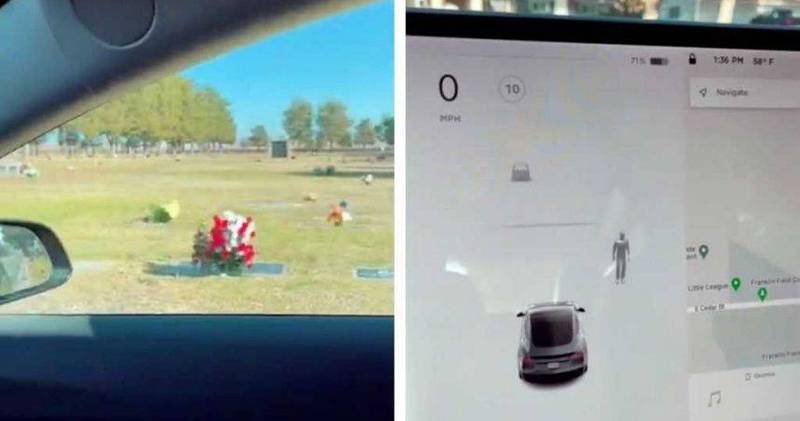
Multiple Tesla drivers reported that their vehicles' AI-powered sensors falsely detected pedestrians and vehicles in empty environments, such as graveyards and tunnels. These malfunctions, attributed to sensor or algorithm errors, did not cause harm but raise safety concerns about potential risks if the vehicle or driver reacts to nonexistent obstacles.[AI generated]

Why's our monitor labelling this an incident or hazard?

The Tesla vehicle uses AI systems (cameras and sensors with AI perception) to detect surroundings including pedestrians. The false detection of many pedestrians where none exist is a malfunction of the AI system. Although the driver was scared, no actual harm or accident occurred. This is a malfunction event with potential safety implications but no realized harm. Therefore, it qualifies as an AI Hazard because the malfunction could plausibly lead to harm in the future if it causes driver distraction or inappropriate reactions, but no harm has yet occurred.[AI generated]
AI principles
SafetyRobustness & digital securityAccountability

Industries
Mobility and autonomous vehicles

Severity
AI hazard

Business function:
Other

AI system task:
Recognition/object detection


Articles about this incident or hazard

Thumbnail Image

特斯拉開到荒涼墓地! 偵測器感應到「都是人」駕駛嚇傻 - 蒐奇 - 自由時報電子報

2021-02-23
Liberty Times Net
Why's our monitor labelling this an incident or hazard?
The Tesla vehicle uses AI systems (cameras and sensors with AI perception) to detect surroundings including pedestrians. The false detection of many pedestrians where none exist is a malfunction of the AI system. Although the driver was scared, no actual harm or accident occurred. This is a malfunction event with potential safety implications but no realized harm. Therefore, it qualifies as an AI Hazard because the malfunction could plausibly lead to harm in the future if it causes driver distraction or inappropriate reactions, but no harm has yet occurred.
Thumbnail Image

特斯拉開到無人墓地!偵測器提示「全是人」 釣出一堆受害者嚇慘 | ETtoday車雲 | ETtoday新聞雲

2021-02-23
ETtoday車雲
Why's our monitor labelling this an incident or hazard?
Tesla's detection system uses AI (camera and radar fusion) to identify pedestrians and vehicles. The false detections in empty environments indicate a malfunction of the AI system. This malfunction has directly led to psychological harm (fear, distress) to drivers, which qualifies as injury or harm to persons. Therefore, this event meets the criteria of an AI Incident due to the AI system's malfunction causing harm.
Thumbnail Image

特斯拉開到無人墓地 感應器上竟全是人? | 聯合新聞網:最懂你的新聞網站

2021-02-23
UDN
Why's our monitor labelling this an incident or hazard?
Tesla's autopilot system is an AI system that uses sensors and algorithms to detect and respond to the environment. The reported false detections of pedestrians and vehicles represent a malfunction of the AI system's perception capabilities. While no actual harm has occurred, such sensor errors could plausibly lead to incidents causing injury or property damage if the vehicle reacts incorrectly. The event does not describe realized harm but highlights a credible risk from AI malfunction, fitting the definition of an AI Hazard rather than an Incident or Complementary Information.
Thumbnail Image

特斯拉開到無人墓地 感應器上竟全是人? | 兩岸焦點 | 兩岸 | 經濟日報

2021-02-23
Udnemoney聯合理財網
Why's our monitor labelling this an incident or hazard?
Tesla's autonomous driving system is an AI system that uses sensors and algorithms to detect and respond to the environment. The reported false detections of pedestrians and vehicles where none exist indicate a malfunction or error in the AI perception system. While no actual harm or accident has occurred, such sensor errors could plausibly lead to incidents, such as sudden braking or failure to respond correctly to real obstacles, posing safety risks. Hence, this event fits the definition of an AI Hazard, as it plausibly could lead to harm due to AI system malfunction.
Thumbnail Image

影/系統出包還是撞鬼?特斯拉到墓地...四周全是人 | 時事 | 聯合影音

2021-02-23
聯合影音
Why's our monitor labelling this an incident or hazard?
The Tesla system uses AI-based sensors and radar to detect pedestrians and vehicles. The false detections described indicate a malfunction in the AI perception system. While no actual harm has occurred, the malfunction could plausibly lead to harm if the vehicle reacts incorrectly to phantom objects, such as sudden braking or unsafe maneuvers. The event does not describe realized harm but highlights a credible risk of harm due to AI system malfunction. Hence, it fits the definition of an AI Hazard rather than an AI Incident or Complementary Information.
Thumbnail Image

特斯拉都市傳說又現!偵測器顯示墓地「都是人」 幽靈公車橫空出世太恐怖 | 蘋果新聞網 | 蘋果日報

2021-02-23
蘋果新聞網
Why's our monitor labelling this an incident or hazard?
The Tesla detection system is an AI system involved in autonomous or assisted driving functions. The events describe malfunctions (false positive detections) of this AI system. However, there is no indication that these malfunctions have directly or indirectly caused injury, property damage, or other harms. The article reports on the phenomenon and user reactions but no realized harm. Therefore, this qualifies as an AI Hazard because the malfunction could plausibly lead to harm (e.g., distraction or panic leading to accidents), but no harm has yet occurred.
Thumbnail Image

特斯拉會通靈?開到無人墓地 感應到「一堆人」走來走去 - 社會

2021-02-23
中時新聞網
Why's our monitor labelling this an incident or hazard?
Tesla's autonomous driving system uses AI to process sensor and camera data to detect obstacles and pedestrians. The false detection of non-existent pedestrians or vehicles is a malfunction of the AI perception system. Although no harm or accident is reported, such sensor errors could plausibly lead to safety risks if the vehicle reacts incorrectly or the driver is misled. Since the event involves AI system malfunction with plausible future harm but no realized harm, it fits the definition of an AI Hazard.
Thumbnail Image

Tesla特斯拉開進無人墓地 感應器上竟全是人?(組圖,有片) - 香港經濟日報 - 中國頻道 - 經濟脈搏

2021-02-23
香港經濟日報 hket.com
Why's our monitor labelling this an incident or hazard?
Tesla's system uses AI algorithms to fuse sensor data and detect objects like pedestrians and vehicles. The reported false detections in empty environments indicate a malfunction or error in the AI system's perception and interpretation. Although no actual harm has occurred, the misdetections could plausibly lead to incidents if the driver or vehicle responds incorrectly to phantom obstacles. Hence, this is a credible future risk (AI Hazard) rather than an incident with realized harm. The article does not describe any actual injury, property damage, or rights violation, so it is not an AI Incident. It is also not merely complementary information or unrelated, as the AI system's malfunction is central to the event and its potential risk.
Thumbnail Image

撞鬼?特斯拉途徑無人墓地 感應器顯示時現行人

2021-02-24
www.ntdtv.com
Why's our monitor labelling this an incident or hazard?
The Tesla vehicle uses AI systems for sensing and interpreting its surroundings to detect pedestrians and vehicles. The reported false detections of non-existent pedestrians and vehicles indicate a malfunction or error in the AI perception system. Although no physical harm or injury is reported, the malfunction could potentially lead to safety risks if the vehicle reacts incorrectly to phantom objects. Therefore, this event involves the malfunction of an AI system with plausible safety implications, qualifying it as an AI Hazard rather than an AI Incident since no actual harm has occurred yet.
Thumbnail Image

大白天撞鬼?特斯拉行經無人墓地 車主驚見「有人在散步」 | 國際 | 三立新聞網 SETN.COM

2021-02-23
三立新聞
Why's our monitor labelling this an incident or hazard?
The Tesla system is an AI system that uses sensors and AI algorithms to detect and visualize nearby objects and pedestrians. The reported false detections represent a malfunction of this AI system. While no injury or accident has occurred yet, the false alerts could plausibly lead to harm by distracting the driver or causing inappropriate reactions, thus posing a safety risk. Therefore, this event qualifies as an AI Hazard because it describes a malfunction that could plausibly lead to harm, but no harm has yet been realized or reported.