China's First Facial Recognition Lawsuit: Court Orders Deletion of Biometric Data

Thumbnail Image

The information displayed in the AIM should not be reported as representing the official views of the OECD or of its member countries.

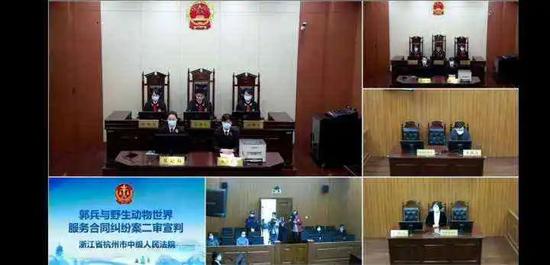
A Chinese court ruled in favor of plaintiff Guo Bing, ordering Hangzhou Safari Park to delete his facial and fingerprint data after the zoo unilaterally switched from fingerprint to facial recognition for entry without proper consent. The case highlights privacy risks and legal requirements for AI-based biometric data collection.[AI generated]

Why's our monitor labelling this an incident or hazard?

The event explicitly involves the use of an AI system (facial recognition) and concerns the misuse of sensitive biometric data, which is a violation of personal rights and data protection laws. The court ruling mandates deletion of the unlawfully collected biometric data and compensation, indicating that harm to the plaintiff's rights has occurred. This fits the definition of an AI Incident because the AI system's use directly led to a violation of fundamental rights and personal data harm. The case also sets a legal precedent and warning against improper use of AI biometric systems.[AI generated]

AI principles
AccountabilityPrivacy & data governanceRespect of human rightsTransparency & explainability

Industries
Travel, leisure, and hospitality

Affected stakeholders
Consumers

Harm types
Human or fundamental rights

Severity
AI incident

Business function:
Citizen/customer service

AI system task:
Recognition/object detection


Articles about this incident or hazard

Thumbnail Image

"人脸识别第一案"终审宣判

2021-04-11
中关村在线
Why's our monitor labelling this an incident or hazard?
The event explicitly involves the use of an AI system (facial recognition) and concerns the misuse of sensitive biometric data, which is a violation of personal rights and data protection laws. The court ruling mandates deletion of the unlawfully collected biometric data and compensation, indicating that harm to the plaintiff's rights has occurred. This fits the definition of an AI Incident because the AI system's use directly led to a violation of fundamental rights and personal data harm. The case also sets a legal precedent and warning against improper use of AI biometric systems.
Thumbnail Image

全国人脸识别第一案终审 动物园被判赔偿并删除原告信息

2021-04-11
chinaz.com
Why's our monitor labelling this an incident or hazard?
The event directly involves the use of an AI system (facial recognition) and concerns the violation of privacy rights, which falls under violations of human rights or breach of legal obligations protecting fundamental rights. The court's decision to order deletion of biometric data and compensation confirms that harm occurred due to the AI system's use. Therefore, this qualifies as an AI Incident.
Thumbnail Image

"人脸识别第一案"落槌,但欢呼还"为时尚早" - 安全 - cnBeta.COM

2021-04-11
cnBeta.COM
Why's our monitor labelling this an incident or hazard?
The event involves the use of an AI system—facial recognition technology—which is a biometric AI system used for identity verification. The case centers on the use and collection of biometric data without proper consent, leading to a legal dispute and court rulings addressing privacy rights and data deletion. Although no physical harm or direct injury occurred, the case involves violations of personal privacy rights and data protection laws, which fall under violations of human rights and legal obligations protecting fundamental rights. Therefore, this qualifies as an AI Incident because the development and use of the AI system directly led to a legal dispute over privacy violations and personal data misuse. The article does not describe a potential future harm but an actual realized harm in terms of privacy infringement and legal consequences. Hence, it is not a hazard or complementary information but an AI Incident.
Thumbnail Image

“人脸识别第一案”终审判决:向滥用个人信息说“不”

2021-04-13
南方网
Why's our monitor labelling this an incident or hazard?
The event involves the use of an AI system—facial recognition technology—that was used by the defendant to collect and process sensitive biometric data without the plaintiff's consent, constituting a violation of personal information rights. This misuse of AI has directly led to harm in terms of infringement of privacy and personal data rights, which are protected under applicable law. The court's decision to order deletion of the data and prohibit forced use of facial recognition reflects recognition of this harm. Therefore, this qualifies as an AI Incident due to the realized violation of rights caused by the AI system's use.
Thumbnail Image

杭州人脸识别案终审宣判,央视:向个人信息滥用说“不”

2021-04-10
The Paper
Why's our monitor labelling this an incident or hazard?
The event explicitly involves the use of facial recognition AI technology for access control, which led to a legal dispute over the misuse and unnecessary collection of sensitive biometric data. The court's decision to order deletion of facial and fingerprint data recognizes the harm and legal violation caused by the AI system's use. The harm is realized as it involves violation of personal information rights and privacy, which is a breach of applicable law protecting fundamental rights. The event is not merely a potential risk or a complementary update but a concrete incident with legal consequences and harm to individual rights. Hence, it is classified as an AI Incident.
Thumbnail Image

人脸识别第一案判决:向滥用个人信息说不

2021-04-13
中华网科技公司
Why's our monitor labelling this an incident or hazard?
The event explicitly involves the use of an AI system—facial recognition technology—to process sensitive biometric data. The court ruling highlights that the zoo's unilateral imposition of facial recognition without consent violated the plaintiff's rights, constituting misuse of personal data. This misuse of AI technology directly led to a legal harm (violation of privacy and personal data protection rights). Hence, it meets the criteria for an AI Incident as the AI system's use caused a breach of fundamental rights.
Thumbnail Image

"人脸识别第一案"判了!法官、专家这样说......

2021-04-11
和讯网
Why's our monitor labelling this an incident or hazard?
The event explicitly involves AI systems in the form of biometric recognition technologies (fingerprint and facial recognition) used for identity verification. The misuse occurred when the operator unilaterally changed the entry method from fingerprint to facial recognition without proper consent, thereby violating the consumer's rights and breaching the contract. The court's decision to order deletion of biometric data and compensation confirms that harm to personal rights and privacy has materialized. This fits the definition of an AI Incident because the AI system's use directly led to a violation of fundamental rights and personal data protection, causing harm to the individual.
Thumbnail Image

"人脸识别第一案"终审判决:向滥用公民个人信息说"不"

2021-04-13
和讯网
Why's our monitor labelling this an incident or hazard?
The event involves the use of an AI system—facial recognition technology—that was deployed without the user's consent, leading to a violation of personal data rights. The misuse of biometric data is a direct breach of legal protections for personal information, which falls under violations of human rights and legal obligations. The court ruling confirms that harm occurred through the unauthorized collection and use of sensitive biometric data. Therefore, this qualifies as an AI Incident because the AI system's use directly led to a violation of rights and harm to the individual's privacy.
Thumbnail Image

“人脸识别第一案”,判了!郭兵二审胜诉

2021-04-10
证券时报网_证券时报旗下资讯平台_股票_基金_期货_债券_理财_财经_行情_数据_股吧_博客_论坛
Why's our monitor labelling this an incident or hazard?
The event explicitly involves AI systems for facial recognition and fingerprint recognition, which are AI systems processing biometric data. The misuse of these AI systems by the company, specifically the unilateral change to facial recognition without consent and the expansion of data processing beyond the original purpose, directly led to a violation of personal rights and privacy, which is a breach of applicable law protecting fundamental rights. Therefore, this qualifies as an AI Incident due to the realized harm (violation of rights) caused by the AI system's use.
Thumbnail Image

“人脸识别第一案”终审判决意义非凡

2021-04-11
新民网 - 为民分忧 与民同乐
Why's our monitor labelling this an incident or hazard?
The event involves the use of an AI system, specifically facial recognition technology, which is an AI system that processes biometric data to identify individuals. The case centers on the unlawful collection and use of biometric data without consent, which constitutes a violation of personal information rights under applicable law. The court ruling mandates deletion of the data, indicating harm in terms of violation of rights has occurred. Therefore, this qualifies as an AI Incident because the AI system's use directly led to a breach of legal protections for personal data and privacy rights.
Thumbnail Image

人民网评:“人脸识别第一案”终审判决意义非凡

2021-04-11
金羊网
Why's our monitor labelling this an incident or hazard?
The event involves the use of an AI system—facial recognition technology—which processes sensitive biometric data. The court ruling addresses the unlawful collection and use of this data, which constitutes a violation of personal information rights under applicable law. Since the AI system's use directly led to a legal dispute over privacy violations and the court mandated corrective action, this qualifies as an AI Incident involving a breach of rights and personal data protection. The article focuses on the harm caused by the AI system's use and the legal response, not merely on general AI developments or policy discussions, so it is not Complementary Information.
Thumbnail Image

“人脸识别第一案”终审判决:删除人脸信息外,增判动物园删除指纹信息 21世纪经济报道 14分钟前

2021-04-10
m.21jingji.com
Why's our monitor labelling this an incident or hazard?
The event explicitly involves AI systems in the form of facial recognition and fingerprint recognition technologies used by the zoo. The misuse or overreach in collecting and processing biometric data without proper consent constitutes a violation of personal data rights, a form of harm to fundamental rights protected by law. The court ruling ordering deletion of biometric data and compensation confirms that harm has occurred due to the AI system's use. Hence, this is an AI Incident as the AI system's use directly led to a breach of rights and harm to the individual.
Thumbnail Image

"人脸识别第一案"落槌,但欢呼还"为时尚早"

2021-04-11
新浪财经
Why's our monitor labelling this an incident or hazard?
The article centers on a court ruling about facial recognition use and personal data rights, discussing the broader issues of privacy, consent, and legal protections. It does not describe a concrete AI Incident (harm caused by AI system use or malfunction) nor an AI Hazard (a plausible future harm event). Instead, it provides complementary information about the evolving legal and societal context around AI-based biometric identification. Therefore, it fits the definition of Complementary Information, as it enhances understanding of AI impacts and governance without reporting a new incident or hazard.
Thumbnail Image

Say no to misuse of personal information

2021-04-13
China Daily
Why's our monitor labelling this an incident or hazard?
The event explicitly involves an AI system (facial recognition technology) used by the park to collect personal biometric data. The park's unilateral collection and use of this data without proper consent constitutes a violation of personal privacy rights, which is a breach of applicable law protecting fundamental rights. The court ruling mandates deletion of the data, indicating harm or risk of harm to the individual's privacy and legal rights has occurred. Therefore, this qualifies as an AI Incident due to violation of human rights and breach of legal obligations related to personal data protection caused by the use of an AI system.
Thumbnail Image

China’s first facial recognition case raises more questions than it answers

2021-04-12
South China Morning Post
Why's our monitor labelling this an incident or hazard?
The event explicitly involves an AI system (facial recognition) used in a way that led to a legal dispute over privacy and data rights, which are human rights protected under applicable law. The court's judgment ordering deletion of biometric data and awarding compensation indicates harm has occurred. The refusal to allow entry without facial recognition implicates potential coercion and misuse of AI technology. The event is not merely a potential risk but a realized incident involving AI misuse and rights violations. Hence, it meets the criteria for an AI Incident rather than a hazard or complementary information.
Thumbnail Image

China’s first facial-recognition lawsuit ends with new ruling and new questions

2021-04-13
The Star
Why's our monitor labelling this an incident or hazard?
The event explicitly involves an AI system (facial recognition) used in a way that led to harm—specifically, privacy violations and unauthorized use of biometric data. The court's ruling ordering deletion of data and awarding compensation confirms harm has occurred. The legal dispute and public concern highlight the misuse and risks of the AI system. Although the court did not address all legal questions, the realized harm and legal findings meet the criteria for an AI Incident. The event is not merely a potential risk (hazard) or a complementary update, but a concrete case of harm caused by AI system use.
Thumbnail Image

China's First Facial-recognition Lawsuit Comes To An End With New Ruling And New Questions About The Fate Of Individuals' Data

2021-04-13
TheStreet
Why's our monitor labelling this an incident or hazard?
The event explicitly involves an AI system (facial recognition) whose use led to a legal dispute over data privacy and consent, implicating violations of personal rights. The court's order to delete biometric data confirms harm related to misuse of AI-collected data. The event documents realized harm (violation of personal data rights and breach of contract) caused by the AI system's use, meeting the criteria for an AI Incident. The unresolved legal questions and ongoing concerns about data protection frameworks further contextualize the incident but do not negate the realized harm. Hence, the classification as AI Incident is appropriate.
Thumbnail Image

Chinese court upholds face biometric data collection complaint verdict | Biometric Update

2021-04-12
Biometric Update
Why's our monitor labelling this an incident or hazard?
The event involves the use of facial recognition AI technology to collect biometric data without consent, which constitutes a violation of personal rights and privacy. The court ruling confirms harm has occurred and orders remediation, indicating realized harm. The AI system's use directly led to this harm, fulfilling the criteria for an AI Incident under violations of human rights or breach of obligations protecting fundamental rights. The article also discusses broader societal and legal context but the primary focus is the legal case and harm caused by the AI system's use.
Thumbnail Image

China's first facial-recognition lawsuit comes to an end with new ruling and new questions about the fate of individuals' data

2021-04-13
IntellAsia
Why's our monitor labelling this an incident or hazard?
The event explicitly involves an AI system (facial recognition) whose use led to a legal dispute over personal data misuse and breach of contract. The court's ruling ordering deletion of biometric data and awarding compensation confirms that harm to individual rights occurred. The concerns about misuse and safety risks further support the classification as an AI Incident. Although the case also raises questions about future legal frameworks and data protection laws, the realized harm and legal consequences make this an AI Incident rather than a hazard or complementary information.
Thumbnail Image

Chinese State Court Reaffirms Facial Recognition Ruling, But Big Questions Remain - FindBiometrics

2021-04-13
FindBiometrics
Why's our monitor labelling this an incident or hazard?
The event describes a legal case where the use of an AI system (facial recognition) led to a violation of privacy rights, which is a breach of obligations under applicable law protecting fundamental rights. The court's decision to order deletion of biometric data and compensation confirms that harm has occurred due to the AI system's use. Therefore, this qualifies as an AI Incident because the AI system's use directly led to a violation of rights. The article also discusses broader societal and legal responses, but the primary focus is on the incident of harm and the court ruling. Hence, the classification is AI Incident.