Mexican Biometric Mobile Registry Raises Data Protection Concerns

Thumbnail Image

The information displayed in the AIM should not be reported as representing the official views of the OECD or of its member countries.

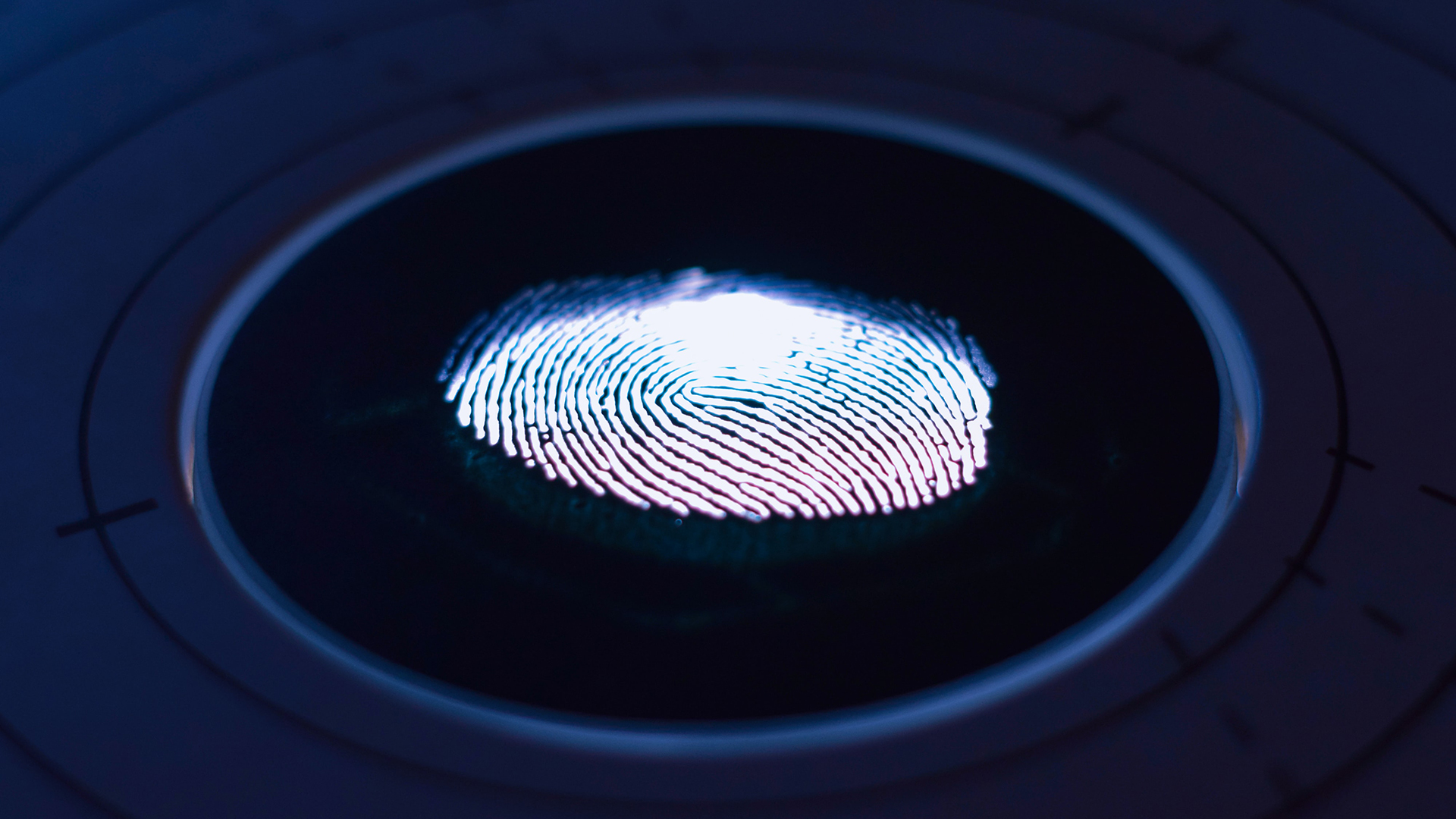
The Mexican National Institute for Transparency (INAI) warns that adding biometric data to the national mobile user registry poses significant risks to personal data protection. INAI urges strict safeguards and minimal data collection, as misuse or breaches of such sensitive information could cause irreparable harm.[AI generated]

Why's our monitor labelling this an incident or hazard?

The event involves the potential use of biometric data, which is sensitive personal information, in a large-scale mobile user registry. While biometric data processing likely involves AI or advanced data processing systems, the article does not report any realized harm or breach but warns about the risks and calls for strong protective measures. Therefore, this constitutes an AI Hazard because the development and use of such AI-enabled biometric data systems could plausibly lead to violations of data protection rights if mishandled, but no incident has occurred yet.[AI generated]
AI principles
Privacy & data governanceRespect of human rights

Industries
Government, security, and defence

Affected stakeholders
General public

Harm types
Human or fundamental rights

Severity
AI hazard


Articles about this incident or hazard

Thumbnail Image

Padrón de celulares con datos biométricos arriesga protección de datos personales: INAI | Periódico Zócalo | Noticias de Saltillo, Piedras Negras, Monclova, Acuña

2021-04-14
Zócalo Saltillo
Why's our monitor labelling this an incident or hazard?
The event involves the potential use of biometric data, which is sensitive personal information, in a large-scale mobile user registry. While biometric data processing likely involves AI or advanced data processing systems, the article does not report any realized harm or breach but warns about the risks and calls for strong protective measures. Therefore, this constitutes an AI Hazard because the development and use of such AI-enabled biometric data systems could plausibly lead to violations of data protection rights if mishandled, but no incident has occurred yet.
Thumbnail Image

Padrón de celulares con datos biométricos arriesga protección de datos personales, advierte Inai

2021-04-14
López-Dóriga Digital
Why's our monitor labelling this an incident or hazard?
The event involves the collection and processing of biometric data, which is sensitive personal information. While the article highlights potential risks to data protection and privacy rights, it does not report any actual harm or breach occurring. Instead, it serves as a warning and calls for adherence to high standards and limitations in data collection to prevent future harm. Therefore, this situation represents a plausible risk of harm related to AI or automated biometric data processing systems but does not describe a realized incident. Hence, it qualifies as an AI Hazard due to the plausible future risk to personal data protection stemming from the use of biometric data in the registry.
Thumbnail Image

Inai: Padrón de celulares con datos biométricos arriesga protección personal

2021-04-14
tiempodigital.mx
Why's our monitor labelling this an incident or hazard?
While biometric data processing often involves AI systems for identification and verification, the article does not explicitly mention the use or malfunction of any AI system. It focuses on the legislative and regulatory aspects of biometric data collection and the associated privacy risks. Since no realized harm or direct AI involvement is described, and the article primarily serves as a warning about potential risks and calls for safeguards, it fits best as Complementary Information rather than an AI Incident or AI Hazard.