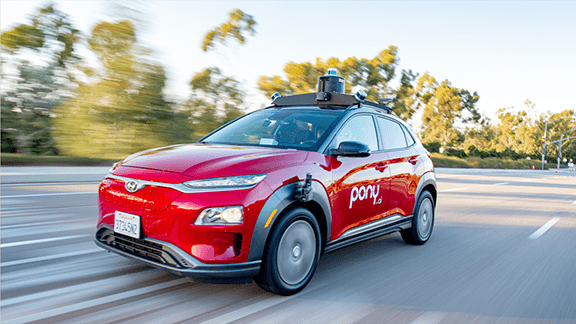
Pony.ai Receives Permit to Test Fully Driverless Cars in California

Thumbnail Image

The information displayed in the AIM should not be reported as representing the official views of the OECD or of its member countries.

Pony.ai, a Chinese autonomous vehicle startup, has been granted a permit by California's DMV to test six driverless cars without human safety drivers on public roads in Fremont, Milpitas, and Irvine. While no incidents have occurred, the move raises potential safety concerns as AI-driven vehicles operate without human oversight.[AI generated]

Why's our monitor labelling this an incident or hazard?

The event explicitly involves AI systems (Level 4 autonomous vehicles) whose use is being authorized for public roads. Although no direct harm has occurred yet, the deployment of fully driverless vehicles without human safety operators carries credible risks of accidents or other harms. The legislation's passage signals imminent widespread use, making the potential for AI-related incidents plausible. Hence, this is an AI Hazard rather than an Incident or Complementary Information. It is not unrelated because it directly concerns AI system deployment with safety implications.[AI generated]
AI principles
SafetyAccountabilityDemocracy & human autonomy

Industries
Mobility and autonomous vehicles

Affected stakeholders
General public

Harm types
Physical (injury)Physical (death)

Severity
AI hazard

Business function:
Research and development

AI system task:
Recognition/object detectionForecasting/predictionGoal-driven organisation


Articles about this incident or hazard

Thumbnail Image

Germany gives greenlight to driverless vehicles on public roads

2021-05-25
Yahoo News
Why's our monitor labelling this an incident or hazard?
The event explicitly involves AI systems (Level 4 autonomous vehicles) whose use is being authorized for public roads. Although no direct harm has occurred yet, the deployment of fully driverless vehicles without human safety operators carries credible risks of accidents or other harms. The legislation's passage signals imminent widespread use, making the potential for AI-related incidents plausible. Hence, this is an AI Hazard rather than an Incident or Complementary Information. It is not unrelated because it directly concerns AI system deployment with safety implications.
Thumbnail Image

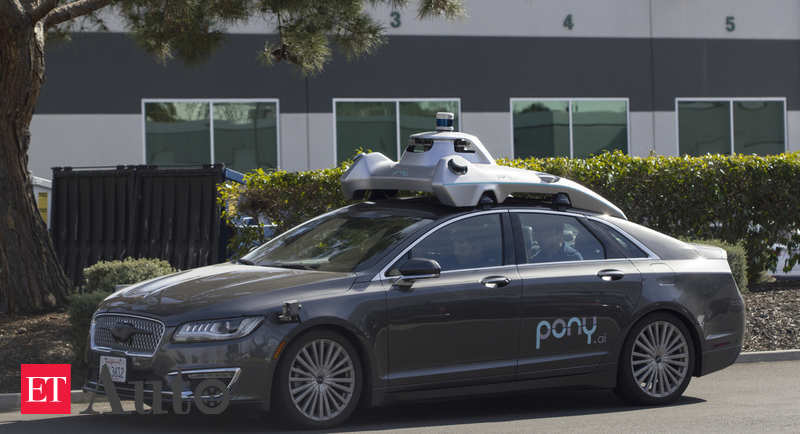
Chinese startup gets approval to test driverless vehicles in California - ET Auto

2021-05-23
ETAuto.com
Why's our monitor labelling this an incident or hazard?
The article involves an AI system (autonomous vehicles with driverless capabilities) and its use (testing on public roads). However, there is no indication of any harm, malfunction, or violation caused by the AI system. The event is about the authorization to test, which could plausibly lead to future harm but no harm has occurred yet. Since the article focuses on the permit approval and testing plans without any reported incident or direct risk event, it fits best as an AI Hazard, reflecting the plausible future risk of harm from driverless vehicle testing.
Thumbnail Image

Chinese startup Pony.ai gets approval to test driverless vehicles in California

2021-05-22
The Verge
Why's our monitor labelling this an incident or hazard?
The article explicitly mentions AI systems in the form of autonomous vehicles being tested without human safety drivers, which fits the definition of an AI system. The event concerns the use of these AI systems in real-world conditions, which could plausibly lead to harm such as injury to people or disruption of infrastructure if the AI fails or malfunctions. Since no actual harm or incident is reported, but the potential for harm is credible and inherent in the deployment of driverless cars, this qualifies as an AI Hazard rather than an AI Incident. The event is not merely general AI news or a product launch because it involves regulatory approval for real-world testing without safety drivers, which is a significant step with safety implications.
Thumbnail Image

Chinese startup Pony.ai approved to test driverless vehicles in California

2021-05-23
People's Daily, China
Why's our monitor labelling this an incident or hazard?
The article clearly involves an AI system—autonomous vehicles with driverless capabilities. The event is about the regulatory approval to test these vehicles without safety drivers, which implies potential future risks but no realized harm. Since no harm has occurred, but the AI system's use could plausibly lead to harm (e.g., accidents), this fits the definition of an AI Hazard rather than an AI Incident. It is not Complementary Information because it is not an update or response to a prior incident, nor is it unrelated as it directly concerns AI system deployment with potential safety implications.
Thumbnail Image

DMV: Driverless vehicle testing approved in Fremont and Milpitas

2021-05-21
KRON4
Why's our monitor labelling this an incident or hazard?
The event involves the use of AI systems (autonomous vehicles) and their deployment for driverless testing, which inherently carries risks of harm such as accidents or injuries. However, the article does not report any actual harm or incidents resulting from this testing, only the authorization to conduct such tests. Therefore, it describes a plausible future risk scenario where AI system use could lead to harm, qualifying it as an AI Hazard rather than an AI Incident. There is no indication of realized harm or ongoing incidents, nor is the article primarily about responses or updates to past incidents, so it is not Complementary Information.
Thumbnail Image

Driverless cars hitting streets of Fremont, Milpitas, Irvine

2021-05-24
East Bay Times
Why's our monitor labelling this an incident or hazard?
The event involves an AI system (autonomous driving software) whose use is expanding to driverless testing on public roads. Although past testing with safety drivers involved minor collisions, no injuries or significant harm occurred, and the new permit allows testing without safety drivers under controlled conditions. The article does not report any new harm or violation caused by the AI system in driverless mode. Given the inherent risks of deploying autonomous vehicles without human oversight, there is a credible potential for future harm (e.g., accidents causing injury or property damage). Thus, the event qualifies as an AI Hazard because it plausibly could lead to an AI Incident, but no incident has yet occurred. It is not Complementary Information because the article is not primarily about responses or updates to a past incident, nor is it unrelated as it clearly involves AI systems.
Thumbnail Image

Pony.ai Becomes Eighth Firm Allowed to Test Driverless Cars in California

2021-05-25
caixinglobal.com
Why's our monitor labelling this an incident or hazard?
The article explicitly mentions the use of advanced AI systems (Level 4/5 autonomous driving technology) and their testing on public roads, which involves AI system use. However, there is no indication of any harm, malfunction, or risk leading to harm. The event is about regulatory approval and ongoing testing under controlled conditions, which is informative about the AI ecosystem but does not constitute an AI Incident or AI Hazard. Hence, it fits the definition of Complementary Information.
Thumbnail Image

China's Pony.ai to test driverless vehicles in California

2021-05-23
chinadailyhk
Why's our monitor labelling this an incident or hazard?
The event involves the use of AI systems (autonomous driving technology) and their deployment on public roads without human drivers, which fits the definition of an AI system and its use. However, since no harm or incident has occurred or been reported, and the article focuses on the permit granting and testing authorization, this constitutes a plausible future risk rather than an actual incident. Therefore, it qualifies as an AI Hazard because the testing of driverless vehicles without safety drivers could plausibly lead to incidents involving injury, property damage, or disruption, but no such event has yet occurred or been reported.
Thumbnail Image

Driverless cars hitting streets of Fremont, Milpitas, Irvine

2021-05-24
Silicon Valley
Why's our monitor labelling this an incident or hazard?
The article explicitly involves an AI system (autonomous driving software) and its use in driverless car testing. While there have been collisions during prior testing with safety drivers, no injuries or harms have been reported from the driverless testing itself, which is just beginning. The event is about the permit allowing driverless testing, which could plausibly lead to harm in the future due to the inherent risks of autonomous vehicle operation on public roads. Since no actual harm has occurred yet from the driverless operation, this is best classified as an AI Hazard rather than an AI Incident. It is not Complementary Information because it is not an update or response to a prior incident, and it is not Unrelated because it clearly involves AI systems and potential harm.
Thumbnail Image

China's Pony.ai to test driverless vehicles in California

2021-05-23
China Daily Asia
Why's our monitor labelling this an incident or hazard?
The event involves the use of AI systems (autonomous vehicles) and their deployment on public roads without human drivers, which fits the definition of an AI system and its use. However, since no harm or incident has occurred or been reported, and the article focuses on the permit and testing authorization, this constitutes a plausible future risk rather than an actual incident. Therefore, it qualifies as an AI Hazard because the testing of driverless vehicles could plausibly lead to harm in the future, but no harm has yet materialized.
Thumbnail Image

Autonomous Vehicle Startup Pony To Test In California - DailyAlts -

2021-05-24
DailyAlts
Why's our monitor labelling this an incident or hazard?
The event involves the use of AI systems (autonomous vehicle AI) in testing driverless cars, which is a clear AI system involvement. However, the article does not describe any injury, disruption, rights violation, or other harm caused by the AI system. It also does not describe any near-miss or credible risk event that has occurred. While the testing of fully driverless cars without safety drivers could plausibly lead to harm in the future, the article does not emphasize or report any specific hazard event or credible risk incident. Therefore, this is not an AI Incident or AI Hazard. The article is primarily an update on regulatory approval and company progress, which fits the category of Complementary Information as it provides context and developments in the AI ecosystem without reporting harm or imminent risk.