US Federal Agencies' Unregulated Use of Facial Recognition AI Leads to Civil Rights Violations

Thumbnail Image

The information displayed in the AIM should not be reported as representing the official views of the OECD or of its member countries.

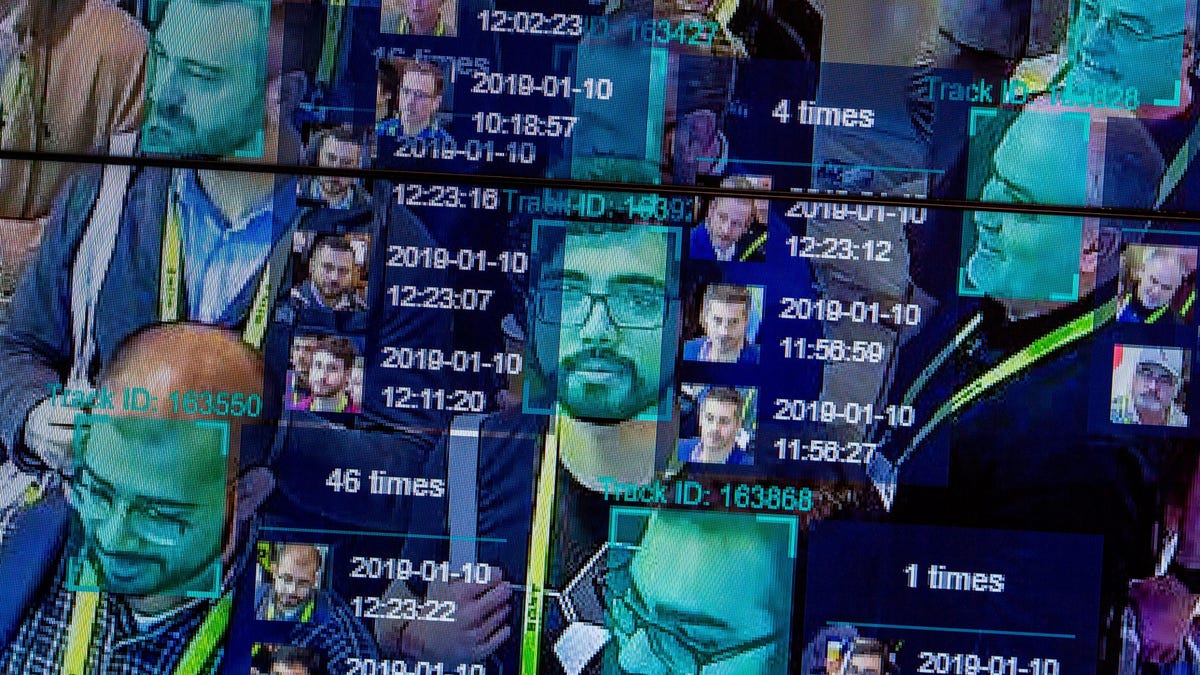
Multiple US federal agencies have used facial recognition AI systems with little oversight, resulting in privacy violations, wrongful arrests, and potential suppression of constitutional rights. Watchdog reports highlight untracked use, lack of accountability, and accuracy concerns, directly causing harm to individuals and communities.[AI generated]

Why's our monitor labelling this an incident or hazard?

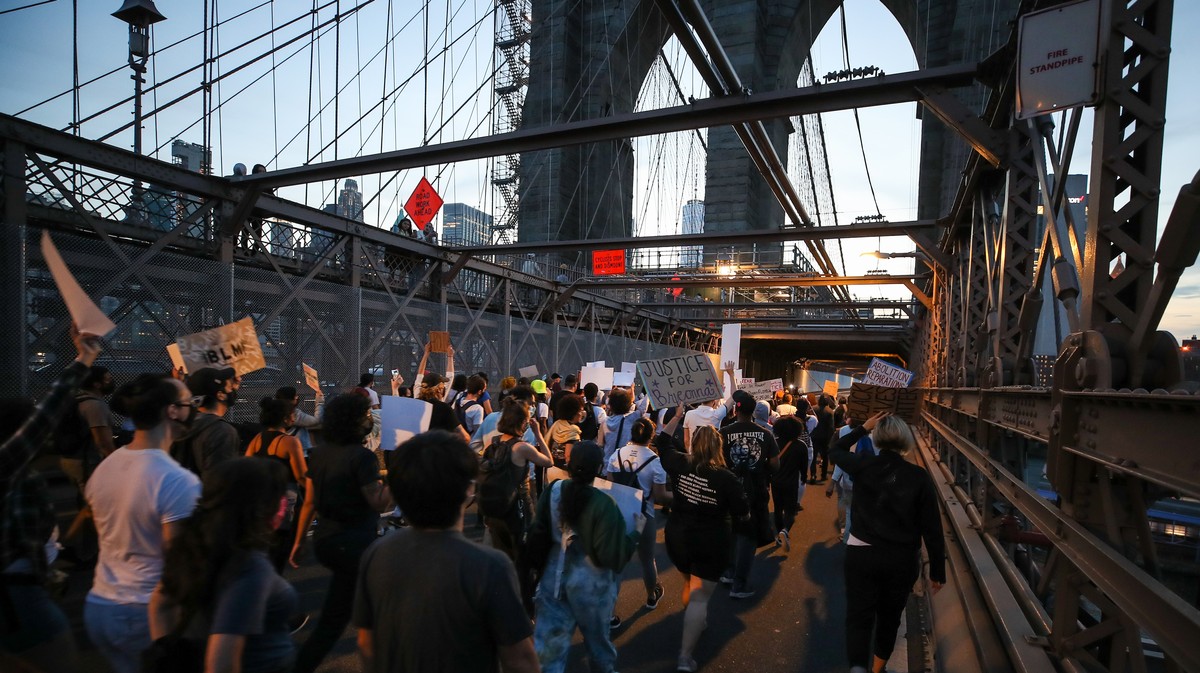
Facial recognition software is an AI system used here for identifying individuals. The article describes actual use of these systems by federal agencies to identify protesters, which has led to at least one documented false arrest, indicating harm to individual rights and privacy. This constitutes a violation of rights and harm to persons, fitting the definition of an AI Incident. The lack of awareness by agencies about third-party system use further underscores risks but does not negate the realized harms already occurring.[AI generated]
AI principles
AccountabilityFairnessPrivacy & data governanceRespect of human rightsRobustness & digital securitySafetyTransparency & explainabilityDemocracy & human autonomy

Industries
Government, security, and defence

Affected stakeholders
General public

Harm types
Human or fundamental rightsPsychologicalReputationalPublic interest

Severity
AI incident

Business function:
Compliance and justice

AI system task:
Recognition/object detection


Articles about this incident or hazard

Thumbnail Image

Calls to stop NSW police trial of national facial recognition system over lack of legal safeguards

2021-06-30
The Guardian
Why's our monitor labelling this an incident or hazard?
The article explicitly describes the use of a facial recognition AI system by NSW police, which is an AI system as it performs biometric identification by comparing images. The system is being used despite the absence of legislation that would provide legal safeguards, raising concerns about potential violations of human rights and privacy. No actual harm or matches have been reported so far, so the event does not meet the criteria for an AI Incident. However, the lack of legal safeguards and ongoing trial use plausibly could lead to significant harms, including violations of rights, making this an AI Hazard. The article also includes calls from the Human Rights Commission to stop the trial until legislation is in place, reinforcing the credible risk of harm.
Thumbnail Image

Federal agencies need stricter limits on facial recognition to protect privacy, says government watchdog

2021-06-29
Washington Post
Why's our monitor labelling this an incident or hazard?
Facial recognition technology is an AI system used by multiple federal agencies, and the lack of knowledge about which systems are in use indicates insufficient oversight. While no specific harm is reported as having occurred, the widespread and unregulated use of these AI systems plausibly leads to privacy harms and potential violations of rights, fitting the definition of an AI Hazard rather than an Incident or Complementary Information.
Thumbnail Image

Maine passes the strongest state facial recognition ban yet

2021-06-30
The Verge
Why's our monitor labelling this an incident or hazard?
The article focuses on a new legal regulation limiting the use of an AI system (facial recognition) by government agencies, aiming to prevent misuse and protect civil rights. There is no description of an actual harm or incident caused by AI, nor a direct or plausible future harm event. Instead, it is a policy response to potential harms associated with AI use. Therefore, it fits the definition of Complementary Information as it provides governance response and societal action regarding AI risks.
Thumbnail Image

Federal agencies have almost no facial recognition oversight, report finds

2021-06-29
The Verge
Why's our monitor labelling this an incident or hazard?
Facial recognition technology is an AI system used by federal agencies. The report reveals that many agencies lack mechanisms to track or assess the use of these AI systems, which could lead to violations of privacy and legal rights, a form of harm under the framework. While the article does not describe a specific incident of harm, the described circumstances indicate a credible risk that such harms could occur due to unregulated use and lack of accountability. Therefore, this event fits the definition of an AI Hazard, as it plausibly could lead to an AI Incident involving violations of rights and privacy.
Thumbnail Image

Watchdog: Six federal agencies used facial recognition software to ID

2021-06-29
The Hill
Why's our monitor labelling this an incident or hazard?
Facial recognition software is an AI system used here for identifying individuals. The article describes actual use of these systems by federal agencies to identify protesters, which has led to at least one documented false arrest, indicating harm to individual rights and privacy. This constitutes a violation of rights and harm to persons, fitting the definition of an AI Incident. The lack of awareness by agencies about third-party system use further underscores risks but does not negate the realized harms already occurring.
Thumbnail Image

Government Watchdog Finds Most U.S. Agencies Don't Even Know Which Face Recognition Systems They Use

2021-06-30
Gizmodo
Why's our monitor labelling this an incident or hazard?
Facial recognition technology is an AI system that performs biometric identification. The report documents that multiple federal agencies use these AI systems without proper oversight or knowledge of which systems are in use, leading to harms such as wrongful arrests and privacy violations. These harms fall under violations of human rights and harm to communities. Since the harms have already occurred (e.g., wrongful arrests) and the AI systems' use is directly linked to these harms, this qualifies as an AI Incident. The report itself is a complementary update but the described situation and examples of harm meet the criteria for an AI Incident.
Thumbnail Image

Maine Now Has the Toughest Facial Recognition Restrictions in the U.S.

2021-07-02
Slate Magazine
Why's our monitor labelling this an incident or hazard?
The article primarily focuses on legislative and governance responses to the risks posed by facial recognition AI systems, including privacy violations and potential misuse by law enforcement. It does not describe a specific AI Incident where harm has occurred, nor does it report a direct AI Hazard event. Instead, it provides complementary information about regulatory developments, societal concerns, and calls for further action, which fits the definition of Complementary Information.
Thumbnail Image

Six Federal Agencies Used Facial Recognition On George Floyd Protestors

2021-06-30
VICE
Why's our monitor labelling this an incident or hazard?
Facial recognition technology is an AI system used here for law enforcement identification purposes. Its deployment during protests has directly led to identification and charging of individuals, which constitutes a violation of rights and harm to communities. The report also highlights concerns about bias and lack of transparency, reinforcing the harm caused. Therefore, this qualifies as an AI Incident due to realized harm linked to the AI system's use.
Thumbnail Image

A Government Watchdog May Have Missed Clearview AI Use By Five Federal Agencies In A New Report

2021-06-30
BuzzFeed News
Why's our monitor labelling this an incident or hazard?
The article explicitly involves an AI system (Clearview AI facial recognition software) used by federal agencies. The main issue is the discrepancy between official reports and investigative findings about the extent of its use, indicating gaps in oversight and transparency. However, there is no mention of any realized harm such as privacy violations, wrongful arrests, or other direct consequences caused by the AI system. Nor does it describe a plausible future harm scenario beyond the general concern about oversight. Thus, it does not meet the criteria for an AI Incident or AI Hazard. Instead, it provides complementary information about the challenges in monitoring AI deployment in government, which is valuable for understanding the AI ecosystem and governance responses.
Thumbnail Image

Federal Law Enforcement Is Running Roughshod Over Facial Recognition Privacy, Says GAO

2021-06-30
Reason
Why's our monitor labelling this an incident or hazard?
The article explicitly discusses the use of AI-based facial recognition systems by federal law enforcement agencies, which are AI systems as they perform identification and verification tasks using biometric data. The use of these systems has directly led to harms including privacy violations, lack of oversight, and targeting of protesters, which are violations of human rights and fundamental rights. The GAO report highlights inadequate privacy protections and lack of risk assessments, indicating systemic issues in the use of these AI systems. The involvement of AI in causing these harms is direct and material, fulfilling the criteria for an AI Incident. The article also includes calls for moratoriums and bans, reflecting recognition of ongoing harm rather than just potential future harm.
Thumbnail Image

Maine passes 'strongest' facial recognition restrictions in the country

2021-06-30
The Daily Dot
Why's our monitor labelling this an incident or hazard?
The article discusses a new legal framework regulating the use of an AI system (facial recognition technology) to prevent potential harms such as violations of privacy and civil liberties. However, it does not describe any actual harm or incident caused by the AI system, nor does it report a specific event where the AI system led to injury, rights violations, or other harms. Instead, it details a governance response to potential risks associated with AI use. Therefore, this is best classified as Complementary Information, as it provides important context on societal and legal responses to AI-related risks without reporting a direct or indirect AI Incident or AI Hazard.
Thumbnail Image

Government report finds 20 different agencies use facial recognition

2021-06-29
The Daily Dot
Why's our monitor labelling this an incident or hazard?
The article details the use of facial recognition AI systems by government agencies and discusses known issues such as racial bias and public scrutiny, as well as legislative efforts to regulate or ban the technology. However, it does not describe a particular event where the AI system's use directly or indirectly caused harm (such as injury, rights violations, or property/community harm). The focus is on reporting usage, risks, and governance responses, which fits the definition of Complementary Information rather than an AI Incident or AI Hazard.
Thumbnail Image

Calls for Biden to ban facial recognition grow after GAO report's findings

2021-07-01
The Daily Dot
Why's our monitor labelling this an incident or hazard?
The article explicitly involves AI systems (facial recognition technology) used by federal agencies. While it reports on past use during protests and systemic oversight failures, it does not document a specific AI Incident with direct or indirect realized harm but rather highlights risks and calls for preventive action. The concerns about racial bias, surveillance misuse, and lack of tracking of commercial facial recognition tools indicate plausible future harms. Hence, the event fits the definition of an AI Hazard, as it plausibly could lead to AI Incidents if unregulated use continues. It is not Complementary Information because the main focus is on the risks and calls for banning, not on updates or responses to a past incident. It is not Unrelated because it clearly involves AI systems and their societal implications.
Thumbnail Image

GAO Urges Federal Agencies to Weigh Facial Recognition Risks

2021-06-30
news.bloomberglaw.com
Why's our monitor labelling this an incident or hazard?
The event involves AI systems (facial recognition technology) and discusses the potential risks and harms (privacy violations, bias, accuracy issues) associated with their use. However, the article does not describe any realized harm or incident but rather warns about plausible risks and calls for assessment and mitigation. Therefore, this qualifies as an AI Hazard, as the development and use of facial recognition AI could plausibly lead to incidents involving privacy breaches or discrimination if not properly managed.
Thumbnail Image

Maine makes legal next move in growing US backlash against facial-recognition scanning

2021-07-01
TheRegister.com
Why's our monitor labelling this an incident or hazard?
Facial recognition technology is an AI system that processes biometric data to identify individuals. The article describes both realized harms (e.g., wrongful arrest due to flawed facial recognition) and ongoing concerns about discrimination, privacy violations, and civil rights infringements linked to the use of such AI systems. The Maine law and other legislative efforts are responses to these harms. Since the article details actual harms caused by AI facial recognition systems and the regulatory responses to them, it qualifies as reporting on an AI Incident. The article also includes complementary information about governance and advocacy but the primary focus is on the harms and regulatory actions related to AI facial recognition use.
Thumbnail Image

Who in America is standing up to privacy-bothering facial-recognition tech? Well, let's start with Maine...

2021-07-01
TheRegister.com
Why's our monitor labelling this an incident or hazard?
Facial-recognition technology is an AI system involved in the article. The harms discussed include violations of civil rights, discrimination, and privacy concerns, which are recognized harms under the AI Incident definition. However, the article does not report a new specific AI Incident or AI Hazard event but rather focuses on legislative actions, advocacy, and ongoing debates about the technology's risks and regulation. It also references past incidents as background. This makes the article best classified as Complementary Information, as it provides important context and updates on societal and governance responses to AI harms without describing a new incident or hazard itself.
Thumbnail Image

Federal agencies used facial recognition tech on George Floyd protesters, according to a new report

2021-06-30
Mic
Why's our monitor labelling this an incident or hazard?
Facial recognition technology is an AI system used here for biometric identification and surveillance. Its use by federal agencies to track protesters has directly led to harms including violations of privacy and civil rights, and potential chilling effects on social movements, which are harms to communities and rights violations. The report confirms actual use and harm, not just potential risk, qualifying this as an AI Incident. The poor regulation and lack of transparency further compound the harm but do not change the classification. Therefore, this event meets the criteria for an AI Incident due to realized harm linked to AI system use.
Thumbnail Image

Feds Told to Better Manage Facial Recognition, Amid Privacy Concerns

2021-06-30
Threatpost
Why's our monitor labelling this an incident or hazard?
Facial recognition technology is an AI system used by federal agencies for criminal investigations and traveler identification. The article documents realized harms such as privacy violations, inaccurate identifications, and legal challenges against companies like Clearview AI, indicating breaches of fundamental rights. The lack of management and oversight of these AI systems has already resulted in harm, fulfilling the criteria for an AI Incident. The GAO's recommendations and ongoing legal actions further support that the harms are materialized rather than merely potential. Hence, this event qualifies as an AI Incident due to the direct and indirect harms caused by the use and mismanagement of facial recognition AI systems.
Thumbnail Image

Maine is but the latest place to curtail use of facial recognition technology

2021-06-30
Input
Why's our monitor labelling this an incident or hazard?
Facial recognition technology is an AI system used by law enforcement that has directly led to harms such as false arrests and disproportionate misidentification of people of color, which are violations of human rights and civil liberties. The article details these harms and the legislative measures taken to address them, indicating that the harms have already occurred. Therefore, this event qualifies as an AI Incident due to realized harm caused by the AI system's use.
Thumbnail Image

GAO finds fed agencies ignorant about basic police biometric programs | Biometric Update

2021-06-30
Biometric Update
Why's our monitor labelling this an incident or hazard?
The event involves AI systems explicitly—facial recognition biometric systems used by federal law enforcement agencies. The use of these AI systems has directly led to activities that implicate potential violations of privacy rights and possibly other human rights, which constitute harm under the framework. The lack of oversight and risk management increases the likelihood of ongoing or future harm. Since the harms (privacy violations, potential breaches of legal obligations) are already occurring through the use of these AI systems, this qualifies as an AI Incident rather than a hazard or complementary information. The report's findings about insufficient oversight and use of third-party systems without proper controls directly relate to realized harms and breaches of obligations.
Thumbnail Image

Watchdog: 10 Government Agencies Deployed Clearview AI Facial Recognition Tech

2021-06-29
Nextgov
Why's our monitor labelling this an incident or hazard?
The article describes the deployment and use of AI-powered facial recognition systems by government agencies and the associated risks, including privacy and accuracy concerns. While it highlights the potential for abuse and the lack of oversight, it does not report any direct or indirect harm that has occurred due to these AI systems. Instead, it focuses on the need for better governance and risk management. Therefore, this event fits the definition of Complementary Information as it provides important context and recommendations related to AI use and potential risks without describing a realized AI Incident or an immediate AI Hazard.
Thumbnail Image

Report: 13 federal law enforcement agencies not monitoring facial recognition technology use

2021-07-02
Fox13
Why's our monitor labelling this an incident or hazard?
Facial recognition technology is an AI system used by law enforcement agencies. The report highlights that 13 federal agencies lack systems to track or assess the use of this AI, which could plausibly lead to violations of privacy laws and rights, a form of harm under the framework. Since the article does not report actual harm but points to significant oversight gaps and potential for abuse, this situation fits the definition of an AI Hazard rather than an AI Incident. The agencies' use of the technology in sensitive investigations further underscores the plausible risk of harm due to lack of controls.
Thumbnail Image

US watchdog urges federal law enforcement to better track facial recognition amid accuracy concerns - CyberScoop

2021-06-29
CyberScoop
Why's our monitor labelling this an incident or hazard?
Facial recognition technology is an AI system used by federal law enforcement agencies. The report documents that these systems have caused harm through false identifications leading to wrongful arrests, which is a violation of civil rights and harms individuals and communities. The lack of oversight and tracking exacerbates these harms. The involvement of AI in causing these realized harms meets the criteria for an AI Incident, as the AI system's use has directly and indirectly led to violations of rights and harm to people. Therefore, this event is classified as an AI Incident.
Thumbnail Image

Facial recognition tech has been widely used across the US government for years, a new report shows - KION546

2021-06-30
KION546
Why's our monitor labelling this an incident or hazard?
Facial recognition software is an AI system explicitly mentioned as being used by federal agencies. The use of these systems has directly led to harms including privacy violations, wrongful arrests, and potential suppression of constitutional rights, which are violations of human rights and fundamental rights. The report also notes lack of oversight and untracked use of these systems, exacerbating risks. These factors meet the criteria for an AI Incident, as the AI system's use has directly and indirectly caused harm to individuals and communities.
Thumbnail Image

Government watchdog finds little oversight over the use of facial recognition technology by U.S. agencies - Coda Story

2021-07-02
Coda Story
Why's our monitor labelling this an incident or hazard?
The article involves AI systems explicitly (facial recognition technology) and discusses their use by government agencies. While it details serious concerns about privacy, civil rights violations, and lack of oversight, it does not describe a concrete, realized harm event but rather systemic risks and potential for harm. Therefore, it fits the definition of an AI Hazard, as the use and lack of regulation of these AI systems could plausibly lead to incidents of harm such as wrongful arrests, privacy violations, and suppression of lawful protest activities.
Thumbnail Image

GAO's Gretta Goodwin: Agencies Should Monitor Employees' Use of Facial Recognition Systems

2021-06-30
Executive Gov
Why's our monitor labelling this an incident or hazard?
The article discusses potential risks related to the use of facial recognition AI systems by federal employees, including privacy violations and inaccurate identifications that could harm individuals. However, it does not describe any realized harm or incident but rather a recommendation to prevent such harms. Therefore, this qualifies as an AI Hazard because it plausibly could lead to an AI Incident if unaddressed, but no incident has yet occurred.
Thumbnail Image

Who in America is standing up to privacy-bothering facial-recognition tech? Maine is right now leading the pack - The Register - Business Telegraph

2021-07-01
Business Telegraph
Why's our monitor labelling this an incident or hazard?
The article centers on the societal and governance responses to the risks of facial-recognition AI technology, including new laws, advocacy, and policy proposals. It does not describe a specific AI Incident where harm has occurred due to the use or malfunction of facial-recognition AI, nor does it describe a particular AI Hazard event where harm is imminent or plausible in a concrete scenario. Instead, it provides complementary information about the evolving regulatory landscape and public concerns regarding AI facial recognition. Therefore, it fits the definition of Complementary Information, as it enhances understanding of AI-related governance and societal responses without reporting a new incident or hazard.
Thumbnail Image

Who in America is standing up to privacy-bothering facial-recognition tech? Well, let's start with Maine... - The Register - Business Telegraph

2021-07-01
Business Telegraph
Why's our monitor labelling this an incident or hazard?
The article centers on the use and regulation of facial-recognition AI systems, which have caused direct harms such as wrongful arrests and discrimination, thus constituting AI Incidents. It also discusses legislative and advocacy responses aimed at mitigating these harms, which are complementary information. Since the article primarily reports on existing harms caused by AI facial-recognition systems and the societal/governance responses to them, it qualifies as an AI Incident with complementary information aspects. However, the main focus is on the harms and regulatory actions, not just the responses alone.
Thumbnail Image

Watchdog: 10 Government Agencies Deployed Clearview AI Facial Recognition Tech - Nextgov - Business Telegraph

2021-06-29
Business Telegraph
Why's our monitor labelling this an incident or hazard?
The event involves the use of AI systems (facial recognition technology) by government agencies, which have directly led to concerns about privacy, potential misuse, and risks to individuals' rights. The article describes realized harms related to privacy and potential violations of rights due to the deployment of these AI systems without full oversight or risk assessment. Therefore, this qualifies as an AI Incident because the use of AI facial recognition technology has directly led to violations or risks of violations of human rights and privacy, which are protected under applicable law. The report's recommendations and findings are part of the incident context rather than a separate complementary information update.
Thumbnail Image

Facial recognition tech has been widely used across the US government for years, a new report shows

2021-06-30
CNN International
Why's our monitor labelling this an incident or hazard?
The event involves the use of AI systems (facial recognition software) by federal agencies, which has directly led to harms such as privacy violations, wrongful arrests, and potential suppression of First Amendment rights. The report documents actual use cases and consequences, not just potential risks, and highlights systemic issues like lack of oversight and accuracy problems. These constitute violations of human rights and harm to communities, fitting the definition of an AI Incident rather than a hazard or complementary information.
Thumbnail Image

Maine Enacts Strict Limits on Government Use of Facial-Recognition Tech

2021-07-01
PCMag India
Why's our monitor labelling this an incident or hazard?
Facial-recognition technology is an AI system, and the law restricts its use by government entities to prevent potential harms such as privacy violations and discriminatory impacts. Since the article discusses a legislative response to concerns about AI harms rather than an event where harm has occurred or a credible near-miss, it does not describe an AI Incident or AI Hazard. The main focus is on governance and societal response to AI-related risks, making this Complementary Information.
Thumbnail Image

Facial recognition tech has been widely used across the US government for years, a new report shows

2021-07-01
WHDH 7 Boston
Why's our monitor labelling this an incident or hazard?
Facial recognition software is an AI system used by federal agencies as described. The article details actual use cases where the AI system's outputs have led to harms including privacy violations, potential suppression of First Amendment rights, and wrongful arrests due to inaccuracies, especially affecting people of color. These constitute violations of human rights and fundamental rights, fulfilling the criteria for an AI Incident. The lack of oversight and regulation further exacerbates these harms. Hence, the event is classified as an AI Incident.
Thumbnail Image

Facial recognition tech has been widely used across the US government for years, a new report shows (CNN - Business)

2021-06-30
Tech Investor News
Why's our monitor labelling this an incident or hazard?
Facial recognition software is an AI system used here for identifying people in images. Its use in identifying protestors implicates potential violations of human rights, specifically the right to privacy and freedom of expression (First Amendment rights). The report indicates that this use has already occurred, thus the AI system's use has directly or indirectly led to concerns about rights violations. Therefore, this qualifies as an AI Incident due to the realized harm or risk of harm to fundamental rights.
Thumbnail Image

Maine Enacts Strict Limits on Government Use of Facial-Recognition Tech - PCMag AU - Business Telegraph

2021-07-02
Business Telegraph
Why's our monitor labelling this an incident or hazard?
The article discusses a new law limiting government use of facial-recognition AI technology to prevent potential harms such as privacy violations and discriminatory impacts. However, it does not report any actual harm or incident caused by the AI system. Instead, it details a governance response aimed at mitigating risks associated with AI use. Therefore, this is best classified as Complementary Information, as it provides context on societal and legal responses to AI-related concerns without describing a specific AI Incident or AI Hazard.
Thumbnail Image

Everything Wrong With Facial Recognition Softwares

2021-07-07
Analytics India Magazine
Why's our monitor labelling this an incident or hazard?
Facial recognition software is an AI system as it uses deep convolutional neural networks to identify individuals. The article details how these systems have been used by federal agencies without oversight, leading to misidentifications that have caused or could cause harm such as false suspicion and wrongful arrests, which constitute harm to individuals (a). The report highlights real-world inaccuracies and racial biases that have already resulted in harms, making this an AI Incident rather than a mere hazard. The lack of oversight and reliance on biased datasets directly contributed to these harms. Therefore, this event qualifies as an AI Incident due to the realized harms linked to the use and malfunction of AI facial recognition systems.
Thumbnail Image

Will Switzerland distance itself from the EU on mass surveillance?

2021-07-08
SWI swissinfo.ch
Why's our monitor labelling this an incident or hazard?
The article describes the use of AI systems (facial recognition and AI-powered data analysis software) by Swiss cantonal police and the potential for increased surveillance powers granted by the new anti-terrorism law. Although no direct harm or incident is reported, the article clearly identifies plausible future harms including violations of privacy, discrimination, and suppression of fundamental rights due to AI-enabled mass surveillance. The lack of clear legal safeguards and the potential for arbitrary or abusive use of these AI systems constitute a credible risk of harm. Therefore, this event fits the definition of an AI Hazard, as the development, use, or malfunction of AI systems could plausibly lead to significant harms, but no actual harm has yet been documented in this report.
Thumbnail Image

Maine Becomes First State To Pass Broad Government Ban on Facial Recognition Technology - CPO Magazine

2021-07-08
CPO Magazine
Why's our monitor labelling this an incident or hazard?
The event involves the use and regulation of an AI system (facial recognition technology) and addresses potential harms such as privacy violations, discrimination, and misuse by government agencies. However, the article does not describe any realized harm or incident caused by the AI system. Instead, it reports on a legislative measure aimed at preventing such harms and regulating AI use. Therefore, this is best classified as Complementary Information, as it provides governance and societal response context to AI risks rather than describing an AI Incident or AI Hazard.
Thumbnail Image

New Maine Law Curtails Police Use of Facial Recognition - FindBiometrics

2021-07-05
FindBiometrics
Why's our monitor labelling this an incident or hazard?
The article discusses a legislative action regulating the use of an AI system (facial recognition) by law enforcement. The law aims to prevent potential harms such as unlawful surveillance and violations of civil liberties by restricting use cases and requiring oversight. Since the article focuses on a governance response to potential harms from AI use rather than describing an actual harm or incident caused by AI, it qualifies as Complementary Information. There is no direct or indirect harm reported, nor a plausible immediate hazard from the AI system's use; instead, the law is a preventive measure addressing concerns about AI misuse.
Thumbnail Image

GAO: Multiple Federal Agencies Used Facial Recognition on George Floyd Protesters

2021-07-06
FindBiometrics
Why's our monitor labelling this an incident or hazard?
Facial recognition software is an AI system used by federal agencies to identify protesters. The report highlights the use of this technology in law enforcement actions related to protests, which implicates violations of human rights and civil liberties, especially considering known racial biases in these systems. The involvement of AI in these activities has directly contributed to harms such as misidentification and potential unlawful surveillance or targeting, fitting the definition of an AI Incident. The article does not merely discuss potential risks or responses but reports on actual use and associated harms, confirming the classification as an AI Incident.
Thumbnail Image

Baltimore Bans Use Of Facial Recognition Technology By Private Sector | Security News - SecurityInformed - Business Telegraph

2021-07-06
Business Telegraph
Why's our monitor labelling this an incident or hazard?
The event involves an AI system (facial recognition technology) and its regulation, but no actual harm or incident caused by the AI system is described. The article centers on a policy ban and the debate around it, which is a governance response to concerns about privacy and human rights. There is no report of realized harm or a specific event where the AI system caused injury, rights violations, or other harms. Therefore, this is best classified as Complementary Information, as it provides context on societal and governance responses to AI technology rather than reporting an AI Incident or AI Hazard.
Thumbnail Image

Baltimore bans use of facial recognition technology by private sector | Security News - SourceSecurity.com - Business Telegraph

2021-07-06
Business Telegraph
Why's our monitor labelling this an incident or hazard?
The event involves an AI system (facial recognition technology) and its use in the private sector, which is now banned by Baltimore city ordinance. The article discusses the implications of this ban, industry reactions, and the legal framework, but does not report any direct or indirect harm caused by the AI system. There is no indication of an AI Incident (harm realized) or an AI Hazard (plausible future harm from the AI system's use). Instead, the article focuses on policy and governance developments, which fits the definition of Complementary Information.