Kaohsiung Demonstrates AI-Powered Smart Disaster Response System in Hospital Drill

Thumbnail Image

The information displayed in the AIM should not be reported as representing the official views of the OECD or of its member countries.

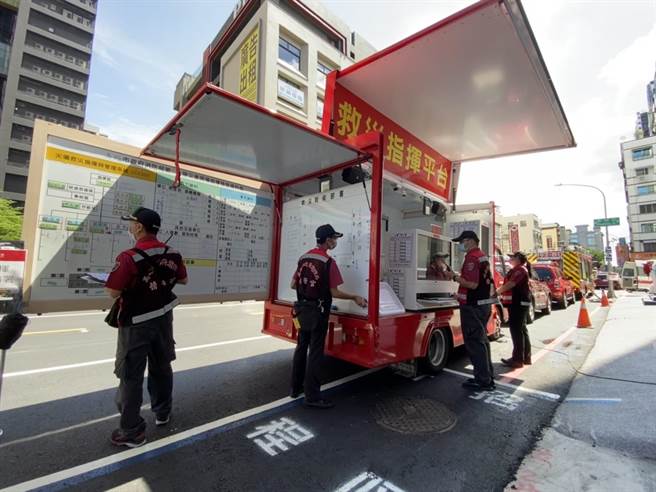
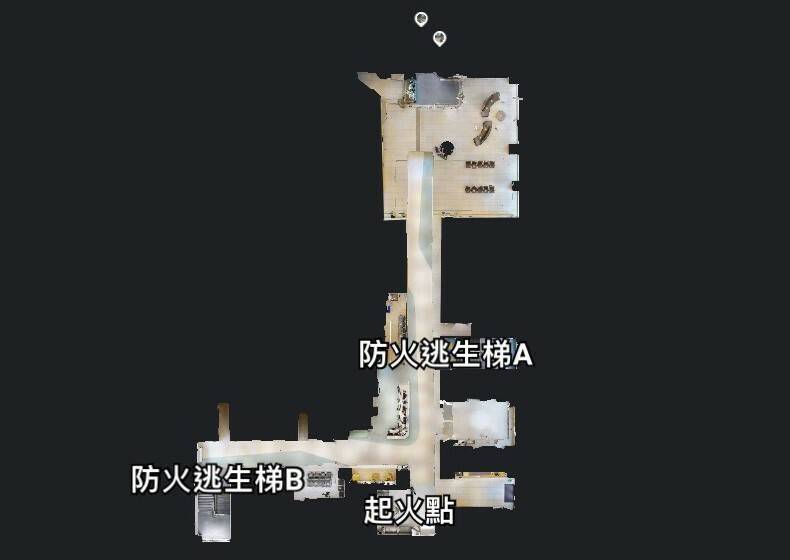
Kaohsiung City Fire Department conducted a live drill at Boten International Hospital, showcasing an AI-driven smart disaster response system. The system integrates AI, AR/VR, IoT, and real-time building data to enhance situational awareness and rescue precision, aiming to reduce harm in real emergencies. No actual harm occurred during the exercise.[AI generated]

Why's our monitor labelling this an incident or hazard?

The article explicitly mentions the use of AI and related smart technologies integrated into a disaster response system that directly supports firefighting and rescue operations. The system's use aims to reduce harm to people by improving situational awareness and rescue precision during fires. Although the event is a demonstration and no actual harm occurred during the drill, the system's deployment addresses real risks of injury or death in fire emergencies. Since the article focuses on the system's use to prevent harm and improve rescue outcomes, and no harm has yet occurred, this qualifies as an AI Hazard, reflecting a plausible future harm mitigation scenario rather than an incident of realized harm.[AI generated]
Industries
Government, security, and defenceHealthcare, drugs, and biotechnology

Severity
AI hazard

Business function:
Monitoring and quality control

AI system task:
Recognition/object detectionEvent/anomaly detectionGoal-driven organisation


Articles about this incident or hazard

Thumbnail Image

高市消防局結合醫院 率先全台演練智慧救災系統 - 社會 - 自由時報電子報

2021-08-21
Liberty Times Net
Why's our monitor labelling this an incident or hazard?
The event involves the use of an AI system in a controlled drill setting to enhance firefighting and rescue operations. There is no indication that the AI system caused any harm or malfunctioned. The drill aims to improve preparedness and response capabilities, which could plausibly reduce harm in real incidents. Therefore, this event represents a potential benefit and demonstration of AI technology rather than an incident or hazard. It is best classified as Complementary Information because it provides context and updates on AI applications in emergency management without reporting actual harm or risk.
Thumbnail Image

影/高市導入智慧救災系統 選博田國際醫院「練兵」 | 聯合新聞網:最懂你的新聞網站

2021-08-21
UDN
Why's our monitor labelling this an incident or hazard?
The article explicitly mentions the use of AI and related smart technologies integrated into a disaster response system that directly supports firefighting and rescue operations. The system's use aims to reduce harm to people by improving situational awareness and rescue precision during fires. Although the event is a demonstration and no actual harm occurred during the drill, the system's deployment addresses real risks of injury or death in fire emergencies. Since the article focuses on the system's use to prevent harm and improve rescue outcomes, and no harm has yet occurred, this qualifies as an AI Hazard, reflecting a plausible future harm mitigation scenario rather than an incident of realized harm.
Thumbnail Image

高市導入智慧救災系統 博田醫院實兵演習 - 寶島

2021-08-21
中時新聞網
Why's our monitor labelling this an incident or hazard?
An AI system is explicitly involved, as the smart disaster response system uses AI and related technologies for real-time situational awareness and rescue coordination. However, the event is a simulation exercise with no actual injury, property damage, or rights violations reported. The AI system's use here is preventive and demonstrative, showing potential to reduce harm but no harm has yet occurred. Therefore, this qualifies as an AI Hazard, as the AI system's use could plausibly lead to preventing or mitigating harm in real emergencies, but no incident has taken place yet.