AI-Generated Deepfakes Cause Real-World Harm and Raise Security Concerns

Thumbnail Image

The information displayed in the AIM should not be reported as representing the official views of the OECD or of its member countries.

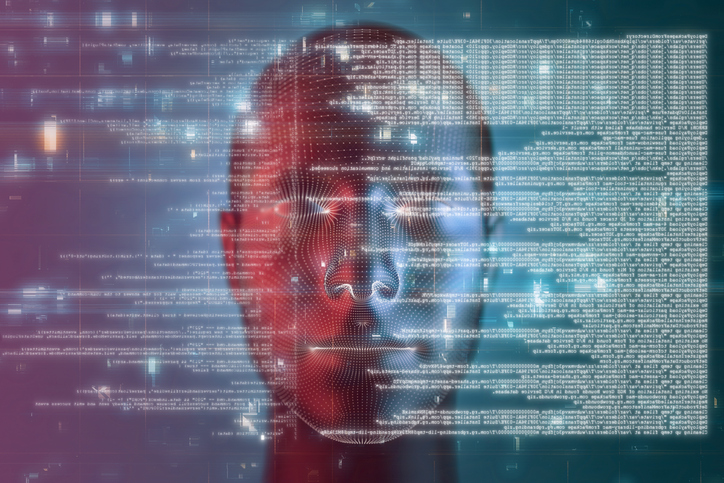
AI-powered deepfake technologies have enabled the creation of hyper-realistic fake videos, leading to harms such as fraud, extortion, political disinformation, and especially non-consensual pornography, disproportionately affecting women. Tools like DeepFaceLive further increase risks by enabling real-time impersonation, raising concerns about security, privacy, and trust in digital communications.[AI generated]

Why's our monitor labelling this an incident or hazard?

The article discusses the broad and growing risks associated with AI-generated deepfakes, highlighting their potential to cause various harms including to individuals and democratic systems. However, it does not describe a specific event where harm has already occurred due to an AI system, nor does it focus on a particular incident. Instead, it outlines the plausible future harms and challenges posed by deepfakes and the need for legal and technical responses. Therefore, this is best classified as an AI Hazard, as it concerns credible risks that could plausibly lead to AI Incidents but does not report a concrete incident itself.[AI generated]
AI principles
AccountabilityFairnessHuman wellbeingPrivacy & data governanceRespect of human rightsRobustness & digital securitySafetyTransparency & explainabilityDemocracy & human autonomy

Industries
Digital securityMedia, social platforms, and marketingGovernment, security, and defence

Affected stakeholders
WomenGeneral public

Harm types
Economic/PropertyPsychologicalPublic interestHuman or fundamental rightsReputational

Severity
AI hazard

AI system task:
Content generation


Articles about this incident or hazard

Thumbnail Image

What if deepfakes made us doubt everything we see and hear? - Think Tank

2021-09-07
European Parliament
Why's our monitor labelling this an incident or hazard?
The event involves AI systems (deepfake generation tools) whose use has directly led to various harms including psychological, reputational, financial harm, and violations of rights (non-consensual pornography). The harms are realized and ongoing, making this an AI Incident. The article does not merely warn about potential harm but describes actual harms caused by AI-generated deepfakes. Therefore, it qualifies as an AI Incident rather than a hazard or complementary information.
Thumbnail Image

What if deepfakes made us doubt everything we see and hear? | Panel for the Future of Science and Technology (STOA) | European Parliament

2021-09-07
European Parliament
Why's our monitor labelling this an incident or hazard?
The article discusses the broad and growing risks associated with AI-generated deepfakes, highlighting their potential to cause various harms including to individuals and democratic systems. However, it does not describe a specific event where harm has already occurred due to an AI system, nor does it focus on a particular incident. Instead, it outlines the plausible future harms and challenges posed by deepfakes and the need for legal and technical responses. Therefore, this is best classified as an AI Hazard, as it concerns credible risks that could plausibly lead to AI Incidents but does not report a concrete incident itself.
Thumbnail Image

Real-time deepfakes could bring chaos to your next Zoom

2021-09-10
The Daily Dot
Why's our monitor labelling this an incident or hazard?
DeepFaceLive is an AI system enabling real-time face swapping, which can be reasonably inferred as AI due to its use of deep learning and facial datasets. The article does not report any realized harm but discusses multiple plausible harms including fraud, non-consensual pornography, and biometric spoofing. These potential harms fall under violations of rights and harm to communities. Since the harms are plausible and credible but not yet realized, this event fits the definition of an AI Hazard rather than an AI Incident. The article primarily focuses on the potential risks and societal implications rather than reporting a specific incident of harm.
Thumbnail Image

Gearing Up Security for the Deepfake Era

2021-09-10
Security Boulevard
Why's our monitor labelling this an incident or hazard?
The article explicitly involves AI systems in the form of deepfake technology, which is an AI system generating realistic fake videos. It does not describe a specific incident where harm has already occurred but rather warns about the credible and significant potential for harm, including damage to corporate reputation, financial harm, and broader societal trust erosion. This fits the definition of an AI Hazard, as the development and use of deepfake AI systems could plausibly lead to incidents causing harm. The article also discusses the current limitations in detection tools and the need for preparedness, reinforcing the potential future risk rather than reporting an actual incident. Hence, the classification is AI Hazard.
Thumbnail Image

Real-time deepfakes could bring chaos to your next Zoom call

2021-09-10
Democratic Underground
Why's our monitor labelling this an incident or hazard?
DeepFaceLive is an AI system that generates real-time deepfake video content. Although the article does not describe any specific incidents of harm occurring yet, the technology's potential misuse could plausibly lead to harms such as impersonation, fraud, or disruption of trust in video communications. Therefore, this event qualifies as an AI Hazard due to the credible risk of future harm stemming from the AI system's use.
Thumbnail Image

What if deepfakes made us doubt everything we see and hear? | Epthinktank | European Parliament

2021-09-08
European Parliamentary Research Service Blog
Why's our monitor labelling this an incident or hazard?
The article clearly identifies deepfakes as AI systems (using generative adversarial networks) that have been used maliciously to cause direct harms including fraud, extortion, political disinformation, and non-consensual pornography, which are harms to individuals and communities. However, the article is a broad analytical and policy overview rather than a report of a specific new AI Incident or a new AI Hazard event. It also discusses legal and technical responses, making it primarily a piece of Complementary Information that enhances understanding of the AI ecosystem and ongoing governance efforts related to deepfakes.