Bird Attacks Force Suspension of Google Wing Drone Deliveries in Canberra

Thumbnail Image

The information displayed in the AIM should not be reported as representing the official views of the OECD or of its member countries.

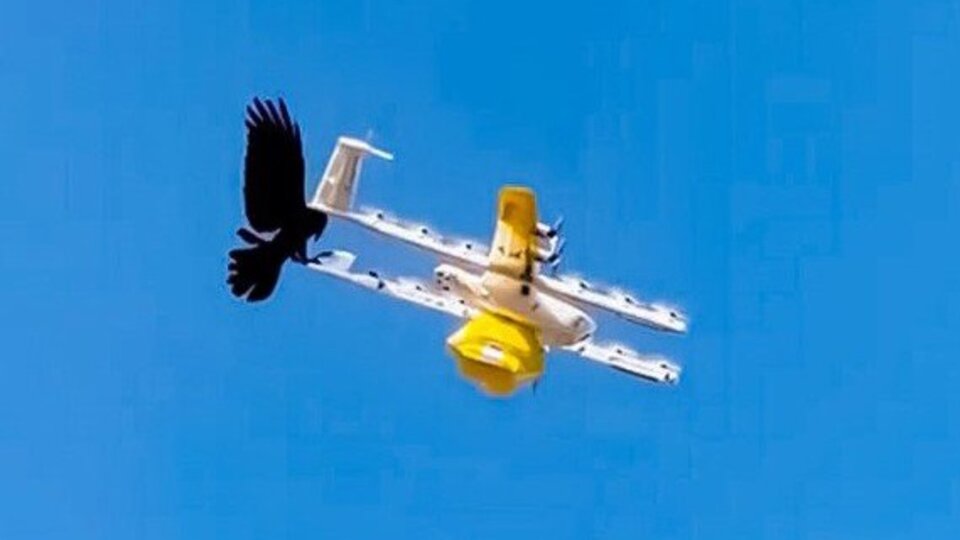
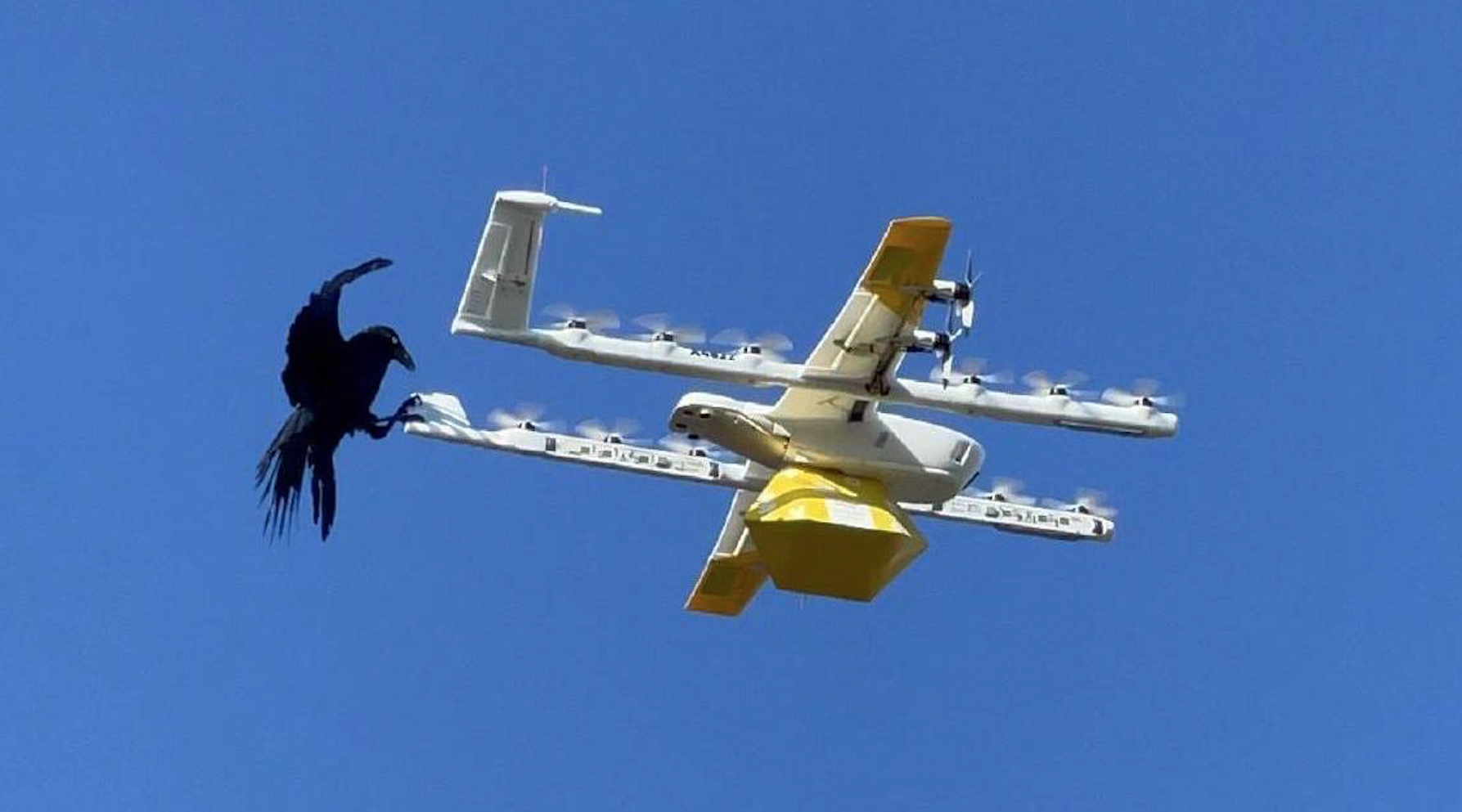
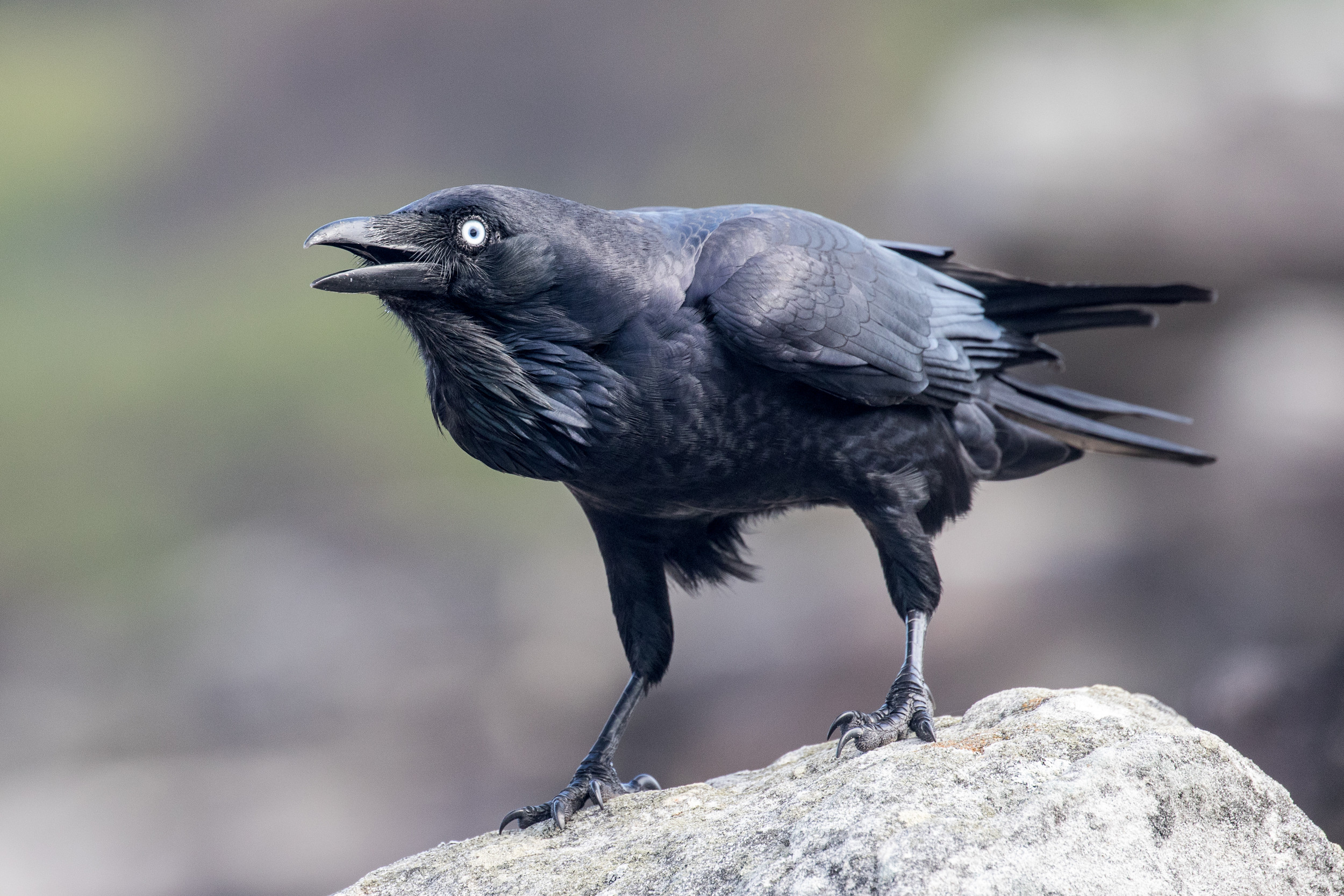
Google's Wing autonomous delivery drones in Canberra, Australia, were attacked by territorial ravens, leading to the suspension of drone operations in affected suburbs. The AI-driven drones suffered near crashes and operational disruption, prompting the company to pause flights to protect both birdlife and equipment.[AI generated]

Why's our monitor labelling this an incident or hazard?

The drones operated by Wing are AI systems used for autonomous or semi-autonomous delivery. The attacks by ravens have caused near crashes and forced suspension of flights, indicating realized harm to property (drones) and potential harm to animals. The AI system's use has directly led to these harms, fulfilling the criteria for an AI Incident. The event is not merely a potential risk (hazard) or a complementary update, but a concrete incident involving harm linked to AI system operation.[AI generated]
AI principles
SafetyRobustness & digital securitySustainability

Industries
Mobility and autonomous vehiclesLogistics, wholesale, and retail

Affected stakeholders
Business

Harm types
Economic/PropertyEnvironmental

Severity
AI incident

Business function:
Logistics

AI system task:
Recognition/object detectionGoal-driven organisationReasoning with knowledge structures/planning


Articles about this incident or hazard

Thumbnail Image

Drone delivery services halted as birds and machines clash in Canberra's air space

2021-09-22
Australian Broadcasting Corporation
Why's our monitor labelling this an incident or hazard?
The drones involved are AI systems performing autonomous delivery tasks. The bird swooping incidents cause operational disruption, but no injury or damage has occurred. The company has paused flights to investigate and mitigate risks, showing precautionary measures. Since no harm has materialized, and the event concerns a plausible risk of harm rather than actual harm, it qualifies as an AI Hazard rather than an AI Incident. It is not merely complementary information because the main focus is on the potential risk and operational pause due to AI system interaction with wildlife, not on responses to past incidents or broader governance.
Thumbnail Image

Terrifying video shows raven attacking a drone delivering coffee mid-air

2021-09-22
Newsweek
Why's our monitor labelling this an incident or hazard?
The drone is an AI system used for delivery, and the event involves its use being disrupted by bird attacks. However, no harm to humans, critical infrastructure, or violation of rights is reported. The company paused operations to protect birdlife, indicating a response to an environmental interaction rather than an AI-caused harm. There is no plausible future harm described beyond the current operational pause. Thus, the event does not meet criteria for AI Incident or AI Hazard but provides complementary information about AI system deployment challenges and responses.
Thumbnail Image

Bird attacks on drones forces suspension of home deliveries

2021-09-22
The Sunday Times
Why's our monitor labelling this an incident or hazard?
The drones operated by Wing are AI systems used for autonomous or semi-autonomous delivery. The attacks by ravens have caused near crashes and forced suspension of flights, indicating realized harm to property (drones) and potential harm to animals. The AI system's use has directly led to these harms, fulfilling the criteria for an AI Incident. The event is not merely a potential risk (hazard) or a complementary update, but a concrete incident involving harm linked to AI system operation.
Thumbnail Image

Google Wing drones grounded in Australia after bird attacks

2021-09-23
theregister.com
Why's our monitor labelling this an incident or hazard?
The drones are AI systems performing autonomous delivery. The bird attacks have led to the suspension of drone operations in one suburb, indicating a direct impact on the use of the AI system. However, no actual harm to people, property, or the environment has been reported, nor any violation of rights. The event describes a circumstance where the AI system's use could plausibly lead to harm (e.g., drone crashes or injuries caused by bird attacks), but no such harm has materialized yet. Thus, it fits the definition of an AI Hazard rather than an AI Incident or Complementary Information.
Thumbnail Image

El formidable rival con el que Google no contaba para su flotilla de drones: los cuervos

2021-09-27
Yahoo!
Why's our monitor labelling this an incident or hazard?
The drones are AI systems performing autonomous delivery. The attacks by crows have caused the temporary suspension of the delivery service in Canberra, which is a disruption of the operation of critical infrastructure (delivery service). The risk to drones and birds also constitutes harm to property and wildlife. Although no human injury or direct harm to people is reported, the disruption and risk to property and environment meet the criteria for an AI Incident. The article does not merely warn of potential harm but reports actual disruption and risk, so it is not an AI Hazard. It is not complementary information because the main focus is on the incident of drone attacks and service suspension, not on responses or governance measures. Therefore, the classification is AI Incident.
Thumbnail Image

Cuervo atacó a un dron no tripulado de Google cuando realizaba una entrega a domicilio en Australia

2021-09-28
BioBioChile
Why's our monitor labelling this an incident or hazard?
The drones are AI systems performing autonomous deliveries. The attacks by birds caused the drones to malfunction or fail in their delivery task, leading to service suspension and loss of property (drones or their payloads). This constitutes harm to property and disruption of service, directly linked to the AI system's use. Therefore, this qualifies as an AI Incident under harm category (d) - harm to property and communities due to the AI system's malfunction caused by external factors (bird attacks).
Thumbnail Image

Australia: un delivery de drones suspendió sus servicios tras ser atacado por pájaros | Ocurrió en Canberra

2021-09-28
Página/12
Why's our monitor labelling this an incident or hazard?
The drones are AI systems used for delivery, and their operation was disrupted by bird attacks, leading to suspension of services. However, no injury, property damage, or violation of rights occurred. The event does not describe any direct or indirect harm caused by the AI system, nor does it indicate plausible future harm beyond operational inconvenience. It mainly provides contextual information about environmental challenges affecting AI system deployment. Thus, it fits the definition of Complementary Information rather than an Incident or Hazard.
Thumbnail Image

Google detiene entregas con drones tras ataques de aves repetidos

2021-09-28
Forbes México
Why's our monitor labelling this an incident or hazard?
The drones used by Wing are autonomous delivery systems, which qualify as AI systems. The repeated bird attacks have caused the company to suspend deliveries, indicating a direct operational disruption and harm to property (drones). This fits the definition of an AI Incident because the AI system's use has directly led to harm (disruption of critical infrastructure and damage to property). Although the harm is caused by external agents (birds), the AI system's deployment and use are central to the incident. The article does not describe a potential future harm but an ongoing realized harm, so it is not an AI Hazard. It is not merely complementary information or unrelated news because the suspension of service due to AI system vulnerability is a materialized harm.
Thumbnail Image

Aves atacan drones de la empresa dueña de Google y la obligan a suspender entregas a domicilio (Video)

2021-09-30
Revista Proceso
Why's our monitor labelling this an incident or hazard?
The drones are AI systems operating autonomously for delivery. The bird attacks cause malfunctions that have directly led to suspension of the delivery service, which is a disruption of operation and harm to property (the drones). This fits the definition of an AI Incident because the AI system's malfunction (due to bird attacks) has directly led to harm (operational disruption and damage). There is no indication that this is merely a potential risk (hazard) or a complementary information update. Therefore, the event is classified as an AI Incident.
Thumbnail Image

Obligan cuervos y aves a suspender reparto de paquetería por drones de Google

2021-09-28
Tribuna Noticias
Why's our monitor labelling this an incident or hazard?
The drones used by Wing are AI systems involved in autonomous delivery. The bird attacks have caused operational failures leading to suspension of service to prevent harm. This situation represents an AI Hazard because the AI system's malfunction or interference could plausibly lead to harm (e.g., drone crashes causing injury or property damage). Since no actual harm has been reported yet, and the company has proactively suspended operations to avoid incidents, this is not an AI Incident but an AI Hazard. The article focuses on the potential risk and mitigation steps rather than a realized harm event.