US FCC Considers Blacklisting DJI Drones Over Security Risks

Thumbnail Image

The information displayed in the AIM should not be reported as representing the official views of the OECD or of its member countries.

The US Federal Communications Commission (FCC) is considering designating Chinese drone maker DJI as a security risk due to concerns over its AI-enabled drones' data collection and surveillance capabilities. This could lead to restrictions on DJI products in the US, reflecting regulatory responses to potential AI-related hazards.[AI generated]

Why's our monitor labelling this an incident or hazard?

The article explicitly mentions DJI drones equipped with surveillance technologies that collect sensitive data, including facial recognition and biometric measurements, which reasonably implies the involvement of AI systems. The FCC commissioner's call to add DJI to a control list is based on the plausible risk that these AI-enabled drones could lead to harms such as breaches of privacy, national security threats, and unauthorized data collection. No actual harm or incident is described as having occurred yet, but the potential for significant harm is credible and recognized by US authorities. Thus, the event fits the definition of an AI Hazard rather than an AI Incident or Complementary Information.[AI generated]
AI principles
AccountabilityPrivacy & data governanceRobustness & digital securityTransparency & explainability

Industries
Government, security, and defenceDigital security

Affected stakeholders
General publicGovernment

Harm types
Human or fundamental rightsPublic interest

Severity
AI hazard

AI system task:
Recognition/object detection


Articles about this incident or hazard

Thumbnail Image

中企大疆無人機蒐集敏感數據 美FCC委員促列入管制清單 - 自由財經

2021-10-20
自由時報電子報
Why's our monitor labelling this an incident or hazard?
The article explicitly mentions DJI drones equipped with surveillance technologies that collect sensitive data, including facial recognition and biometric measurements, which reasonably implies the involvement of AI systems. The FCC commissioner's call to add DJI to a control list is based on the plausible risk that these AI-enabled drones could lead to harms such as breaches of privacy, national security threats, and unauthorized data collection. No actual harm or incident is described as having occurred yet, but the potential for significant harm is credible and recognized by US authorities. Thus, the event fits the definition of an AI Hazard rather than an AI Incident or Complementary Information.
Thumbnail Image

美国联邦通信委员会委员希望对中国大疆施加新限制

2021-10-20
CN
Why's our monitor labelling this an incident or hazard?
The event involves AI-enabled drone systems (drones with surveillance and sensing capabilities likely involving AI for image processing and data analysis). The concerns raised relate to potential national security risks and data privacy issues, which could plausibly lead to harms such as violations of privacy rights or risks to critical infrastructure. However, the article only describes regulatory considerations and potential future restrictions, not an actual incident or harm caused by the AI systems. Therefore, this qualifies as an AI Hazard, as the development and use of DJI's AI-enabled drones could plausibly lead to harms, but no direct or indirect harm has been reported yet.
Thumbnail Image

FCC專員籲對大疆無人機施加新限制 - 大紀元

2021-10-19
The Epoch Times
Why's our monitor labelling this an incident or hazard?
The event involves AI systems insofar as DJI drones likely incorporate AI for autonomous navigation and data processing. The concerns raised relate to the use of these AI-enabled drones for data collection that could be exploited, posing a plausible future risk to national security. Since no actual harm has been reported but credible risks are identified, this qualifies as an AI Hazard. The article primarily discusses potential threats and regulatory considerations rather than a realized incident or harm, so it is not an AI Incident. It is also not merely complementary information because the main focus is on the potential risk and call for restrictions, not on updates or responses to past incidents.
Thumbnail Image

FCC专员吁对大疆无人机进行新限制 - 大纪元

2021-10-19
The Epoch Times
Why's our monitor labelling this an incident or hazard?
The article centers on the potential security threats from DJI drones, including data collection and possible misuse by a foreign government, which could plausibly lead to harms such as violations of privacy or national security breaches. However, no actual harm or incident is described as having occurred. The presence of AI can be reasonably inferred since DJI drones likely use AI for autonomous navigation and data processing. Given the focus on potential risks and regulatory measures rather than realized harm, this event fits the definition of an AI Hazard rather than an AI Incident or Complementary Information.
Thumbnail Image

【大國博弈】美FCC專員建議審查大疆,擬禁用政府補貼購買

2021-10-20
ET Net
Why's our monitor labelling this an incident or hazard?
DJI drones are AI-enabled systems used in sensitive sectors, and the FCC's consideration to restrict their purchase due to security concerns indicates a plausible risk of harm stemming from their use. Since no actual harm has occurred yet, but there is a credible potential for harm, this event qualifies as an AI Hazard. It is not an AI Incident because no realized harm is reported, nor is it Complementary Information or Unrelated as it directly concerns AI system risks and regulatory responses.
Thumbnail Image

美联邦通信委员会专员呼吁将大疆创新列入管制清单

2021-10-20
RFI
Why's our monitor labelling this an incident or hazard?
The article focuses on the potential security risks posed by DJI's AI-enabled drones and data collection capabilities, emphasizing the plausible threat of espionage and misuse of sensitive data. No actual harm or incident is reported; instead, the call for regulatory action reflects concern about possible future harms. Therefore, this event fits the definition of an AI Hazard, as it involves AI systems whose use could plausibly lead to significant harm (national security and privacy violations) but no direct harm has yet been documented.
Thumbnail Image

美聯邦通信委員會專員呼籲將大疆創新列入管制清單

2021-10-20
RFI
Why's our monitor labelling this an incident or hazard?
The article centers on the potential security risks posed by DJI's AI-enabled drones and their data collection, which could plausibly lead to harms such as violations of privacy, espionage, or threats to critical infrastructure. Since no actual harm or incident has been reported yet, but credible concerns about future harm exist, this qualifies as an AI Hazard. The AI system involvement is reasonably inferred from the autonomous and sensor-equipped nature of the drones and their software collecting sensitive data. The event is not a direct incident but a warning and call for regulatory action to mitigate potential risks.
Thumbnail Image

美考慮對大疆安全審查 FCC:不需要無人機載版的華為 - 香港經濟日報 - 中國頻道 - 國情動向

2021-10-20
香港經濟日報 hket.com
Why's our monitor labelling this an incident or hazard?
The event involves AI systems because DJI drones use AI technologies such as facial recognition and remote sensing to collect and process sensitive data. The issue stems from the use and potential misuse of these AI systems, which could plausibly lead to violations of privacy and national security risks (harm to communities and possibly breach of rights). However, no actual harm or incident has been reported yet; the article focuses on the potential security threat and regulatory considerations. Therefore, this qualifies as an AI Hazard, as the development and use of AI-enabled drones could plausibly lead to significant harm if exploited.
Thumbnail Image

美FCC專員籲對大疆無人機施加新限制

2021-10-19
www.ntdtv.com
Why's our monitor labelling this an incident or hazard?
The event involves AI systems (DJI drones with AI-enabled sensing and data collection capabilities). The article does not report a specific harm or incident caused by these AI systems but emphasizes the potential for future harm, including espionage and data breaches, due to the drones' capabilities and the geopolitical context. The FCC commissioner's call for restrictions is a response to these plausible risks. Hence, the event fits the definition of an AI Hazard, as it concerns credible potential harms from the development and use of AI systems but no direct or indirect harm has yet occurred as described.
Thumbnail Image

【封殺 DJI】美國 FCC 要求將大疆列入管制清單 指 DJI 無人機收集敏感數據傳回中國 - ezone.hk - 科技焦點 - 數碼

2021-10-21
ezone.hk 即時科技生活
Why's our monitor labelling this an incident or hazard?
DJI drones are AI systems equipped with sensors and autonomous capabilities that collect and transmit sensitive data. The FCC's action to restrict DJI drones is based on evidence or strong suspicion that these AI systems have been used in ways that compromise U.S. national security by collecting sensitive data, which constitutes harm to critical infrastructure and possibly breaches of privacy rights. The regulatory measures and prior warnings indicate that harm has occurred or is ongoing, not merely a potential risk. Hence, this is an AI Incident rather than a hazard or complementary information.
Thumbnail Image

FCC专员呼吁完全禁止中国大疆无人机(图) - - 时事

2021-10-20
看中国
Why's our monitor labelling this an incident or hazard?
DJI drones are AI systems used for navigation and data collection. The article highlights concerns about potential misuse of data by the Chinese government, which could lead to violations of privacy and national security. Although some federal agencies have already restricted DJI drones, the article does not report a specific incident of harm caused by these drones but focuses on the call to ban them due to plausible future risks. This fits the definition of an AI Hazard, where the AI system's use could plausibly lead to harm but no direct harm is described as having occurred yet.
Thumbnail Image

FCC專員呼籲完全禁止中國大疆無人機(圖) - - 時事

2021-10-20
看中国
Why's our monitor labelling this an incident or hazard?
DJI drones are AI systems capable of autonomous or semi-autonomous operation and data collection. The article highlights concerns that these drones' use could lead to unauthorized access by the Chinese government to sensitive data, posing a national security threat. While no direct harm is reported, the credible risk of such harm justifies classification as an AI Hazard. The event focuses on the potential for harm and regulatory responses rather than an actual realized incident, so it is not an AI Incident. It is not merely complementary information because the main focus is on the risk and call for prohibition due to plausible harm, not on updates or responses to past incidents.
Thumbnail Image

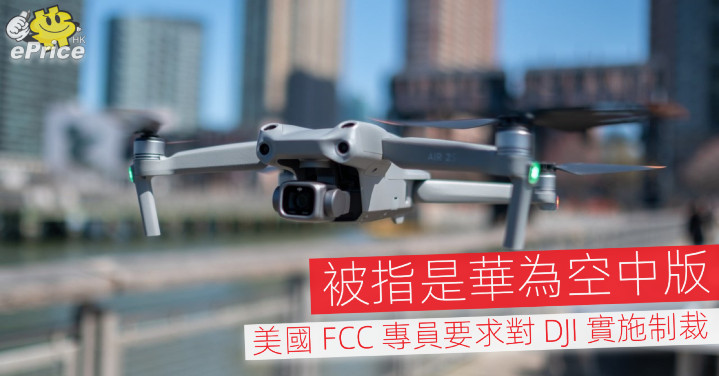
被指是華為空中版 美國 FCC 專員要求對 DJI 實施制裁

2021-10-23
ePrice.HK
Why's our monitor labelling this an incident or hazard?
The event involves AI systems in the form of DJI drones that collect and process sensitive data. The concerns raised relate to the potential misuse of this data by a foreign government, which could plausibly lead to harm such as disruption of critical infrastructure management or violations of privacy and security. Since no actual harm is reported but credible warnings and government actions indicate a plausible risk, this event fits the definition of an AI Hazard rather than an AI Incident. The focus is on potential future harm from the use of AI-enabled drones rather than realized harm.
Thumbnail Image

美国通信官员要求将大疆无人机列入管制清单

2021-10-19
美国之音
Why's our monitor labelling this an incident or hazard?
The article focuses on the potential national security risks posed by AI-enabled DJI drones and the regulatory measures proposed to control their use. There is no mention of an actual incident or harm caused by the AI systems, only the plausible risk of harm due to surveillance and data collection capabilities. Therefore, this event fits the definition of an AI Hazard, as it plausibly could lead to harms related to critical infrastructure and privacy but has not yet resulted in a direct or indirect harm.
Thumbnail Image

美国审查大疆 制裁参与中国海洋主张的实体

2021-10-20
早报
Why's our monitor labelling this an incident or hazard?
DJI drones are AI-enabled systems used for various applications, including sensitive government work. The FCC's consideration to list DJI as a security risk and the Senate's sanctions on Chinese entities involved in maritime claims reflect concerns about the potential misuse or risks posed by these AI systems. However, the article does not report any actual harm or incident caused by DJI drones or AI systems. The event is about regulatory and legislative responses to potential risks, fitting the definition of an AI Hazard rather than an AI Incident or Complementary Information. It is not unrelated because AI systems (drones) are central to the discussion.
Thumbnail Image

美媒:美官员扬言“拉黑”大疆无人机

2021-10-22
cankaoxiaoxi.com
Why's our monitor labelling this an incident or hazard?
The article involves AI systems insofar as DJI drones likely incorporate AI for autonomous or semi-autonomous flight capabilities. However, the event focuses on the potential security risks and regulatory considerations rather than any actual harm caused by the AI systems. There is no report of injury, rights violations, or other harms directly or indirectly caused by the AI in DJI drones. The event reflects a plausible future risk and regulatory response but does not describe an incident or realized harm. Therefore, it qualifies as an AI Hazard due to the plausible risk of harm from the use of AI-enabled drones, but not an AI Incident or Complementary Information.
Thumbnail Image

美國參議員聯合致函FCC促採取行動遏制華為中興威脅

2021-10-20
美國之音
Why's our monitor labelling this an incident or hazard?
The article focuses on national security concerns related to foreign telecom equipment and management services, specifically Huawei and ZTE, and the U.S. FCC's regulatory responses. There is no explicit or implicit mention of AI systems causing harm or posing a plausible future harm. The event is about policy and governance actions addressing security threats, which aligns with Complementary Information. It does not meet the criteria for AI Incident or AI Hazard because no AI system involvement or harm is described or reasonably inferred.
Thumbnail Image

美國通信官員要求將大疆無人機列入管制清單

2021-10-20
美國之音
Why's our monitor labelling this an incident or hazard?
The article involves AI systems (DJI drones with AI-powered surveillance capabilities) and discusses their potential to cause harm through data collection and surveillance, which could threaten national security. Since no actual harm or incident is reported, but there is a clear plausible risk of harm, this qualifies as an AI Hazard. The event is about the potential for harm and regulatory measures to mitigate that risk, not about an incident or realized harm. Therefore, it is classified as an AI Hazard.
Thumbnail Image

09:10:59外媒:美國欲審查大疆 稱其構成安全風險

2021-10-20
hkcd.com
Why's our monitor labelling this an incident or hazard?
The article involves an AI system (drones with autonomous capabilities) and discusses a security review due to potential risks, which fits the definition of an AI Hazard because it plausibly could lead to harm (e.g., security breaches or misuse). There is no indication of an actual incident or harm having occurred, so it is not an AI Incident. The main focus is on the potential risk and regulatory consideration, not on a response or update to a past incident, so it is not Complementary Information. Therefore, the classification is AI Hazard.
Thumbnail Image

美國FCC建議對大疆進行安全審查 (10:04) - 20211020 - 即時財經新聞

2021-10-20
明報財經網
Why's our monitor labelling this an incident or hazard?
The article mentions DJI drones, which are AI-enabled systems (autonomous or semi-autonomous drones), and the FCC's consideration to list DJI as a security risk. However, no actual harm or incident involving the AI system is reported. The event is about a potential regulatory measure reflecting security concerns, which fits the definition of Complementary Information as it relates to governance responses and risk assessment rather than a realized or imminent AI Incident or Hazard.