Worldcoin Biometric Iris Scanning Raises Privacy Concerns

Thumbnail Image

The information displayed in the AIM should not be reported as representing the official views of the OECD or of its member countries.

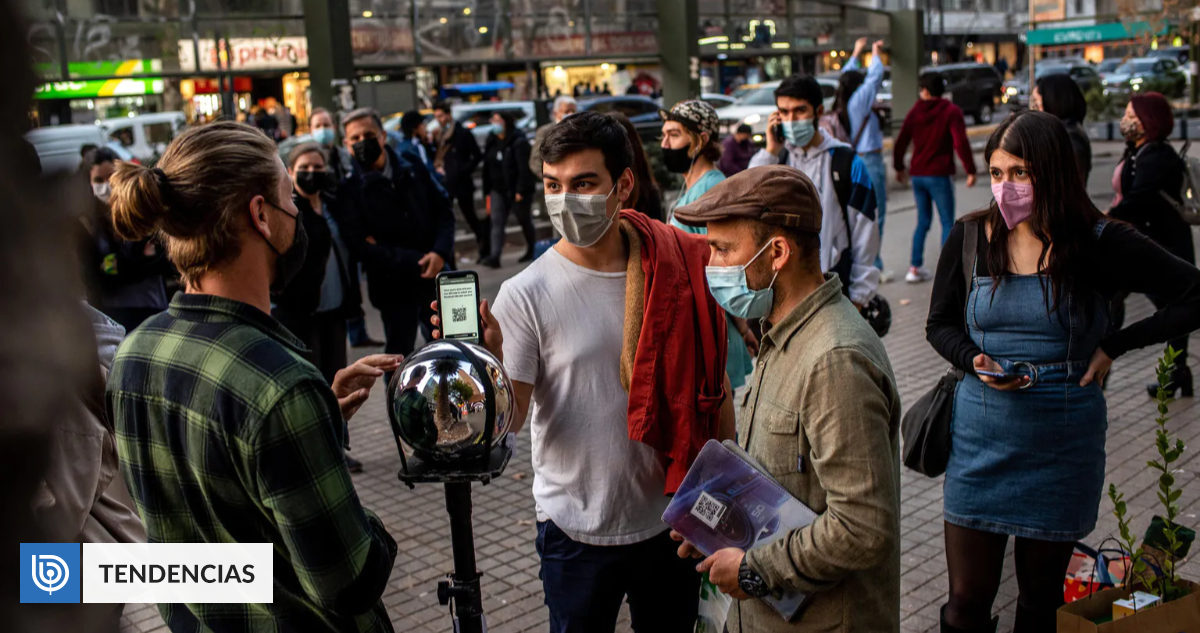
Worldcoin has deployed AI-powered iris-scanning devices called 'orbs' across four continents, collecting biometric data from over 100,000 people in exchange for cryptocurrency. While no direct harm is reported, the large-scale collection and use of sensitive biometric data raise significant privacy and misuse concerns.[AI generated]

Why's our monitor labelling this an incident or hazard?

The article explicitly describes an AI system (the Orb biometric scanner) used to collect and process biometric data (iris scans) to generate unique identity codes for cryptocurrency distribution. Although no harm has been reported, the collection and use of biometric data at this scale pose plausible risks of privacy violations and misuse, which are recognized forms of harm under the framework. Since the event involves the use of an AI system and the potential for significant harm exists, but no harm has yet materialized, it fits the definition of an AI Hazard rather than an AI Incident. It is not Complementary Information because the article focuses on the deployment and implications of the AI system itself, not on responses or updates to prior incidents. It is not Unrelated because the AI system is central to the event.[AI generated]
AI principles
Privacy & data governanceTransparency & explainabilityRespect of human rights

Industries
Digital security

Affected stakeholders
General public

Harm types
Human or fundamental rights

Severity
AI hazard

AI system task:
Recognition/object detection


Articles about this incident or hazard

Thumbnail Image

Worldcoin en Chile: reparten gratis criptomonedas a cambio de escanear tu iris

2021-10-25
BioBioChile
Why's our monitor labelling this an incident or hazard?
The article explicitly describes an AI system (the Orb biometric scanner) used to collect and process biometric data (iris scans) to generate unique identity codes for cryptocurrency distribution. Although no harm has been reported, the collection and use of biometric data at this scale pose plausible risks of privacy violations and misuse, which are recognized forms of harm under the framework. Since the event involves the use of an AI system and the potential for significant harm exists, but no harm has yet materialized, it fits the definition of an AI Hazard rather than an AI Incident. It is not Complementary Information because the article focuses on the deployment and implications of the AI system itself, not on responses or updates to prior incidents. It is not Unrelated because the AI system is central to the event.
Thumbnail Image

Por ganar criptomonedas, 100 mil se escanearon ojos

2021-10-22
Milenio.com
Why's our monitor labelling this an incident or hazard?
The event involves AI systems (biometric iris scanning and identity verification) used in the development and deployment of a cryptocurrency distribution project. Although no direct harm or incident is reported, the large-scale collection of biometric data and the uncertainty around privacy and data use create a credible potential for future harm, such as privacy violations or misuse of sensitive biometric information. This fits the definition of an AI Hazard, as the AI system's use could plausibly lead to harm, but no harm has yet materialized or been documented in the article.
Thumbnail Image

Proyecto polémico: regalan criptomonedas a cambio de un escaneo ocular

2021-10-25
El Cronista
Why's our monitor labelling this an incident or hazard?
The article explicitly describes an AI system (iris-scanning orbes) used to generate unique biometric codes for cryptocurrency distribution. Although the developers deny privacy invasion and no direct harm is reported, the large-scale biometric data collection and uncertain outcomes present credible risks of privacy violations and misuse. Since no actual harm has been documented yet, but plausible future harm exists, this event fits the definition of an AI Hazard rather than an AI Incident. It is not merely complementary information because the main focus is on the deployment and potential risks of the AI system, not on responses or ecosystem context. It is not unrelated because the AI system is central to the event.