Tesla FSD AI System Linked to Accidents and Ongoing Safety Concerns

Thumbnail Image

The information displayed in the AIM should not be reported as representing the official views of the OECD or of its member countries.

Tesla's Full Self-Driving (FSD) AI system, under internal testing and improvement, has been involved in at least 11 accidents since 2018, causing 17 injuries and 1 death in the US. Recent incidents include a collision in California attributed to FSD malfunction, prompting regulatory investigation and increased data collection for analysis.[AI generated]

Why's our monitor labelling this an incident or hazard?

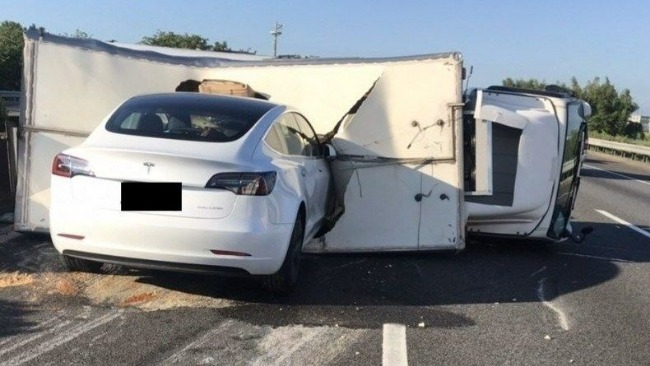
Tesla's FSD is an AI system designed for autonomous driving. The article reports a specific collision incident caused by the FSD system's behavior, resulting in significant damage to vehicles, which constitutes harm to property. The involvement of regulatory investigation further confirms the seriousness of the incident. The AI system's malfunction or failure to operate safely directly led to harm, meeting the criteria for an AI Incident. The collection of video data linked to vehicle identification number (VIN) is related to investigation and improvement but does not change the classification of the incident itself.[AI generated]
AI principles
SafetyRobustness & digital securityAccountabilityTransparency & explainability

Industries
Mobility and autonomous vehicles

Affected stakeholders
ConsumersGeneral public

Harm types
Physical (injury)Physical (death)

Severity
AI incident

AI system task:
Recognition/object detectionGoal-driven organisation


Articles about this incident or hazard

Thumbnail Image

特斯拉要求FSD测试者在遭遇交通事故时允许其收集视频 - Tesla 特斯拉电动汽车 - cnBeta.COM

2021-11-25
cnBeta.COM
Why's our monitor labelling this an incident or hazard?
Tesla's FSD is an AI system designed for autonomous driving. The article reports a specific collision incident caused by the FSD system's behavior, resulting in significant damage to vehicles, which constitutes harm to property. The involvement of regulatory investigation further confirms the seriousness of the incident. The AI system's malfunction or failure to operate safely directly led to harm, meeting the criteria for an AI Incident. The collection of video data linked to vehicle identification number (VIN) is related to investigation and improvement but does not change the classification of the incident itself.
Thumbnail Image

特斯拉拒绝再做背锅侠 用户升级FSD需授权车内外影像数据 - Tesla 特斯拉电动汽车 - cnBeta.COM

2021-11-24
cnBeta.COM
Why's our monitor labelling this an incident or hazard?
Tesla's FSD Beta is an AI system for autonomous driving. The article reports a specific accident where the FSD Beta malfunctioned, causing a collision, which is a direct harm to property and potentially to health. Tesla's updated data collection policy is a response to such incidents, aiming to analyze and improve the AI system. The presence of a concrete accident linked to the AI system's malfunction and the resulting harm meets the criteria for an AI Incident rather than a hazard or complementary information. The data collection update is part of the system's use and response to the incident, not merely background or future risk.
Thumbnail Image

想用测试版"自动驾驶"?特斯拉:先授权我看摄像头 - Tesla 特斯拉电动汽车 - cnBeta.COM

2021-11-24
cnBeta.COM
Why's our monitor labelling this an incident or hazard?
The event involves an AI system (Tesla's FSD Beta, which uses machine learning and camera data for autonomous driving). The article focuses on the development and use of this AI system and its data collection practices, raising plausible privacy and data security risks. However, no actual harm or violation has been reported yet, only concerns and potential risks. Therefore, this situation fits the definition of an AI Hazard, as the AI system's use could plausibly lead to harm related to privacy and data security, but no incident has occurred so far.
Thumbnail Image

亲自上阵!马斯克测试最新版自动驾驶 全程无人工接管 - Tesla 特斯拉电动汽车 - cnBeta.COM

2021-11-23
cnBeta.COM
Why's our monitor labelling this an incident or hazard?
Tesla's FSD is an AI system used for autonomous driving. The article explicitly states that since 2018, Tesla's autonomous driving system has caused 11 accidents resulting in 17 injuries and 1 death, which constitutes direct harm to persons. This meets the criteria for an AI Incident as the AI system's use has directly led to injury and death. The article also discusses improvements and ongoing development but the presence of actual harm from the AI system's use is clear and documented.
Thumbnail Image

亲自上阵!马斯克测试最新版自驾功能 全程无人工接管

2021-11-24
东方财富网
Why's our monitor labelling this an incident or hazard?
Tesla's FSD Beta 10.5 is an AI system designed for autonomous driving. The article explicitly mentions that since 2018, Tesla's autonomous driving system has been involved in 11 accidents causing 17 injuries and 1 death, which constitutes direct harm to people (health harm). The current testing and improvements are part of the system's development and use, with known past harms. Although the article also discusses future potential and improvements, the presence of realized harm linked to the AI system's use makes this an AI Incident rather than a hazard or complementary information. The article does not merely provide updates or general AI news but highlights the AI system's role in causing harm and ongoing safety concerns.
Thumbnail Image

亲自上阵!马斯克测试最新版自动驾驶 全程无人工接管

2021-11-23
凤凰网(凤凰新媒体)
Why's our monitor labelling this an incident or hazard?
The Tesla FSD system is an AI system designed for autonomous driving. The article explicitly mentions that since 2018, Tesla's autonomous driving system has been involved in 11 accidents resulting in 17 injuries and 1 death, which constitutes direct harm caused by the AI system's use and malfunction. Although the current test by Musk did not report new harm, the article's context centers on the AI system's development, use, and associated harms. This meets the criteria for an AI Incident because the AI system's use has directly led to injury and death. The article also discusses improvements and ongoing development but does not focus primarily on responses or governance, so it is not Complementary Information. It is not merely a potential risk (AI Hazard) since harm has already occurred. Therefore, the classification is AI Incident.
Thumbnail Image

想用测试版"自动驾驶"?特斯拉:先授权我看摄像头

2021-11-24
凤凰网(凤凰新媒体)
Why's our monitor labelling this an incident or hazard?
The article explicitly involves an AI system—the Tesla FSD Beta autonomous driving system—that uses camera data for its operation. The event concerns the use of this AI system and its data collection practices, which could plausibly lead to violations of privacy rights and data security breaches, constituting potential harm. However, the article does not report any actual incidents of harm, injury, or rights violations occurring due to this data collection. The concerns are about the potential for harm arising from the AI system's use and data practices, making this an AI Hazard rather than an AI Incident. It is not Complementary Information because the article focuses on the new data collection and consent requirements and the associated risks, not on responses or updates to previous incidents. It is not Unrelated because the AI system and its use are central to the event.
Thumbnail Image

特斯拉要求FSD测试者在遭遇交通事故时允许其收集视频

2021-11-25
凤凰网(凤凰新媒体)
Why's our monitor labelling this an incident or hazard?
The article explicitly involves an AI system (Tesla's FSD) whose malfunction has directly led to a traffic collision causing significant damage. The collection of video data is related to investigating and improving the AI system but does not negate the fact that harm has occurred. The incident fits the definition of an AI Incident because the AI system's use and malfunction have directly led to harm (property damage and potential risk to health).
Thumbnail Image

特斯拉发布测试版FSD Beta 10.5 目前仅向内部员工开放

2021-11-22
Techweb
Why's our monitor labelling this an incident or hazard?
The event involves an AI system (Tesla's FSD Beta 10.5) in its development and testing phase. There is no indication of any realized harm or incident caused by the AI system, nor any credible risk of imminent harm described. The article focuses on the progress and internal testing of the AI system, which fits the definition of Complementary Information as it provides supporting context and updates about the AI system without reporting an incident or hazard.
Thumbnail Image

[科技新闻]亲自上阵!马斯克测试最新版自驾功能

2021-11-24
mitbbs.com
Why's our monitor labelling this an incident or hazard?
Tesla's FSD Beta is an AI system involved in autonomous driving. The article references past accidents caused by the system, resulting in injuries and a fatality, which qualifies as harm to persons. Therefore, the event involves an AI system whose use has directly or indirectly led to harm, fitting the definition of an AI Incident. The current article focuses on the new version testing and improvements but references prior incidents with harm, so the classification is AI Incident rather than Hazard or Complementary Information.
Thumbnail Image

[科技新闻]马斯克亲自测试最新版自驾功能:全程无人工接管!

2021-11-24
mitbbs.com
Why's our monitor labelling this an incident or hazard?
The event involves an AI system (Tesla's FSD Beta 10.5) used in real-world driving scenarios. The article references past accidents caused by Tesla's autonomous driving system, resulting in injuries and a fatality, which qualifies as harm to persons. Although the current test by Musk did not report new harm, the mention of prior accidents directly linked to the AI system's use establishes this as an AI Incident. The article also discusses improvements and ongoing risks, but the presence of realized harm from the AI system's use takes precedence over potential future harm or complementary information.
Thumbnail Image

亲自上阵!马斯克测试最新版自驾功能,全程无人工接管

2021-11-23
163.com
Why's our monitor labelling this an incident or hazard?
The Tesla FSD system is an AI system involved in autonomous vehicle operation. The article reports that this AI system has directly led to multiple accidents causing physical harm (injuries and death), which qualifies as an AI Incident under the framework. The current testing and improvements are described, but the key point is the documented harm caused by the AI system's use. Therefore, this event is classified as an AI Incident due to the realized harm linked to the AI system's operation.
Thumbnail Image

特斯拉拒绝再做背锅侠!用户升级FSD需授权车内外影像数据

2021-11-24
163.com
Why's our monitor labelling this an incident or hazard?
The event involves an AI system (Tesla's FSD Beta) whose malfunction or failure to disengage directly led to a car accident, causing physical harm and property damage. The update requiring data collection is a response to such incidents, aiming to analyze and improve the AI system. Since the harm has occurred and is directly linked to the AI system's use and malfunction, this qualifies as an AI Incident rather than a hazard or complementary information.
Thumbnail Image

特斯拉发布测试版FSD Beta 10.5 目前仅面向公司员工

2021-11-22
163.com
Why's our monitor labelling this an incident or hazard?
The article focuses on the deployment of an AI system (Tesla's FSD Beta 10.5) to employees for testing and describes its technical improvements. There is no mention of any injury, accident, rights violation, or other harm caused by the system at this stage. Since the system is still in beta and only available internally, and no harm or plausible immediate harm is reported, this event does not qualify as an AI Incident or AI Hazard. It is primarily an update on AI system development and deployment, which fits the definition of Complementary Information.
Thumbnail Image

马斯克不想背锅!特斯拉升级FSD需授权摄像头数据:保留证据

2021-11-25
163.com
Why's our monitor labelling this an incident or hazard?
Tesla's FSD Beta is an AI system that assists driving by making real-time decisions. The reported accident where the system failed to disengage and caused a collision demonstrates direct harm linked to the AI system's malfunction. The update to collect camera data tied to specific vehicles is a response to such incidents, aiming to provide evidence and improve safety. Since harm has occurred and the AI system's malfunction is a contributing factor, this qualifies as an AI Incident rather than a hazard or complementary information.
Thumbnail Image

Public Streets Are the Lab for Self-Driving Experiments

2021-12-23
The New York Times
Why's our monitor labelling this an incident or hazard?
The article explicitly involves AI systems in autonomous driving (Tesla's Autopilot and other driver-assist technologies). It reports multiple accidents, including fatalities and injuries, directly linked to the use of these AI systems, constituting harm to persons. The involvement of AI in these incidents is clear, as the accidents are attributed to the autonomous driving features or their failures. Therefore, this qualifies as an AI Incident under the framework, as the AI system's use and malfunction have directly led to harm.
Thumbnail Image

Cars are getting better at driving themselves, but you still can't sit back and nap

2021-12-22
NPR
Why's our monitor labelling this an incident or hazard?
The article involves AI systems (autonomous driving and driver-assistance technologies) and discusses their use and limitations. It references past incidents involving Tesla's Autopilot but does not report a new or specific AI Incident or AI Hazard event. The focus is on informing readers about the current capabilities and risks, including safety features and human factors, without describing a concrete harm event or a credible imminent risk. Therefore, it fits best as Complementary Information, providing context and understanding about AI systems in autonomous vehicles and their societal implications, rather than reporting a new incident or hazard.
Thumbnail Image

Editorial: Slam the brakes on Tesla's self-driving madness

2021-12-20
Los Angeles Times
Why's our monitor labelling this an incident or hazard?
The article clearly involves an AI system—Tesla's Full Self-Driving package—which is an autonomous vehicle AI system. It describes real incidents where the AI system's use has directly led to safety hazards and actual crashes causing injury and death, fulfilling the criteria for harm to persons. The editorial highlights the system's malfunction or failure to perform safely, and the indirect harm caused by misleading marketing and insufficient regulation. Therefore, this qualifies as an AI Incident because the AI system's use has directly or indirectly led to harm to people and public safety risks.
Thumbnail Image

Is Tesla's Full Self-Driving beta making driving safer? Or is it a safety hazard?

2021-12-21
Stuff
Why's our monitor labelling this an incident or hazard?
Tesla's Full Self-Driving beta is an AI system actively used on public roads by thousands of beta testers. The article provides multiple examples of the software making mistakes that could cause injury or harm, such as running red lights and nearly hitting pedestrians. It also mentions a recall due to a software update causing erratic braking, indicating malfunction. These issues have already resulted in direct safety risks, fulfilling the criteria for harm to persons. The involvement of the AI system in these harms is direct, as the software's erroneous outputs and malfunctions are the cause. Hence, this event is best classified as an AI Incident rather than a hazard or complementary information.
Thumbnail Image

Cars are getting better at driving themselves, but you still can't sit back and nap

2021-12-22
KGOU 106.3
Why's our monitor labelling this an incident or hazard?
The article involves AI systems (ADAS and semi-autonomous driving AI) and discusses their use and associated safety risks. It references past incidents involving Tesla's Autopilot but does not describe a new specific AI Incident or a particular event causing harm. Instead, it provides context, safety warnings, and expert opinions on the current state and risks of these systems. Therefore, it fits best as Complementary Information, as it enhances understanding of AI systems in vehicles and their safety implications without reporting a new incident or hazard.