Scania Invests in Test Track for Autonomous and Electric Vehicles

Thumbnail Image

The information displayed in the AIM should not be reported as representing the official views of the OECD or of its member countries.

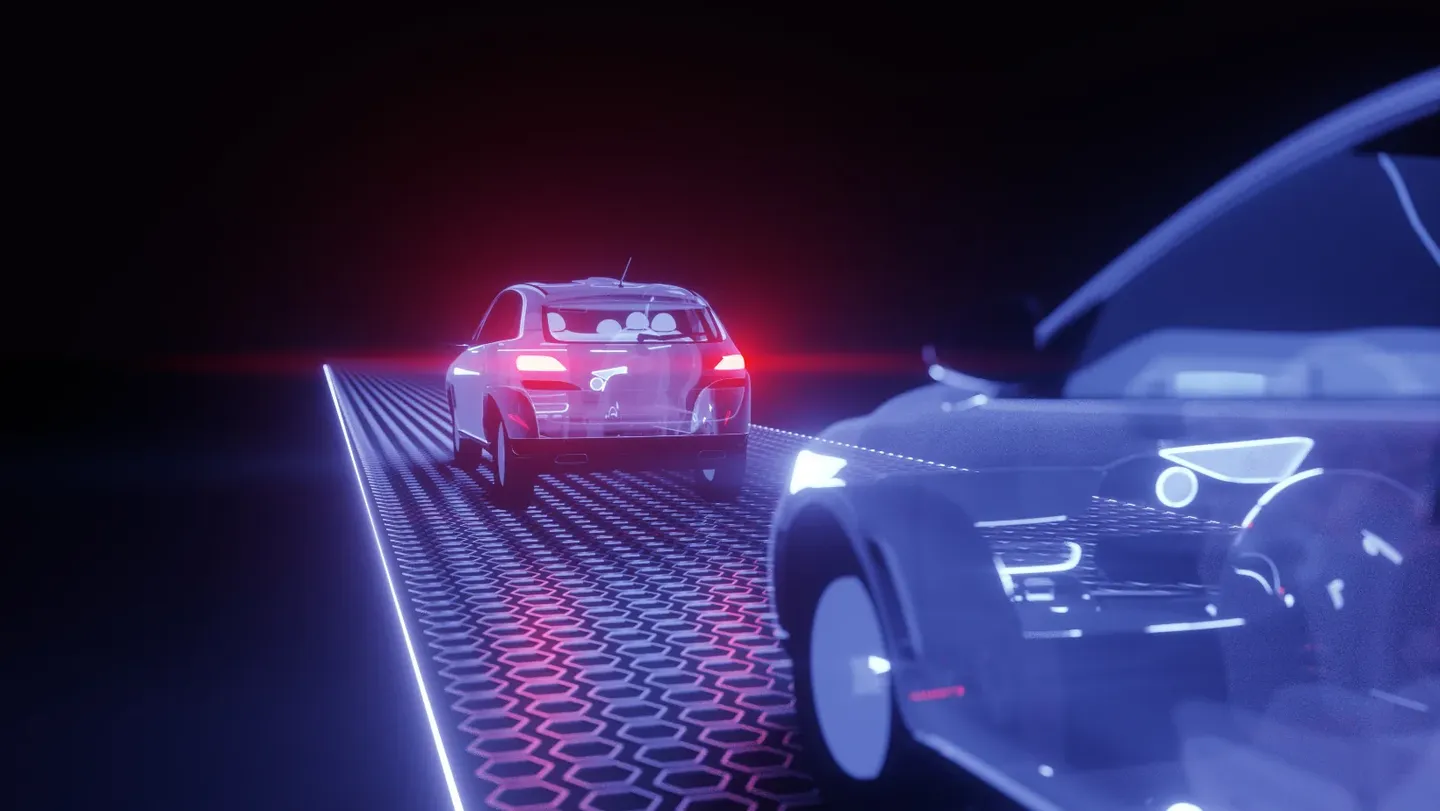
Scania is investing nearly one billion SEK in a new test track in Södertälje to develop and test autonomous (AI-driven) and electric heavy vehicles. The facility aims to advance Scania’s capabilities in self-driving technology, representing a future AI hazard due to potential risks in autonomous vehicle testing.[AI generated]

Why's our monitor labelling this an incident or hazard?

The article describes a planned investment by Scania to build a test track for future autonomous trucks, indicating the intended use of AI systems for self-driving vehicles. However, since the project is still in the planning phase and no actual use, malfunction, or harm related to AI systems has occurred, this event represents a plausible future risk or opportunity rather than a realized incident. Therefore, it qualifies as an AI Hazard because the development and potential use of autonomous vehicle AI systems could plausibly lead to incidents in the future, but no harm has yet materialized.[AI generated]

AI principles
SafetyRobustness & digital securityAccountabilityTransparency & explainabilityPrivacy & data governanceRespect of human rights

Industries
Mobility and autonomous vehiclesRobots, sensors, and IT hardwareLogistics, wholesale, and retailEnergy, raw materials, and utilitiesMobility and autonomous vehiclesRobots, sensors, and IT hardwareMobility and autonomous vehiclesMobility and autonomous vehiclesMobility and autonomous vehiclesMobility and autonomous vehiclesMobility and autonomous vehicles

Affected stakeholders
WorkersGeneral public

Harm types
Physical (injury)Physical (death)Economic/PropertyReputationalHuman or fundamental rights

Severity
AI hazard

Business function:
Research and developmentMonitoring and quality control

AI system task:
Recognition/object detectionForecasting/predictionGoal-driven organisationEvent/anomaly detectionReasoning with knowledge structures/planning


Articles about this incident or hazard

Thumbnail Image

Scania: miljard till testbana för självkörande lastbilar

2022-02-18
Dagens PS
Why's our monitor labelling this an incident or hazard?
The article describes a planned investment by Scania to build a test track for future autonomous trucks, indicating the intended use of AI systems for self-driving vehicles. However, since the project is still in the planning phase and no actual use, malfunction, or harm related to AI systems has occurred, this event represents a plausible future risk or opportunity rather than a realized incident. Therefore, it qualifies as an AI Hazard because the development and potential use of autonomous vehicle AI systems could plausibly lead to incidents in the future, but no harm has yet materialized.
Thumbnail Image

Scania investerar i testbana för självkörande lastbilar

2022-02-22
Vi Bilägare
Why's our monitor labelling this an incident or hazard?
The article describes Scania's planned investment in infrastructure to test autonomous heavy vehicles, which implies the development and future use of AI systems for self-driving trucks. However, no actual harm or incident has occurred yet; the event concerns future potential capabilities and testing. Therefore, it represents a plausible future risk scenario related to AI systems but does not describe any realized harm or incident. This fits the definition of an AI Hazard, as the development and testing of autonomous vehicles could plausibly lead to incidents in the future.
Thumbnail Image

Miljardsatsning på eldrivet och autonomt

2022-02-18
transportnytt.se
Why's our monitor labelling this an incident or hazard?
The article explicitly mentions autonomous (self-driving) vehicles, which involve AI systems. The investment in a test track is for the development and testing of these AI systems. While no harm or incident is reported, the nature of autonomous vehicle testing inherently carries plausible risks of future harm (e.g., accidents, safety failures). Thus, the event fits the definition of an AI Hazard rather than an AI Incident or Complementary Information. It is not unrelated because AI systems are central to the event.
Thumbnail Image

2022-02-18
bussmagasinet.se
Why's our monitor labelling this an incident or hazard?
The article describes a planned investment in infrastructure to develop and test autonomous (AI-enabled) vehicles. While AI systems are involved in the autonomous vehicles, the event is about future development and testing, with no realized harm or incident reported. Therefore, it represents a plausible future scenario where AI could lead to harm but no harm has yet occurred, fitting the definition of an AI Hazard.
Thumbnail Image

Evertiq - Scania lägger dryg miljard på ny testbana

2022-02-21
evertiq.se
Why's our monitor labelling this an incident or hazard?
The article mentions autonomous vehicles, which reasonably implies the involvement of AI systems for autonomous driving capabilities. However, the event is about the investment and planned construction of a test track, not about any incident or hazard caused by AI. There is no indication of harm or plausible future harm resulting from the AI systems or their use. Therefore, this is best classified as Complementary Information, providing context on AI-related development activities without describing an incident or hazard.
























