AI-Generated Deepfake Profiles Used for Deceptive Marketing on LinkedIn

Thumbnail Image

The information displayed in the AIM should not be reported as representing the official views of the OECD or of its member countries.

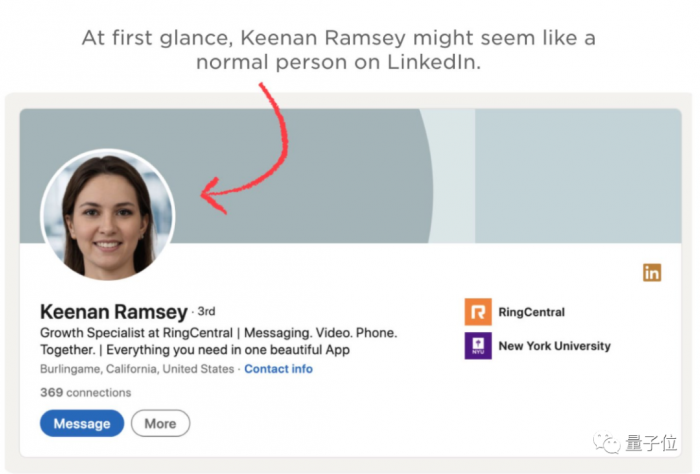
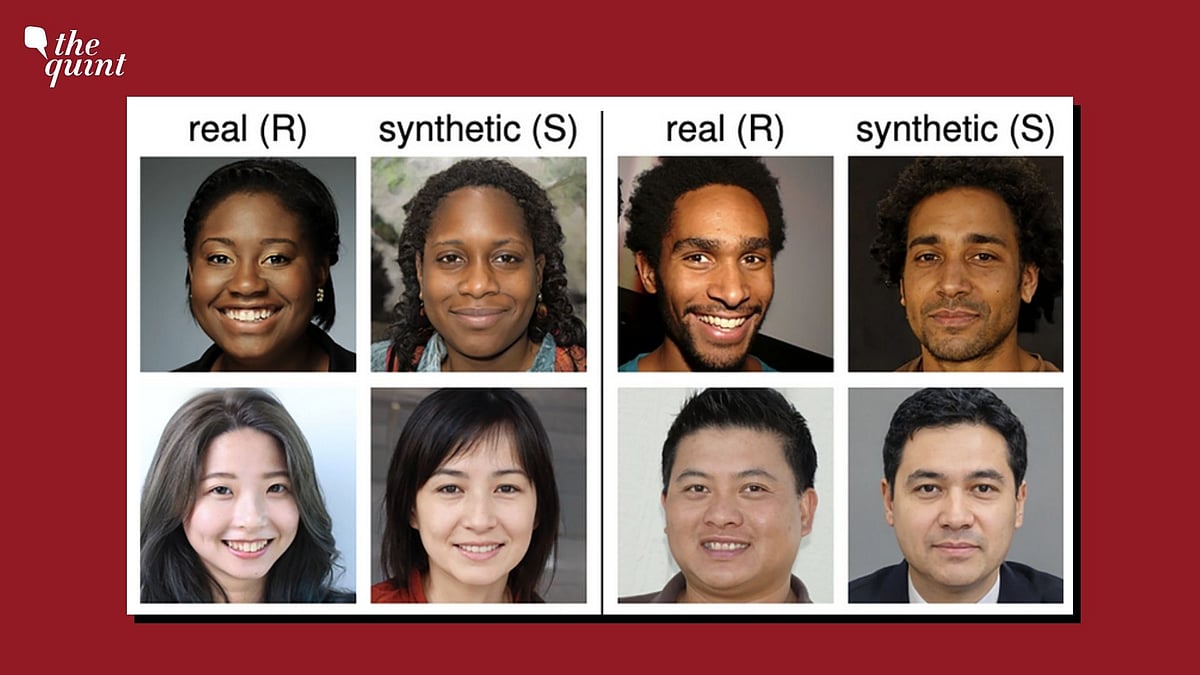
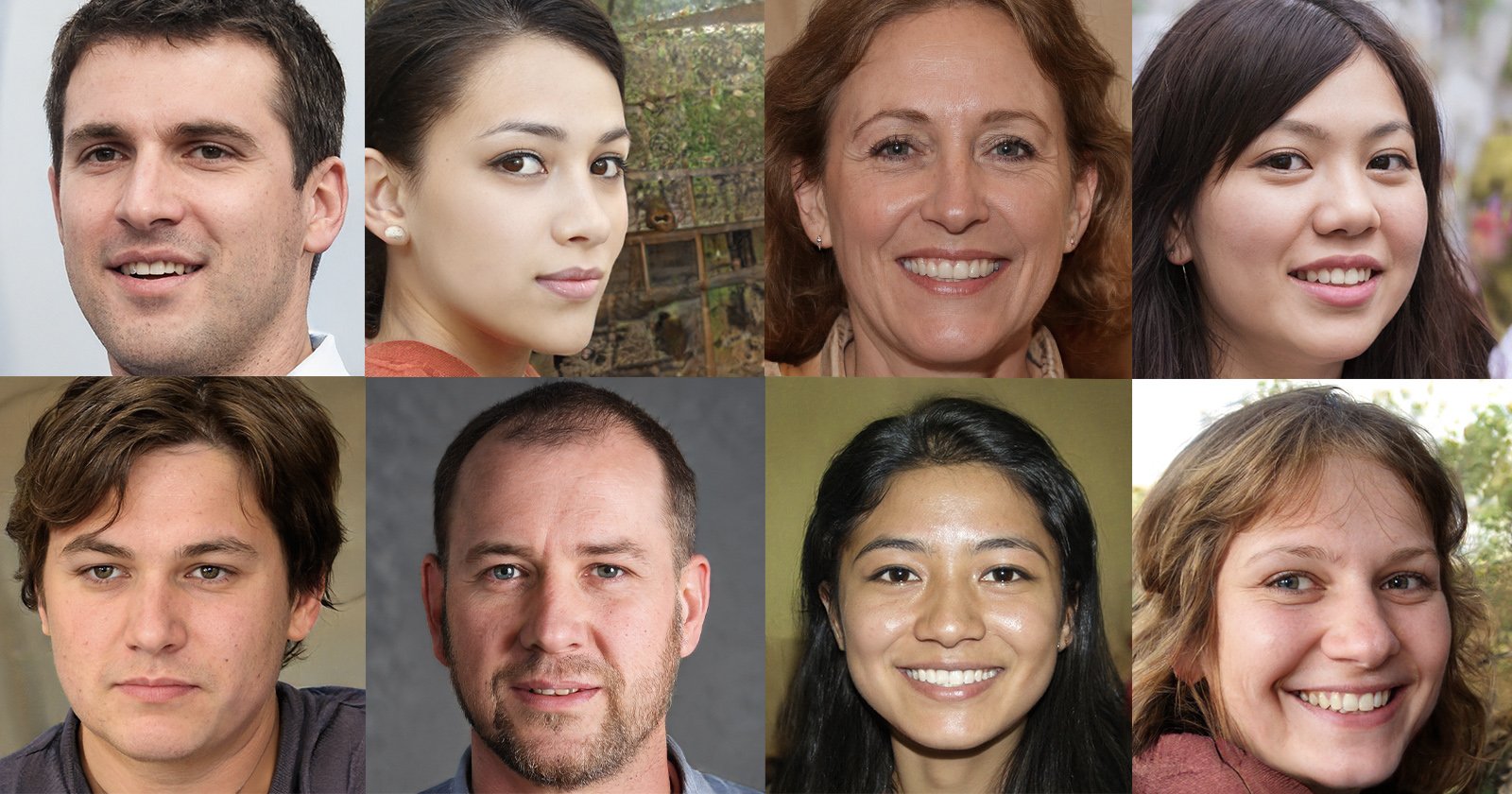
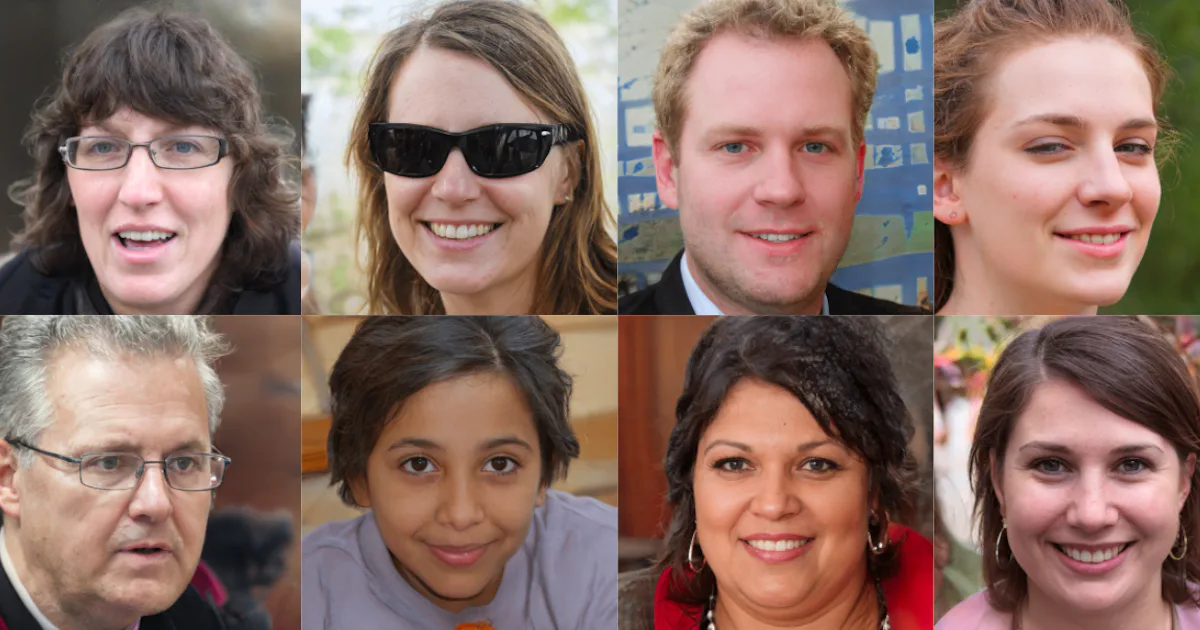
Researchers at Stanford Internet Observatory uncovered thousands of LinkedIn profiles using AI-generated faces to create fake identities. These deepfake accounts, often used by marketing firms to contact real users and generate sales leads, deceived users and undermined trust on the platform. LinkedIn responded by removing the fraudulent profiles.[AI generated]

Why's our monitor labelling this an incident or hazard?

The event explicitly involves AI systems (GANs) generating fake human faces used in thousands of fake LinkedIn accounts. These accounts are actively used to send promotional messages impersonating real people, which directly leads to harm by deceiving users and facilitating fraudulent sales tactics. This constitutes a violation of rights and harms communities through misinformation and impersonation. The AI system's use is central to the harm, meeting the criteria for an AI Incident. The event is not merely a potential risk or a complementary update but a concrete case of AI misuse causing harm.[AI generated]
AI principles
AccountabilityTransparency & explainabilityRobustness & digital securitySafetyDemocracy & human autonomy

Industries
Media, social platforms, and marketingDigital security

Affected stakeholders
General public

Harm types
PsychologicalReputational

Severity
AI incident

Business function:
Marketing and advertisementSales

AI system task:
Content generation

In other databases

Articles about this incident or hazard

Thumbnail Image

领英1000多个假账户被曝光,用AI生成假脸冒充真人发推销信息

2022-03-29
163.com
Why's our monitor labelling this an incident or hazard?
The event explicitly involves AI systems (GANs) generating fake human faces used in thousands of fake LinkedIn accounts. These accounts are actively used to send promotional messages impersonating real people, which directly leads to harm by deceiving users and facilitating fraudulent sales tactics. This constitutes a violation of rights and harms communities through misinformation and impersonation. The AI system's use is central to the harm, meeting the criteria for an AI Incident. The event is not merely a potential risk or a complementary update but a concrete case of AI misuse causing harm.
Thumbnail Image

领英1000多个假账户被曝光 用AI生成假脸冒充真人发推销信息 - AI 人工智能 - cnBeta.COM

2022-03-29
cnBeta.COM
Why's our monitor labelling this an incident or hazard?
The event explicitly involves AI systems generating fake human faces (GAN-generated images) used in fake LinkedIn accounts to impersonate real people and send promotional messages. This use of AI directly leads to harm by facilitating fraudulent sales tactics and deception, which harms individuals and communities. The presence of an established illicit industry chain further confirms ongoing harm. Hence, it meets the criteria for an AI Incident due to realized harm caused by the AI system's use.
Thumbnail Image

领英1000多个假账户被曝光,用AI生成假脸冒充真人发推销信息,已形成相关产业链-36氪

2022-03-29
36氪:关注互联网创业
Why's our monitor labelling this an incident or hazard?
The event explicitly involves AI systems generating fake human faces using GANs to create fake social media profiles. These AI-generated profiles are used to deceive users and conduct unauthorized sales outreach, which constitutes harm to communities and violations of rights. The harm is realized as these fake accounts actively operate and mislead users, fulfilling the criteria for an AI Incident. The presence of an established illicit industry chain further confirms the systemic nature of the harm caused by AI misuse in this context.
Thumbnail Image

领英1000多个假账户被曝光 用AI生成假脸冒充真人发推销信息

2022-03-29
凤凰网(凤凰新媒体)
Why's our monitor labelling this an incident or hazard?
The article explicitly mentions the use of AI systems (GANs) to generate fake human faces for LinkedIn profiles, which are then used to impersonate real people and send promotional messages. This activity has led to realized harm by deceiving users and facilitating fraudulent sales tactics, which can be considered harm to communities and a violation of rights. The involvement of AI in generating the fake faces and enabling the scam is direct and pivotal. Hence, this qualifies as an AI Incident rather than a hazard or complementary information.
Thumbnail Image

顶象:公共服务中,人脸识别的三类安全隐患

2022-03-28
天极网
Why's our monitor labelling this an incident or hazard?
The article explicitly involves AI systems in the form of facial recognition technology used in public services. It details multiple realized harms: identity theft and impersonation leading to unauthorized access (harm to property and personal security), fraudulent use of attendance systems (economic harm and violation of labor rights), and massive data breaches exposing sensitive biometric data (violation of privacy rights). These harms are directly linked to the development, use, or malfunction of AI systems. The article also discusses legal rulings and governance responses, but the primary focus is on the harms already occurring due to AI facial recognition misuse and vulnerabilities. Hence, this qualifies as an AI Incident.
Thumbnail Image

顶象:公共服务中,人脸识别的三类安全隐患

2022-03-28
jxnews.com.cn
Why's our monitor labelling this an incident or hazard?
The article explicitly describes the use of AI-powered facial recognition systems in public services and details various harms resulting from their malfunction, misuse, or inadequate security measures. These include data breaches exposing sensitive biometric data, fraudulent attendance via spoofing or GPS manipulation, and risks of unauthorized access to residential areas. These constitute violations of personal rights and data security, fitting the definition of an AI Incident. The article also references legal rulings and regulatory frameworks responding to these harms, confirming that the harms are realized and significant.
Thumbnail Image

Microsoft's LinkedIn Plagued by AI-Generated Fake Profiles Tricking Applicants

2022-03-29
Breitbart
Why's our monitor labelling this an incident or hazard?
The event involves AI systems generating synthetic human faces and automated messages to create fake profiles on LinkedIn. These AI-generated profiles are used to deceive users, which constitutes harm to individuals and communities by undermining trust and potentially causing financial or reputational damage. The AI system's use is central to the incident, as the fake profiles rely on AI-generated images and messages to appear credible. Therefore, this qualifies as an AI Incident due to realized harm caused by the AI system's use.
Thumbnail Image

That smiling LinkedIn profile face might be a computer-generated fake

2022-03-27
NPR
Why's our monitor labelling this an incident or hazard?
The article explicitly describes AI systems (GANs) generating fake profile photos used in thousands of LinkedIn accounts to impersonate real people or create fictitious personas. These profiles are used to send deceptive sales messages, misleading users and potentially causing harm through misinformation and erosion of trust. The AI system's use directly leads to harm to communities and individuals by enabling deception and manipulation on a professional platform. The event involves the use of AI systems (development and use) causing realized harm, meeting the criteria for an AI Incident rather than a hazard or complementary information. The harm is not speculative or potential but ongoing and documented, and the AI system's role is pivotal in creating the fake identities.
Thumbnail Image

LinkedIn has a problem with fake profiles

2022-03-28
TechRadar
Why's our monitor labelling this an incident or hazard?
The use of AI-generated images to create fake profiles on LinkedIn directly contributes to deceptive practices that harm users and the platform's integrity. The harm includes violations of trust and potential economic harm to users and companies, fitting the definition of harm to communities and violation of rights. The AI system's use in generating fake identities and facilitating misleading interactions is central to the incident. The article reports that these fake profiles are actively used, indicating realized harm rather than just potential risk. Hence, this is classified as an AI Incident.
Thumbnail Image

Move Over Global Disinformation Campaigns, Deepfakes Have a New Role: Corporate Spamming

2022-03-28
Gizmodo
Why's our monitor labelling this an incident or hazard?
The event explicitly involves AI systems generating deepfake images used in fake LinkedIn profiles. The misuse of these AI-generated images directly leads to harm by deceiving users and enabling spam/scam activities, which harms individuals and communities. The harm is realized, not just potential, as the fake accounts have been active and removed for violating policies. The event does not merely discuss potential risks or general AI developments but reports on an actual phenomenon causing harm. Hence, it meets the criteria for an AI Incident rather than an AI Hazard or Complementary Information.
Thumbnail Image

Deepfakes Invade LinkedIn, Delhi Firm Offers 'Ready to Use' Profiles: Report

2022-03-29
TheQuint
Why's our monitor labelling this an incident or hazard?
Deepfake technology is explicitly mentioned as an AI system generating convincing fake profiles. The use of these AI-generated profiles to mislead or deceive on a professional platform like LinkedIn constitutes harm to communities and individuals by spreading misinformation and potentially damaging reputations. The fact that LinkedIn has investigated and removed violating profiles confirms that harm has materialized. Therefore, this qualifies as an AI Incident due to realized harm caused by the AI system's use.
Thumbnail Image

Researchers Say LinkedIn is Overrun with Fake, AI-Generated Profiles

2022-03-29
PetaPixel
Why's our monitor labelling this an incident or hazard?
The event involves AI systems generating fake profile photos and creating fake LinkedIn accounts that directly mislead users, constituting harm to communities through misinformation and deception. The AI-generated profiles are actively used to manipulate users, which is a realized harm, not just a potential risk. The involvement of AI in creating these fake profiles and the resulting deceptive interactions meet the criteria for an AI Incident under the framework.
Thumbnail Image

That smiling LinkedIn profile face might be a computer-generated fake

2022-03-27
WBUR 90.9 mHz
Why's our monitor labelling this an incident or hazard?
The event involves AI systems explicitly through the use of GANs to generate fake profile photos on LinkedIn. The use of these AI-generated images directly led to the creation and proliferation of fake profiles that misrepresent individuals and companies, causing harm to the LinkedIn community by undermining trust and enabling deceptive practices. The harm is realized, not just potential, as these profiles were actively used for lead generation and outreach, misleading users. This fits the definition of an AI Incident because the AI system's use directly led to harm to communities (trust and integrity of professional networking) and violations of platform policies, which protect user rights. The event also includes responses such as LinkedIn removing the profiles and companies updating their policies, but the primary focus is on the harm caused by the AI-generated fake profiles.
Thumbnail Image

1,000-plus AI-generated LinkedIn faces discovered in probe

2022-03-28
TheRegister.com
Why's our monitor labelling this an incident or hazard?
The event involves AI systems explicitly, specifically GANs generating fake faces for LinkedIn profiles. The AI system's use here is in the creation of fake identities that are then used to mislead and manipulate users on a professional social network. This misuse of AI has directly led to harm in the form of deception and manipulation, which harms communities and violates ethical norms. Therefore, this qualifies as an AI Incident under the category of harm to communities and violations of rights related to manipulation and deception. The event is not merely a potential risk but describes ongoing misuse and realized harm.
Thumbnail Image

The LinkedIn controversy over AI-generated accounts, explained

2022-03-30
TRT World
Why's our monitor labelling this an incident or hazard?
The event involves AI systems (GANs) generating fake profiles, which were used in a way that could mislead users and manipulate interactions on LinkedIn. This is an example of AI misuse with potential for harm to users' trust and the integrity of online interactions. However, the article does not report direct or significant harm such as injury, legal rights violations, or systemic disruption. The companies involved were unaware or did not authorize the use of AI-generated profiles, and LinkedIn has removed the fake accounts. The main focus is on the investigation findings, ethical questions, and platform response, which fits the definition of Complementary Information rather than an AI Incident or AI Hazard.
Thumbnail Image

Researchers say deepfake accounts are making the rounds on LinkedIn - SiliconANGLE

2022-03-29
SiliconANGLE
Why's our monitor labelling this an incident or hazard?
The event involves AI systems generating deepfake images and fake profiles, which have been used to mislead LinkedIn users. This constitutes a direct use of AI leading to harm in the form of deception and potential misinformation, which harms the community's trust and integrity of the platform. Although the harm is not physical or legal rights violations, it is a significant clearly articulated harm to the community and users' trust. Therefore, this qualifies as an AI Incident. The removal of profiles and LinkedIn's response is part of mitigation but does not negate the incident classification.
Thumbnail Image

AI-generated faces are taking over LinkedIn

2022-03-31
Input
Why's our monitor labelling this an incident or hazard?
The event involves AI systems explicitly (GAN-generated faces) used to create fake profiles that mislead users on LinkedIn. The harm is realized as these fake profiles deceive users, violate platform policies, and contribute to misinformation and spam, which harms the community and violates rights to truthful information. The AI system's use directly leads to these harms. Hence, this is an AI Incident rather than a hazard or complementary information.
Thumbnail Image

Researchers find 1,000 LinkedIn profiles using computer-generated faces

2022-03-28
Silicon Republic
Why's our monitor labelling this an incident or hazard?
The event involves AI-generated deepfake images used in fake LinkedIn profiles, which is an AI system's use leading to deceptive practices. However, the article does not describe direct or indirect harm such as injury, rights violations, or significant community harm that has materialized. The harm is potential reputational and trust-related but not concretely established as an incident. LinkedIn's removal of profiles and updating defenses indicates a governance and mitigation response. Thus, the main focus is on the investigation and platform response rather than a concrete AI Incident or Hazard. This fits the definition of Complementary Information, providing supporting data and context about AI misuse and responses in the ecosystem.
Thumbnail Image

LinkedIn has a problem with fake profiles (TechRadar)

2022-03-28
Tech Investor News
Why's our monitor labelling this an incident or hazard?
The presence of AI-generated images indicates the involvement of an AI system. The use of these fake profiles to mislead real users and manipulate them into engaging with real salespeople constitutes indirect harm to individuals and communities by deception and potential violation of rights. Therefore, this event qualifies as an AI Incident due to realized harm caused by the AI system's use in generating fake profiles for deceptive marketing.
Thumbnail Image

Watch out for LinkedIn fakes who want to get connected

2022-03-30
Malwarebytes Labs
Why's our monitor labelling this an incident or hazard?
The use of AI-generated deepfake images to create fake profiles on LinkedIn constitutes an AI system's use leading to deceptive practices. The harm is indirect but real, as users may be misled into connecting with non-existent individuals, potentially exposing them to scams or misinformation. This fits the definition of an AI Incident because the AI system's use has directly led to harm to communities (trust and social integrity) and possibly breaches platform rules. The article describes realized harm (fake profiles actively used), not just potential harm, so it is not an AI Hazard. It is not merely complementary information because the main focus is on the misuse and its implications, not on responses or broader ecosystem context. Therefore, the classification is AI Incident.