Taipei City Government Shares Citizen Hotline Recordings with AI Vendors Without Consent, Raising Privacy Concerns

Thumbnail Image

The information displayed in the AIM should not be reported as representing the official views of the OECD or of its member countries.

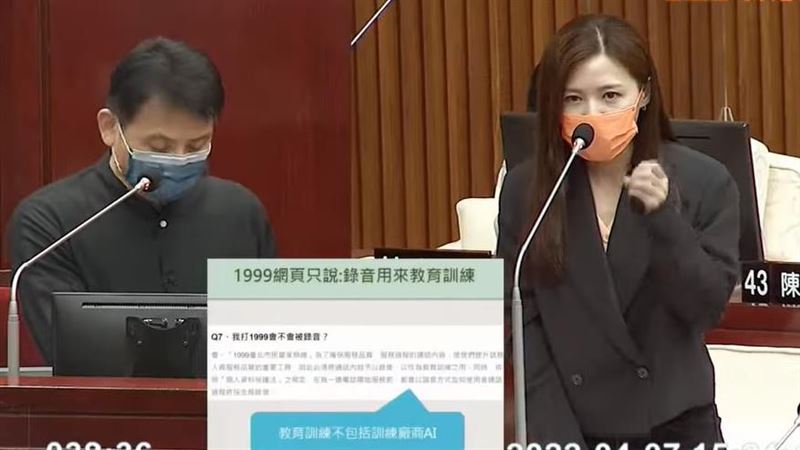
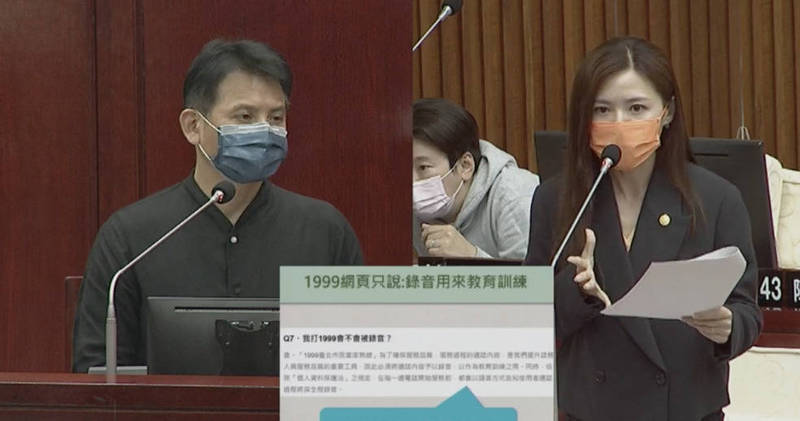
Taipei City Government provided over 1,400 citizen hotline call recordings to third-party vendors for AI voice and emotion analysis without informed consent or proper anonymization. Lawmakers criticized the lack of privacy safeguards, legal review, and opt-out mechanisms, raising concerns of personal data and biometric privacy violations.[AI generated]

Why's our monitor labelling this an incident or hazard?

The event describes an AI system (voice recognition and emotion analysis) used on recorded citizen calls. The use was without proper informed consent and lacked adequate privacy protections, violating personal data protection laws and citizens' rights. This constitutes a violation of human rights and legal obligations (harm category c). The harm is realized as citizens' private data was shared and analyzed by third parties without consent, thus qualifying as an AI Incident rather than a hazard or complementary information.[AI generated]

AI principles
Privacy & data governanceRespect of human rightsTransparency & explainabilityAccountabilityRobustness & digital securityDemocracy & human autonomy

Industries
Government, security, and defenceDigital security

Affected stakeholders
General public

Harm types
Human or fundamental rightsReputational

Severity
AI incident

Business function:
Citizen/customer serviceMonitoring and quality control

AI system task:
Recognition/object detection


Articles about this incident or hazard

Thumbnail Image

台北1999陳情錄音 洩給廠商AI分析

2022-04-11
Yahoo News (Taiwan)
Why's our monitor labelling this an incident or hazard?
The event describes an AI system (voice recognition and emotion analysis) used on recorded citizen calls. The use was without proper informed consent and lacked adequate privacy protections, violating personal data protection laws and citizens' rights. This constitutes a violation of human rights and legal obligations (harm category c). The harm is realized as citizens' private data was shared and analyzed by third parties without consent, thus qualifying as an AI Incident rather than a hazard or complementary information.
Thumbnail Image

扯!1999錄音竟交廠商辨識聲紋 議員齊轟台北市府洩個資 - 臺北市 - 自由時報電子報

2022-04-10
Liberty Times Net
Why's our monitor labelling this an incident or hazard?
An AI system is explicitly involved as the city government uses AI for voice recognition and AI text analysis on recorded citizen calls. The use of this AI system without informed consent and proper legal safeguards has directly led to violations of personal data protection laws and potential privacy harms to citizens, fulfilling the criteria for an AI Incident under violations of human rights and breach of applicable law. The event involves the use of AI systems and the resulting harm is realized, not just potential, so it is classified as an AI Incident.
Thumbnail Image

扯!1999錄音竟交廠商辨識聲紋 議員齊轟台北市府洩個資 - 政治 - 自由時報電子報

2022-04-10
Liberty Times Net
Why's our monitor labelling this an incident or hazard?
An AI system is explicitly involved as the city government uses AI for voice recognition and text analysis on recorded calls. The use of AI in processing biometric data without consent constitutes a violation of personal data protection laws, which are part of fundamental rights. The event describes realized harm through unauthorized data sharing and privacy breaches, fulfilling the criteria for an AI Incident under violations of human rights or breach of applicable law protecting fundamental rights. The lack of legal safeguards and contract penalties further exacerbates the harm. Therefore, this event qualifies as an AI Incident.
Thumbnail Image

1999錄音私送廠商辨聲紋 北市府涉洩漏民眾個資 - 政治 - 自由時報電子報

2022-04-10
Liberty Times Net
Why's our monitor labelling this an incident or hazard?
An AI system is involved as the recordings were used for AI voice recognition analysis. The harm arises from the unauthorized use and disclosure of personal biometric data, which is a violation of privacy and data protection laws, thus constituting a breach of fundamental rights. The event describes realized harm due to misuse of AI-related data processing without consent, meeting the criteria for an AI Incident under violations of human rights and legal obligations protecting personal data.
Thumbnail Image

北市府疑濫用1999個資 律師︰已侵害隱私權 - 臺北市 - 自由時報電子報

2022-04-10
Liberty Times Net
Why's our monitor labelling this an incident or hazard?
The event explicitly involves the use of AI systems (speech recognition and AI text analysis) applied to citizen call recordings. The unauthorized use of these recordings without consent directly leads to privacy rights violations, a recognized harm under the AI Incident definition (violation of human rights and privacy). The involvement of AI in processing personal data is central to the harm. The article describes actual harm (privacy infringement) rather than potential harm, so it is an AI Incident rather than a hazard or complementary information.
Thumbnail Image

北市1999錄音交廠商聲紋辨識 議員轟「先上車後補票」 - 臺北市 - 自由時報電子報

2022-04-14
Liberty Times Net
Why's our monitor labelling this an incident or hazard?
The article explicitly mentions the use of an AI system (voiceprint recognition) to analyze citizen recordings, which constitutes AI system involvement. The use of this AI system without prior proper legal and privacy review and without informed consent has led to realized harm in terms of personal data privacy violations and public trust issues. This fits the definition of an AI Incident because the AI system's use has directly led to violations of fundamental rights (personal data protection) and public harm. The article also discusses governance and review process shortcomings, but the primary focus is on the realized harm from the AI system's use.
Thumbnail Image

北市1999疑洩聲紋個資 議員批審查機制「先上車後補票」 | 聯合新聞網

2022-04-14
UDN
Why's our monitor labelling this an incident or hazard?
The article explicitly mentions the use of AI voice recognition systems analyzing recorded phone calls from citizens without their consent, resulting in the collection of over 1400 voiceprint data samples. This raises serious concerns about personal data privacy violations, a form of harm under the framework's category (c) violations of human rights or legal obligations. The lack of prior data protection review and the post-hoc attempts to address these issues indicate a failure in governance and compliance. The AI system's use directly led to the potential leakage of sensitive personal data, fulfilling the criteria for an AI Incident rather than a mere hazard or complementary information.
Thumbnail Image

扯!打給1999竟被北市府錄音 交廠商辨識聲紋 議員齊轟違反個資法 | 政治 | | Newtalk新聞

2022-04-11
新頭殼 Newtalk
Why's our monitor labelling this an incident or hazard?
An AI system is explicitly involved as the government uses AI to analyze call recordings and speaker emotions. The use of this AI system in processing personal data without informed consent and proper anonymization has directly led to violations of personal data protection laws, which are legal rights violations. This fits the definition of an AI Incident because the AI system's use has directly led to harm in the form of rights violations and privacy breaches. The event is not merely a potential risk or a complementary update but a realized harm due to the misuse of AI in analyzing citizen data without proper safeguards.
Thumbnail Image

議員爆北市府將1999錄音送外包商「恐洩個資」 資訊局承認稱合法

2022-04-12
鏡週刊 Mirror Media
Why's our monitor labelling this an incident or hazard?
The event explicitly involves AI systems performing voice recognition and AI text analysis on sensitive personal data (voice recordings) collected from citizens. The use of these AI systems without informed consent, proper de-identification, or legal safeguards constitutes a violation of personal data protection laws and fundamental rights. The involvement of AI in processing biometric data (voiceprints) and analyzing emotions heightens the sensitivity of the data and the risk of harm. The event describes actual use and data sharing practices that have already occurred, not just potential risks, and the concerns raised by officials and legislators indicate that harm to privacy and rights is occurring or imminent. Hence, it meets the criteria for an AI Incident rather than a hazard or complementary information.
Thumbnail Image

1999陳情錄音供廠商AI分析 議員轟濫用權力無法無天 | yam News

2022-04-11
蕃新聞
Why's our monitor labelling this an incident or hazard?
An AI system (AI voice recognition and text analysis) is explicitly involved in processing personal data from citizen complaint calls. The use of this AI system without informed consent and proper legal safeguards constitutes a violation of personal data protection laws and citizens' rights, which is a breach of obligations under applicable law protecting fundamental rights. The event reports actual misuse and harm (privacy violations and potential misuse of personal data), not just a potential risk. Therefore, this qualifies as an AI Incident due to the realized harm to rights and privacy caused by the AI system's use.
Thumbnail Image

1999熱線民眾語音免費供廠商資料分析 遭疑個資外洩

2022-04-11
公共電視
Why's our monitor labelling this an incident or hazard?
The event explicitly involves an AI system performing voice recognition analysis on citizen recordings, which are biometric data akin to fingerprints or iris scans. The use of these recordings without consent and the transfer of data to third-party vendors for AI analysis directly implicates violations of personal data protection laws and privacy rights. The potential misuse of voiceprint data and the lack of penalties for vendors further exacerbate the harm. These factors meet the criteria for an AI Incident as the AI system's use has directly led to violations of human rights and data protection obligations.
Thumbnail Image

瞎!打1999竟被北市府偷錄音「送廠商分析」 議員轟爆 | 政治 | 三立新聞網 SETN.COM

2022-04-11
三立新聞
Why's our monitor labelling this an incident or hazard?
An AI system is explicitly involved as the external vendor's AI analyzes recorded citizen calls for semantic content and emotional tone. The development and use of this AI system in processing personal data without informed consent and without de-identification directly violates personal data protection laws, infringing on citizens' rights. This constitutes a breach of obligations under applicable law protecting fundamental rights, qualifying as an AI Incident. The harm is realized as citizens' privacy rights are violated through unauthorized AI analysis of their voice data.