Somnium Space's 'Live Forever' AI Avatars Raise Privacy and Ethical Concerns

Thumbnail Image

The information displayed in the AIM should not be reported as representing the official views of the OECD or of its member countries.

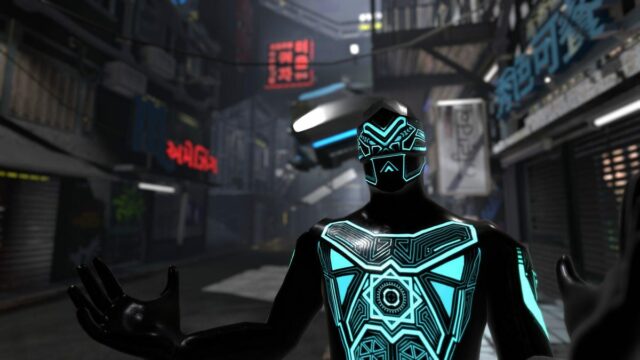
Somnium Space, a metaverse company, is developing 'Live Forever' mode, an AI system that creates digital avatars of deceased users using extensive personal data. While aiming to let loved ones interact with lifelike AI clones, the technology raises significant concerns about privacy, identity misuse, and emotional harm.[AI generated]

Why's our monitor labelling this an incident or hazard?

The event involves the use of AI systems to create digital avatars that simulate deceased individuals based on collected personal data. While no direct harm has yet occurred, the collection and use of massive amounts of personal data, including biometric and behavioral data, raise significant privacy and ethical concerns. There is a plausible risk of harm related to privacy violations, potential misuse of personal data, and psychological impacts on users interacting with AI-generated avatars of deceased persons. However, since the article does not report any realized harm or incident but rather describes the planned development and deployment of this AI system, it constitutes an AI Hazard rather than an AI Incident. The company's assurances about data privacy and user control over data deletion are noted but do not eliminate the plausible future risks inherent in such technology.[AI generated]
AI principles
Privacy & data governanceRespect of human rightsTransparency & explainabilityHuman wellbeingAccountabilitySafetyRobustness & digital security

Industries
Consumer servicesMedia, social platforms, and marketingDigital security

Affected stakeholders
Consumers

Harm types
PsychologicalHuman or fundamental rightsReputational

Severity
AI hazard

Business function:
Research and development

AI system task:
Content generationInteraction support/chatbots


Articles about this incident or hazard

Thumbnail Image

This VR Company Wants to Give You the Chance to 'Live Forever' in the Metaverse

2022-04-13
CNET
Why's our monitor labelling this an incident or hazard?
The event involves the use of AI systems to create digital avatars that simulate deceased individuals based on collected personal data. While no direct harm has yet occurred, the collection and use of massive amounts of personal data, including biometric and behavioral data, raise significant privacy and ethical concerns. There is a plausible risk of harm related to privacy violations, potential misuse of personal data, and psychological impacts on users interacting with AI-generated avatars of deceased persons. However, since the article does not report any realized harm or incident but rather describes the planned development and deployment of this AI system, it constitutes an AI Hazard rather than an AI Incident. The company's assurances about data privacy and user control over data deletion are noted but do not eliminate the plausible future risks inherent in such technology.
Thumbnail Image

Metaverse Company Offers Immortality Through 'Live Forever' Mode

2022-04-14
We Got This Covered
Why's our monitor labelling this an incident or hazard?
The article explicitly mentions the use of AI to recreate digital avatars that simulate deceased individuals, which involves AI system development and use. No actual harm or violation has been reported yet, but the technology's nature and potential misuse or unintended consequences (e.g., privacy violations, emotional harm, data misuse) present credible risks. Hence, it fits the definition of an AI Hazard rather than an AI Incident or Complementary Information. It is not unrelated because AI is central to the described feature.
Thumbnail Image

'Live Forever' mode seeks to erase death using the metaverse | Digital Trends

2022-04-13
Digital Trends
Why's our monitor labelling this an incident or hazard?
The AI system is explicitly described as creating digital avatars that simulate deceased persons, involving AI use for personality mimicry and interaction. However, the article does not report any actual harm, violation of rights, or other negative outcomes resulting from the system's use or malfunction. The potential privacy concerns and ethical implications suggest a plausible risk of harm in the future, but no direct or indirect harm has materialized according to the article. Therefore, this qualifies as an AI Hazard, reflecting a credible potential for future harm rather than an incident or complementary information.
Thumbnail Image

You could could be 'immortal' in metaverse with Live Forever mode, experts claim

2022-04-14
The Sun
Why's our monitor labelling this an incident or hazard?
An AI system is clearly involved as it will generate avatar behaviors, voice, and movements to simulate deceased persons. However, no actual harm has occurred yet; the mode is still in planning and testing phases. While there are potential ethical and psychological risks (e.g., emotional harm, privacy concerns), these are not realized harms at this stage. Therefore, this event represents a plausible future risk of harm due to AI use, qualifying it as an AI Hazard rather than an Incident or Complementary Information.
Thumbnail Image

Metaverse Company to Offer Immortality Through 'Live Forever' Mode

2022-04-13
VICE
Why's our monitor labelling this an incident or hazard?
The described 'Live Forever' mode involves AI systems that replicate human behavior and speech, fitting the definition of an AI system. No direct or indirect harm has been reported yet, so it is not an AI Incident. However, the potential for future harm exists, such as emotional distress or misuse of personal data, making it an AI Hazard. Since the article focuses on the feature's concept and potential, rather than an actual incident or harm, it fits best as an AI Hazard.
Thumbnail Image

Czech tech company wants to let you 'live forever' in the metaverse

2022-04-14
Metro
Why's our monitor labelling this an incident or hazard?
The event involves an AI system that uses personal data to generate digital avatars simulating deceased individuals, which fits the definition of an AI system. Although no direct harm has occurred yet, the extensive data collection and AI-driven personality simulation could plausibly lead to harms such as privacy violations or misuse of personal identity, qualifying it as an AI Hazard. There is no indication that harm has already occurred, so it is not an AI Incident. The article is not merely complementary information or unrelated, as it focuses on the potential risks and implications of this AI system.
Thumbnail Image

Metaverse firm to sell immortality by making digital clones that 'live forever'

2022-04-14
Daily Star
Why's our monitor labelling this an incident or hazard?
The AI system is explicitly involved in creating virtual avatars that simulate deceased persons by using collected data and AI to generate conversations and behaviors. However, the article does not report any realized harm or injury resulting from this technology. Instead, it describes a planned or ongoing development with potential future implications. While there could be ethical or psychological concerns about such AI clones, the article does not indicate any direct or indirect harm has occurred yet. Therefore, this event represents a plausible future risk scenario related to AI use, qualifying it as an AI Hazard rather than an Incident or Complementary Information.
Thumbnail Image

Tech company strives to create immortality through virtual reality

2022-04-14
Washington Examiner
Why's our monitor labelling this an incident or hazard?
The article details the development and intended use of an AI system that reconstructs a person's personality and appearance post-mortem using VR data and AI. Although no direct harm is reported, the system's nature involves sensitive personal data and AI-generated avatars that could lead to privacy breaches, emotional distress, or identity misuse. These potential harms fit the definition of an AI Hazard, as the event plausibly could lead to an AI Incident in the future. There is no indication that harm has already occurred, so it is not an AI Incident. The article is not merely complementary information or unrelated news, as it focuses on a specific AI system with plausible future harm.
Thumbnail Image

This Metaverse Company Is Offering You The Chance To Live Forever

2022-04-15
Wonderful Engineering
Why's our monitor labelling this an incident or hazard?
The article details Somnium Space's 'Live Forever' feature, an AI system that creates digital avatars mimicking deceased individuals using large volumes of sensitive personal data. Although the system is not yet deployed, the extensive data collection and replication of human behavior raise plausible risks of harm, including privacy breaches, misuse of data, and ethical concerns about digital identity and consent. No actual harm is reported yet, so it is not an AI Incident. The focus is on the potential for harm, making it an AI Hazard. The company's assurances about data deletion and non-commercial use do not eliminate the plausible risks inherent in such technology.
Thumbnail Image

Metaverse firm to sell immortality by making digital clones that 'live forever' - WSTale.com

2022-04-14
WSTale.com
Why's our monitor labelling this an incident or hazard?
The event involves the use of AI systems to create digital clones that simulate deceased individuals, which fits the definition of an AI system. There is no indication that harm has yet occurred, but the technology's nature and application could plausibly lead to harms such as emotional harm, privacy breaches, or misuse of identity, which are recognized forms of AI-related harm. Since no direct or indirect harm has materialized yet, but plausible future harm exists, this event is best classified as an AI Hazard rather than an AI Incident or Complementary Information.
Thumbnail Image

There's a Possibility We Can Live Forever...Digitally - FanFest

2022-04-15
Crooked Llama News
Why's our monitor labelling this an incident or hazard?
The article explicitly mentions an AI system that will reconstruct digital avatars based on personal data to simulate deceased individuals. Although the system is not yet deployed and no harm has been reported, the technology's nature and potential applications raise credible risks of harm, including privacy breaches, emotional harm to users, and ethical concerns about consent and identity. The AI's role in creating realistic digital doppelgangers is central, and the event plausibly leads to AI-related harms in the future. Hence, it fits the definition of an AI Hazard rather than an Incident or Complementary Information.